How Close to Put Mealworms to Bluebird House for Best Results
If you want to attract bluebirds to your yard, offering mealworms is a great way to catch their attention. But how close should you put mealworms to the bluebird house?
Understanding how close to put mealworms to bluebird house can significantly enhance your birdwatching experience.
Placing them too far or too near can make a big difference in whether the birds feel safe and come to feed. You’ll learn exactly where to place mealworms to make your bluebird house a welcoming home. Keep reading to discover simple tips that will bring these beautiful birds right to your doorstep.
When deciding how close to put mealworms to bluebird house, consider the behavior of bluebirds as they approach their food source.

Credit: avibirds.com
Ideal Distance For Mealworms
Placing mealworms near a bluebird house helps feed the birds. The right distance keeps mealworms easy to reach. It also keeps the bluebirds safe and comfortable.
Knowing how close to put mealworms to bluebird house can make a big difference in attracting these birds.
Mealworms should be close but not too close. This balance helps the bluebirds feel secure while eating.
Safe Space From The Bluebird House
Keep mealworms about 1 to 3 feet away from the bluebird house. This space lets bluebirds eat without feeling crowded. It also stops mealworms from getting inside the house.
This distance is crucial to determine how close to put mealworms to bluebird house effectively.
A small dish or feeder placed nearby works well. The birds will fly to the mealworms but can quickly return to their nest.
Avoiding Predators And Disturbances
Place mealworms where predators cannot easily reach them. Keep the area quiet and free from sudden movements. This helps bluebirds feel safe while feeding.
- Avoid placing mealworms on the ground
- Use a raised feeder or platform
- Keep the area clear of cats and squirrels
- Place mealworms in a shaded spot to prevent overheating
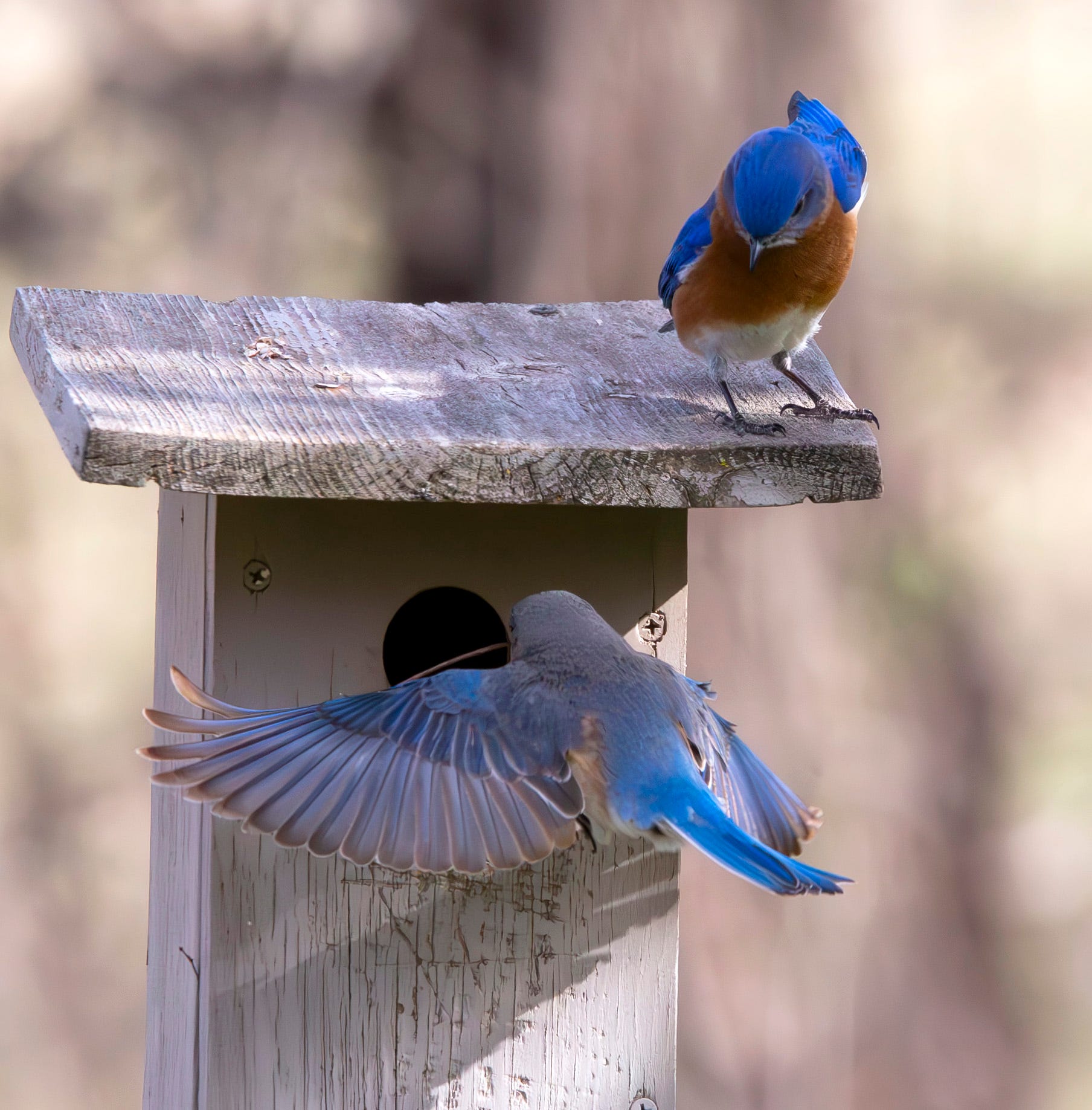
Credit: kellyjbostian.substack.com
Best Placement For Mealworm Feeders
Mealworms are a great food source for bluebirds. Placing mealworm feeders near bluebird houses helps birds find food quickly. Proper placement keeps the birds safe and comfortable while feeding.
Feeding bluebirds requires understanding how close to put mealworms to bluebird house for optimal results.
Choosing the right spot for mealworm feeders can increase bluebird visits. This guide explains the best height and location tips for your feeders.
Height And Location Guidelines
Place mealworm feeders at the right height to match bluebird feeding habits. Bluebirds usually feed close to their nests. A feeder too high or too low can discourage visits.
When setting up your feeders, think about how close to put mealworms to bluebird house to ensure easy access for the birds.
The ideal height is about 4 to 6 feet above the ground. This height protects birds from predators and makes it easy for them to land and feed.
- Keep feeders 4 to 6 feet high
- Place feeders within 3 to 5 feet of the bluebird house
- Avoid placing feeders too close to dense bushes
Choosing A Stable And Visible Spot
Pick a stable place to hang or set the mealworm feeder. Stability prevents spills and keeps the feeder safe from wind. A steady feeder attracts more bluebirds.
Stable placement is key when determining how close to put mealworms to bluebird house for maximum visibility.
Visibility is important. Place the feeder where bluebirds can see it easily from the house. Avoid tall grass or thick branches blocking the view.
- Use a sturdy hook or pole for stability
- Place feeders in clear sight of the bluebird house
- Keep the area free of tall grass or obstacles
Mealworm Feeding Schedule
Mealworms are a favorite food for bluebirds. Knowing when and how often to offer mealworms helps attract these birds to your bluebird house.
Understanding how close to put mealworms to bluebird house will lead to a more successful feeding routine.
This guide explains the best timing and frequency for feeding mealworms to bluebirds.
Timing To Attract Bluebirds
Start feeding mealworms in early spring. This matches bluebirds’ nesting season. Stop feeding by late summer when young birds leave the nest.
- Begin in March or April
- Feed through July or August
- Offer mealworms during nesting and chick-rearing
Frequency Of Mealworm Offering
To attract bluebirds, be mindful of how close to put mealworms to bluebird house relative to their natural behaviors.
| Time of Day | Suggested Frequency |
| Morning | Offer mealworms once |
| Afternoon | Offer mealworms once |
| Evening | No feeding needed |
Feed mealworms twice a day during active bluebird periods. Remove leftover mealworms to keep the area clean.

Credit: www.dutchcrafters.com
Types Of Mealworm Feeders
Mealworms are a popular food for bluebirds. Choosing the right feeder helps keep mealworms fresh. It also makes feeding easier and safer for birds.
There are different feeders you can use. These include open feeders and covered feeders. Each type has its benefits and drawbacks.
Open Vs. Covered Feeders
Open feeders show mealworms clearly. Birds can easily see and reach the food. Open feeders need regular cleaning. They can dry out or get dirty fast.
Covered feeders protect mealworms from rain and sun. They keep the food fresh longer. Covered feeders can limit bird access if not designed well. They also need cleaning to avoid mold.
- Open feeders:Easy for birds to access, but mealworms dry quickly.
- Covered feeders:Protect food, but may reduce access if too enclosed.
Diy Mealworm Feeder Ideas
You can make your own mealworm feeder at home. Use simple materials like plastic containers or shallow dishes. Make sure the feeder is easy to clean.
Add small holes for drainage if you use a container with a lid. Place the feeder near the bluebird house but not too close. This keeps birds safe from predators.
- Use a shallow plastic dish on a small platform.
- Cut holes in a plastic container for air and drainage.
- Attach a small roof to protect mealworms from rain.
- Place feeders 3 to 5 feet from the bluebird house.
Safety Tips For Bluebirds And Mealworms
Providing mealworms near bluebird houses can help feed the birds safely. It is important to keep the area clean and secure. This will protect bluebirds and prevent problems.
Careful placement and handling of mealworms keep bluebirds healthy. Follow safety tips to avoid mold and unwanted wildlife.
Preventing Mold And Spoilage
Mealworms can spoil quickly if left in damp or warm conditions. Mold can grow and harm the bluebirds. Keep mealworms fresh and safe by following these tips.
- Store mealworms in a cool, dry place before use.
- Do not place mealworms directly inside the bluebird house.
- Use a shallow dish or feeder near the house for mealworms.
- Clean the feeding area regularly to avoid mold build-up.
- Remove uneaten mealworms daily to prevent spoilage.
Keeping Other Wildlife Away
Mealworms can attract unwanted animals like squirrels and ants. These animals may scare bluebirds or eat all the food. Use simple barriers to keep other wildlife away.
| Wildlife | Problem | Solution |
|---|---|---|
| Squirrels | Steal mealworms and disturb bluebirds | Use squirrel-proof feeders or place feeders on poles with baffles |
| Ants | Swarm around mealworms and feeding area | Place feeders on stands with water moats to block ants |
| Rodents | Eat mealworms and damage the house | Keep feeding area clean and remove spills |
Signs Bluebirds Are Using The Feeders
Bluebirds are known to enjoy mealworms as a nutritious treat. Watching for signs that bluebirds are eating from your feeders helps you know if they are nearby.
Knowing how close to place mealworms to the bluebird house can improve your chances of attracting these birds. Look for clues that show they are using the feeder.
Behavioral Clues
Bluebirds often visit feeders during early morning or late afternoon. They may perch nearby to watch for predators before landing on the feeder.
Other signs include bluebirds singing or calling close to the feeder and flying back and forth between the feeder and their nest.
- Frequent visits around feeding times
- Bluebirds perching near the feeder
- Birds flying between feeder and nest
- Bluebird songs near the feeding area
Monitoring Mealworm Consumption
Keep track of how fast the mealworms disappear. If you see fewer mealworms each day, bluebirds or other birds are eating them.
Check the feeder daily and refill as needed. This helps keep bluebirds coming back and ensures they get enough food near their house.
- Note mealworm levels every morning
- Refill feeder when mealworms run low
- Use a feeder that protects mealworms from rain
- Place feeder within 10-15 feet of bluebird house
Frequently Asked Questions
How Close Should Mealworms Be To A Bluebird House?
Ultimately, knowing how close to put mealworms to bluebird house is essential for birdwatching enthusiasts.
Place mealworms within 1 to 3 feet of the bluebird house. This proximity helps bluebirds easily find and access the mealworms. Avoid placing them too far, as bluebirds may not notice the food source nearby.
Can Mealworms Be Inside The Bluebird House?
Mealworms should not be placed inside the bluebird house. They may attract pests or disturb nesting bluebirds. Instead, offer mealworms in a shallow dish or feeder close to the entrance for safe and easy feeding.
Why Keep Mealworms Near Bluebird Houses?
For best results, determine how close to put mealworms to bluebird house, so bluebirds can thrive.
Keeping mealworms near bluebird houses provides a natural food source. It supports bluebird health during breeding and feeding seasons. Mealworms attract bluebirds to the area, encouraging them to nest and raise healthy chicks.
How Often Should Mealworms Be Refreshed Near Bluebird Houses?
Refresh mealworms every 1 to 2 days to keep them fresh and alive. Fresh mealworms are more attractive and nutritious for bluebirds. Regular replacement prevents spoilage and maintains a reliable food supply.
Conclusion
By adhering to guidelines on how close to put mealworms to bluebird house, you’ll attract more birds.
Placing mealworms near a bluebird house is crucial. Birds need easy access to food. Keep the distance short. About five to ten feet works well. This ensures bluebirds can quickly find them. Avoid placing mealworms too close, though. Predators might become a problem.
Choose a safe, visible spot instead. Make sure it’s not too hidden. Consistency in placement helps birds recognize the location. Regularly check and refill the supply. This encourages bluebirds to return often. By following these steps, you create a welcoming environment.
In conclusion, how close to put mealworms to bluebird house is a vital question for successful bird feeding.
Bluebirds thrive with a reliable food source nearby. Happy birdwatching!
Remember, when determining how close to put mealworms to bluebird house, consistency is key to bird attraction.