Bird feathers are more than just decoration. They keep birds warm, help them fly, and even show off brilliant colors. Each feather has a special role, from soft down that insulates to strong flight feathers that power movement. But how do feathers actually grow, and why do birds replace them through molting? This guide explores the types of feathers, how they develop, and the amazing ways they help birds survive in different environments
Feather Types and Jobs
How Do Bird Feathers Grow? Bird feathers grow from small spots on the skin called follicles. Different feathers have different jobs for the bird.
Feathers keep birds warm. They help them fly. Some show bright colors. Each type has a unique role.
Contour Feathers
Contour feathers cover most of a bird’s body. They give the bird its color and shape. These feathers keep out wind and water.
They also help birds stay warm. They trap air near the skin.
Down Feathers
Down feathers are soft and very fluffy. They grow beneath the main contour feathers. These feathers hold heat close to the body. This keeps birds warm.
Baby birds have many down feathers. This keeps them warm before other feathers grow.
Flight Feathers
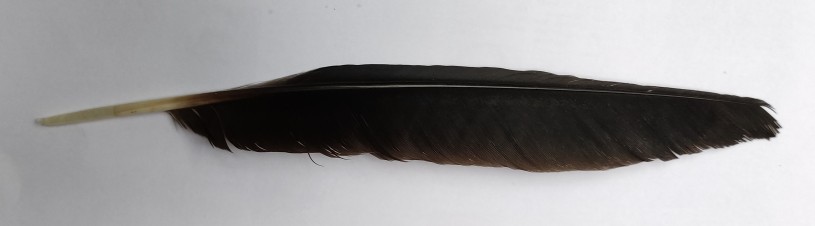
Flight feathers are stiff and strong. They grow on the tail and wings. These feathers help birds fly. They create lift and steer the bird.
There are two types: primaries and secondaries.
-
Primaries help with speed and thrust.
-
Secondaries give lift and support.
Specialized Feathers
Some feathers do special things. Filoplumes help birds sense feather position. Bristles protect the face and eyes.
Other special feathers help birds make sounds. Some attract mates with color.

Credit: brdbander.blogspot.com
The Feather Growth Process
Bird feathers grow from a process inside the skin. Feathers are vital for flying and warmth. Learning how they grow shows bird health.
Growth starts deep in the skin. Cells and proteins make the light, strong feathers.
Feather Follicle Starts
Feather growth starts in small skin pockets. These pockets are called follicles. They form before the feather grows. Follicles are small tubes.
The follicle holds the feather base. Skin cells multiply. They push the feather out as it grows. This happens for every new feather.
Keratin and Feather Shape
Keratin makes up most of the feather. This strong protein is also in nails and hair. It makes feathers flexible and tough.
The feather has a main shaft. Barbs branch off the shaft. Small barbules branch from the barbs. These hooks connect. They form a smooth surface for flying.
-
Keratin forms the shaft and barbs.
-
Barbules connect to keep feather shape.
-
Lightweight shape aids flying.
Growth Steps
Feathers grow in steps inside the follicle. First, a small bud appears. Then cells multiply. Keratin builds to form the shape.
The feather gets longer and hardens. Blood gives nutrients to help this. The feather dries when growth ends. Now it is ready for use.
-
Bud forms in the follicle.
-
Cells multiply. Keratin builds.
-
Feather grows and hardens.
-
Blood feeds the feather.
-
Feather dries and is ready.
Molting Cycles
Birds do not grow feathers all at once. They lose old ones and grow new ones. This is called molting. Molting keeps feathers strong and birds healthy.
The cycle replaces old, worn feathers with new ones. This helps birds care for their feathers.
Why Birds Molt
Birds molt to replace damaged feathers. Flying, weather, and daily use wear them out. New feathers keep birds warm. They help birds fly well.
Molting helps keep birds clean. Old feathers can carry insects. New feathers remove these issues.
Molting Patterns
Birds molt in different ways. Some lose all feathers fast. Others lose them slowly, one at a time. These patterns let them keep flying while molting.
-
Complete molt: all feathers drop and regrow fast.
-
Partial molt: only some feathers change.
-
Sequential molt: feathers drop one after another.
Timing and Cycles
Molting happens at certain times. Many birds molt after breeding. Others molt before flying long distances. This timing helps birds stay strong.
Frequency changes by bird type. Some birds molt once yearly. Others molt more often. The bird’s age and environment matter too.
What Affects Feather Growth
Feather growth is natural. It depends on several things. These things change the feather’s quality and speed of growth.
Understanding these factors helps us learn about bird health.
Food and Diet
Good food is very important. Birds need proteins, vitamins, and minerals. These build strong feathers.
Lack of proper food causes weak feathers. Birds get these from their diet.
-
Proteins help build the feather’s structure.
-
Vitamins A and E improve feather health.
-
Minerals like calcium support growth.
Outside Influences
The bird’s environment changes growth. Light, temperature, and humidity are factors.
Cold weather slows feather growth. Warm weather helps feathers grow faster. Too much moisture can also cause trouble.
-
Warm temperatures speed up growth.
-
Daylight length changes molting cycles.
-
High humidity may damage feathers.
Stress and Health
Birds need to be healthy for good growth. Sickness or parasites stop normal growth.
Stress also affects feather growth. Stressed birds may lose feathers. They may also grow them slowly.
-
Parasites damage feather follicles.
-
Infections slow or stop growth.
-
Stress causes poor feather condition.
Special Feather Features
Bird feathers have special traits. These features help birds survive. Each feather type has a unique purpose.
Feathers change color. They keep water out. They keep birds warm. These help birds live in many places.
Color Changes
Feathers change color during a bird’s life. Molting replaces old feathers with brighter ones. Color changes help with camouflage. They also help attract mates.
Colors come from pigments or light. Melanin makes feathers dark and strong. Structural colors create shiny blues and greens.
Keeping Water Out
Many birds have feathers that repel water. Oils from a tail gland spread on the feathers. This keeps them dry. Waterproof feathers keep birds light and warm.
Waterproof feathers stop water from soaking in. This is key for ducks and water birds. It lets them float and swim easily.
Insulation
Feathers trap air near the skin. This air layer keeps birds warm in cold weather. Down feathers are best for insulation.
Birds fluff up feathers for more air. This keeps them warm during winter. Insulation keeps their body temperature steady.
Credit: nhm.org
Frequently Asked Questions
How Do Bird Feathers Initially Develop?
Feathers grow from pockets in the skin. These are called feather follicles. Cells multiply and form a tube. This tube opens into a full feather.
What Factors Influence Feather Growth Speed?
Growth speed depends on the bird’s health, age, and diet. Proper water and food help feathers grow faster.
How Often Do Birds Replace Their Feathers?
Birds molt once or twice a year. This replaces old feathers. It keeps feathers strong for flying and warmth.
What Role Do Hormones Play In Feather Growth?
Hormones control feather growth. They start the molting cycles. They make the follicle active. Seasonal changes affect these hormones.
Conclusion
Bird feathers grow slowly, step by step. Small buds form first under the skin. These buds become feathers over time. Blood feeds the growing feather. Feathers keep birds warm and help them fly. They also change when birds molt.
This cycle keeps feathers healthy. Understanding feather growth shows bird strength. Nature’s design is simple, yet amazing. Feathers are much more than decoration. They show the beauty of careful planning in life.