You’re outside enjoying a sunny day when you spot a bird lying still on the ground. Your heart skips a beat, and you wonder if it’s just resting or if it’s something more serious.
You don’t want to jump to conclusions, but how do you know if a bird is truly dead? This is a question that tugs at your curiosity and compassion. You’ll discover simple ways to determine whether a bird is alive or has sadly passed away.
You’ll gain the confidence to make the right call and perhaps help out a feathered friend in need. Read on to uncover the signs you should look for and what actions you can take next.
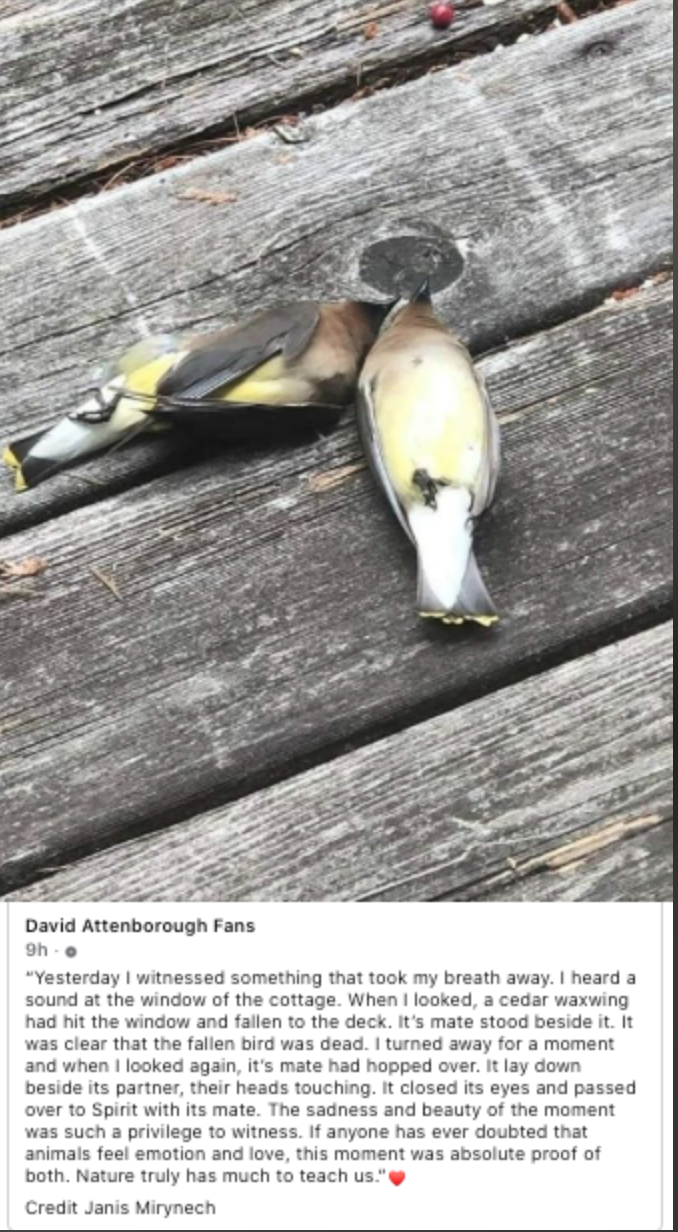
Credit: www.snopes.com
Check For Breathing
Knowing if a bird is alive or dead is important before taking any action. One of the best ways to check is to look for breathing. Birds breathe quietly, so you need to be careful and patient.
Breathing shows life. If you cannot see or feel breathing, the bird might be dead. Always check closely and gently.
Observe Chest Movements
Watch the bird’s chest carefully. Look for small rising and falling movements. These movements show the bird is breathing air in and out.
Sometimes the chest moves slowly. Stay calm and watch for at least 10 seconds. If you see no movement, the bird may not be breathing.
Feel For Airflow
Place your hand near the bird’s beak or nostrils. You may feel warm air if it is breathing. Be gentle to avoid scaring the bird.
If you feel no air, try to listen closely. Sometimes breathing is very quiet. If you still cannot feel or hear breath, the bird might be dead.
Look For Eye Response
To know if a bird is dead, checking its eyes is important. The eyes can show signs of life or death clearly.
Eye response tests are simple and quick. They help you see if the bird is still alive.
Test Blink Reflex
Gently touch the bird’s eye or the skin near the eye. If the bird blinks, it is alive. No blink may mean the bird is dead.
Be very gentle to avoid hurting the bird. The blink reflex is a quick sign of life.
- Use a soft touch near the eye
- Watch closely if the eyelids close
- No blink after several tries is a warning
Check Pupil Reaction
Shine a small light near the bird’s eye. If the pupil changes size, the bird is alive. No change means no response.
This test shows if the bird’s nervous system works. It can help confirm if the bird is dead.
- Use a flashlight or phone light
- Move light slowly near the eye
- Look for pupil getting smaller or bigger
Assess Body Temperature
Knowing if a bird is dead can be hard. One way is to check its body temperature.
A living bird usually feels warm. A cold body can mean the bird is no longer alive.
Touch The Feet
The feet of a bird are good places to check temperature. Touch them gently to feel if they are warm or cold.
If the feet feel very cold and stiff, the bird might be dead. Warm feet mean the bird could still be alive.
Touch The Beak
Touch the bird’s beak to check its warmth. A warm beak shows life, while a cold beak suggests death.
Feel the beak softly. If it is very cold, it is a sign the bird might have died recently.
Compare With Normal Warmth
Compare the bird’s feet and beak with your own skin warmth. Birds usually feel warmer than cold objects.
- A warm bird’s skin feels similar to or warmer than your hand.
- A dead bird’s skin feels much colder than your hand.
- Cold and stiff body parts mean no blood flow, a sign of death.

Credit: www.cbc.ca
Examine Muscle Tone
Checking muscle tone helps you know if a bird is dead. Muscle tone means how tight or loose the muscles feel.
Living birds have some muscle tension, even when resting. Dead birds lose this tension and feel floppy.
Check For Stiffness
After death, a bird’s muscles become stiff. This is called rigor mortis. It happens a few hours after death.
If the bird’s body feels very stiff, it is likely dead. If it feels soft or flexible, it may still be alive.
- Stiff muscles mean no muscle control
- Soft muscles mean muscles still work
- Rigor mortis starts 2-6 hours after death
Test Limb Movement
Gently move the bird’s legs and wings. Living birds resist or try to move back. Dead birds stay limp.
Try bending the limbs softly. If they feel loose and do not move on their own, the bird is likely dead.
- Move limbs slowly and gently
- Look for muscle resistance
- No resistance means loss of muscle tone
Listen For Heartbeat
Knowing if a bird is dead can be hard. One way is to listen for its heartbeat.
A heartbeat shows the bird is alive. If you can’t find one, the bird may be dead.
Use A Stethoscope Or Ear
A stethoscope helps hear the bird’s heartbeat clearly. Place it gently on the chest.
If you do not have a stethoscope, you can use your ear. Put your ear close to the bird’s chest and listen quietly.
Identify Pulse Points
Check for pulse points to find the heartbeat. Common spots are under the wing or on the neck.
- Under the wing near the bird’s chest
- Side of the neck where the artery runs
- Inside the thigh if visible
Feel gently for a soft, rhythmic pulse. No pulse means no heartbeat.

Credit: www.reddit.com
Look For Signs Of Injury
To know if a bird is dead, first look for signs of injury. Injuries can show if the bird is hurt or alive.
Check the bird’s body carefully. Injuries may help you understand its condition better.
Inspect For Bleeding
Look for any blood on the bird’s feathers or skin. Bleeding shows the bird may be hurt.
Check common places like the wings, head, and legs. Blood may be hidden under feathers.
- Look for fresh red blood or dried blood stains
- Check under feathers for hidden wounds
- Notice if blood is near the bird’s eyes or beak
Check For Broken Bones
Look closely at the bird’s wings, legs, and neck. Broken bones may cause unusual positions.
Signs of broken bones include swelling and sharp bends. The bird may not move injured parts.
- Swelling or lumps on limbs
- Unnatural angles or bends in wings or legs
- Bird does not try to move the injured part
Check For Response To Stimuli
To know if a bird is dead, check if it reacts to touch or sound. A living bird usually moves or shows signs of life.
Looking for a response helps you avoid mistakes. Birds can be very still but still be alive.
Gently Tap Or Stroke
Lightly tap the bird’s body or stroke its feathers. Use soft and gentle touches to avoid hurting it.
Focus on the chest or wing area because these parts often react if the bird is alive.
Observe Reaction
Watch carefully for any movement, blinking, or breathing after you touch the bird. Even small twitches matter.
- The bird may blink its eyes.
- It might move its head or body slightly.
- Look for any rise and fall of the chest from breathing.
Consider Environmental Factors
When you find a bird that looks lifeless, the environment around it can give clues. Look closely at the conditions to understand if the bird might be dead.
Some factors like weather and nearby animals affect a bird’s survival. Checking these can help you decide what to do next.
Assess Temperature Exposure
Birds are sensitive to temperature changes. Extreme cold or heat can cause them to become weak or die.
If the bird is in freezing weather, it may be in shock or dead. Warm weather can also cause heat stress or dehydration.
- Look for frost or ice on the bird’s feathers in cold areas.
- Check if the bird is near shade or water in hot weather.
- Notice if the bird moves or breathes slowly due to temperature.
Look For Predators Nearby
Predators like cats or hawks may attack birds. Their presence can explain why a bird is not moving.
Check the area for signs of predators. Look for fur, feathers, or tracks close to the bird.
- Notice if other animals are watching or approaching the bird.
- Look for bite marks or injuries on the bird’s body.
- Check if the bird is hidden or in an open space where predators hunt.
Frequently Asked Questions
How Can You Tell If A Bird Is Dead?
Check if the bird is completely motionless and unresponsive. Look for closed eyes, no breathing, and no heartbeat. Gently touch the bird to see if it reacts. Absence of all these signs usually means the bird is dead.
What Signs Indicate A Bird Is Seriously Injured?
A seriously injured bird may have drooping wings, difficulty breathing, or blood. It might be weak, unable to stand, or show unusual behavior. If a bird doesn’t respond to gentle stimuli, it might be beyond recovery.
Can A Bird Appear Dead But Still Be Alive?
Yes, some birds play dead or enter shock. They may lie still with slow breathing. Check for subtle breathing or heartbeat to confirm life. Handle gently and seek professional help if unsure.
Should I Move A Bird That Might Be Dead?
Avoid moving the bird unless necessary for safety. Moving it can cause more harm if it’s injured but alive. If relocation is needed, handle the bird carefully and wear gloves to protect yourself.
Conclusion
Knowing if a bird is dead takes careful observation. Check for any signs of movement or breathing. Look closely at the eyes and body position. Birds that do not respond to gentle touches may be lifeless. Always handle the bird with care and respect.
Understanding these signs helps you act properly and safely. Remember, quick and calm action is important in such situations. Stay calm and observe carefully before making decisions. This knowledge can guide you in helping birds effectively.