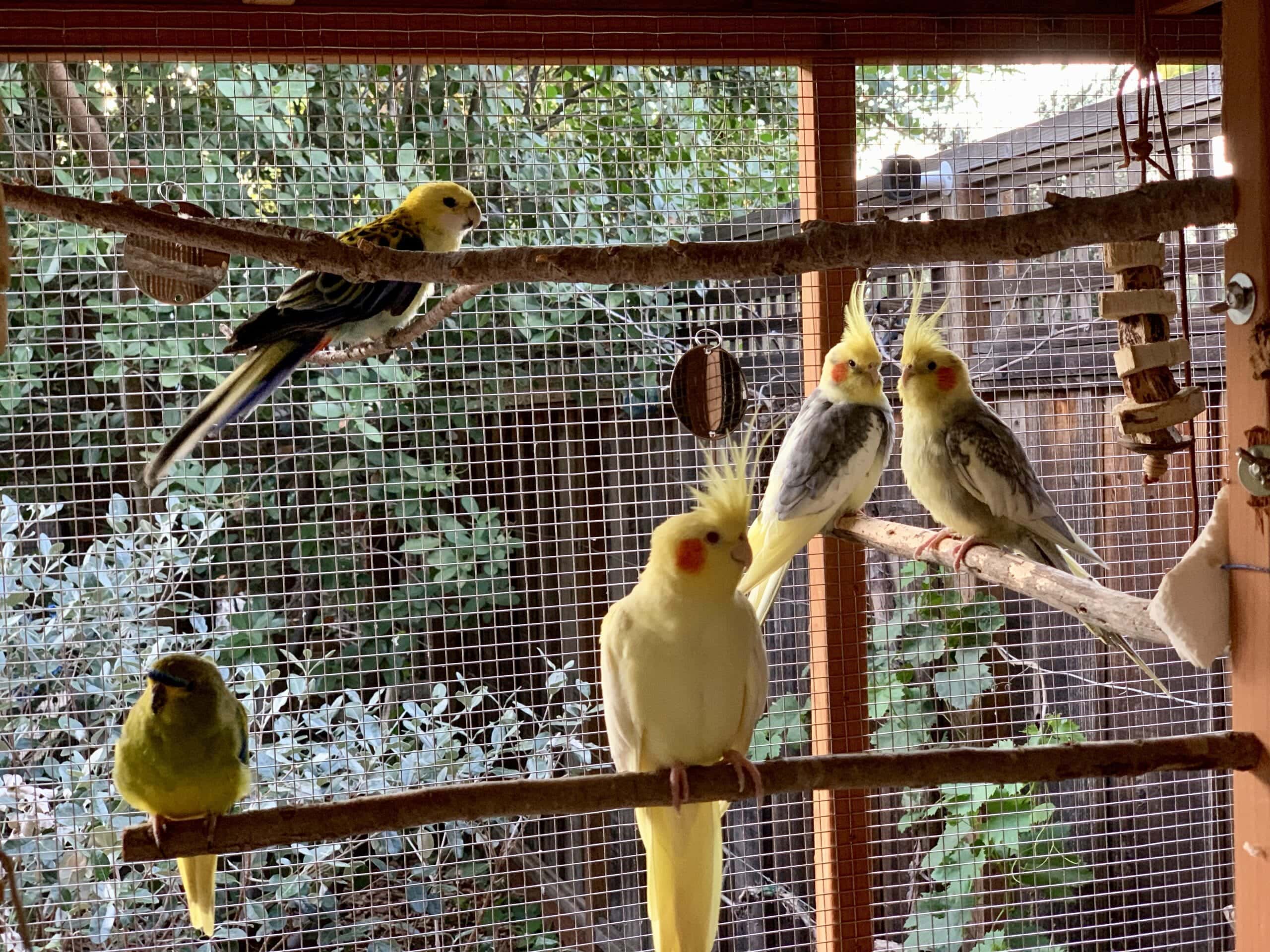
Are you looking for a simple, natural way to make bird cage perches that your feathered friend will love? Using tree branches to create perches is not only easy but also safe and comfortable for your bird’s feet.
Imagine giving your pet a cozy spot that feels just like their home in the wild. In this guide, you’ll discover exactly how to choose the right branches, prepare them, and turn them into perfect perches. Keep reading, and you’ll find out how to make your bird’s cage a happier, healthier place in just a few simple steps.
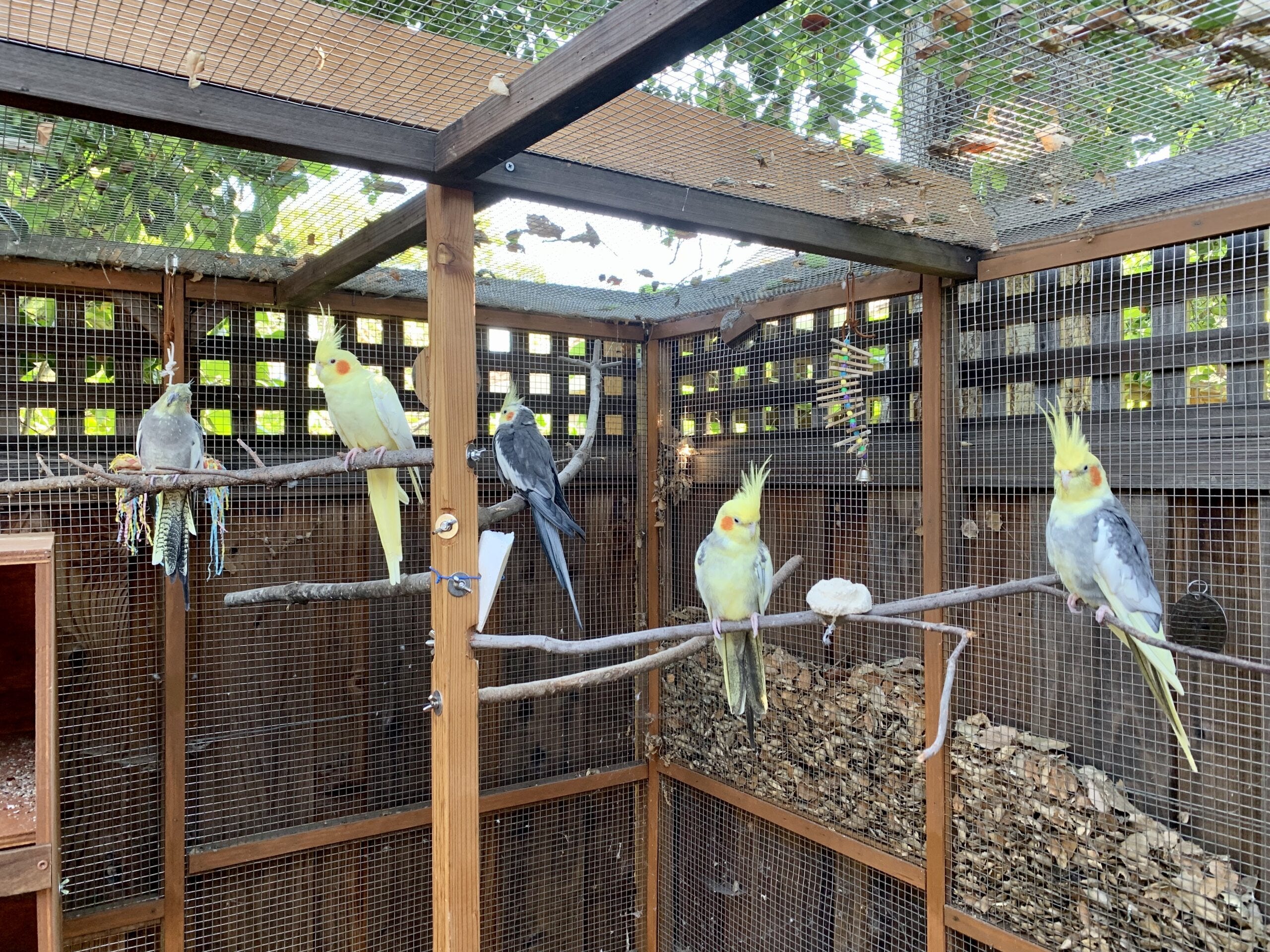
Credit: freerangeparrots.org
Choosing The Right Branches
Making bird cage perches from tree branches is a natural and safe choice. Picking the right branches keeps birds healthy and happy.
Not all branches are good for perches. You must know which wood is safe and what sizes work best.
Safe Wood Types
Choose wood from trees that are safe for birds. Some woods can harm their health.
- Apple wood is safe and smells nice.
- Maple wood is hard and safe for chewing.
- Birch wood is strong and non-toxic.
- Willow branches are soft and easy to grip.
- Ash wood is durable and safe.
Branch Size And Shape
Pick branches that fit your bird’s size and feet. The right size helps birds grip comfortably.
| Bird Size | Branch Diameter | Shape |
|---|---|---|
| Small birds (finches, canaries) | 0.5 to 1 inch | Straight or slightly curved |
| Medium birds (parakeets, cockatiels) | 1 to 1.5 inches | Curved or straight |
| Large birds (cockatoos, macaws) | 1.5 to 2 inches | Strong and sturdy with natural bends |
Remove any sharp edges or loose bark before use. Smooth surfaces prevent foot injuries.
Avoiding Toxic Trees
Some trees have poisonous parts. Avoid these to keep birds safe.
- Do not use cherry wood because it is toxic to birds.
- Avoid cedar and pine due to harmful oils.
- Stay away from yew and oleander branches.
- Do not use eucalyptus as it can irritate birds.
Preparing Branches For Perches
Making bird cage perches from tree branches is a natural and fun project. Proper preparation ensures the perches are safe and comfortable for birds.
Start with clean, dry branches free from harmful substances. Careful cleaning, bark removal, and drying help create strong perches.
Cleaning And Sanitizing
Remove dirt, insects, and fungi by washing the branches well. Use a mild soap or a vinegar solution to sanitize them.
- Rinse branches under running water.
- Use a soft brush to scrub off dirt.
- Prepare a solution of one part vinegar and three parts water.
- Soak the branches in the solution for 30 minutes.
- Rinse thoroughly and let dry.
Removing Bark And Debris
Bark can harbor pests and mold. Removing it helps keep the perch clean and safe.
| Tool | Purpose |
|---|---|
| Utility knife | Cut and peel bark carefully |
| Sandpaper | Smooth rough spots after bark removal |
| Wire brush | Remove small debris and loose bark |
Work slowly to avoid damaging the wood underneath. Sand any rough areas to prevent bird injury.
Drying The Branches
Dry branches fully to prevent mold and rot. Proper drying also makes the wood stronger for perches.
- Place branches in a dry, well-ventilated area.
- Keep them off the ground to allow air circulation.
- Turn branches every few days for even drying.
- Wait 1 to 2 weeks or until branches feel dry and light.
- Check for any cracks or weak spots before use.
Shaping And Smoothing
Making bird cage perches from tree branches needs careful shaping and smoothing. This helps keep birds safe and comfortable.
Properly shaped perches prevent injuries and make it easy for birds to hold on. Smoothing rough parts stops splinters from hurting them.
Trimming To Size
Start by cutting the branch to the right length for the bird cage. The perch should fit well without being too long or too short.
Use a saw or strong pruning shears to trim the branch. Make sure to cut cleanly for easier sanding later.
Sanding Rough Edges
Sand the branch to remove rough spots and splinters. This step keeps birds from getting hurt while perching.
Use medium-grit sandpaper first, then fine-grit for a smooth finish. Check all sides of the perch carefully.
- Sand the ends of the branch well
- Remove any loose bark or sharp bits
- Make the surface smooth to touch
Creating Comfortable Grip Areas
Shape the perch so birds can hold it easily. Avoid making it too round or too flat.
Use gentle curves and small bumps to help birds grip. Test the perch with your fingers to see if it feels secure.
- Keep the diameter between 1/2 and 1 inch
- Shape natural bumps for better grip
- Remove sharp points or cracks
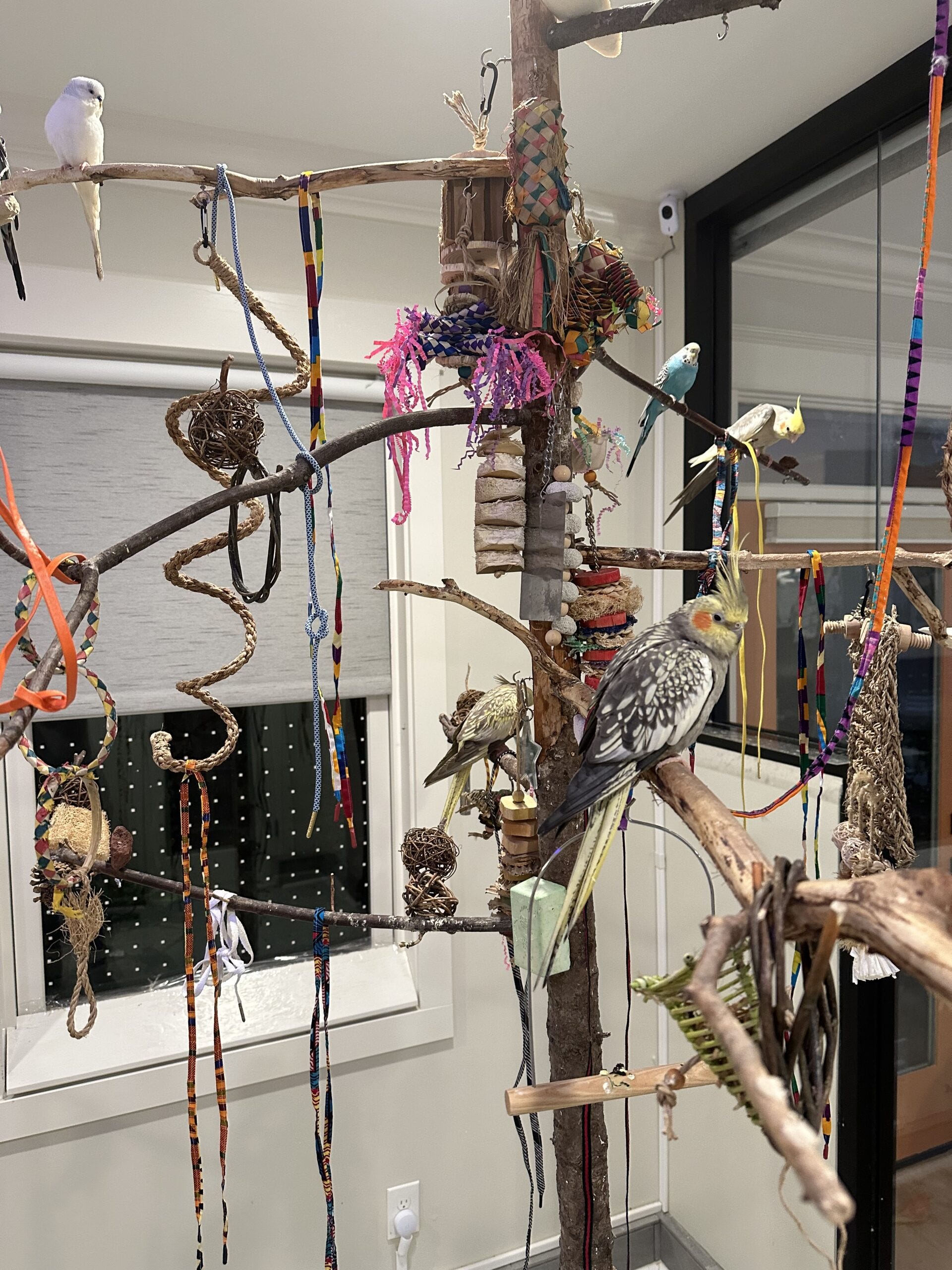
Credit: freerangeparrots.org
Attaching Perches To The Cage
Attaching perches to a bird cage needs care and attention. Proper attachment ensures the perch stays secure and safe for your bird.
This guide helps you choose the right methods and materials to attach tree branch perches safely and firmly.
Choosing Attachment Methods
There are several ways to attach perches to a cage. You can use hooks, wire, or cable ties. Each method has its pros and cons.
- Hooks:Easy to install and remove but must be strong.
- Wire:Offers a tight hold but needs care to avoid sharp ends.
- Cable ties:Simple and secure but should be checked regularly.
Using Non-toxic Fasteners
Bird safety is the top priority. Use fasteners made from safe, non-toxic materials. Avoid paints, glues, or metals that can harm birds.
| Fastener Type | Material | Bird Safety |
| Hooks | Stainless steel | Safe if rust-free |
| Wire | Galvanized steel | Safe if coated and smooth |
| Cable ties | Nylon | Safe if checked for wear |
Ensuring Stability And Safety
Stable perches keep birds comfortable and prevent injuries. Check attachments often for looseness or damage.
- Make sure the perch does not wobble or move.
- Trim or sand rough edges to avoid splinters.
- Position perches away from cage doors to avoid accidental knocks.
- Test the perch by gently shaking it before letting your bird use it.
Maintaining Diy Perches
Making bird cage perches from tree branches is fun and natural. Keeping these perches clean and safe helps your birds stay healthy.
Regular care keeps the perches strong and comfortable. It also stops germs and damage from building up.
Regular Cleaning Tips
Clean your perches often to remove dirt and droppings. Use mild soap and warm water. Avoid harsh chemicals that can harm your bird.
- Remove the perch from the cage before cleaning.
- Scrub gently with a soft brush and mild soap.
- Rinse well to remove all soap residue.
- Let the perch dry completely before placing it back.
- Clean perches at least once a week or more if needed.
Checking For Wear And Damage
Look closely at your perches for cracks, splinters, or loose bark. These can hurt your bird’s feet. Check every few days to catch problems early.
| Signs of Damage | Why It Matters |
| Cracks or Splinters | Can cut or irritate feet |
| Loose Bark | Bird might swallow harmful pieces |
| Soft or Rotten Spots | May break under weight |
Replacing Perches When Needed
Replace perches that show damage or wear. Safe perches support your bird’s health and comfort. Keep extra branches ready to swap out old ones.
- Remove the damaged perch carefully from the cage.
- Select a fresh, clean branch with similar size and texture.
- Wash and dry the new perch before use.
- Install the new perch securely in the cage.
- Dispose of damaged perches safely to avoid injury.
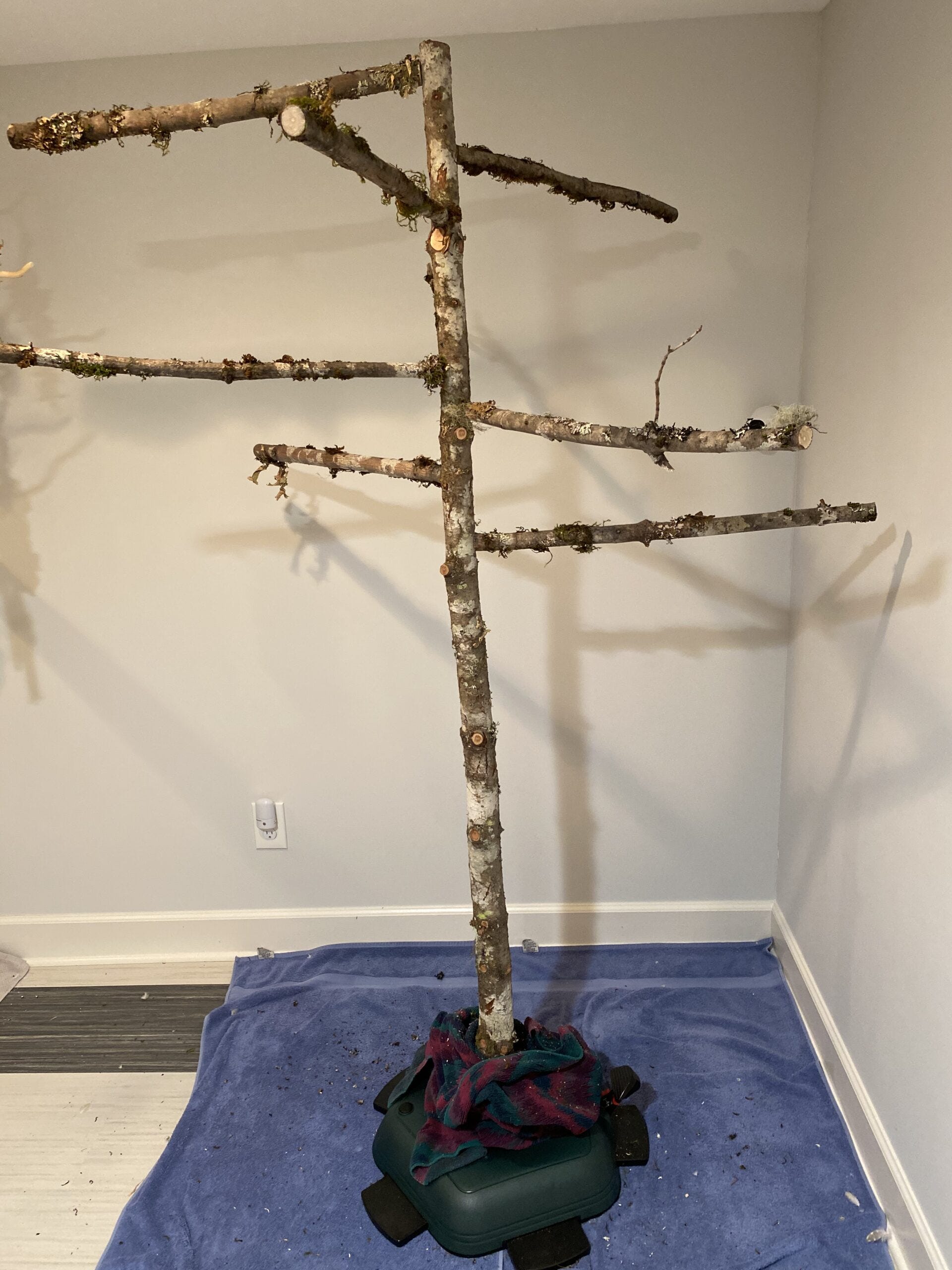
Credit: freerangeparrots.org
Frequently Asked Questions
What Type Of Tree Branches Are Safe For Bird Perches?
Choose untreated, pesticide-free hardwood branches like apple, oak, or willow. Avoid toxic woods such as cedar or pine. Always clean branches thoroughly before use to ensure bird safety.
How Do I Prepare Branches For Bird Cage Perches?
Trim branches to size, remove bark and sharp edges. Wash with mild soap and water, then dry completely. This ensures a smooth, safe surface for your bird to grip.
Can Bird Perches From Tree Branches Improve Bird Health?
Yes, natural branches provide varied textures that promote foot strength. They help prevent sores and encourage natural gripping behavior. This leads to healthier feet and happier birds.
How Long Do Homemade Branch Perches Last?
Lifespan depends on wood type and bird activity. Typically, they last several months to a year. Regularly inspect for damage and replace when worn or cracked.
Conclusion
Crafting bird cage perches from tree branches is simple and rewarding. It connects you with nature and benefits your feathered friends. Choose safe, non-toxic branches. Ensure they’re clean and free of pests. Use tools carefully to shape and secure them.
Your birds will appreciate the natural feel and texture. They can perch, play, and relax. Plus, it adds a unique touch to their cage. This creative project is both practical and fun. Enjoy the process and watch your birds thrive with their new perches.
Happy crafting!