Have you ever wanted to surprise your friends by making bird sounds with just your hands? It’s easier than you think, and once you learn, you’ll be able to mimic a variety of bird calls anytime, anywhere.
Imagine capturing the attention of nature lovers, kids, or even curious strangers with your unique skill. You’ll discover simple, step-by-step techniques to create clear and realistic bird noises using only your hands. Ready to impress and have fun? Let’s dive in and unlock your hidden talent!
Basic Hand Position
Making bird noises with your hands is fun and easy. It starts with the right hand position. You use your hands to create a small opening for the sound.
This sound comes from air passing through your hands. The position controls the tone and volume. Let’s learn the basic hand position.
Choosing The Dominant Hand
Pick the hand you use the most. This is usually your dominant hand. It will hold the main shape for the bird sound.
The dominant hand stays steady. Your other hand helps by pressing and shaping the opening. Using your best hand makes it easier to control the sound.
- Right-handed people usually use the right hand as dominant
- Left-handed people usually use the left hand as dominant
- Try both hands if unsure which works better
Forming The Cupped Shape
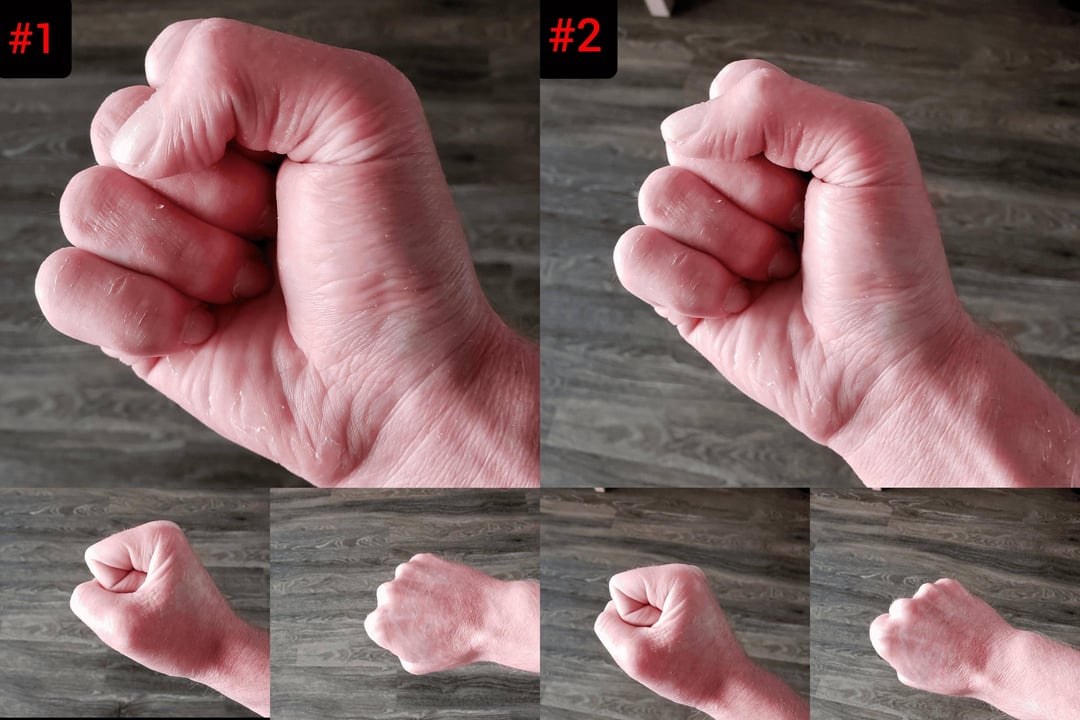
Start by curling your dominant hand’s fingers inward. Create a small hollow space between your palm and fingers. This is the cup that holds the air.
Next, place the thumb of your other hand against the side of your dominant hand. Your thumbs and fingers should form a tight seal. This shape helps push air through a small gap.
- Curl fingers of dominant hand to make a hollow cup
- Place other hand’s thumb against dominant hand’s side
- Seal the edges tightly to keep air inside
- Leave a small gap near thumbs for the sound to escape

Credit: www.youtube.com
Creating The Whistle
Making bird noises with your hands is fun and easy. The key is to create a clear whistle sound.
This guide will help you learn the hand positions and blowing technique for the whistle.
Placing The Thumb
Start by folding your hands together. Place the tip of your right thumb against the left thumb.
Make sure the thumbs create a small gap. This gap is where the air will flow to make the whistle.
Sealing The Fingers
Lock your fingers tightly together. This keeps air from escaping around your hands.
- Wrap your fingers of one hand around the other.
- Press fingers firmly to seal the edges.
- Keep your hands steady to hold the shape.
Blowing Technique
Blow air gently through the gap between your thumbs. Adjust the strength of your breath for different sounds.
| Blowing Strength | Sound Effect |
|---|---|
| Soft | Light chirping |
| Medium | Clear whistle |
| Strong | Loud, sharp call |
Adjusting The Sound
Making bird noises with your hands needs control over different parts of your technique.
Small changes can make the sound louder, softer, higher, or lower.
Changing Finger Pressure
Pressing your fingers harder or softer changes the sound you make.
- Use light pressure to create a soft, gentle chirp.
- Press harder for a sharp, clear whistle.
- Adjust pressure slowly to find the best tone.
- Try different fingers to see how sound changes.
Varying Airflow
The amount and speed of air you blow affects the bird noise.
| Airflow Type | Sound Effect |
| Slow, steady air | Soft and smooth bird call |
| Fast, strong air | Loud, sharp whistle |
| Short bursts | Quick chirps and trills |
Experimenting With Hand Shape
Changing your hand shape changes the sound’s pitch and tone.
Try these hand shapes:
- Make a tight circle with thumbs and fingers for high-pitched sounds.
- Open your hands wider for lower, softer noises.
- Change finger positions to adjust the air path.

Credit: www.youtube.com
Common Mistakes To Avoid
Making bird noises with your hands can be tricky at first. Many people face common problems that stop the sound from being clear.
Knowing what mistakes to avoid helps you improve faster. Here are some common errors to watch out for.
Leaking Air
Air leaking from the sides of your hands stops the bird noise. It makes the sound weak or silent.
To fix this, press your hands tightly together. Make sure no gaps let air escape.
- Check for holes between your fingers
- Press your thumbs and fingers firmly
- Seal the edges to keep air inside
Incorrect Finger Placement
Finger placement is key to making the right bird sound. Wrong positions cause no sound or strange noises.
Place your thumbs so their tips touch each other. Your fingers should curl naturally around them.
- Thumb tips must form a small opening
- Fingers support the thumbs without blocking air
- Practice adjusting finger positions for clear sound
Insufficient Airflow
Blowing too softly or too hard affects the bird noise. Not enough air stops the sound.
Blow a steady, moderate stream of air through the small opening between thumbs.
- Start with gentle blowing
- Increase air pressure until the noise starts
- Avoid blowing too hard to prevent noise distortion
Advanced Bird Calls
Making bird noises with your hands takes practice. Advanced bird calls add depth and realism.
These calls use trills, mimic specific birds, and combine mouth sounds with hand noises.
Adding Trills
Trills are quick, repeated sounds that birds use in their calls. You can add trills by moving your fingers fast.
Make a soft whistle with your hands, then flutter your fingers to create a trill effect.
- Form a small opening between your thumbs and index fingers.
- Blow air gently through the opening to create a base sound.
- Flutter your fingers rapidly to add a trill.
- Practice changing speed for different bird trills.
Mimicking Specific Birds
Each bird has a unique call. Study bird sounds closely to copy them with your hands.
Try to match the pitch and rhythm of the bird’s call for better imitation.
- Listen to recordings of the bird you want to mimic.
- Practice shaping your hands to match the sound.
- Use your mouth to change pitch and tone.
- Combine soft and loud sounds to copy bird calls.
Combining Mouth And Hand Sounds
Using your mouth and hands together makes bird calls more lifelike. Your mouth can change tone while hands create the sound base.
This combination adds variety and realism to your bird noises.
- Make a whistling sound with your lips.
- Shape your hands to focus and change the sound.
- Use your tongue to add clicks or chirps.
- Practice coordinating mouth and hand movements.
Practice Tips
Making bird noises with your hands takes practice and patience. It helps to train your fingers and breath control.
Using simple exercises can improve your sound quality. Listening to real bird sounds guides your practice.
Daily Exercises
Practice every day to build muscle memory in your hands. Start with short sessions and increase time slowly.
Focus on finger position and breath control. Repeat the same bird sounds to improve consistency.
- Warm up your hands with gentle stretches.
- Try making different bird sounds each day.
- Use a timer to practice for 5 to 10 minutes.
- Rest your hands if they feel tired or sore.
Recording And Playback
Record your bird noises to hear how you sound. Listening helps you find areas to improve.
Play back your recordings and compare them to real bird sounds. This helps you match pitch and tone.
- Use a smartphone or voice recorder app.
- Record in a quiet room for clear sound.
- Listen carefully to your playback after each practice.
- Note what sounds good and what needs work.
Learning From Nature
Spend time outdoors listening to birds. Notice their different sounds and rhythms.
Try to copy the sounds you hear. This helps you develop a natural feel for bird noises.
- Visit parks or gardens with many birds.
- Use binoculars to watch birds closely.
- Note which bird sounds you want to imitate.
- Practice copying these sounds with your hands.

Credit: www.reddit.com
Frequently Asked Questions
How Do You Position Your Hands To Make Bird Noises?
Place your thumbs side by side and fold your fingers to form a small chamber. Blow air gently through the gap between your thumbs. Adjust hand pressure and finger placement to create different bird sounds.
What Techniques Improve The Clarity Of Hand Bird Noises?
Practice controlling your breath and hand tension. Slightly change thumb angles and finger tightness. Consistent practice helps produce clear, sharp bird calls and varied tones.
Can Anyone Learn To Make Realistic Bird Sounds With Hands?
Yes, with patience and practice, anyone can master this skill. Start simple, listen carefully to real bird calls, and mimic them with your hands regularly.
Why Do Some Hand Bird Noises Sound Louder Than Others?
Louder sounds result from better air flow control and tighter hand seals. Firm but gentle hand positioning amplifies the sound, mimicking natural bird calls effectively.
Conclusion
Creating bird noises with hands can be fun and entertaining. This simple skill brings joy to many. Practice makes the sounds more realistic. Enjoy mimicking bird calls outdoors. Share this skill with friends and family. It's a great way to connect with nature.
Kids especially love learning this trick. Experiment with different techniques. Each bird sound is unique. Keep it light-hearted and fun. Remember, patience is key. Soon, you'll impress others with your bird calls. Enjoy the process and have fun exploring sounds.
Nature's music is just a hand movement away!