

How is a Bird Adapted to Its Habitat: Survival Secrets Explained
Have you ever wondered how birds survive so well in places like dense forests, icy mountains, or hot deserts? It’s not just luck—birds have special features that help them live and thrive in their homes.
Understanding how is a bird adapted to its habitat is essential for appreciating their survival strategies.
Understanding these amazing adaptations can change the way you see the world around you. You’ll discover the secrets behind a bird’s feathers, beak, wings, and more, and learn how each part is perfectly designed for its habitat. Keep reading, and you’ll soon see birds in a whole new light.
Each species demonstrates how is a bird adapted to its habitat through unique features.
Physical Adaptations
Birds have special body features that help them live in their homes. These changes help them find food, stay safe, and move well.
These adaptations provide insights into how is a bird adapted to its habitat.
Physical adaptations include changes in the shape of their beaks, types of feathers, and their body size and shape. Each helps birds survive in different places.
Analyzing how is a bird adapted to its habitat reveals fascinating details.
Beak Shapes And Functions
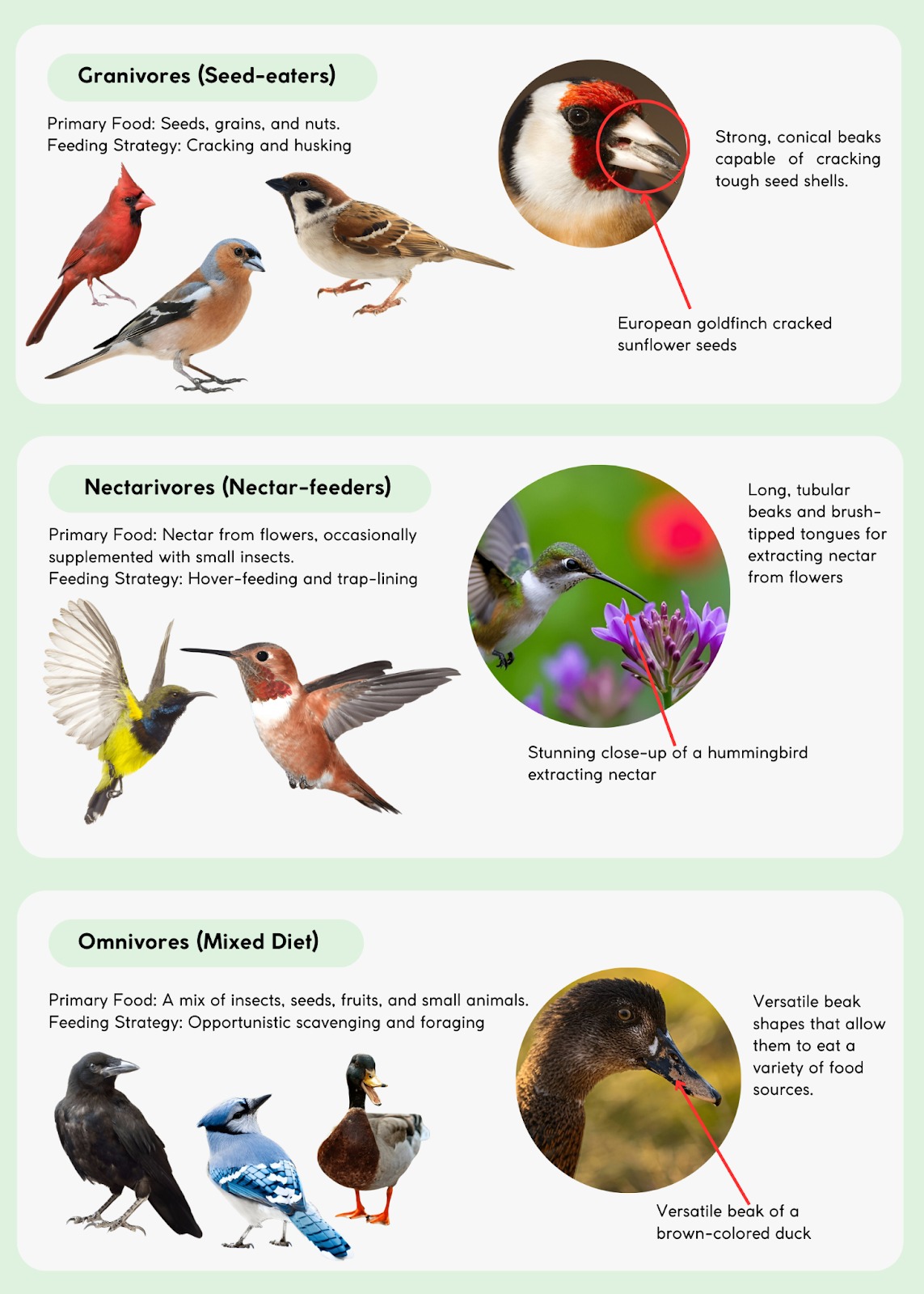
Birds have many beak shapes. Each shape helps them eat certain foods or do special tasks. For example, a sharp beak can catch insects, while a strong beak can crack seeds.
- Short and thick beaks for cracking nuts
- Long and thin beaks for reaching nectar in flowers
- Hooked beaks for tearing meat
- Flat beaks for filtering food from water
Feather Types And Uses
Feathers help birds fly, stay warm, and hide from predators. Different feathers have different jobs. Flight feathers are strong and stiff. Down feathers keep birds warm. Some feathers help birds blend into their homes.
| Feather Type | Function |
| Flight Feathers | Help with flying and steering |
| Down Feathers | Keep the bird warm |
| Contour Feathers | Shape the bird’s body and help with waterproofing |
| Semiplume Feathers | Provide insulation and smooth the body |
Body Size And Shape
Body size and shape help birds move in their habitat. Small birds can hide easily. Big birds may fly far or stay strong. Shape affects how they swim, run, or fly.
Here are some examples:
- Streamlined bodies for fast flying
- Flat bodies for swimming underwater
- Strong legs for running or digging
- Light bodies for easy flight
Credit: learn.birdscanada.org
Behavioral Adaptations
Birds change their behavior to survive in different habitats. These changes help them find food, stay safe, and raise young ones. Understanding these behaviors shows how birds fit in their environment.
Some birds travel long distances, some use smart ways to get food, and others build nests that protect their eggs. These are examples of behavioral adaptations.
Migration Patterns
Many birds fly to warmer places when cold weather comes. This helps them find food and better living conditions. Migration can cover thousands of miles.
- Birds use the sun and stars to navigate.
- They follow landmarks like rivers and mountains.
Migration patterns highlight how is a bird adapted to its habitat.
- Some travel in groups to stay safe.
- Migration times match food availability.
Feeding Strategies
Birds have many ways to find and eat food. Their feeding habits suit their habitat and the type of food available. This helps them survive and grow strong.
Different feeding strategies also demonstrate how is a bird adapted to its habitat.
| Feeding Strategy | Description | Example |
| Hunting | Catching live prey | Owl catching mice |
| Foraging | Searching for food on ground | Chicken pecking seeds |
| Scavenging | Eating dead animals | Vulture eating carcass |
| Nectar Feeding | Drinking flower nectar | Hummingbird |
Nesting Habits
Birds build nests to protect eggs and chicks. Nest styles depend on the environment and the bird species. Safe nests help young birds grow well.
Nesting habits reflect how is a bird adapted to its habitat.
- Some birds build nests in trees to avoid predators.
- Others nest on the ground using camouflage materials.
- Some birds reuse old nests each season.
- Many birds show care by guarding and feeding their young.
Sensory Adaptations
Birds have special senses that help them live well in their homes. These senses help them find food, avoid danger, and move around safely.
Birds’ sensory adaptations show how is a bird adapted to its habitat effectively.
Sensory adaptations are changes in how birds see, hear, and navigate. These changes make birds fit perfectly in their habitats.
Vision And Color Perception
Birds have very sharp eyesight. They can see far away and notice small movements. This helps them spot food and predators quickly.
Many birds see colors better than humans. They can see ultraviolet light, which helps them find ripe fruits and see patterns on other birds.
- Sharp vision helps in hunting and avoiding danger
- Color perception helps find food and mates
- Seeing ultraviolet light reveals hidden details
Hearing Capabilities
Birds have excellent hearing. They can hear sounds that humans cannot. This helps them detect predators or calls from other birds.
Some birds use hearing to find food. Owls, for example, can hear small animals moving under leaves or snow.
- Sharp hearing helps avoid danger
- Detects calls from other birds
- Locates hidden prey by sound
Navigation Skills
Birds use many senses to find their way. They see the sun, stars, and Earth’s magnetic field to guide them during migration.
Some birds remember landmarks and use their sense of smell to navigate. These skills help them travel long distances safely.
- Use sun and stars for direction
- Sense Earth’s magnetic field
- Remember landmarks and smells
Credit: animal-pedia.org
Environmental Adaptations
Birds have special features that help them live well in their homes. These features are called environmental adaptations.
These adaptations help birds find food, stay safe, and survive in different places.
Camouflage And Coloration
Birds use colors and patterns to blend into their surroundings. This helps them hide from predators.
Camouflage serves as an example of how is a bird adapted to its habitat.
Some birds have bright colors to attract mates, while others have dull colors to stay hidden.
- Brown and green colors help birds hide in trees and bushes
- White feathers help birds blend in snowy areas
- Bright colors are used for attracting mates
Temperature Regulation
Birds keep their body temperature steady to survive cold or hot weather. They have ways to do this.
Temperature regulation is another aspect of how is a bird adapted to its habitat.
Feathers provide insulation and some birds change their behavior to stay warm or cool.
- Fluffing feathers traps air to keep warm
- Birds pant or open wings to cool down
- Some birds migrate to warmer places in winter
Water Conservation
Birds living in dry places save water to stay alive. They have special ways to use less water.
Water conservation techniques reveal how is a bird adapted to its habitat.
They get water from food and have efficient kidneys to keep water in their bodies.
- Eat foods with high water content like fruits and insects
- Use kidneys that concentrate urine to save water
- Rest during the hottest part of the day to reduce water loss
Examples Of Specialized Birds
Birds live in many different places. Each bird has special features that help it survive where it lives.
Specialized adaptations illustrate how is a bird adapted to its habitat.
These features help birds find food, stay safe, and raise their young in their habitats.
Desert Birds
Desert birds live where it is very hot and dry. They need to save water and stay cool during the day.
The cactus wren has a long beak to find insects in cactus. The roadrunner can run fast to catch prey and avoid heat.
- Cactus wren: long beak for insects
- Roadrunner: fast runner to escape heat
- Sandgrouse: feathers hold water for chicks
Forest Birds
Forest birds live in trees and thick plants. They need to move well among branches and find food like insects or fruits.
Forest birds show specific examples of how is a bird adapted to its habitat.
The woodpecker uses its strong beak to drill into tree bark for insects. The toucan has a large colorful beak to reach fruits.
- Woodpecker: strong beak to find insects
- Toucan: big beak to reach fruits
- Owl: silent flight to hunt at night
Wetland Birds
Wetland birds live near water like lakes and swamps. They need to catch fish or small animals and move in water or mud.
Wetland birds also highlight how is a bird adapted to its habitat.
The heron has long legs to wade in water and a sharp beak to catch fish. Ducks have webbed feet to swim easily.
- Heron: long legs and sharp beak for fishing
- Duck: webbed feet for swimming
- Kingfisher: fast dive to catch fish
Credit: animal-pedia.org
Understanding these examples of how is a bird adapted to its habitat can enhance our knowledge of wildlife.
Frequently Asked Questions
How Do Birds Adapt To Different Habitats?
Birds adapt with physical traits and behaviors that fit their environment. Beak shape, feather type, and nesting habits help them find food, avoid predators, and survive climate conditions.
What Physical Features Help Birds Survive In Habitats?
Specialized beaks, feet, and feathers match habitat needs. Webbed feet help aquatic birds swim, sharp talons aid birds of prey, and feathers provide camouflage or insulation.
How Do Bird Behaviors Support Habitat Adaptation?
Behaviors like migration, feeding, and mating align with habitat demands. Migration avoids harsh climates, feeding habits match local food, and nesting protects young from predators and weather.
Why Is Camouflage Important For Birds In Their Habitat?
Camouflage lets birds blend into surroundings, hide from predators, and hunt more effectively. Feather colors mimic leaves, bark, or ground cover, boosting survival in diverse habitats.
In conclusion, consider how is a bird adapted to its habitat to deepen your understanding of nature.
Conclusion
Birds adapt to their habitats in amazing ways. Their beaks, wings, and feet fit their needs perfectly. Each species develops unique traits for survival. These adaptations help them find food, escape predators, and thrive. Observing these traits reveals nature’s incredible design.
Each bird’s story is a testament to how is a bird adapted to its habitat.
Birds teach us about balance in ecosystems. Their survival depends on harmony with their environment. Understanding these adaptations can inspire our own respect for nature. So next time you see a bird, notice its features. You’ll see evolution at work.
So remember, the next time you observe a bird, think about how is a bird adapted to its habitat.
Each bird is a story of survival and adaptation.



