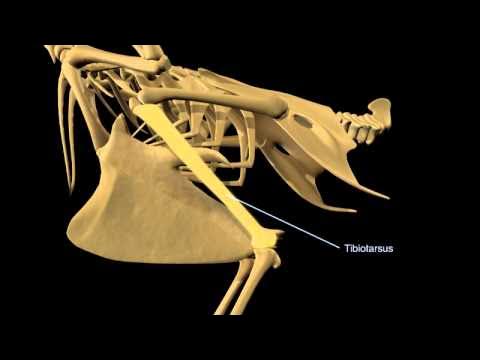
Have you ever wondered what makes a bird’s body perfect for flying? It’s not just their wings or feathers—it’s their skeleton.
Your own bones are heavy and strong, but a bird’s skeleton is built in a way that lets them soar through the sky with ease. Understanding these special features will change how you see birds forever. Keep reading to discover the amazing secrets hidden inside a bird’s bones and why their skeleton is truly made for flight.

Credit: www.frontiersin.org
Lightweight Bones
Birds have special bones that help them fly easily. Their bones are light but strong. This makes flying less tiring.
Their skeleton has two key features that reduce weight. These are hollow structures and bone fusion. Both help birds stay light in the air.
Hollow Structure
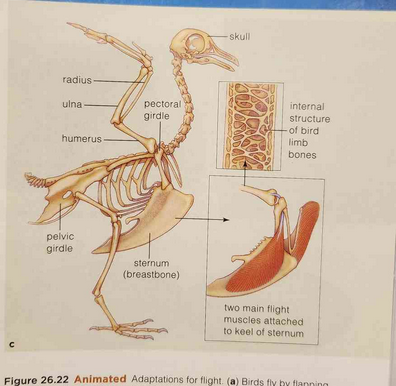
Bird bones have hollow spaces inside. These air-filled spaces make the bones lighter than solid bones. This means birds use less energy to fly.
- Hollow bones reduce body weight.
- Air sacs connect to the bones for better breathing.
- Strong outer walls keep bones from breaking.
- Light bones help with quick movements during flight.
Bone Fusion
Bird bones fuse together in some parts to make a strong, lightweight frame. This fusion lowers the number of bones and adds strength.
| Fused Bone | Benefit |
|---|---|
| Furcula (wishbone) | Stores energy for wing movement |
| Synsacrum | Supports the body during flight |
| Carpometacarpus | Strengthens the wing tips |
Wing Structure
Birds have special wing bones that help them fly. Their skeleton is light but strong.
The wing structure supports movement and helps birds lift off and glide.
Modified Forelimbs
Bird wings are changed forelimbs. The bones are thinner and lighter than in other animals.
Some bones are fused to give the wing strength during flight. This helps birds flap fast.
- Humerus is strong but light
- Radius and ulna are slender
- Hand bones are fused for stability
- Modified joints allow wing folding
Feather Attachment
Birds have special places on their wings for feathers to attach. These areas are called quill knobs.
Strong muscles connect to these points. They help move feathers to control flight direction and speed.
- Quill knobs anchor flight feathers
- Feathers overlap to form smooth surfaces
- Muscles adjust feather position for balance
- Feather arrangement reduces air resistance
Strong Sternum
A bird’s sternum is a key part of its skeleton. It is strong and supports flight muscles.
This bone helps birds fly by giving their muscles a solid base to pull against.
Keel For Muscle Attachment
The keel is a large ridge on the sternum. It sticks out like a fin on a boat.
Flight muscles attach to the keel. These muscles are strong to move wings fast.
- The keel provides a large surface for muscle attachment.
- Strong muscles pull on the keel to flap wings.
- A bigger keel means stronger muscles and better flight.
Support During Flight
The strong sternum supports the bird’s body during flight. It helps keep the body stable.
The sternum also protects internal organs while the bird flies fast and moves its wings.
- It holds the muscles firmly in place.
- It helps the bird stay balanced in the air.
- It absorbs forces from wing movement.
Flexible Neck
A bird’s neck is very flexible. This flexibility helps birds move their heads easily while flying.
The flexible neck also helps birds look around for food and predators. It is an important part of their skeleton.
Number Of Vertebrae
Birds have many neck bones called vertebrae. They have more vertebrae than most mammals.
These extra vertebrae give birds the ability to bend and twist their necks a lot.
- Most birds have between 13 and 25 neck vertebrae
- Humans have only 7 neck vertebrae
- More vertebrae means more neck movement
Range Of Motion
Birds can turn their heads almost all the way around. This wide range helps them see in many directions.
The flexible neck also helps birds clean their feathers and reach food with their beaks.
- Birds can rotate their neck up to 270 degrees
- This movement helps in flight balance and hunting
- It also aids in quick reactions to danger
Tail Adaptations
The bird’s tail plays a key role in flying. It helps with balance and steering.
Tail adaptations make flight easier and more efficient for birds.
Tailbone Structure
The tailbone, or pygostyle, is a fused set of bones. It supports tail feathers and gives strength.
| Feature | Purpose |
| Pygostyle | Supports tail feathers |
| Fused vertebrae | Gives stability and strength |
| Lightweight bones | Reduces weight for flight |
Feather Control
Birds use tail feathers to steer and brake during flight. Muscles move the feathers precisely.
- Adjust feather angles to change direction
- Spread feathers to slow down or stop
- Close feathers to reduce air resistance
Credit: medium.com
Pelvic Girdle
The pelvic girdle in birds is a key part of their skeleton. It supports the body during flight and on the ground. This structure is strong and lightweight, helping birds stay stable while flying.
Birds have a unique pelvic girdle that differs from other animals. It connects the legs to the spine and helps with balance and movement. The design allows birds to move their legs efficiently while flying and landing.
Stability In Flight
The pelvic girdle plays a big role in keeping birds stable during flight. It supports muscles and bones that keep the body balanced. This helps birds control their movements and stay steady in the air.
- The pelvic bones are fused to form a solid base.
- This fusion reduces movement, adding stability.
- Strong muscle attachments help control wing and leg movements.
- The girdle connects to the spine, supporting body weight.
Leg Attachment
The pelvic girdle connects the legs to the body. This attachment is strong but flexible. It allows birds to walk, perch, and take off with ease.
| Feature | Function | Benefit for Flight |
|---|---|---|
| Fused pelvic bones | Support body weight | Stable base during flight and landing |
| Flexible leg joints | Allow leg movement | Help with takeoff and perching |
| Strong muscle attachment points | Control leg movements | Improve balance and maneuverability |

Credit: www.birdspot.co.uk
Frequently Asked Questions
How Does A Bird’s Skeleton Reduce Weight For Flight?
A bird’s skeleton is lightweight due to hollow bones filled with air sacs. This reduces overall weight without sacrificing strength, enabling easier flight and better maneuverability.
What Bone Features Provide Strength In Bird Skeletons?
Bird bones are fused and rigid, which adds strength and stability. The fusion supports muscle attachment and withstands the forces generated during flight.
Why Is The Keel Bone Important For Bird Flight?
The keel bone anchors powerful flight muscles. Its large size increases muscle attachment area, helping birds generate the lift needed for flight.
How Do Bird Wing Bones Aid In Flight?
Wing bones are elongated and shaped to support feathers. Their structure allows precise wing movement and efficient air resistance for controlled flight.
Conclusion
Bird skeletons are amazing examples of nature’s engineering. Their bones are lightweight, yet strong. Hollow structures reduce weight, aiding flight. Fused bones add strength and stability during flight. The keel allows muscle attachment for powerful wing flaps. Birds possess a unique wishbone, aiding flight dynamics.
Tail bones help balance and direction. All these features work together, allowing birds to soar and glide. Studying these adaptations unveils the marvels of evolution. Bird skeletons inspire innovations in aviation and engineering. Nature’s design always fascinates and teaches us.
Understanding these adaptations enriches our appreciation for avian wonders.