Have you ever stopped to wonder how many toes a perching bird has? It might seem like a small detail, but understanding this can reveal fascinating secrets about how these birds live and move.
Knowing the answer will change the way you look at birds the next time you see them perched calmly on a branch. If you’re curious about nature’s little wonders and want to uncover the surprising reason behind their toe count, keep reading—you’re about to discover something truly interesting.
Toe Count In Perching Birds
Perching birds have a special foot structure that helps them grip branches. Their toes are arranged to hold tightly to surfaces.
Understanding how many toes they have can explain how they stay balanced while resting or moving on trees.
Typical Number Of Toes In Perching Birds
Most perching birds have four toes on each foot. This number helps them grip branches firmly.
They usually have three toes pointing forward and one toe pointing backward. This arrangement is called anisodactyl.
- Three toes face forward
- One toe faces backward
- This helps in gripping branches tightly
Why Four Toes Work Best For Perching
Four toes give perching birds balance and strength. They can hold tightly without slipping.
This toe count also helps them move easily along branches and catch food.
- Provides a strong grip
- Helps balance on thin branches
- Allows quick movement
Variations In Toe Numbers Among Birds
Not all birds have the same toe count. Some have different arrangements for special needs.
But most perching birds stick to four toes because it fits their lifestyle best.
| Bird Type | Toe Count | Toe Arrangement |
|---|---|---|
| Typical Perching Bird | 4 | 3 forward, 1 backward |
| Woodpecker | 4 | 2 forward, 2 backward |
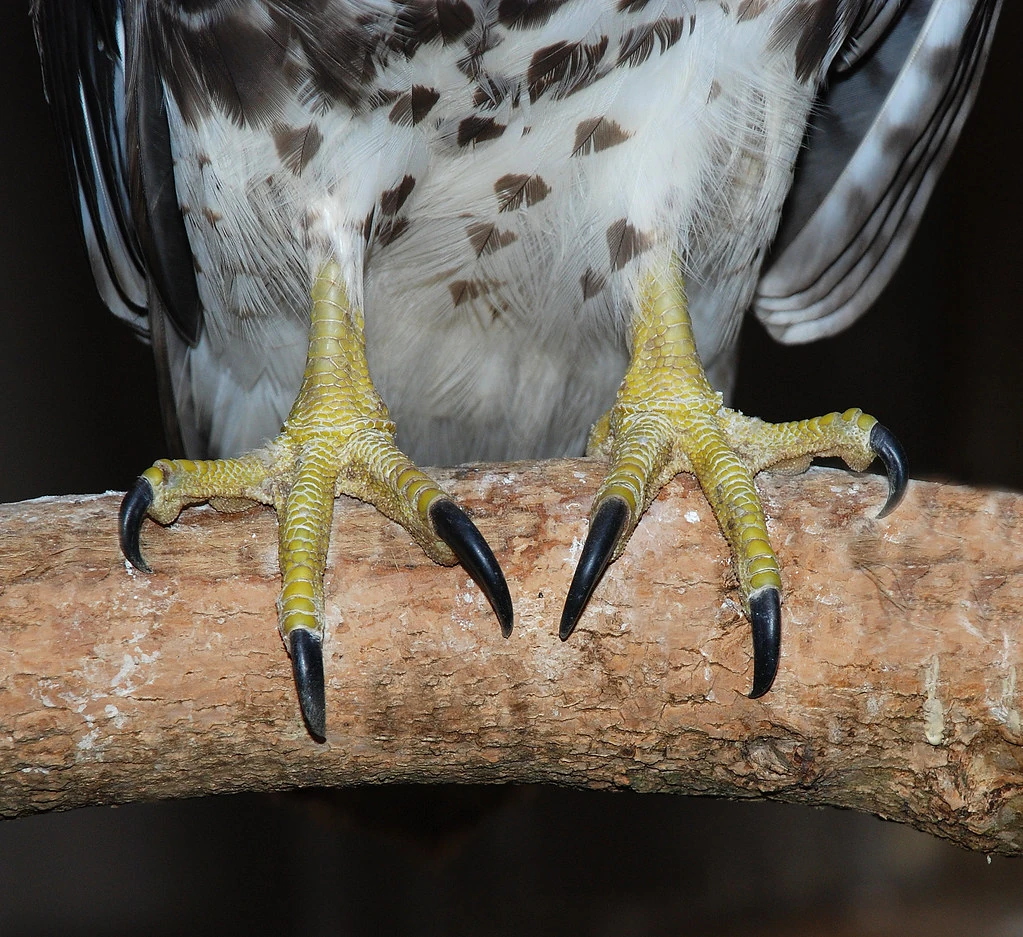
| Owls | 4 | 3 forward, 1 backward (reversible) |
Credit: birds.fandom.com
Typical Toe Arrangement
Perching birds usually have four toes on each foot. These toes help the bird hold onto branches and other surfaces.
The toes are arranged in a special way that makes perching easy and stable. This arrangement is common in many songbirds.
Anisodactyl Pattern
The anisodactyl pattern means three toes point forward and one points backward. This is the most common toe layout in perching birds.
The backward toe helps the bird grip branches firmly. This toe arrangement works well for balance and holding tight.
- Three toes face forward for gripping
- One toe faces backward for support
- Strong grip helps the bird stay safe on branches
Functionality In Perching
The toe arrangement helps birds perch without falling. Their tendons lock the toes in place when they bend their legs.
This locking system lets birds sleep while holding onto branches. It keeps them safe from predators and wind.
- Toes lock tightly when the leg bends
- Birds can sleep while perched safely
- Strong grip prevents slipping
Variations Among Species
Perching birds have different toe arrangements. These differences help them hold onto branches and move around.
Toe numbers and positions vary by species. These changes suit their habitats and lifestyles.
Zygodactyl Feet
Zygodactyl feet have two toes facing forward and two backward. This pattern helps birds grip tightly.
- Common in parrots, woodpeckers, and owls
- Two front toes help in holding food
- Two back toes provide strong support on branches
- Great for climbing and hanging upside down
Other Toe Configurations
Some perching birds have different toe setups. These variations help with specific movements or environments.
| Toe Arrangement | Description | Examples |
|---|---|---|
| Anisodactyl | Three toes forward, one back | Sparrows, robins |
| Heterodactyl | Second and third toes face forward, first and fourth backward | Trogons |
| Syndactyl | Two or more toes joined partially | Kingfishers |
| Pamprodactyl | All four toes can face forward or backward | Swifts |
Evolutionary Reasons For Toe Numbers
Perching birds have different numbers of toes based on their evolution. The number helps them survive and live in their habitat.
The way toes are arranged and how many they have links to their lifestyle and food habits.
Balance And Grip
Birds need to hold tightly to branches. Having three toes forward and one back helps them grip well. This toe arrangement is called anisodactyl.
Movement And Perching
Different toe numbers affect how birds walk and perch. Some birds have two toes forward and two backward, called zygodactyl. It helps them climb trees better.
Evolutionary Adaptations
- Species with four toes can grasp branches firmly.
- Some birds lost a toe to make running easier.
- Toe numbers may change for better hunting or feeding.
- Toe flexibility helps birds live in different environments.
Toe Numbers Across Bird Types
| Bird Type | Typical Toe Number | Special Feature |
| Perching Birds | 4 | Three forward, one back |
| Woodpeckers | 4 | Two forward, two back |
| Owls | 4 | Can rotate toes for better grip |
| Some Ground Birds | 3 | Lost one toe for faster running |
How Toes Aid In Survival
Perching birds have toes that help them live and move safely. Their toes grip branches tightly. This grip stops them from falling while they rest or sleep.
These toes also help birds balance and move quickly. This ability keeps them safe from predators and helps them find food.
Gripping Strength
Birds use their toes to hold on to branches firmly. This strong grip helps them stay safe on thin or moving branches. The toes lock around the branch to keep the bird steady.
- Four toes usually help in gripping better.
- Two toes face forward and two face backward.
- This arrangement allows a strong and secure hold.
- The grip tightens automatically when the bird bends its legs.
Balance And Mobility
Toes help birds keep balance while moving or resting. They spread out to support the bird’s weight. This helps the bird walk or hop on branches.
| Function | How Toes Help |
| Balance | Toes spread to hold body weight evenly. |
| Movement | Toes grip surfaces for quick hopping or climbing. |
| Safety | Strong toes help avoid falls from high places. |

Credit: www.ornitheology.com
Common Misconceptions About Bird Toes
Many people are curious about how many toes a perching bird has. Birds have different toe arrangements that help them live in their habitats. Some ideas about bird toes are not true. It is important to understand the facts.
This article explains common wrong ideas about bird toes. It focuses on perching birds and how their toes help them grip branches.
All Birds Have The Same Number Of Toes
People often think all birds have the same number of toes. Most birds have four toes. But some birds have only three or even two toes. The number depends on their needs and environment.
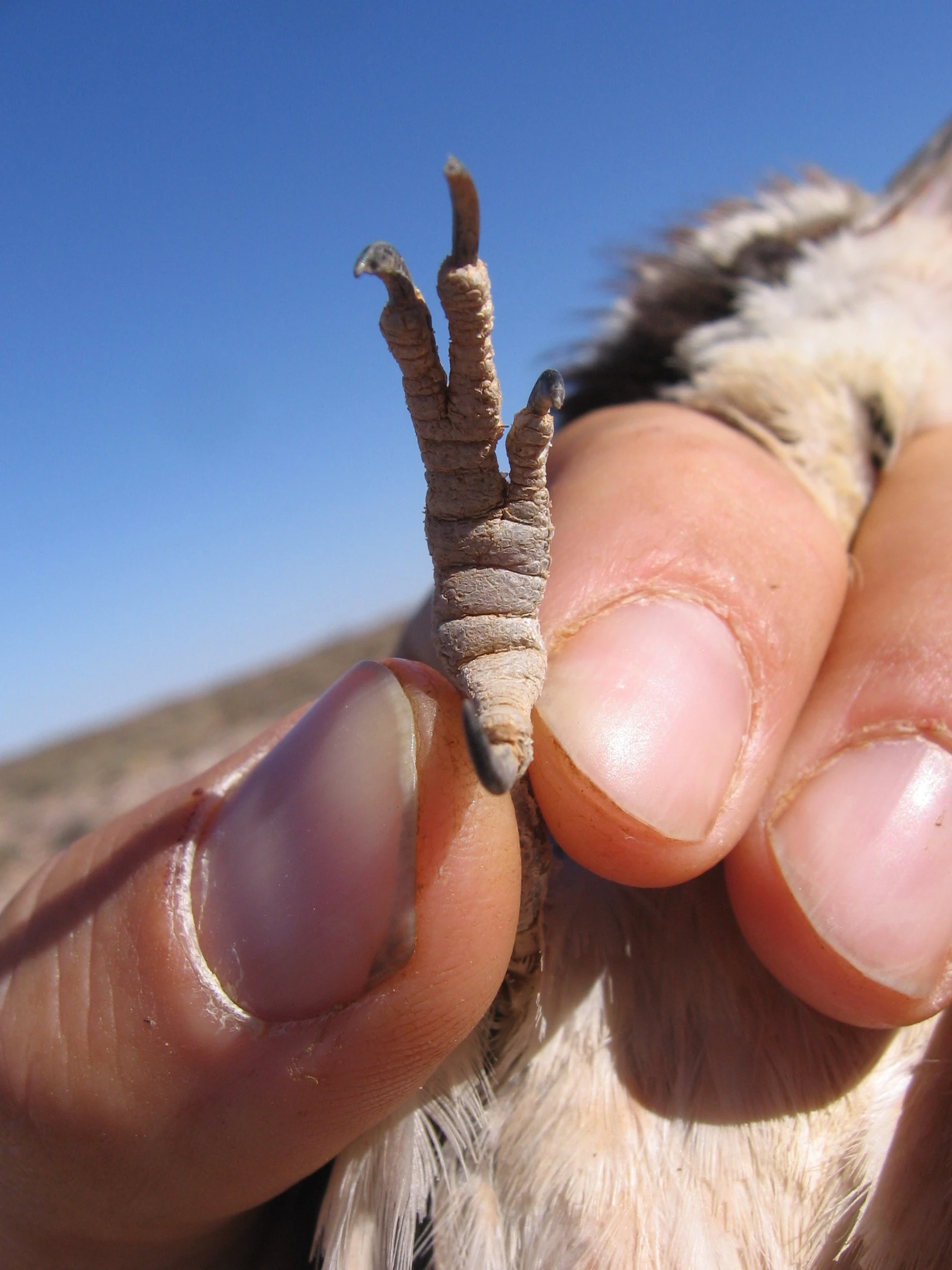
Perching birds usually have four toes. Three point forward and one points backward. This helps them hold onto branches tightly.
Perching Birds Have Five Toes
Some believe perching birds have five toes. Actually, they only have four toes. The backward toe is called the hallux. It helps birds grip branches firmly.
Having four toes gives perching birds good balance and grip. Five toes would make it harder to hold onto thin branches.
Birds Use Their Toes Only For Walking
It is wrong to think bird toes are just for walking. Perching birds use their toes to grasp branches. Their toes also help them catch and hold food.
Strong toes are very important for survival. Birds can even hang upside down using their toe grip.
All Perching Birds Have The Same Toe Arrangement
People often think all perching birds have identical toe patterns. Most have three toes forward and one backward. Some species switch toe positions to climb better.
For example, woodpeckers have two toes forward and two backward. This helps them cling to tree trunks.
- Typical perching bird: 3 forward, 1 backward
- Woodpecker: 2 forward, 2 backward
- Owls: 3 forward, 1 backward, but can rotate one toe
Credit: birds.fandom.com
Frequently Asked Questions
How Many Toes Do Perching Birds Have?
Perching birds usually have four toes. Three face forward, and one points backward. This arrangement helps them grip branches securely.
Why Do Perching Birds Have A Backward Toe?
The backward toe, or hallux, provides a strong grip. It locks around branches, aiding stability during rest and sleep.
Do All Perching Birds Have The Same Toe Arrangement?
Most perching birds share the 3-forward, 1-backward toe pattern. Some species may vary slightly, but the basic design remains similar.
How Does Toe Number Affect A Bird’s Perching Ability?
Four toes allow birds to grip branches firmly. This toe arrangement helps them balance and perch on narrow surfaces easily.
Conclusion
Birds, with their unique toe arrangements, fascinate many. Most perching birds have four toes. Three point forward, one points backward. This helps them grip branches. Understanding their toes helps us learn about their lives. It’s amazing how nature designs each creature perfectly.
Birds use their toes for balance and movement. Each species has adaptations for their environment. Next time you see a bird, notice its feet. They tell a story of survival and adaptation. Observing these details deepens our appreciation for nature.
Birds are more than just feathers and songs. They are marvels of natural engineering.