Have you ever wondered how to bring more colorful birds right to your backyard without spending a dime on fancy bird feed? You might be surprised to learn that your kitchen scraps can do the trick.
By using simple leftovers, you can create a welcoming buffet that attracts a variety of birds, making your outdoor space livelier and more enjoyable. Ready to discover easy, natural ways to turn your waste into a bird magnet? Keep reading, and you’ll soon see how small changes in your kitchen habits can invite beautiful feathered friends to visit you every day.

Credit: www.yahoo.com
Best Kitchen Scraps For Birds
Many birds enjoy leftovers from your kitchen. Using scraps can help feed them safely. It is important to know what scraps attract birds and which to avoid.
Feeding birds with kitchen scraps saves food and brings nature closer. Choose scraps that are healthy and safe for birds.
Fruits Birds Love
Fruits are a great treat for many bird species. They offer vitamins and energy. Birds usually like sweet and soft fruits.
- Apple slices (without seeds)
- Banana pieces
- Grapes, cut in half
- Berries like strawberries and blueberries
- Melon chunks
Vegetable Peels And Scraps
Many birds enjoy vegetable scraps from your kitchen. Use fresh or dried peels to attract them. Avoid spoiled or moldy scraps.
- Carrot peels and small pieces
- Cucumber slices
- Peas and corn kernels
- Leafy greens like spinach or lettuce
Bread And Grains
Bread and grains are common bird foods but should be given in small amounts. Use whole grains and avoid moldy bread.
- Small pieces of whole grain bread
- Cooked rice or pasta (plain)
- Oats and cereal grains
- Cracked corn or birdseed mix
Avoiding Harmful Foods
Some kitchen scraps can hurt birds. Avoid giving birds these foods to keep them safe and healthy.
- Onion and garlic
- Avocado
- Chocolate and sweets
- Salted or seasoned foods
- Raw beans and potato peels

Credit: www.youtube.com
Preparing Scraps Safely
Using kitchen scraps to feed birds is a smart way to reduce waste. You must prepare scraps safely to keep birds healthy.
Clean and cut scraps properly, avoid mold and rot, and offer right portion sizes. These steps protect birds from harm.
Cleaning And Cutting
Wash all kitchen scraps to remove dirt and bacteria. Use fresh water and rinse well before feeding.
Cut scraps into small, bird-friendly pieces. Small sizes help birds eat easily and prevent choking.
- Rinse fruits and vegetables under clean water
- Remove any seeds or pits that are harmful
- Slice scraps into bite-sized pieces
- Discard any scraps with skin or parts birds cannot digest
Avoiding Mold And Rot
Moldy or rotten scraps can make birds sick. Always check scraps for signs of spoilage before offering them.
Feed scraps soon after preparation. Do not leave scraps outside for long periods, especially in warm weather.
- Look for soft spots or discoloration
- Smell scraps to detect sour or bad odors
- Throw away scraps that show mold or rot
- Replace leftovers daily to keep feeding safe
Portion Sizes For Birds
Give small portions to avoid waste and overfeeding. Birds eat little at a time and need fresh food often.
Start with small amounts and watch how much birds eat. Adjust portions based on their appetite and number.
- Offer no more than a few tablespoons per feeding
- Feed scraps once or twice a day
- Remove uneaten scraps after a few hours
- Keep portions fresh and manageable
Setting Up Feeding Areas
Attracting birds with kitchen scraps can be fun and rewarding. Setting up the right feeding area helps keep birds safe and happy.
A good feeding spot should be easy for birds to find and away from dangers. Proper setup encourages more visits.
Choosing The Right Spot
Pick a quiet place that has some natural cover like bushes or trees. Birds need shelter to feel safe while feeding.
Make sure the spot is visible from a window so you can watch the birds. Avoid places near busy roads or where pets roam.
- Choose a shaded area to keep food fresh longer
- Place feeders near plants for quick escape routes
- Avoid windy or open spaces to protect birds
Using Feeders And Ground Feeding
Use feeders to hold scraps like bread pieces or fruit slices. This keeps food off the ground and cleaner for birds.
Some birds prefer feeding on the ground. You can scatter scraps on bare soil or a flat surface to attract these birds.
- Use platform or tray feeders for kitchen scraps
- Scatter scraps on soil or mulch for ground feeders
- Mix wet and dry scraps to attract different bird types
Keeping The Area Clean
Clean feeding areas regularly to stop mold and bacteria growth. Dirty spots can harm birds and attract pests.
Remove leftover scraps daily. Replace food with fresh scraps to keep birds healthy and happy.
- Clean feeders with warm water once a week
- Pick up old scraps from ground daily
- Check area for unwanted pests regularly
Attracting Different Bird Species
Using kitchen scraps is a great way to bring birds to your yard. Different birds like different foods. By offering a variety, you can attract many species.
Knowing what each bird prefers helps you choose the best scraps. Let’s look at seeds, fruits, and other leftovers that birds enjoy.
Seeds And Nuts For Songbirds
Songbirds love seeds and nuts. These provide energy and are easy to find in kitchen scraps. Common favorites include sunflower seeds and crushed peanuts.
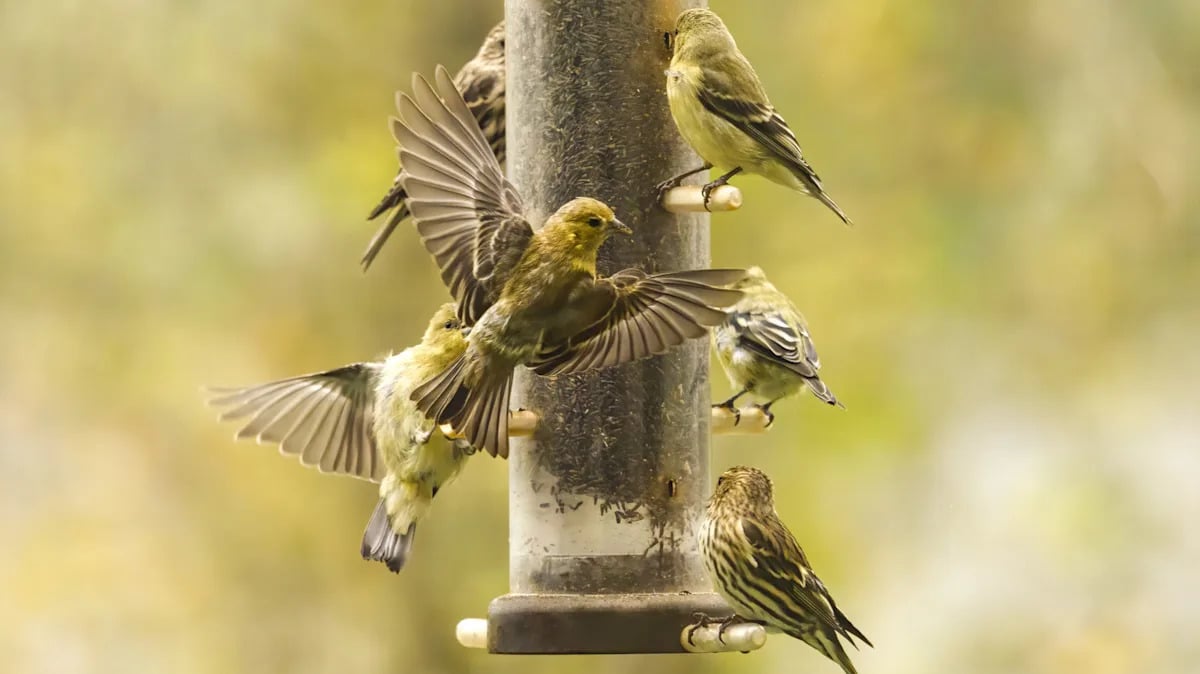
- Sunflower seeds attract finches, chickadees, and sparrows.
- Crushed peanuts are good for woodpeckers and nuthatches.
- Oats and millet appeal to juncos and doves.
Fruits For Fruit-eaters
Fruit-eating birds enjoy sweet kitchen scraps like apple slices and berries. These scraps offer vitamins and hydration.
| Fruit | Bird Species |
| Apple slices | Robins, orioles |
| Banana pieces | Mockingbirds, tanagers |
| Berries | Thrushes, waxwings |
Scraps For Ground Feeders
Ground feeders eat scraps dropped on the soil. Bread crumbs and cooked rice are popular choices. These scraps attract doves and sparrows.
- Crusts from bread attract pigeons and doves.
- Cooked rice draws sparrows and juncos.
- Chopped vegetables like carrots or peas appeal to jays.
Seasonal Tips For Bird Feeding
Using kitchen scraps to feed birds is a great way to help them all year. Different seasons need different types of scraps. Birds also change their habits with the weather.
Knowing what to offer and when can attract more birds to your yard. This guide shares simple tips for each season.
Spring And Summer Options
In spring and summer, many birds eat insects and fruits. Offer scraps that fit their diet during these warm months. Fresh fruit and vegetable peels work well.
Soft scraps attract birds that like juicy foods. Avoid scraps that spoil quickly in heat.
- Apple cores and peels
- Watermelon rinds
- Banana peels
- Cooked rice and pasta (plain)
- Vegetable scraps like cucumber or lettuce
Fall And Winter Scraps
In fall and winter, birds need more energy to stay warm. Offer scraps high in fat and protein. These help birds survive colder weather.
Many birds eat seeds and nuts in winter. You can add some kitchen scraps that match this need.
- Peanut shells (unsalted)
- Cooked beans and lentils
- Oatmeal and cooked grains
- Small amounts of cheese
- Leftover cooked meat bits (no seasoning)
Adjusting For Bird Behavior
Birds change what they eat based on weather and food supply. Watch which scraps they prefer. Offer more of those to keep them coming.
Keep feeding areas clean to avoid pests. Remove scraps that birds do not eat quickly. Change scraps with the season and bird activity.
- Offer fresh scraps daily
- Remove moldy or old scraps
- Place scraps where birds feel safe
- Use a mix of scraps to attract many species
- Observe bird visits to learn their favorites
Avoiding Common Feeding Mistakes
Feeding birds with kitchen scraps can be fun and helpful. It supports local wildlife and reduces waste. Still, some mistakes can harm birds or cause problems.
Learning what to avoid helps keep birds healthy. It also protects your yard from pests and waste buildup.
Overfeeding And Waste
Giving too much food leads to leftover scraps. This waste can attract unwanted animals. It also spoils quickly and may harm birds.
- Offer small amounts of food daily
- Remove uneaten food after a few hours
- Use feeders that limit access
- Keep feeding areas clean
Feeding Birds Harmful Foods
Not all kitchen scraps are safe for birds. Some can cause sickness or even death. Avoid feeding birds these foods.
| Food | Reason to Avoid |
| Onions and garlic | Can cause digestive problems |
| Salted or spicy foods | Harmful to bird health |
| Chocolate | Contains toxins |
| Raw dough | Expands in stomach, causing pain |
| Avocado | Toxic to many bird species |
Preventing Pests
Feeding birds can attract pests like rats and raccoons. These pests spread disease and damage property.
Tips to keep pests away:
- Feed birds in the morning to avoid leftovers at night
- Store kitchen scraps in sealed containers
- Clean feeding spots regularly
- Use feeders designed to deter pests

Credit: gratefulprayerthankfulheart.com
Frequently Asked Questions
What Kitchen Scraps Attract The Most Birds?
Fruit peels, bread crumbs, and vegetable scraps attract many birds. Avoid citrus peels and spoiled food. Fresh scraps provide nutrients and encourage frequent visits.
Can I Feed Birds Bread From My Kitchen?
Yes, but only in small amounts and as occasional treats. Avoid moldy or heavily processed bread. Opt for healthier scraps like seeds and fruit instead.
How Do I Prepare Kitchen Scraps For Birds Safely?
Cut scraps into small pieces to prevent choking. Remove any spoiled or moldy parts. Place food in clean, dry feeders or on bird-friendly ground areas.
Which Birds Are Attracted To Kitchen Scraps?
Common visitors include sparrows, robins, finches, and pigeons. Different scraps attract different species. Fruit scraps often bring fruit-eating birds, while seeds attract seed eaters.
Conclusion
Feeding birds with kitchen scraps is simple and rewarding. It invites colorful visitors to your garden. Choose safe scraps like seeds and fruits. Avoid processed foods, as they can harm birds. Keep your feeding area clean to prevent diseases. Place scraps in a visible spot.
Birds will find them quickly. Enjoy watching them flutter and chirp. This small effort supports local wildlife. It also reduces waste. You create a lively and sustainable garden space. So, start sharing those scraps today. Birds and nature will thank you.