Imagine turning your backyard into a peaceful retreat where colorful birds visit every day. You might think attracting birds takes a lot of effort, but adding a waterfall can change everything. Birds With Waterfall scenes are known to naturally draw birds closer.
The sound of flowing water catches their attention, making your outdoor space a favorite spot for feathered friends. If you want to enjoy the beauty and calming presence of birds, this guide will show you exactly how to use a waterfall to bring them closer to your home and create a true Birds With Waterfall environment.
Keep reading to discover simple tips that will transform your garden into a lively bird haven.
Choosing The Right Location
Placing your waterfall in the right spot helps attract more birds. Birds look for safe and comfortable places to visit, especially in peaceful Birds With Waterfall setups.
Think about sunlight, visibility, and safety when picking the location. These factors make your waterfall inviting for birds.
Sunlight And Shade Balance
Birds like spots with both sun and shade. Sunlight helps warm them, while shade offers cool rest areas.
Choose a place where your waterfall gets morning sun and afternoon shade. This mix keeps the area comfortable all day.
- Morning sun warms the water and birds
- Afternoon shade prevents overheating
- Shade helps keep water cool and fresh
Visibility And Accessibility
Birds prefer spots they can see well. Open areas help them watch for dangers while drinking or bathing.
Place the waterfall where birds can easily reach it. Avoid dense bushes or places with many obstacles.
- Open views help birds feel safe
- Easy access encourages frequent visits
- Avoid thick plants blocking entry paths
Safety From Predators
Birds avoid places where predators hide. Keep the area around your waterfall clear of tall bushes and dense cover.
Place the waterfall near trees or shrubs where birds can quickly escape if threatened.
- Clear surroundings reduce predator hiding spots
- Nearby trees offer quick escape routes
- Keep pets away from the bird area
Designing The Waterfall
A well-designed waterfall attracts birds by offering fresh water and a natural look. It gives birds a safe place to drink and bathe while enhancing the beauty of Birds With Waterfall surroundings.
Designing your waterfall with birds in mind helps make your garden lively and full of life.
Size And Flow Rate
The size of the waterfall should fit your space but also be big enough for birds. A small waterfall may be too quiet or dry.
The water flow rate should be gentle. Fast water can scare birds away. Slow, steady water sounds attract them.
- Small waterfalls suit small gardens
- Flow rate should be soft and steady
- A louder flow may keep birds away
Natural Materials
Use stones, rocks, and wood to make the waterfall look natural. Birds feel safer near natural materials.
Natural materials blend with plants and the environment. Avoid plastic or metal parts that look artificial.
- Use flat stones for water to flow over
- Choose colors that match your garden
- Add moss or small plants on rocks
Creating Multiple Levels
Multiple levels make your waterfall more interesting for birds. They can choose where to drink or bathe.
Levels create small pools and splashes. These help birds enjoy the water safely and comfortably.
- Build different heights for water to flow down
- Create shallow pools for small birds
- Use ledges for birds to perch on
Water Features That Appeal To Birds
Birds are attracted to water for drinking and bathing. Adding a waterfall creates a calm and refreshing space. Gardens featuring Birds With Waterfall often see increased bird activity throughout the day.
Shallow Pools For Bathing
Shallow pools are perfect for birds to bathe and drink. Keep the water depth less than two inches. This depth helps small birds splash and clean easily.
- Use flat stones or a shallow basin
- Change water daily to keep it fresh
- Place the pool near plants for cover
- Keep the area safe from predators
Gentle Water Sounds
Birds like the soft sound of water flowing. Gentle sounds attract them and mask noises from the environment. Avoid loud or strong water flows that may scare birds.
| Water Sound Type | Effect on Birds |
| Soft trickle | Inviting and calming |
| Light splash | Stimulates curiosity |
| Loud waterfall | Can scare birds away |
Dripping And Misting Effects
Dripping water and mist create attractive water sources. Birds enjoy drinking droplets and bathing in light mist. These effects keep water fresh and cool.
Tips for Dripping and Misting Features:
- Install drip emitters near bird feeders
- Use misting nozzles for cool, fine spray
- Keep water moving to prevent mosquitoes
- Place features where birds can perch safely
Plant Selection For Habitat
Choosing the right plants is key to creating a bird-friendly habitat near your waterfall. Plants provide shelter, food, and nesting places for birds.
Good plant choices help birds feel safe and meet their needs throughout the year.
When plants, shelter, and flowing water work together, Birds with Waterfall environments feel safer and more appealing to visiting bird species.
Native Plants for Shelter
Native plants offer the best shelter for local birds. They grow well in your area and protect birds from weather and predators.
These plants create natural hiding spots and resting places close to the waterfall.
- Grasses like Little Bluestem and Switchgrass
- Sedges and rushes for dense ground cover
- Native ferns and wildflowers for low shelter
Flowering Plants For Food
Flowering plants attract insects and produce seeds, offering food for many bird types. Birds visit these plants to eat nectar, seeds, and bugs.
Choose plants that bloom at different times to provide food year-round.
- Milkweed and Coneflowers for nectar and seeds
- Sunflowers and Black-eyed Susans for seeds
- Bee balm and Cardinal flower for hummingbirds
Trees And Shrubs For Nesting
Trees and shrubs give birds safe places to build nests. They also offer perches and protection from predators.
Use a mix of dense shrubs and tall trees to support different bird species.
- Dogwood and Serviceberry shrubs
- Oaks and Maples for strong branches
- Evergreens like Pine and Cedar for year-round cover
Providing Food Sources
Attracting birds to a waterfall area requires offering the right food. Birds need easy access to natural and supplemental foods to stay nearby.
Different birds prefer different foods, so providing variety helps bring more species to your waterfall.
Natural Food Near Waterfall
Waterfalls create moist environments that support plants and insects birds like to eat. Trees and shrubs near water offer berries, seeds, and insects.
- Berry-producing shrubs like elderberry and dogwood
- Seed plants such as sunflowers and native grasses
- Insects attracted to damp areas, including dragonflies and beetles
- Fallen fruit and nuts from surrounding trees
Supplemental Feeders
Adding feeders near the waterfall helps birds find food easily. Use feeders that suit the types of birds you want to attract.
| Feeder Type | Food Offered | Birds Attracted |
| Seed Feeder | Mixed seeds, sunflower seeds | Finches, chickadees, sparrows |
| Suet Feeder | Suet cakes with insects | Woodpeckers, nuthatches |
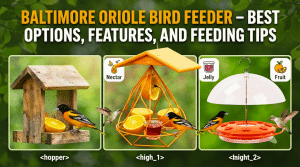
| Fruit Feeder | Fresh fruit pieces | Orioles, tanagers |
| Nectar Feeder | Sugar water | Hummingbirds, orioles |
Seasonal Food Considerations
Bird food needs change with the seasons. Plants and insects vary, so adjust your offerings to match bird needs all year.
- Spring: Provide high-protein foods like suet and insects for nesting birds
- Summer: Offer fresh fruits and plenty of water
- Fall: Supply seeds and nuts to help birds build fat stores
- Winter: Use high-energy foods like sunflower seeds and suet cakes

Credit: www.youtube.com
Maintaining Clean Water
Clean water is important to attract birds to your waterfall. Birds need fresh water for drinking and bathing, especially in a healthy Birds With Waterfall habitat.
Keeping the water clean helps prevent diseases and keeps birds safe.
Regular Cleaning Tips
Clean your waterfall and water basin often. Remove leaves, dirt, and debris that collect in the water.
Use a soft brush or cloth to scrub the surfaces. This stops buildup that can harm birds or block water flow.
- Empty the water basin regularly
- Scrub algae and dirt from surfaces
- Remove fallen leaves and twigs
- Check pumps and filters for clogs
Preventing Algae Growth
Algae can make water green and slippery. It can also stop birds from using the waterfall.
Keep the water moving to reduce algae growth. Sunlight helps algae grow, so shade parts of the waterfall if possible.
- Use water pumps to keep water flowing
- Place plants or shade to limit sunlight
- Remove algae manually if it appears
Safe Water Treatments
Use safe treatments to keep water clean without harming birds. Avoid strong chemicals that can be toxic.
Natural products like barley straw or beneficial bacteria help control algae and keep water healthy.
- Use bird-safe water clarifiers
- Try barley straw to reduce algae
- Add beneficial bacteria to break down waste
- Avoid bleach or harsh chemicals
Seasonal Adjustments
Changing seasons affect how birds use your waterfall. Adjust your setup to keep birds safe and comfortable all year.
Follow simple care tips for winter, summer, and migration times. These help attract more birds and keep them healthy.
Winter Care For Waterfall
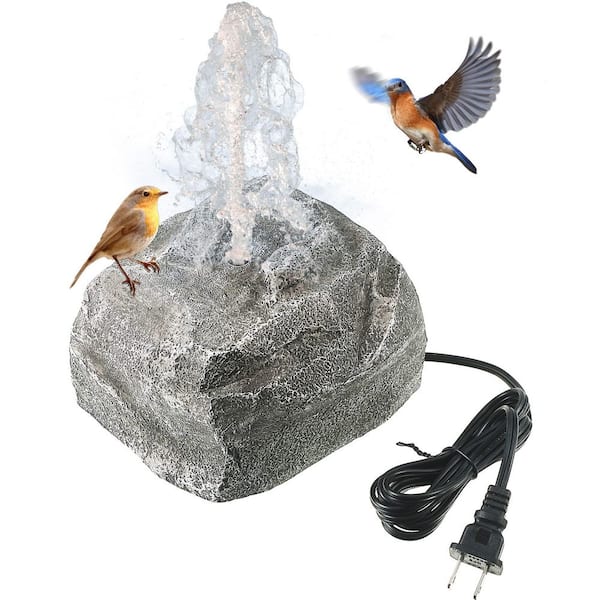
Cold weather can freeze water and stop the waterfall. Keep water moving to prevent ice buildup. Use a heater if needed to keep water flowing.
- Remove leaves and debris regularly to avoid blockages.
- Check pumps often to ensure they work in cold weather.
- Provide fresh water by breaking ice if it forms.
- Place rocks near the waterfall for birds to perch safely.
Summer Cooling Techniques
Summer heat can dry out water and scare birds away. Keep the water cool and fresh to attract birds during hot days.
| Cooling Method | Description |
| Shade Placement | Plant trees or use umbrellas to shade the waterfall area. |
| Water Circulation | Increase pump speed to keep water moving and cooler. |
| Spray Misting | Add a misting feature to lower air temperature around the waterfall. |
| Refill Water | Top up with fresh, cool water daily to replace evaporation. |
Attracting Migratory Birds
Migratory birds need safe resting spots. Adjust your waterfall area to welcome them during their travels.
- Keep water levels steady so birds can drink and bathe.
- Add native plants around the waterfall for food and shelter.
- Reduce noise and bright lights near the waterfall.
- Clean the area often to avoid pests and diseases.
Credit: www.homedepot.com
Monitoring And Enjoying Bird Activity
Observing daily movement around Birds with Waterfall setups help you understand bird behavior and enjoy a deeper connection with nature.
Watching birds near your waterfall is a relaxing experience. It helps you learn about the local bird life. You can enjoy the sounds and movements of many bird species.
To get the most from your birdwatching, use simple tools and keep track of what you see. This will increase your chances of seeing different birds regularly.
Using Bird Feeders And Baths
Bird feeders and baths attract birds to your waterfall area. Place feeders near the water to give birds easy access to food and water. Keep feeders clean to prevent disease.
- Choose feeders that suit local bird species
- Fill baths with fresh water daily
- Put feeders and baths in safe, visible spots
- Use different seed types to attract more birds
- Keep water moving gently to avoid mosquitoes
Recording Bird Species
Keep a notebook or app to write down the birds you see. Note the date, time, and behavior of each bird. This helps you learn patterns and identify species over time.
| Bird Species | Date Seen | Notes |
| American Robin | March 10 | Drinking from waterfall edge |
| Northern Cardinal | March 11 | Perched on feeder |
| Blue Jay | March 12 | Flying near bath |
| Mourning Dove | March 13 | Bathing in shallow water |
Encouraging Regular Visits
To keep birds coming back, create a safe and inviting place. Use plants for shelter and avoid loud noises. Regularly refill feeders and clean baths.
- Keep water fresh and flowing
- Plant native shrubs and flowers nearby
- Place feeders where birds feel safe
- Limit use of pesticides in your yard
- Observe quietly and avoid sudden movements

Credit: www.thewoodthrushshop.com
Frequently Asked Questions
How Does A Waterfall Attract Birds To My Garden?
A waterfall provides fresh, moving water that birds need for drinking and bathing. The sound attracts them by signaling safety. It also creates a natural habitat with humidity and insects, making your garden more inviting for various bird species.
What Waterfall Features Are Best For Bird Attraction?
Shallow basins and gentle water flow work best. These features allow birds to perch safely and bathe comfortably. Avoid strong currents that can scare birds. Adding rocks or ledges around the waterfall provides extra perching spots for visiting birds.
Can A Waterfall Improve Bird Diversity In My Yard?
Yes, waterfalls increase bird diversity by offering water and shelter. They attract different species that prefer aquatic environments or humid areas. Providing water year-round supports birds through seasonal changes, encouraging a wider variety of birds to visit your yard.
How Often Should I Maintain My Bird-attracting Waterfall?
Maintenance is key to keeping water clean and safe. Clean your waterfall weekly to prevent algae and debris buildup. Regular checks ensure pumps and filters work correctly, keeping the water fresh and inviting for birds.
Conclusion
Creating a waterfall in your garden attracts more birds. It offers them fresh water to drink and bathe. Birds find the sound of flowing water calming. This natural setup becomes their favorite spot. With Birds With Waterfall, your garden turns into a peaceful refuge filled with life, beauty, and daily joy.
Many homeowners prefer Birds With Waterfall designs because they blend natural beauty with wildlife attraction. A calm garden featuring Birds With Waterfall often becomes a daily resting place for local bird species. By maintaining clean water and plants, Birds With Waterfall setups continue to attract birds year-round.