Unlock the Secrets: How to Attract Different Types of Birds
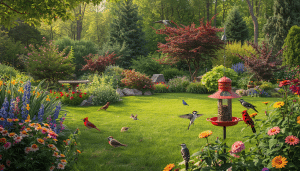
Do you want to fill your garden with the cheerful songs and vibrant colors of many different birds? Attracting a variety of birds isn’t just about putting out food—it’s about understanding what each type of bird loves. This guide on How to Attract Different Types of Birds will help you get started.
Whether you’re hoping to see colorful finches, curious woodpeckers, or graceful hummingbirds, this guide will help you create a space that draws them all in. Keep reading, and you’ll discover simple, effective ways to invite nature’s feathered friends right to your backyard.
Your birdwatching experience is about to get a lot more exciting!
Credit: www.allaboutbirds.org
By following the tips in this guide, you’ll learn effective strategies on How to Attract Different Types of Birds to your backyard.
Choosing The Right Bird Feeders
Choosing the right bird feeders helps attract different types of birds. Each bird species prefers a certain feeder style and food.
Using the right feeder makes birds feel safe and comfortable. It also keeps the food fresh and clean.
Feeders For Seed-eating Birds
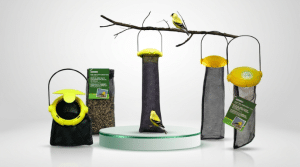
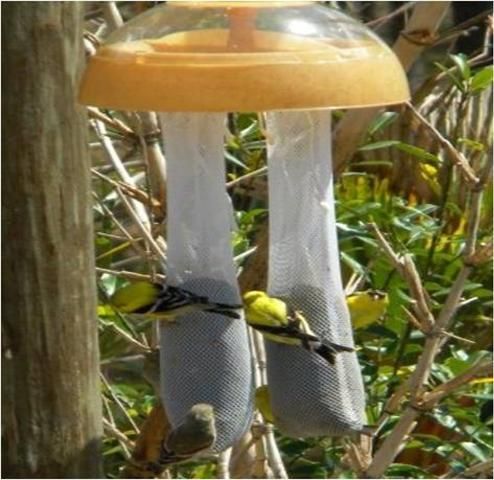
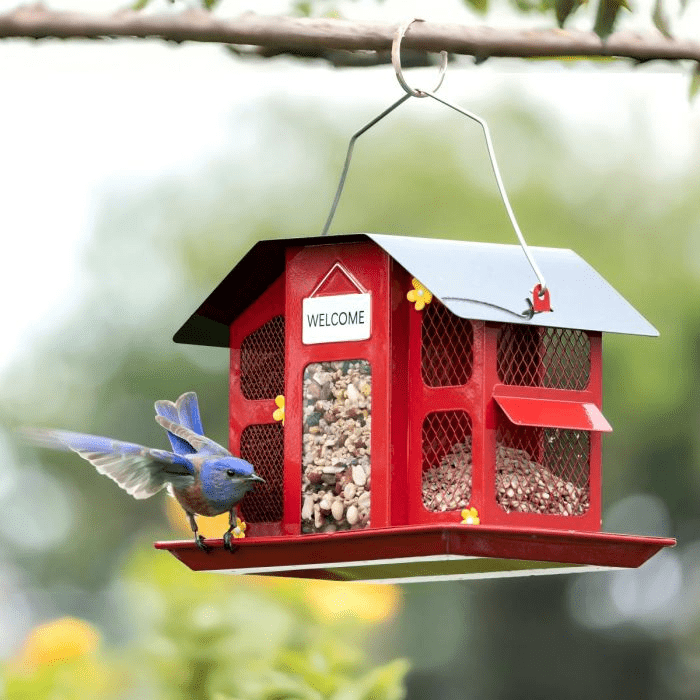
Seed-eating birds like finches, sparrows, and chickadees enjoy feeders that hold seeds. Tube feeders and hopper feeders work well.
Choose feeders with small ports to prevent seed waste. Clear plastic feeders let you see when to refill.
- Tube feeders with small holes for sunflower seeds
- Hopper feeders with a tray for mixed seeds
- Platform feeders for larger seed varieties
Feeders For Nectar Lovers
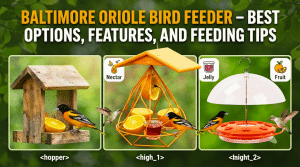
Nectar feeders attract hummingbirds and orioles. These birds need feeders that hold liquid nectar and are easy to clean.
Use feeders with red parts to catch their attention. Make sure the feeder has small feeding ports to keep nectar fresh.
- Hummingbird feeders with red bases and multiple feeding holes
- Oriole feeders with larger ports and perches
- Feeders that are easy to take apart for cleaning
Feeders For Insect-feeding Birds
Insect-feeding birds like woodpeckers and wrens prefer suet feeders. These feeders hold fat mixed with insects or seeds.
Choose cage-style suet feeders to keep the food secure. Place them near trees or shrubs where birds can perch.
- Cage suet feeders to hold blocks of suet
- Mesh feeders for peanut pieces or mealworms
- Feeders that hang from branches or poles
Credit: edis.ifas.ufl.edu
Selecting Bird Food
Choosing the right food helps attract many types of birds to your yard. Different birds like different foods. Knowing what to offer makes your bird feeding more successful.
Bird food can come in many forms. Seeds, fruit, nectar, and insects all serve as good options. Each type appeals to certain bird species.
Popular Seeds for Various Birds
Seeds are the most common bird food. Many birds enjoy sunflower, millet, and safflower seeds. Pick seeds based on the birds you want to attract.
- Black-oil sunflower seeds attract cardinals and chickadees.
- Millet is preferred by sparrows and juncos.
- Safflower seeds are liked by grosbeaks and doves.
- Nyjer seeds bring finches and siskins.
Using Fruit and Nectar
Some birds eat fruit and nectar instead of seeds. Orioles, tanagers, and hummingbirds enjoy sweet foods. Offer fresh fruit or sugar water in a feeder.
| Bird Type | Favorite Fruit | Nectar Preference |
| Oriole | Orange slices | Sugar water |
| Hummingbird | Not common | Sugar water |
| Robin | Blueberries | None |
| Waxwing | Grapes | None |
Insects And Suet Options
Some birds prefer insects and suet. Woodpeckers, nuthatches, and wrens need high-protein food. Suet blocks or live mealworms work well.
- Suet blocks attract woodpeckers and chickadees.
- Live mealworms are good for bluebirds and wrens.
- Crickets and other insects help insect-eating birds stay healthy.
Creating Bird-friendly Habitats
Birds need safe places to live and find food. Creating a bird-friendly habitat helps many types of birds visit your yard.
Simple changes like planting native plants and adding water can attract different birds. These steps support birds all year long.
Planting Native Trees and Shrubs
Native trees and shrubs provide food and shelter for local birds. They offer berries, seeds, and places to hide from predators.
Choose plants that grow naturally in your area. This helps birds find familiar food and safe homes.
- Oak trees attract acorn-eating birds
- Berry-producing shrubs feed fruit-loving birds
- Evergreens offer year-round cover
Providing Water Sources
Birds need fresh water for drinking and bathing. A clean water source draws many bird species to your yard.
Use birdbaths, shallow dishes, or small ponds. Keep water fresh and change it often to prevent mosquitoes.
- Shallow water is safer for small birds
- Moving water like drippers attracts more birds
- Place water near plants for shelter
Offering Shelter and Nesting Sites
Birds need safe spots to rest and build nests. Providing shelter helps protect them from weather and predators.
Use birdhouses, brush piles, or dense shrubs. Different birds prefer different types of shelters and nesting spots.
- Install birdhouses for cavity-nesting birds
- Leave dead trees for natural nesting sites
- Plant thick shrubs for cover and hiding places
Credit: www.kingsyard.com
Attracting Specific Bird Species
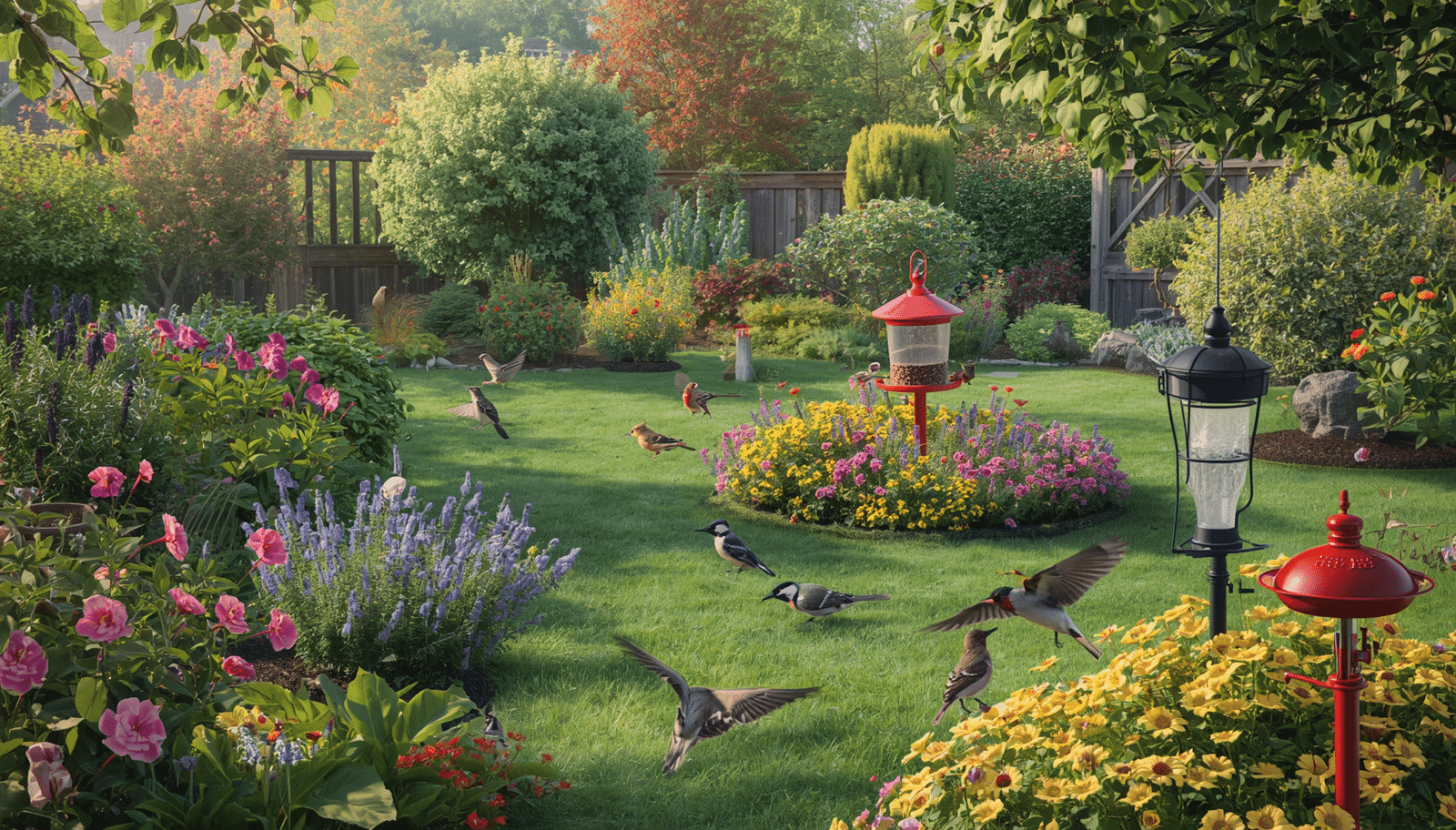
Birdwatching is more fun when you attract different types of birds. Each bird species has unique needs. Knowing these helps create a welcoming space in your yard.
This guide shows easy ways to attract songbirds, hummingbirds, raptors, and owls. Use the right food, plants, and shelter to invite these birds.
Attracting Songbirds
Songbirds like sparrows, finches, and robins enjoy a safe place with plenty of food. They need seeds, water, and trees or bushes for shelter and nesting.
- Plant native trees and shrubs for shelter and berries.
- Offer a variety of seeds like sunflower and millet.
- Provide fresh water in birdbaths or shallow dishes.
- Avoid using pesticides to keep insects available for food.
- Place feeders near shrubs to help birds hide from predators.
Welcoming Hummingbirds
Hummingbirds are attracted to bright flowers and sweet nectar. They need feeders with sugar water and plants that bloom often.
| Flower Type | Color | Bloom Season |
| Trumpet Vine | Red | Summer |
| Bee Balm | Pink/Red | Summer |
| Salvia | Blue/Red | Late Spring to Fall |
Use feeders filled with four parts waters to one part sugar. Clean feeders weekly to prevent mold. Hang feeders in sunny spots away from strong winds.
Drawing Raptors and Owls
Raptors and owls hunt small animals and need tall trees or poles for perching. They prefer quiet areas with open spaces nearby.
- Install tall nest boxes designed for owls or hawks.
- Keep your yard free of clutter to make hunting easy.
- Plant large trees to offer safe resting spots.
- Limit night lighting to help owls hunt.
- Allow natural prey like rodents and insects to thrive.
Seasonal Tips for Bird Watching
Bird watching changes with the seasons. Each season brings different birds and needs.
Knowing how to attract birds in spring, summer, fall, and winter helps you enjoy more bird visits.
Spring And Summer Strategies
Spring and summer bring many nesting birds. They need food and shelter to raise young ones.
- Provide fresh water for drinking and bathing.
- Offer insects and protein-rich foods like mealworms.
- Plant native flowering shrubs for shelter and food.
- Put up birdhouses and nesting boxes early in spring.
- Keep feeders clean to prevent disease.
Fall Feeding Techniques
In fall, many birds prepare to migrate or store food for winter. Feeding helps them gain energy.
| Food Type | Birds Attracted |
| Sunflower seeds | Finches, Chickadees |
| Peanuts | Woodpeckers, Jays |
| Suet | Nuthatches, Warblers |
| Fruits (apples, berries) | Thrushes, Waxwings |
Winter Bird Care
Winter is hard for birds. Cold and snow cover food sources. Offer extra help to keep birds safe.
- Keep feeders full of high-energy seeds.
- Use feeders with covers to protect food from snow.
- Provide fresh water by using heated birdbaths.
- Leave some leaf litter for insects and shelter.
- Place feeders near shrubs or trees for shelter.
Avoiding Common Bird Feeding Mistakes
Feeding birds is a great way to enjoy nature. But many people make simple mistakes. These mistakes can harm the birds or keep them away.
This guide explains how to avoid common errors. You will learn how to keep feeders clean, stop predators, and pick safe spots.
Keeping Feeders Clean
Dirty feeders spread diseases among birds. Clean feeders keep birds healthy and coming back to your yard.
- Wash feeders every two weeks with hot, soapy water.
- Use a brush to remove old seeds and droppings.
- Rinse well to remove soap residue before refilling.
- Dry feeders completely to prevent mold growth.
Preventing Predators
Predators like cats or hawks can scare away or harm birds. Protect your feeding area to keep birds safe.
| Predator | How to Prevent |
| Domestic Cats | Place feeders away from bushes or low places where cats hide. |
| Hawks | Use feeders with cover or near tall trees for quick escape. |
| Squirrels | Use squirrel-proof feeders or baffles to block access. |
Choosing Safe Feeding Locations
Where you put your feeder effects bird visits and safety. Pick locations that attract birds and keep them safe from harm.
Good places for feeders include:
- Near shrubs or trees for shelter
- Away from busy walkways and roads
- In shaded spots to protect food from heat
Check the area regularly for hazards like window reflections or chemicals.
Frequently Asked Questions
What Types of Bird Feeders Attract Different Birds?
Different birds prefer specific feeders: tube feeders suit finches, platform feeders attract doves, and suet feeders draw woodpeckers. Using a variety helps attract diverse species effectively.
How To Choose Bird Food for Various Bird Species?
Select seeds based on bird preferences: sunflower seeds for cardinals, nyjer for finches, and peanuts for jays. Fresh, high-quality food increases bird visits and supports their health.
Which Plants Attract More Birds to Your Garden?
Native flowering plants and berry-producing shrubs attract birds by providing food and shelter. Incorporate diverse plant types to encourage different bird species to visit your yard.
How Does Water Availability Affect Bird Attraction?
Birds need fresh water for drinking and bathing. Providing a clean birdbath or small water feature encourages more birds to visit your outdoor space regularly.
Conclusion
Bird watching can be a rewarding hobby. Birds add color and song to your garden. Plant native flowers. They attract more birds. Keep water sources clean and fresh. This invites thirsty visitors. Use bird feeders suited for different birds. Make your garden a bird-friendly space.
Reduce pesticides. Let nature thrive. Be patient. Birds will come. Watch and enjoy their beauty. Remember, every bird species has unique needs. Cater to them. Your efforts will bring diverse feathered friends. Enjoy the harmony they bring. Happy bird watching!