
How to Attract Quail 2026 Guide Tips & Tricks
If you want to see quail visiting your yard or garden, you’re in the right place. Attracting these small, beautiful birds isn’t as hard as you might think.
With a few simple steps, you can create a welcoming space that draws quail in and keeps them coming back. Imagine the joy of watching these lively birds up close, hearing their soft calls, and enjoying their natural beauty every day.
Keep reading to discover easy and effective ways to make your outdoor space irresistible to quail.
Credit: www.gardeningknowhow.com
Choosing The Right Quail Species
Attracting quail to your backyard starts with picking the right species. Different quail types suit different environments and needs.
Knowing which quail will thrive in your area helps you create a safe and welcoming space for them.
Popular Quail Varieties For Backyards
Some quail species are better for backyard habitats than others. Here are a few popular choices:
- Bobwhite Quail – Known for their distinctive call and adaptability.
- California Quail – Recognized by their plume and social nature.
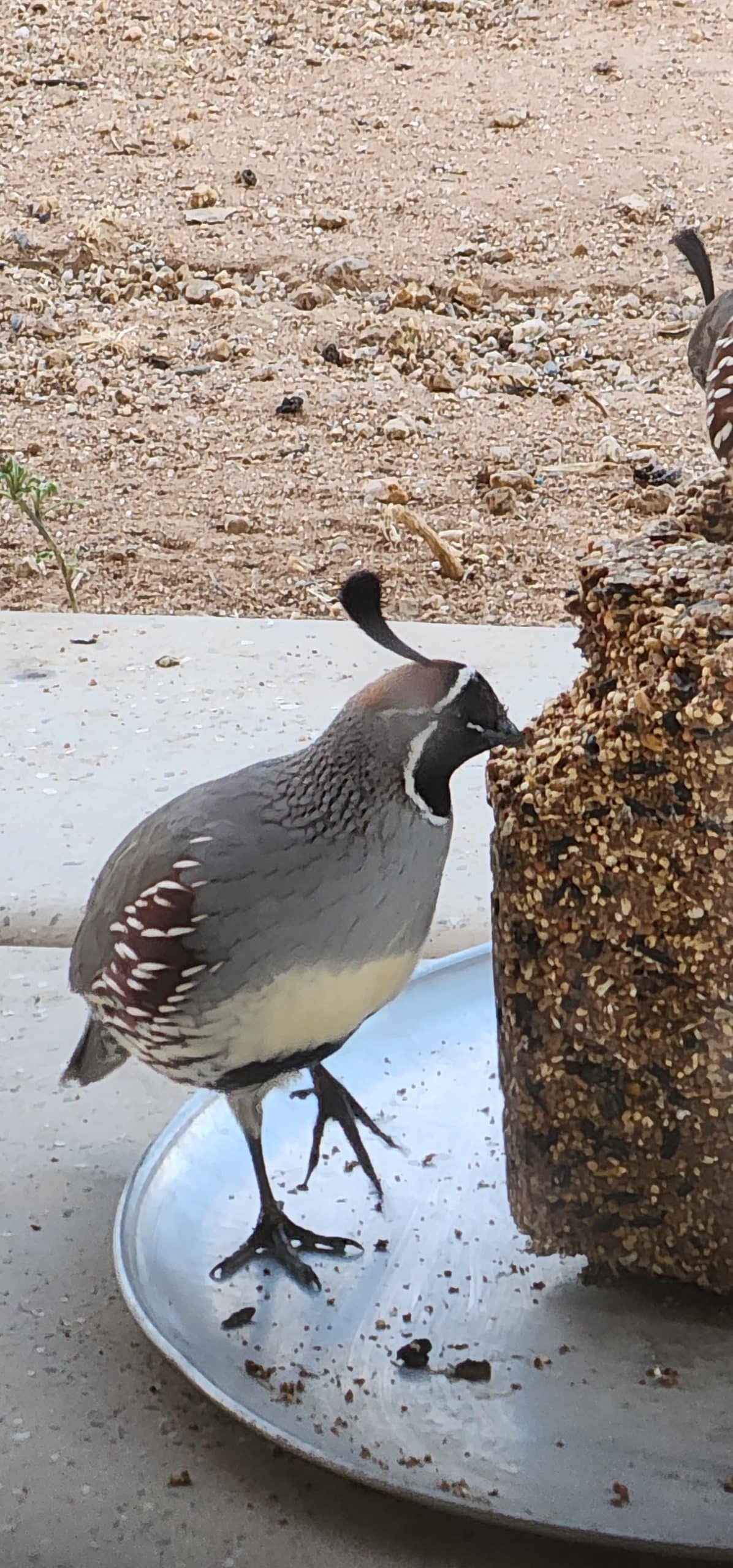
- Gambel’s Quail – Common in desert areas with a unique topknot.
- Japanese Quail – Small, easy to care for, often kept for eggs.
- Mountain Quail – Prefers cooler, forested areas with dense cover.
Climate And Habitat Compatibility
Choosing quail that match your climate and habitat is key to their survival. Each species has specific needs.
| Quail Species | Climate | Preferred Habitat |
| Bobwhite Quail | Temperate to warm | Grasslands, open woodlands |
| California Quail | Mild, Mediterranean | Shrubby areas, foothills |
| Gambel’s Quail | Arid, desert | Desert scrub, rocky slopes |
| Japanese Quail | Temperate | Grasslands, farmlands |
| Mountain Quail | Cool, mountainous | Coniferous forests, thick brush |

Credit: www.reddit.com
Creating A Safe Environment
Attracting quail to your yard or garden starts with making them feel safe. A secure place helps quail live, feed, and raise their young without fear.
Focusing on protection from predators and good shelter will encourage quail to visit and stay near your home.
Predator Protection Techniques
Quail face many threats from predators like cats, raccoons, and hawks. Protect them by reducing risks around your property.
- Install low fencing to keep out larger animals but allow quail to pass.
- Keep pet cats indoors or supervised outdoors.
- Remove brush piles that hide predators.
- Use motion-activated lights to scare away night hunters.
- Clear tall grass near feeding areas to spot danger early.
Shelter And Nesting Areas
Quail need safe places to rest and lay eggs. Good shelter provides cover from weather and predators.
| Shelter Type | Description | Best Location |
| Brush Piles | Stacked twigs and branches for hiding spots. | Near feeding areas but away from open spaces. |
| Native Grasses | Tall grasses for cover and nesting material. | Edges of gardens or fields. |
| Artificial Nest Boxes | Small covered boxes to protect eggs. | Shaded, quiet spots with low human traffic. |
Providing Food And Water
Quail need good food and fresh water to stay healthy. Feeding them right helps attract them to your yard.
Water is just as important as food. You must provide clean water sources near their feeding areas.
Best Food Options For Quail
Quail eat seeds, grains, and insects. Offering a variety of foods will attract more quail to your space.
- Millet: a favorite small seed for quail
- Sorghum grain: easy to find and nutritious
- Cracked corn: good for energy, but feed in small amounts
- Mealworms: provide protein especially in breeding season
- Sunflower seeds: shelled and unsalted
- Fresh greens: like clover or chickweed
Setting Up Water Sources
Quail need shallow, clean water for drinking. Place water sources where quail feel safe and sheltered.
| Water Source | Details |
| Shallow dish | 1 inch deep to prevent drowning |
| Birdbath | Wide base and clean water daily |
| Drip system | Provides fresh water without puddles |
| Natural puddles | Encourage by allowing rainwater to collect |
Landscaping For Quail Attraction
Creating a welcoming space for quail starts with smart landscaping. You can help quail find food and shelter by choosing the right plants and design.
Good landscaping gives quail places to hide from predators and spots to search for food safely.
Plant Choices That Encourage Quail
Selecting plants that provide seeds, berries, and cover draws quail to your yard. Native plants often work best because quail are used to them.
- Grasses like little bluestem and switchgrass offer seeds and hiding spots.
- Berry-producing shrubs such as sumac and beautyberry provide food in fall and winter.
- Wildflowers like coneflowers attract insects that quail eat.
- Low-growing plants create safe ground cover for nesting.
Designing Cover And Foraging Spots
Quail need places to hide and open areas to find food. Design your landscape with both in mind.
| Feature | Purpose for Quail | Examples |
| Dense Cover | Protection from predators | Thick brush piles, thorny shrubs |
| Open Foraging Area | Space to search for seeds and insects | Short grass patches, cleared ground |
| Water Source | Drinking and bathing | Shallow birdbaths, small ponds |
| Nesting Sites | Safe places to lay eggs | Grass clumps, low shrubs |
Maintaining A Quail-friendly Habitat
Creating and maintaining a habitat that attracts quail is important for their safety and comfort. A well-kept area helps quail find food, shelter, and nesting spots.
Regular care of the habitat keeps it inviting and supports the quail population over time.
Regular Habitat Upkeep
Keep the habitat clean by removing debris and dead plants. This helps prevent pests and keeps the area safe for quail.
Trim tall grasses and bushes lightly to maintain cover without blocking movement. Healthy plants provide food and shelter.
- Remove trash and fallen branches often
- Cut back overgrown plants carefully
- Plant native grasses and shrubs
- Keep water sources clean and fresh
Monitoring Quail Activity
Watch for signs of quail like tracks, feathers, or droppings. This shows if they are using the habitat.
Check the area at different times of day to see when quail visit. This helps you understand their habits.
- Look for scratch marks in the soil
- Note where quail feed or rest
- Record changes in quail numbers
- Adjust habitat care based on observations
Using Calls And Decoys
Attracting quail requires patience and the right tools. Calls and decoys help bring quail closer.
Using calls mimics quail sounds to grab their attention. Decoys create a safe and inviting space.
Effective Quail Call Techniques
Quail respond well to soft, short calls. Keep your calls natural and steady to avoid scaring them.
Practice different calls like the bobwhite whistle or soft clucks. Use pauses between calls to sound real.
- Use a gentle whistle to mimic a bobwhite quail
- Repeat calls with short breaks
- Match the call volume to the environment
- Avoid loud or harsh sounds
- Observe quail reaction and adjust calls
Decoy Placement Tips
Place decoys in clear, open areas where quail like to feed or rest. This helps attract real birds nearby.
Arrange decoys in natural groups. Keep some standing and some sitting to look more real.
- Set decoys near brush or grass edges
- Use 3 to 5 decoys in a loose group
- Place decoys about 10 to 15 yards apart
- Keep decoys visible but not too close to you
- Move decoys occasionally to keep the scene lively

Credit: www.reddit.com
Frequently Asked Questions
What Food Attracts Quail To Your Backyard?
Quail are attracted to seeds like millet, cracked corn, and sunflower seeds. Providing fresh water and natural vegetation also helps. Scatter food near brushy areas for safety and comfort.
How Do I Create A Quail-friendly Habitat?
Plant native grasses, shrubs, and ground cover for shelter. Avoid pesticides and provide water sources. Dense, low vegetation offers protection from predators and harsh weather.
When Is The Best Time To Attract Quail?
Spring and early summer are ideal for attracting quail. During this time, they search for food and nesting spots. Consistent feeding and habitat maintenance increase your chances.
Can Birdhouses Help Attract Quail?
Quail prefer natural cover over birdhouses. Instead, provide brush piles or dense shrubs for nesting. Offering safe, natural shelter encourages quail to stay in your yard.
Conclusion
Attracting quail to your garden can be simple and rewarding. By providing food, water, and shelter, you create a welcoming habitat. Plant native shrubs and grasses for them to hide and nest. Use bird feeders with seeds they love. A shallow water dish meets their hydration needs.
Keep your garden quiet and peaceful. Quail appreciate a calm environment. With these steps, you invite these charming birds to visit. Enjoy watching them thrive in their new habitat. Your efforts bring nature closer, right to your backyard. Happy bird watching!


