How Birds Lay Eggs: Fascinating Facts You Need to Know
Have you ever wondered how birds lay eggs? It’s a fascinating process that happens inside the bird’s body, yet the result is something you can easily spot in nests or even your backyard. Understanding How Birds Lay Eggs can change the way you see these winged travelers.
Understanding this natural wonder can change the way you see birds and their incredible abilities. You’ll discover the simple steps behind egg formation, why birds lay eggs the way they do, and some surprising facts that will make you look at birds with new eyes. Keep reading—you’re about to uncover secrets that few people know!
Bird Egg Formation
Birds create eggs inside their bodies before laying them. The process takes place mainly in two parts: the ovary and the oviduct. Understanding bird egg formation helps us learn about bird reproduction. Each egg starts as a yolk in the ovary. It then moves through the oviduct, where layers build up around it. The egg is ready to be laid once all parts are complete.
Ovary And Oviduct Roles
The ovary produces the yolk, which is the egg's food source. The yolk grows until it is mature enough to be released. After release, it enters the bird ovary and oviduct system to continue its journey. The oviduct is a long tube where the egg gains its white, membranes, and shell. Each part forms in a specific section of the oviduct as the egg travels through.
-
The infundibulum captures the yolk.
-
The magnum adds the egg white (albumen).
-
The isthmus forms shell membranes.
-
The uterus deposits the hard shell.
-
The vagina helps lay the egg.
Stages Of Egg Development
Egg development has clear stages. Each stage builds layers to protect and nourish the future chick. Identifying the different bird egg development stages allows researchers to understand the health of the parent bird.
-
Yolk growth in the ovary.
-
Fertilization if sperm is present.
-
Adding of egg white in the magnum.
-
Formation of membranes in the isthmus.
-
Shell creation in the uterus.
-
Egg laying through the vagina.
Eggshell Composition
Eggshells protect eggs from harm and keep the inside safe. They are mostly made of calcium carbonate.
| Component | Function |
| Calcium carbonate | Provides hardness |
| Protein matrix | Gives structure and strength |
| Pores | Allow air and moisture exchange |
| Cuticle | Protects against bacteria |
Nesting Behaviors
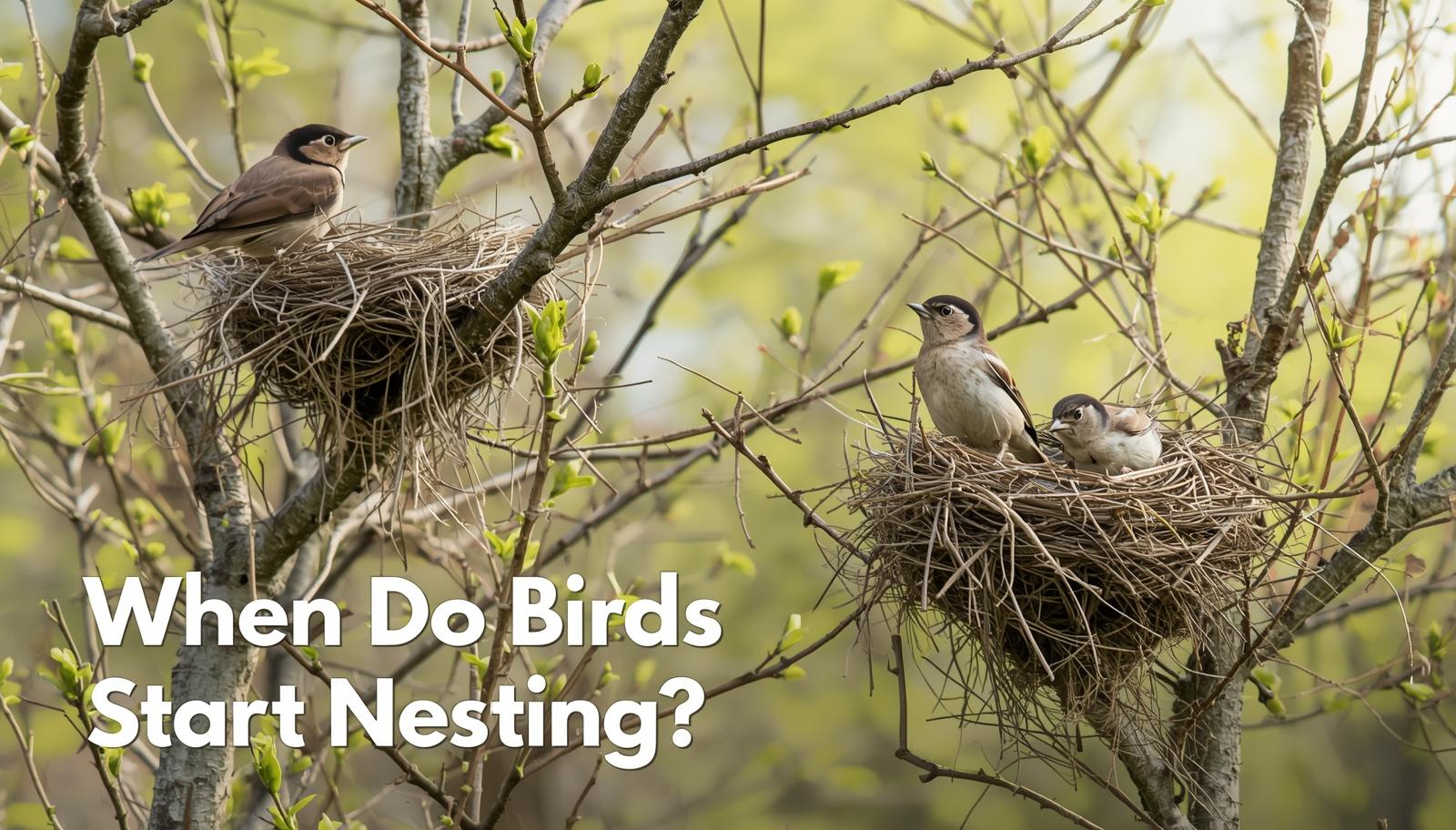
Birds build nests to lay their eggs safely. Nesting helps protect eggs from weather and predators. Different birds use different ways to build nests. Nest building in birds is often a complex task that requires specific materials and high energy. They choose places carefully to keep eggs safe.
Nest Construction Techniques
Birds use many materials to make nests. Twigs, leaves, mud, and feathers are common choices.
Some birds weave twigs tightly. Others pile soft materials inside for warmth and comfort.
- Weaving twigs for strong nests
- Lining nests with soft feathers
- Using mud to hold materials together
- Building cup-shaped or dome-shaped nests
Choosing The Right Location
Birds pick safe spots to build nests. They look for places that hide eggs well.
Common locations include tree branches, bushes, and cliffs. Some birds nest on the ground.
- High branches to avoid predators
- Dense bushes for camouflage
- Cliffs for protection from animals
- Ground nests hidden by grass
Egg Protection Strategies
Birds protect eggs by building strong nests and choosing hidden sites. Some stay close to guard eggs.
Parents may cover eggs with leaves or feathers to keep them warm. Some birds use distraction to scare predators.
- Strong nests keep eggs safe
- Hiding nests prevents discovery
- Covering eggs keeps warmth
- Parents watch nests closely
Egg Laying Process
Birds lay eggs as part of their reproduction cycle. The process starts inside the bird’s body and ends when the egg is laid. Each bird species has unique ways of How Birds Lay Eggs throughout the season. The process involves many steps and changes in the bird's body.
Timing And Frequency
Birds lay eggs at different times depending on the species. Some birds lay eggs once a year, while others lay several times.
The time of day can also affect when birds lay eggs. Many birds lay eggs in the morning to give the egg the best chance to develop.
- Most birds lay one egg per day until the clutch is complete
- Clutch size varies from one-to-many eggs
- Frequency depends on environmental conditions and health
Physical Challenges for Birds
Laying eggs is hard work for birds. They need strong muscles to push the egg out of their body.
Birds also need enough calcium to build strong eggshells. This can be hard if food is scarce.
- Egg size can make laying difficult
- Energy is needed for making the egg and laying it
- Birds rest after laying to recover strength
Role Of Hormones
Hormones control the egg laying process in birds. They signal when it is time to start making eggs.
Hormones also help the bird’s body prepare the egg and the nest for the new chick.
- Estrogen helps form the eggshell
- Progesterone triggers egg release
- Luteinizing hormone starts the egg development
Credit: www.allaboutbirds.org
Egg Characteristics
Bird eggs come in many shapes, sizes, and colors. These features help protect the developing baby inside.
Egg characteristics also match the bird’s environment and lifestyle. This helps birds survive and raise chicks.
Size And Shape Variations
Eggs vary from tiny to very large. Small birds lay small eggs, and big birds lay big eggs.
Egg shapes include round, oval, and pointed. Cliff-nesting birds often have pointed eggs to stop rolling.
- Small eggs are easy to carry and keep warm
- Oval eggs fit better in nests
- Pointed eggs prevent falling from cliffs
Color And Patterns
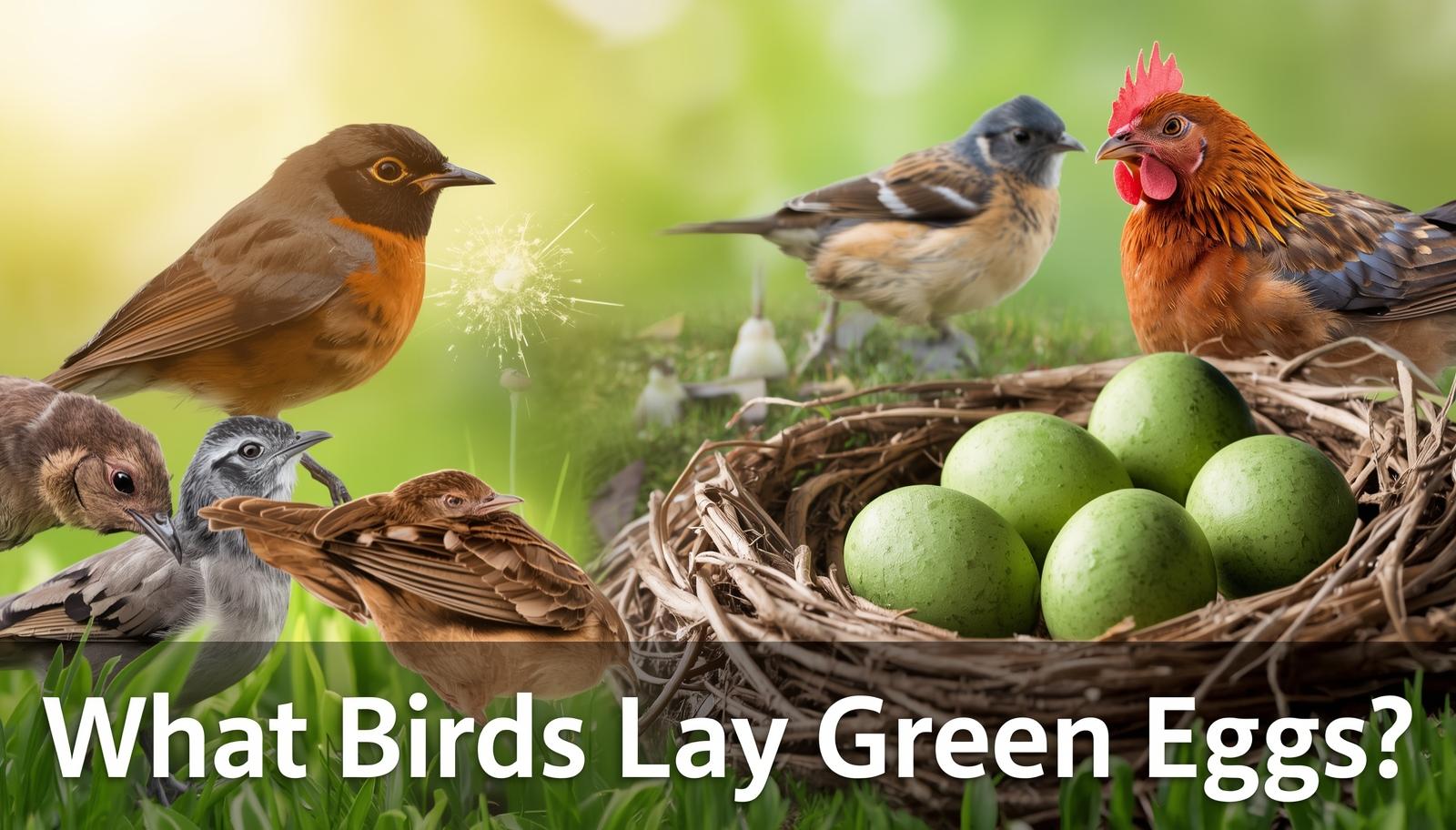
Egg colors range from white to blue, green, and brown. Patterns include spots, speckles, and blotches. Understanding bird egg formation explains how these pigments are applied in the final stages. Colors and patterns help hide eggs from predators. Some eggs blend with the nest or surroundings.
-
Camouflage colors protect eggs from predators
-
Bright colors may warn birds to stay away
-
Spot patterns break the egg’s outline
Adaptations To Environment
Bird eggs adapt to different environments. This helps eggs survive heat, cold, or wet conditions.
For example, desert birds have thick shells to keep water in. Arctic birds lay eggs with more insulation.
- Thick shells prevent water loss in dry places
- Insulated eggs keep babies warm in cold areas
- Nest placement also protects eggs from weather
Parental Care After Laying
Birds show strong care after laying their eggs. They protect and nurture their young until they can survive alone.
Parental care includes keeping eggs warm, feeding hatchlings, and guarding them from danger.
Incubation Methods
Birds use their bodies to keep eggs warm. Most sit on the eggs to keep a steady heat. Some birds take turns to incubate.
- Sitting on eggs to provide warmth
- Turning eggs to help development
- Keeping the nest clean and dry
- Adjusting position to control temperature
Feeding The Hatchlings
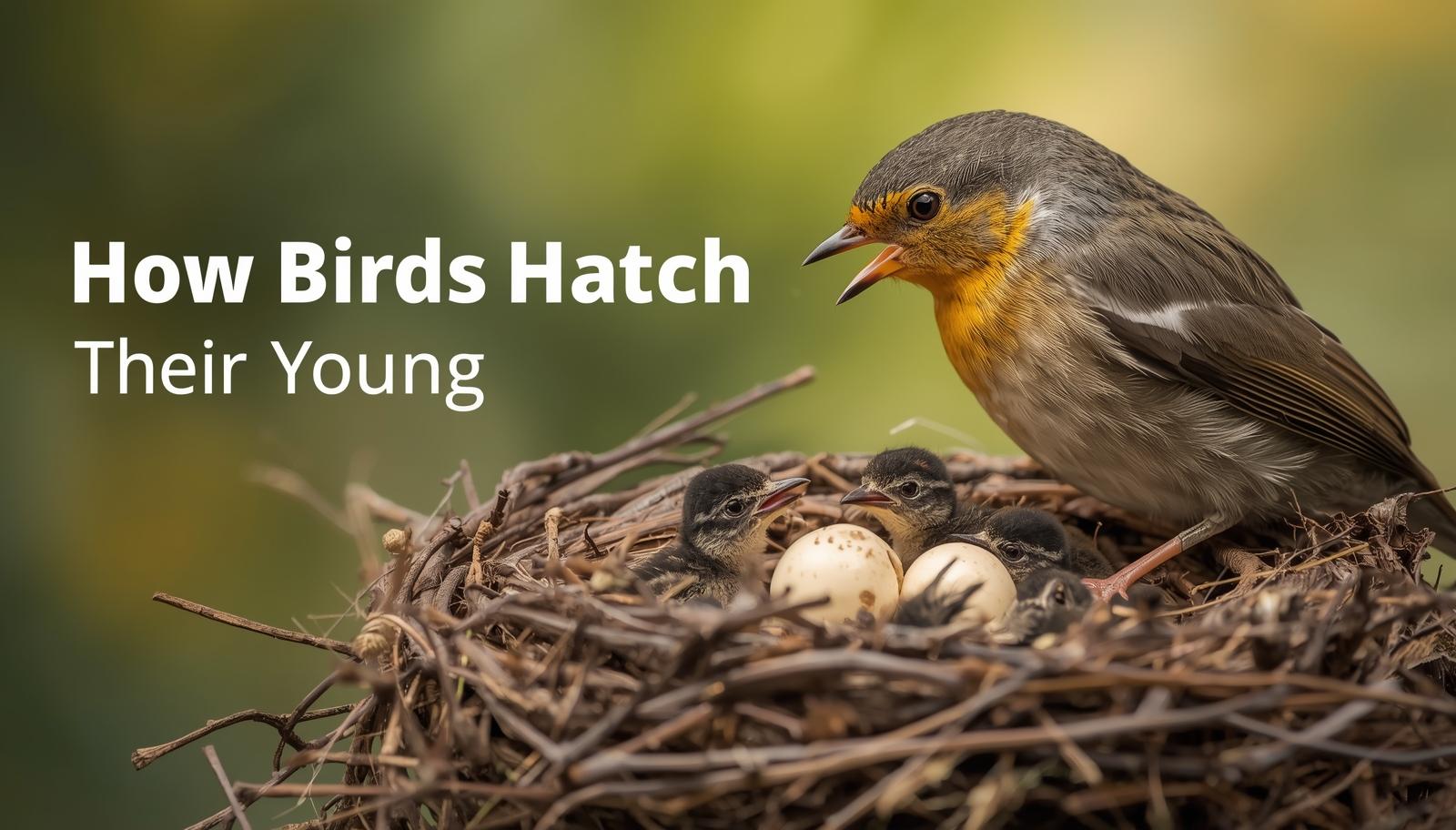
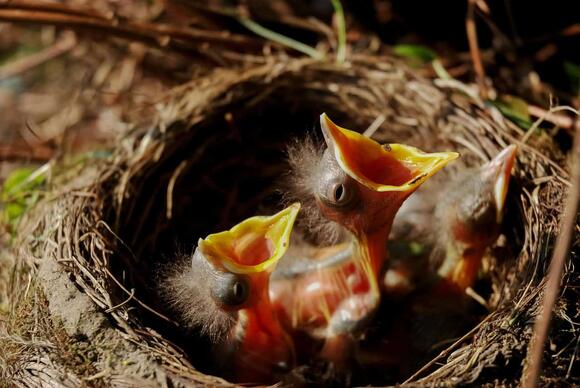
After hatching, parents feed their young with soft food. They bring insects, worms, or regurgitated food to the nest.
| Food Type | Description |
| Insects | Easy to digest and rich in protein |
| Worms | Soft and nutritious for growing chicks |
| Regurgitated Food | Partly digested food from parents |
Protecting The Young
Parents guard their young from predators and bad weather. They use calls and actions to warn and scare threats.
- Alarm calls to alert the nest
- Hiding chicks under wings
- Chasing away predators
- Building nests in hidden locations

Credit: swibirds.org
Unique Egg-laying Species
Birds show many ways to lay eggs. Some species have very special habits and egg types. These differences help birds survive in their homes.
We will explore some unique egg-laying traits. These include birds that lay eggs in other nests, flightless birds’ eggs, and strange egg shapes.
Brood Parasitism Examples
Some birds do not build nests for their eggs. Instead, they lay eggs in other birds’ nests. This is called brood parasitism. The host birds raise the young as their own.
- The common cuckoo lays eggs in other songbirds’ nests.
- Brown-headed cowbirds place eggs in nests of many species.
- Honeyguides trick other birds to raise their chicks.
Flightless Birds’ Eggs
Flightless birds have large eggs. Their eggs are often bigger than flying birds’. These eggs need to be strong to protect the chick.
| Bird Species | Egg Size (cm) | Egg Color |
|---|---|---|
| Ostrich | 15 | Ivory White |
| Emu | 13 | Dark Green |
| Kiwis | 12 | White |
Unusual Egg Shapes
Bird eggs come in many shapes. Some eggs are not round or oval. The shape helps eggs stay safe and secure in nests.
Here are some unusual egg shapes and their birds:
- Pointed eggs of murres help keep them from rolling off cliffs.
- Flat eggs of sandgrouse fit tightly in sandy nests.
- Asymmetric eggs of some owls fit well in tree holes.
Credit: www.newsbreak.com
Frequently Asked Questions
How Do Birds Develop Eggs Inside Their Bodies?
Birds develop eggs in their ovaries where yolks form first. The egg white and shell layers build around the yolk in the oviduct. This process takes about 24 hours before the bird lays the egg.
What Triggers Birds to Lay Eggs Seasonally?
Daylight length changes trigger hormonal shifts in birds. These hormones stimulate egg production during breeding seasons. Warmer temperatures and food availability also influence when birds lay eggs.
How Long Does It Take for a Bird to Lay an Egg?
Most birds take about one day to form and lay an egg. The process includes yolk development, adding albumen, membranes, and the shell. Some species may vary slightly but generally follow this timeline.
Do All Birds Build Nests Before Laying Eggs?
Most bird species build nests to protect their eggs and young. Nests provide safety, warmth, and support during incubation. However, some birds lay eggs on bare ground or in tree cavities without building nests.
Conclusion
Birds laying eggs is a fascinating process. Each species has unique methods. These methods ensure the survival of their young. Understanding these processes enriches our knowledge of nature. Observing birds can teach us much about life. Their dedication to nurturing eggs is inspiring.
It reminds us of the circle of life. The variety in egg shapes and colors is amazing. Such diversity highlights nature’s creativity. By appreciating birds, we connect with the natural world. This understanding fosters respect and protection for wildlife. Let’s continue to learn and cherish these winged wonders.