Have you ever wanted to bring more life and color to your backyard? Building a bird house is a simple and fun way to invite beautiful birds right to your doorstep.
Imagine watching tiny feathers flutter and hearing cheerful chirps just outside your window. In this guide, you’ll discover easy steps to create a safe and cozy home for birds. Whether you’re a beginner or looking for a new project, this article will give you clear instructions and helpful tips.
By the end, you’ll have your very own bird house ready to welcome new feathered friends. Ready to get started? Let’s dive in!

Credit: m.youtube.com
Choosing The Right Materials
Building a bird house starts with picking the right materials. These materials affect how safe and comfy the bird house will be.
Choosing good wood, tools, and finishes helps create a long-lasting home for birds.
Best Wood Types
Wood is the main material for bird houses. It should be strong and safe for birds. Cedar and pine are popular choices. Cedar lasts long and resists rot. Pine is easy to work with and affordable.
- Cedar: Durable and rot-resistant
- Pine: Easy to cut and affordable
- Redwood: Natural resistance to decay
- Fir: Strong and widely available
Necessary Tools
Having the right tools makes building easier and safer. You need tools to cut, join, and smooth the wood.
- Measuring tape to get exact sizes
- Saw to cut wood pieces
- Hammer and nails or screwdriver and screws
- Sandpaper to smooth rough edges
- Drill for making entrance holes
Safe Paints And Finishes
Use paints and finishes that do not harm birds. Avoid paints with strong chemicals. Water-based, non-toxic paints are best. They protect wood and keep birds safe.
| Finish Type | Details |
| Water-based paint | Non-toxic and safe for birds |
| Natural oil | Protects wood without chemicals |
| Exterior-grade primer | Use under paint for durability |
| Avoid | Spray paints and oil-based finishes |
Designing Your Bird House
Building a bird house is a fun project. The design matters a lot to attract birds. Good design keeps birds safe and comfortable.
This guide covers the right size, entry hole, ventilation, and drainage for your bird house.
Optimal Size And Shape
Choose a size that fits the bird species you want to attract. The house should be roomy but not too big. A small bird house helps keep warmth inside.
- Height: 8 to 12 inches
- Width: 6 to 8 inches
- Depth: 6 to 8 inches
- Sloped roof to keep rain out
- Flat bottom for easy cleaning
Entry Hole Dimensions
The size of the entry hole controls which birds can enter. Make the hole just large enough for your target birds. Too big invites predators.
| Bird Species | Hole Diameter (inches) |
| Wrens | 1 to 1.25 |
| Chickadees | 1.125 |
| Nuthatches | 1.25 |
| Bluebirds | 1.5 |
| Tree Swallows | 1.5 |
Ventilation And Drainage
Good airflow and water drainage keep the bird house dry and cool. Add small holes near the top for air. Drill holes in the floor to drain rainwater.
- Vent holes: 1/4 inch diameter, near roof edges
- Drain holes: 4 to 6 small holes in the floor
- Use untreated wood to avoid toxins
Step-by-step Construction
Building a bird house is a fun and simple project. You can make a safe home for birds using basic tools and wood.
Follow these steps to cut, assemble, and finish your bird house. Each part is important for a sturdy and comfortable home.
Cutting And Preparing Wood
Start by choosing smooth, untreated wood like cedar or pine. Avoid pressure-treated wood because it can harm birds.
Cut the wood into pieces for the walls, floor, and roof. Sand all edges to remove splinters and rough spots.
- Cut one back piece (about 10 inches tall by 6 inches wide)
- Cut one front piece with a hole for the entrance
- Cut two side pieces (about 8 inches tall by 5 inches wide)
- Cut one floor piece (about 5×5 inches)
- Cut two roof pieces to fit over the top
Assembling The Pieces
Put the walls together first. Use nails or screws to join the back, front, and side pieces.
Make sure the edges line up well. The front piece should have an entrance hole about 1.5 inches wide and 6 inches above the floor.
- Attach the back piece to both side pieces
- Attach the front piece to the sides and back
- Check that the box is square and sturdy
Adding The Roof And Floor
Fix the floor inside the bottom edges of the walls. It should fit snugly and support bird weight.
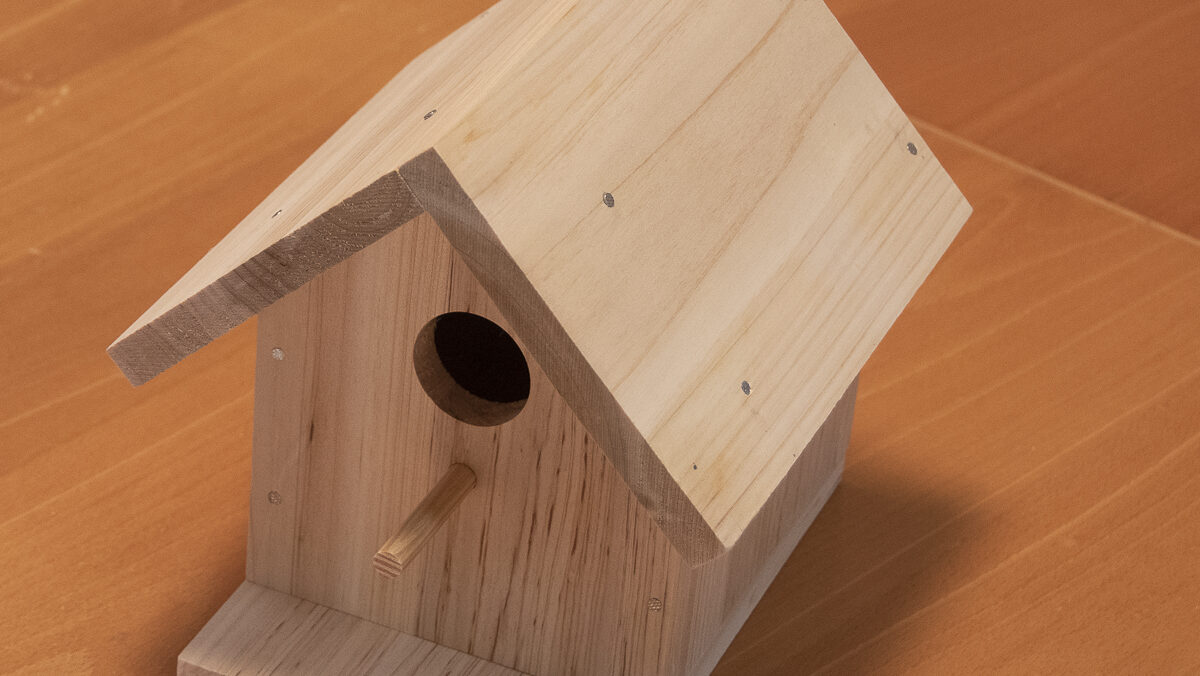
Attach the roof pieces on top with a slight overlap. This keeps rain out and protects the house.
- Screw or nail the floor piece inside the box bottom
- Attach the first roof piece to the back top edge
- Place the second roof piece overlapping the first
- Leave a small gap for ventilation under the roof
Credit: bringbinoculars.com
Finishing Touches
Finishing touches make your bird house safe and attractive. These details help birds feel welcome.
Pay close attention to sanding, adding perches, and predator guards. These steps improve your bird house.
Sanding And Painting
Sanding smooths rough edges and surfaces. It prevents splinters that can hurt birds.
Use fine-grit sandpaper for the best finish. Sand all inside and outside areas carefully.
Choose paint that is safe for birds. Use water-based, non-toxic paint or natural wood stains.
- Sand all rough spots well
- Use fine-grit sandpaper
- Pick non-toxic, water-based paint
- Paint only the outside to protect wood
Installing Perches
Perches give birds a place to land and rest. Add them near the entrance hole.
Use small wooden dowels or sticks as perches. Make sure they are strong and smooth.
- Place perch 1-2 inches below the entrance
- Use smooth wood to avoid injury
- Secure the perch firmly to the house
- Keep the perch size suitable for small birds
Adding Predator Guards
Predator guards protect birds from cats and other animals. They keep the nest safe.
Use metal plates or wire mesh around the entrance. Make sure guards do not block the opening.
- Attach a metal plate around the entrance hole
- Use wire mesh below the bird house
- Check guards for sharp edges
- Ensure guards do not trap birds
Placing The Bird House Outdoors
Choosing the right spot outdoors is key for your bird house. Birds need safety and comfort to build nests.
Consider where to put the bird house so birds can easily find it. Avoid crowded or noisy places.
Ideal Location Tips
Pick a spot with some shade and protection from wind. Trees or shrubs nearby work well. The house should face away from strong winds.
- Place bird house 5 to 10 feet above the ground
- Avoid areas near busy streets or loud noises
- Keep the entrance hole away from direct sunlight
- Leave open space in front for easy bird flight
Mounting Techniques
Secure the bird house firmly to prevent movement. Use materials that do not harm the tree or structure.
| Mount Type | Advantages | Disadvantages |
|---|---|---|
| Post Mount | Stable and easy to place | Needs predator guard |
| Tree Mount | Natural look, shaded | Can damage tree if nailed |
| Wall Mount | Easy access for cleaning | Less natural for birds |
Use screws or brackets to avoid nails in trees. Add a predator guard if needed to keep birds safe.
Seasonal Considerations
Place the bird house before the breeding season starts. Clean it out after each season to prevent parasites.
- Set up bird house in early spring or late winter
- Check and repair any damage after winter
- Remove old nesting material yearly
- Move house slightly if pests become a problem
Credit: www.amazon.com
Maintaining Your Bird House
Keeping your bird house clean and in good shape helps birds stay safe. Regular care makes it a perfect home for birds each season.
Check your bird house often. This keeps it ready for new guests and protects birds from harm.
Cleaning Schedule
Clean your bird house at least once a year. The best time is after birds leave for the season. Remove old nests and dirt to prevent disease.
- Wear gloves to protect your hands.
- Use a brush to scrub the inside walls.
- Rinse with water and let it dry fully.
- Do not use harsh chemicals that harm birds.
Repairing Damage
Fix cracks or holes to keep the bird house safe. Small damage lets rain or predators inside. Use wood filler or sandpaper for smooth surfaces.
- Check the roof for leaks or loose parts.
- Tighten any screws or nails that are loose.
- Replace broken or missing panels as needed.
- Paint with bird-safe paint if the surface peels.
Monitoring Occupants
Watch which birds use the house. This helps you learn about bird habits and keep the house ready.
| Bird Species | Signs to Watch | Care Tips |
| Bluebirds | Fresh nesting material, eggs | Keep house clean after season |
| Sparrows | Messy nests, droppings | Clean more often to avoid pests |
| Wrens | Multiple nests, active birds | Check for damage regularly |
Frequently Asked Questions
What Materials Are Best For Building A Birdhouse?
Use untreated wood like cedar or pine for durability and safety. Avoid metal or plastic, which can overheat. Ensure the wood is smooth to prevent bird injuries. These materials offer good insulation and protect birds from harsh weather.
How Do I Choose The Right Birdhouse Size?
Match the birdhouse size to the bird species you want to attract. Small birds need smaller houses with entrance holes around 1 to 1. 5 inches. Larger birds require bigger houses with bigger entrance holes. Proper sizing ensures birds feel safe and comfortable.
Where Should I Place My Birdhouse For Best Results?
Place the birdhouse 5 to 10 feet above the ground in a quiet, sheltered spot. Avoid areas with heavy foot traffic or predators. Face the entrance away from prevailing winds. This placement keeps birds safe and encourages nesting.
How Do I Maintain A Birdhouse After Building It?
Clean the birdhouse annually after nesting season to prevent parasites. Remove old nesting materials and debris. Check for damage and repair cracks or loose parts. Proper maintenance keeps the birdhouse safe and inviting for new birds.
Conclusion
Building a birdhouse can be a fun, rewarding activity. It brings nature closer to your home. Birds find shelter, and you gain a new hobby. Gather your materials and follow the steps for success. Remember to choose a safe spot for the birdhouse.
Avoid areas with predators. Paint or decorate to add personal touches. Enjoy watching the birds visit and make it their home. Your efforts provide a safe haven for them. Soon, you’ll see the beauty of nature right in your backyard.
Happy birdwatching!