How to care for bird with broken wing? If you’ve ever found an injured bird, you probably felt unsure about what to do next. You want to help, but you also worry about making things worse. The truth is, caring for a bird with a broken wing is delicate, but the right steps can make all the difference.
In this guide, you’ll learn safe and simple tips on how to care for a bird with broken wing at home until you can get professional help. By following these steps, you’ll give the bird the best chance to recover and eventually fly again.
Keep reading—you might become the reason a little life survives.
Recognizing A Broken Wing
Birds can break their wings from accidents or attacks. It is important to spot a broken wing quickly. Early care helps the bird heal better.
Knowing the signs of a wing injury helps you act fast. You can give the bird proper help or take it to a vet.
Signs Of Wing Injury
A bird with a broken wing may show clear signs. Watch for these to know if the wing is hurt.
- The bird holds its wing away from the body or droops it
- Swelling or bruising on the wing
- The bird avoids using the injured wing
- Visible deformity or bent wing bones
- The bird cries out or acts painful when touched
- Feathers around the wing may be ruffled or missing
If the bird tries to fly but falls or struggles, it may have a broken wing.
Common Causes Of Broken Wings
Birds break wings for many reasons. Knowing the cause can help prevent future injuries.
- Collisions with windows, cars, or walls
- Attacks by other animals or birds
- Getting caught in fences or wires
- Falls from nests or high places
- Accidents during flight or landing
- Human handling that is too rough
Being aware of these causes helps you keep birds safe in your area.
Initial Care And Safety
Taking care of a bird with a broken wing needs careful attention. You must act calmly and quickly to keep the bird safe.
Knowing how to handle the bird and create a safe space helps the bird stay calm and avoid more injury.
Handling The Injured Bird
Hold the bird gently to avoid pain or stress. Use a soft cloth or towel to cover the bird. This helps keep it calm and stops it from flapping its wings.
Support the bird’s body and injured wing carefully. Do not try to fix the wing yourself. If the bird struggles, stop and try again gently later.
- Wear gloves to protect yourself and the bird
- Use a soft cloth to wrap the bird
- Keep the bird’s head covered to reduce stress
- Support the injured wing without forcing it
- Keep movements slow and calm
Creating A Safe Environment
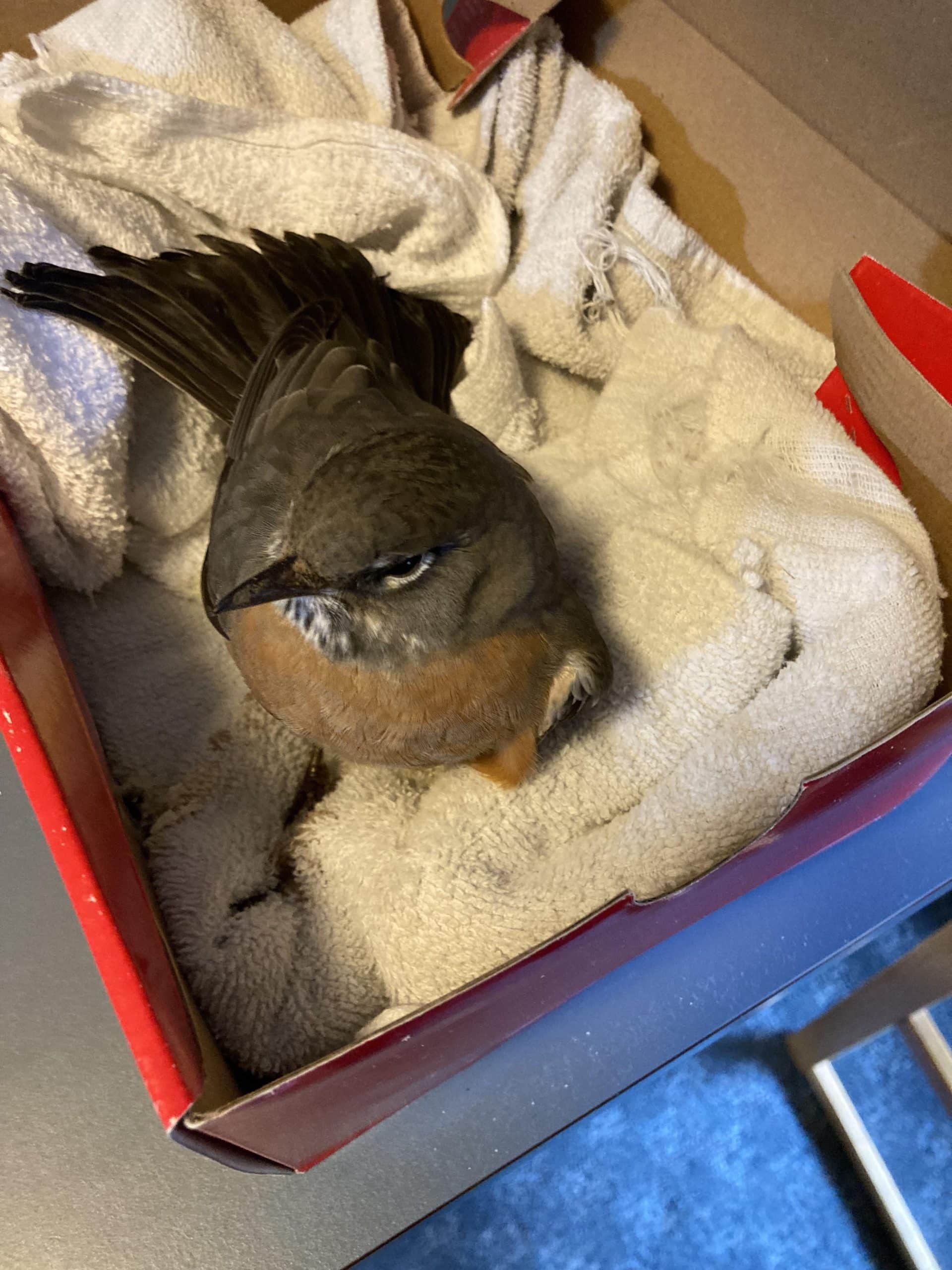
Place the bird in a quiet, warm, and dark space. This helps the bird stay calm and rest. Avoid loud noises and bright lights.
Use a small box or cage with soft bedding. Make sure the space is secure to stop the bird from escaping or hurting itself more.
- Line the box with soft cloth or paper towels
- Keep the box in a warm room away from pets and children
- Check that the box is well-ventilated but draft-free
- Place food and water close but not inside the box
- Keep the area quiet and dark for rest
Stabilizing The Wing
Caring for a bird with a broken wing needs careful action. Stabilizing the wing helps reduce pain and stops further damage.
You must keep the wing still until a vet can give proper treatment. This guide explains how to do it safely.
Immobilizing Techniques
To immobilize the bird’s wing, gently hold the wing close to the body. Avoid forcing or twisting the wing.
Use soft materials to wrap the wing and keep it from moving. This helps prevent more injury during handling.
- Hold the bird calmly to avoid stress
- Place the wing against the bird’s body
- Wrap gently with soft cloth or gauze
- Secure without tight pressure to allow breathing
Materials Needed For Support
You need a few simple items to support the broken wing properly. These materials help keep the wing still and safe.
- Soft cloth or gauze for wrapping
- Small splints or sticks to support the wing
- Medical tape or bandage to hold materials in place
- Scissors to cut tape and cloth
- Gloves to protect yourself and the bird
Using these materials carefully can help stabilize the wing until professional help arrives.
Feeding And Hydration
Caring for a bird with a broken wing means giving it the right food and water. Proper feeding and hydration help the bird heal faster.
Birds need balanced nutrition and fresh water to stay strong during recovery. Watch what and how much they eat and drink.
Providing Proper Nutrition
Give the bird food that is easy to eat and rich in nutrients. Soft foods reduce stress on the injured wing.
Include seeds, fruits, and vegetables that the bird normally eats. This helps keep its energy up and supports healing.
- Offer soaked seeds or pellets to soften them
- Provide small pieces of fresh fruits like apple or berries
- Include leafy greens such as spinach or kale
- Avoid hard or large food that needs much effort to eat
Ensuring Adequate Water Intake
Keep fresh water available at all times. Hydration is very important for recovery and overall health.
Change the water daily and check that the bird can reach the container easily. Use shallow dishes to prevent accidents.
- Use a shallow bowl or plate for water
- Place water close to the bird’s resting area
- Replace water every day to keep it clean
- Watch the bird drink to ensure it stays hydrated
Seeking Professional Help
When you find a bird with a broken wing, getting expert help is very important. Birds need special care to heal properly.
Trying to fix the wing yourself can cause more harm. A vet or wildlife expert knows how to treat the injury safely.
When To Contact A Vet
Contact a vet if the bird shows signs of injury like bleeding or swelling. A broken wing needs quick attention to avoid pain and infection.
If the bird cannot fly or is weak, it needs professional care. The vet can give pain relief and set the wing correctly.
- Bleeding or open wounds
- Swollen or misshapen wing
- Bird cannot fly or move the wing
- Bird is weak or unresponsive
Wildlife Rehabilitation Resources
Wildlife rehabilitators are trained to care for injured wild birds. They have the right tools and knowledge to help the bird heal.
They can also release the bird back into the wild when it is healthy. Contact local wildlife centers or animal rescue groups for help.
- Local wildlife rehabilitation centers
- Animal rescue organizations
- Wildlife hotlines or government agencies
- Veterinarians with wildlife experience
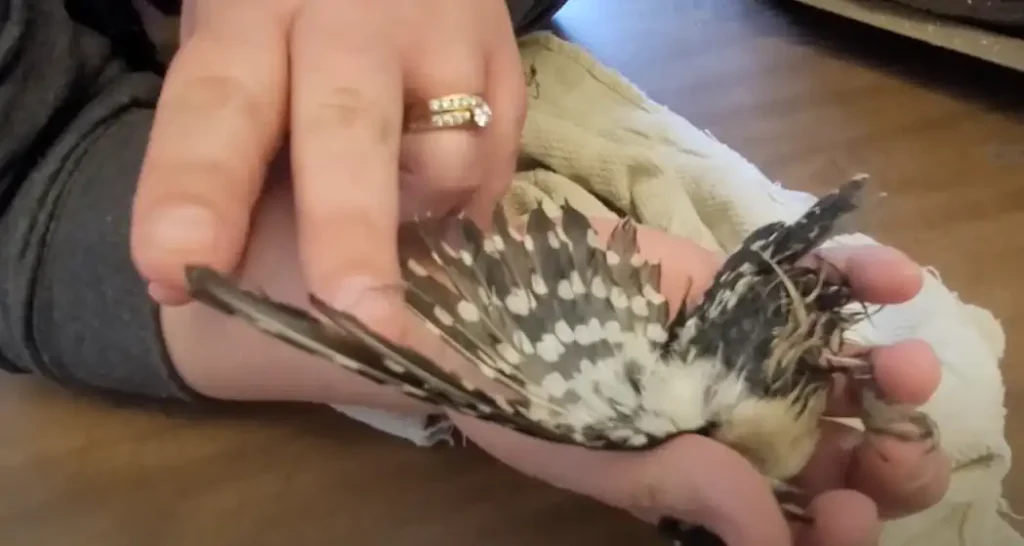
Credit: www.earthofbirds.com
Long-term Recovery
Caring for a bird with a broken wing takes time and patience. Long-term recovery is important for the bird’s full healing.
Proper care helps the bird regain strength and use of its wing again.
Monitoring Healing Progress
Check the bird’s wing every day for swelling or pain. Watch if the bird moves the wing more each day.
Look for signs of infection like redness or bad smell. Keep track of the bird’s eating and sleeping habits.
- Note changes in wing movement
- Watch for swelling or redness
- Observe appetite and energy levels
- Keep a daily healing journal
Rehabilitation Exercises
Start gentle exercises once the wing begins to heal. These help the bird regain strength and flexibility.
Use short sessions to avoid stress. Increase activity as the bird gets stronger.
- Encourage light wing flapping
- Help the bird stretch its wings gently
- Provide space for short flights in a safe area
- Use toys to motivate movement
Preventing Future Injuries
Birds with broken wings need careful care to heal properly. Preventing new injuries helps them stay safe and healthy.
Creating a safe space and avoiding dangers reduces the risk of more accidents for your bird.
Safe Housing Tips
Keep your bird in a quiet, calm area to avoid stress. Use a cage that is large enough but secure to stop the bird from hurting itself.
Remove sharp edges and dangerous objects inside the cage. Soft bedding can cushion falls and protect the bird’s wings.
- Use a cage with no sharp or rough parts
- Provide soft materials like towels or foam for bedding
- Keep the cage away from loud noises and busy areas
- Make sure the cage bars are close enough to prevent wing slips
- Place perches low to avoid falls
Environmental Precautions
Watch the bird closely when it is outside the cage. Remove things that can cause injury like fans, open windows, or pets.
Keep the room temperature steady and free from drafts. Avoid using toxic cleaning products near your bird’s space.
- Keep fans and heaters away from the bird
- Close windows and doors to prevent escapes or falls
- Do not allow other pets near the bird unsupervised
- Use bird-safe cleaning supplies in the area
- Keep cords and small objects out of reach

Credit: www.youtube.com

Credit: www.pigeons.biz
Frequently Asked Questions
How Can I Tell If A Bird Has A Broken Wing?
Signs of a broken wing include swelling, bruising, inability to fly, and holding the wing awkwardly. The bird may also show pain or distress when touched.
What Should I Do Immediately For A Bird With A Broken Wing?
Gently capture the bird using a soft cloth. Keep it calm and warm. Avoid moving the wing. Contact a wildlife rehabilitator or vet promptly.
Can I Treat A Bird’s Broken Wing At Home?
Home treatment is risky. Proper care requires professional assessment and splinting. Attempting treatment without expertise can worsen the injury or stress the bird.
How Long Does It Take For A Bird’s Wing To Heal?
Healing time varies but usually takes 4 to 6 weeks. The bird needs rest and minimal movement for full recovery.
Conclusion
Caring for a bird with a broken wing requires patience. Ensure its environment is safe and calm. Provide food and water close by. Gently handle the bird to avoid stress. Seek advice from a vet for proper treatment. A splint might be needed to aid healing.
Regularly check its progress and adjust care as needed. Be patient. Healing takes time. Your efforts will help the bird recover. Remember, compassion makes a big difference. Stay observant and responsive to the bird’s needs. Helping a bird heal can be a rewarding experience.
You’re playing a vital role in its recovery.