Choosing a bird as a pet can be an exciting yet challenging decision. You might be wondering which feathered friend will fit perfectly into your life.
With so many colorful options, it’s easy to feel overwhelmed. But don’t worry, this guide will help you make the right choice. Imagine waking up to the cheerful chirps of your new companion, a bird that matches not only your lifestyle but also your personality.
You’ll discover the joy of sharing your home with a creature that can bring endless entertainment and companionship. Ready to find out how to choose the perfect bird for you? Let’s dive in and explore the possibilities together.

Credit: www.reddit.com
Factors To Consider
Choosing a bird as a pet needs careful thought. Birds have different needs and traits.
Think about your home, time, and what type of bird fits your lifestyle. This helps you pick the right bird.
Living Space And Environment
Birds need space to move and fly. Some birds need large cages or rooms.
Consider where you will keep the bird. Make sure the area is safe and quiet.
- Small birds like finches need less space
- Large parrots need bigger cages or rooms
- Keep the cage away from drafts and loud areas
- Provide natural light but avoid direct sun all day
Time Commitment
Birds need daily care and attention. Some birds require more time than others.
Think about how much time you have to feed, clean, and interact with your bird every day.
- Small birds need less daily interaction
- Parrots and larger birds need several hours of attention
- Regular cleaning of cages is necessary
- Training and socializing take extra time
Noise Levels
Birds can be noisy pets. Some species are louder and more vocal than others.
Consider your home environment and neighbors before choosing a noisy bird.
- Canaries and finches are generally quiet
- Parrots and cockatoos can be very loud
- Think about noise tolerance for your family
- Noise can increase during mornings and evenings
Lifespan Expectations
Birds live for different lengths of time. Some live only a few years, others decades.
Choose a bird whose lifespan fits your long-term plans and ability to care.
- Budgies live around 5 to 10 years
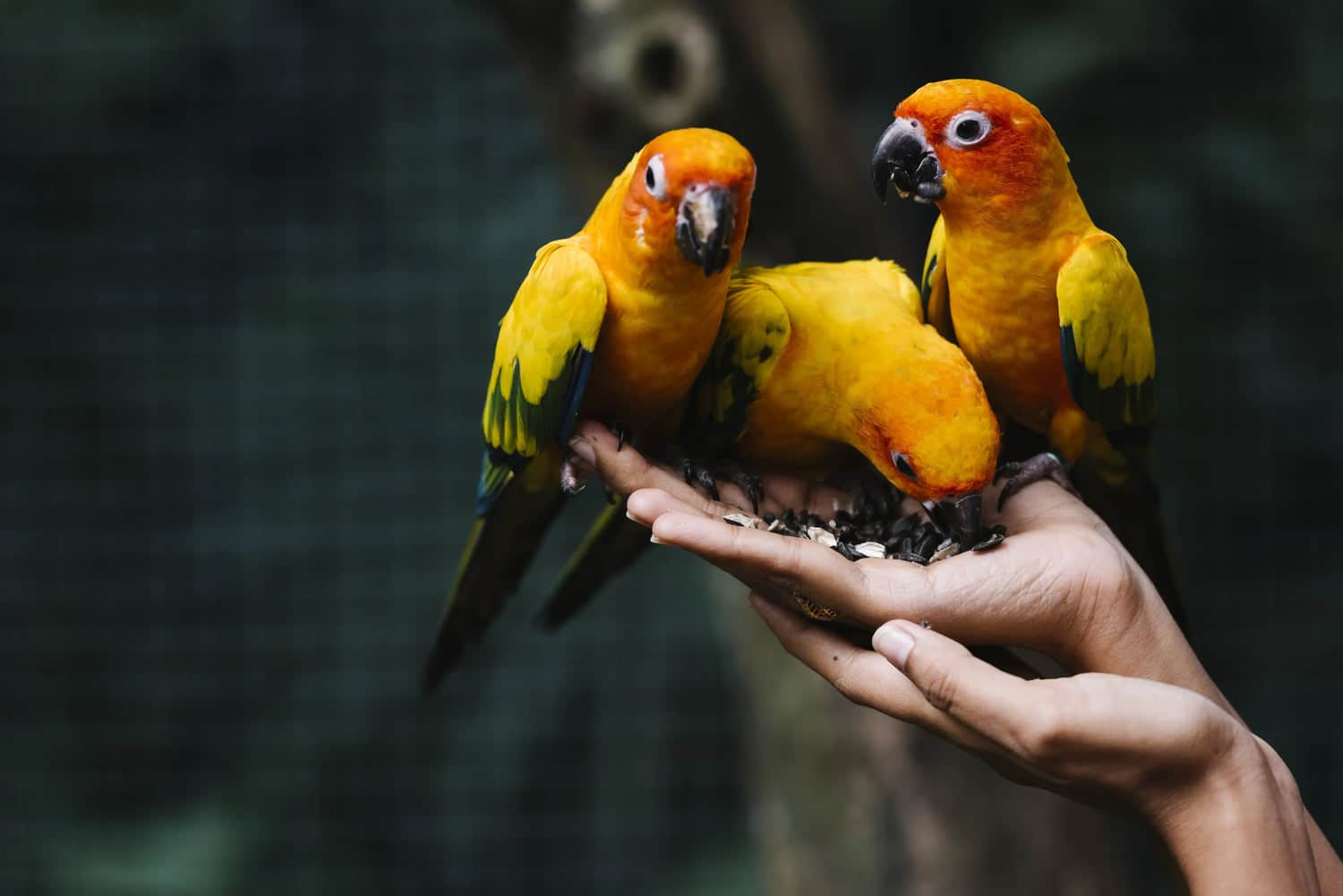
- Conures can live 20 to 30 years
- Macaws may live 50 years or more
- Longer lifespans need more commitment
Popular Pet Bird Species
Choosing the right bird as a pet depends on your lifestyle and preferences. Different species have unique needs and personalities.
Knowing popular pet birds helps you pick one that fits your home and care ability. Here are some common species kept as pets.
Budgerigars
Budgerigars, also called budgies, are small and friendly birds. They are easy to care for and can learn to talk.
Budgies need daily social time and simple cages. Their bright colors make them popular pets worldwide.
Cockatiels
Cockatiels are gentle birds with a crest on their head. They enjoy being around people and can whistle tunes.
These birds need space to fly and toys to stay active. Cockatiels are good pets for first-time bird owners.
Lovebirds
Lovebirds are small parrots that show strong bonds with their owners. They are lively and curious pets.
Lovebirds need a secure cage and daily interaction. They can be noisy but are very affectionate.
Parrots
Parrots are intelligent and colorful birds. They can mimic sounds and solve simple puzzles.
Parrots need mental stimulation and large cages. They require more care and time than smaller birds.
- Common types include African Greys, Macaws, and Amazons
- Parrots live many years, sometimes over 50
- They need a varied diet and social interaction
Canaries
Canaries are small birds known for their beautiful singing. They are usually kept alone or in pairs.
Canaries need a clean cage and fresh air. They are low-maintenance pets that brighten any room with song.
Behavior And Personality Traits
Choosing a bird means thinking about its behavior and personality. Birds have different needs and ways of acting.
Understanding these traits helps you pick a bird that fits your home and lifestyle.
Social Needs
Birds can be very social or quite independent. Some need lots of attention from people or other birds.
Knowing a bird’s social needs helps you provide the right care and keep it happy.
- Highly social birds like parrots need daily interaction.
- Some birds enjoy company but also like alone time.
- Independent birds do well with less human contact.
Activity Levels
Birds differ in how active they are. Some fly and play a lot, while others are calm and quiet.
Choose a bird whose activity level matches your time and space for care.
- High activity birds need space to fly and toys to play with.
- Moderate activity birds enjoy short playtimes and rest periods.
- Low activity birds are happy with less exercise and quiet areas.
Trainability
Some birds learn tricks and commands easily. Others may be harder to train.
Think about how much time you want to spend training your bird.
- Highly trainable birds enjoy learning new things.
- Some birds respond well to simple commands and routines.
- Less trainable birds may prefer a simple, relaxed environment.
Health And Care Requirements
Choosing a bird means understanding its health and care needs. Each type of bird has special needs to stay healthy and happy.
Knowing these needs helps you provide the best home for your new pet. This guide covers diet, grooming, and common health problems.
Diet And Nutrition
Birds need a balanced diet with different foods. Seeds alone do not provide enough nutrition for most birds.
Fresh fruits, vegetables, and pellets often make up a healthy diet. Clean water should always be available.
- Offer a mix of seeds, pellets, fruits, and vegetables
- Avoid chocolate, caffeine, and avocado—they are toxic
- Change food daily to keep it fresh
- Provide clean, fresh water every day
Grooming Needs
Birds need regular grooming to stay healthy. Some birds enjoy baths, while others need help with nail trimming.
Check their feathers and beak for damage or overgrowth. Grooming habits vary by bird species.
- Provide a shallow dish for bathing or use a spray bottle
- Trim nails carefully or ask a vet for help
- Check feathers regularly for cleanliness and damage
- Keep the cage clean to reduce germs
Common Health Issues
Birds can get sick from poor diet, stress, or infections. Watch for signs like changes in appetite or behavior.
Early detection helps treat problems before they get worse. Regular vet check-ups keep birds healthy.
- Respiratory infections cause sneezing and breathing trouble
- Feather plucking can signal stress or illness
- Beak or nail overgrowth needs attention
- Changes in droppings may indicate health problems
Choosing From Breeders Or Rescues
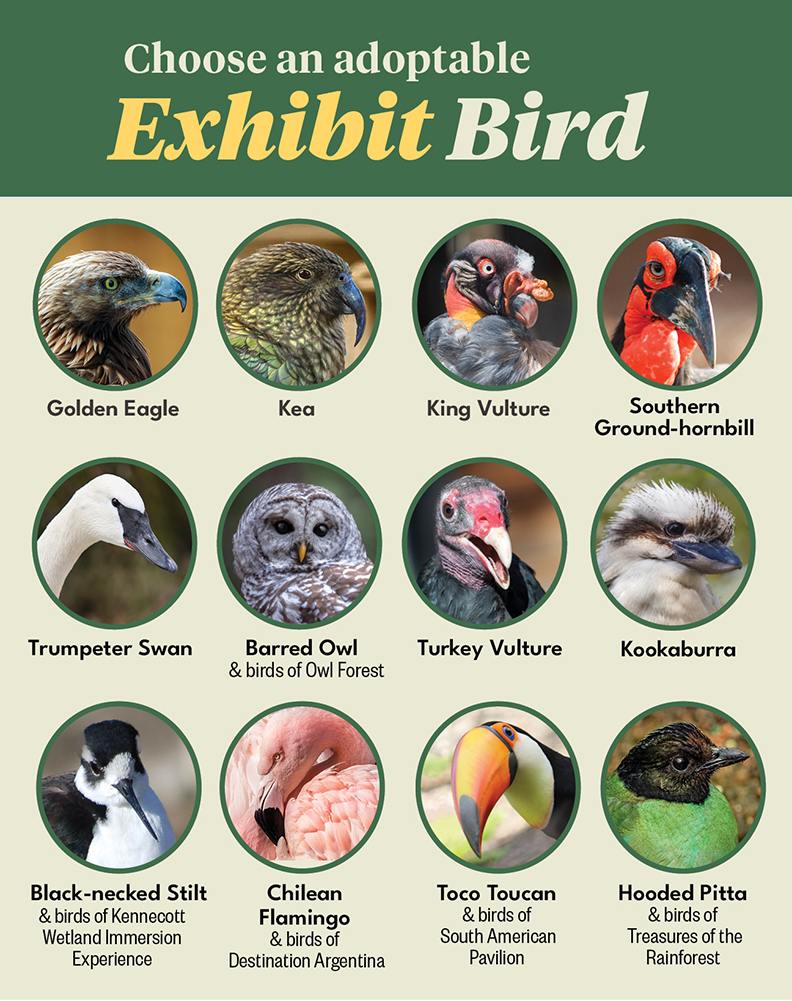
Choosing a bird as a pet is an exciting decision. You can get birds from breeders or rescues.
Each option has its own advantages and things to think about. Understanding these helps you pick the right bird.
Pros And Cons Of Breeders
Breeders raise birds for sale. They often know the bird’s history and health.
Buying from breeders means you can choose specific breeds or colors. But it can be more expensive.
- Pros:Healthy birds, breed variety, known backgrounds
- Cons:Higher cost, less chance to save a life, some breeders may not be ethical
Benefits Of Adoption
Adoption means giving a home to a bird in need. Rescues care for lost or abandoned birds.
Adopting saves lives and often costs less. Birds from rescues can be loving pets too.
- Saves a bird’s life
- Usually lower cost
- Supports animal welfare
- Rescues provide health and behavior info
Questions To Ask Sellers
Asking the right questions helps you find a healthy and happy bird. It also shows the seller’s care.
- How old is the bird?
- What is the bird’s health history?
- Has the bird had any behavior training?
- Can you meet the bird before buying or adopting?
- What care does the bird need?
- Are there any guarantees or return policies?
Credit: tracyaviary.org
Preparing Your Home
Getting a bird means making your home safe and comfortable. Birds need a good space to live and play.
Before bringing a bird home, prepare the area to keep it healthy and happy.
Safe Cage Setup
Choose a cage that fits your bird’s size and allows movement. The cage should be easy to clean.
Place the cage in a quiet, draft-free spot with natural light but no direct sunlight all day.
- Use non-toxic materials for perches and feeders
- Keep cage bars close enough to prevent escape
- Place food and water where the bird can reach easily
- Include a tray to catch droppings for easy cleaning
Toys And Enrichment
Toys help birds stay active and reduce boredom. Choose toys safe for chewing and climbing.
Rotate toys often to keep your bird interested and mentally stimulated.
- Wooden toys without paint or chemicals
- Swings and ladders for climbing
- Mirrors and bells for interaction
- Foraging toys to encourage natural behavior
Bird-proofing Tips
Birds are curious and can get hurt easily. Make your home safe by removing hazards.
Cover windows and mirrors to prevent crashes. Keep toxic plants and chemicals out of reach.
- Turn off ceiling fans and close doors to unsafe rooms
- Keep electrical cords hidden or covered
- Remove sharp objects and choking hazards
- Watch for open water sources like toilets or sinks

Credit: www.reddit.com
Frequently Asked Questions
What Factors Should I Consider When Choosing A Bird?
Consider bird size, lifespan, temperament, noise level, and care needs. Match these with your lifestyle and living space for a perfect fit.
Which Bird Species Are Best For Beginners?
Budgerigars, cockatiels, and lovebirds are great for beginners. They are friendly, low-maintenance, and easy to train.
How Much Space Does A Pet Bird Need?
Birds need enough cage space to stretch wings and fly short distances. Larger species require more room and time outside the cage.
What Diet Is Suitable For Pet Birds?
Provide a balanced diet of seeds, pellets, fresh fruits, and vegetables. Avoid chocolate, caffeine, and avocado, which are toxic to birds.
Conclusion
Choosing the right bird takes thought and care. Think about your space and time for care. Consider the bird’s size, noise, and needs. Match a bird’s personality with your lifestyle. This helps ensure a happy home for both. Enjoy the joy and beauty birds bring.
Take your time, and choose wisely. Your new feathered friend will thank you.