Have you ever wondered if covering your bird cage at night is necessary or just another pet care myth? You’re not alone.
Many bird owners grapple with this question, balancing the desire to keep their feathered friends cozy against the risk of causing them stress. You may have heard different opinions, seen various products, and felt unsure about the best approach for your bird’s nighttime routine.
We’ll uncover the truth behind this common practice. Get ready to discover how something as simple as a cover can impact your bird’s well-being and your peace of mind. Trust us, you won’t want to miss these insights.
Credit: kathylafollett.medium.com
Benefits Of Covering Bird Cages
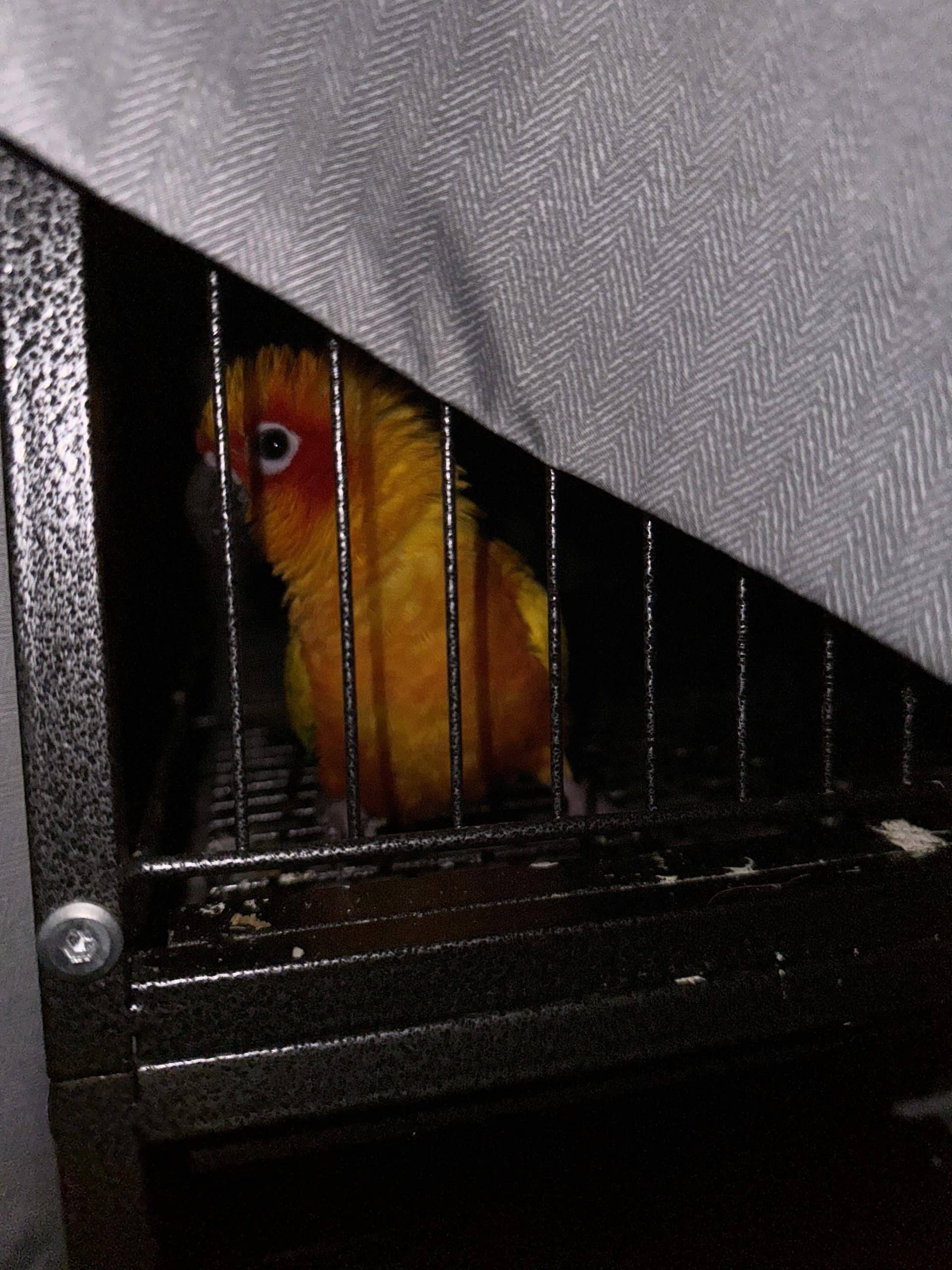
Covering a bird cage at night helps create a calm and safe space for your bird. It can improve their health and comfort.
Many bird owners choose to cover cages to help their birds rest better and reduce stress. This simple step can protect birds from unwanted disturbances.
Promotes Better Sleep
Cages covered at night block out light and noise, which helps birds fall asleep easily. Birds need quiet and darkness to rest well.
Covering the cage signals to birds that it is time to sleep. This routine helps keep their sleep patterns steady and healthy.
Reduces Stress And Anxiety
Birds can get scared by sudden movements or loud sounds. A cover gives them a sense of security and privacy.
When birds feel safe, they are calmer. This lowers their stress and stops anxious behaviors like screaming or biting.
- Blocks visual distractions
- Creates a quiet environment
- Helps birds feel hidden and safe
Protects From Drafts And Light
Drafts can make birds cold and sick. A cover helps keep cold air away from the cage at night.
Bright lights can disturb bird sleep. Covering the cage keeps the light out, making the space dark and cozy.
When Not To Cover The Cage
Covering a bird’s cage at night can help them sleep. But it is not always a good idea to cover the cage. Sometimes, covering can cause problems for your bird.
You should know when not to cover the cage. This keeps your bird safe and comfortable during the night.
Avoiding Overheating
Covering the cage can trap heat inside. This can make your bird very hot, especially in warm rooms or during summer. Overheating can be dangerous and cause health issues.
Do not cover the cage if the room is already warm. Make sure there is good air flow to keep your bird cool and safe.
Signs Your Bird Dislikes Covers
Not all birds like having their cages covered. Some birds may feel trapped or scared. Watch your bird’s behavior to see if it dislikes the cover.
If your bird acts restless, pecks at the cover, or makes loud noises, it may not like the cover. It is best to leave the cage uncovered in these cases.
- Restlessness or pacing
- Pecking or biting the cover
- Loud or frequent calling
- Trying to escape the cage
Choosing The Right Cover
Covering a bird cage at night helps your bird feel safe and sleep well. Picking the right cover is important for your bird’s health and comfort.
The cover should protect from drafts and light but still allow fresh air to flow. Use the right material and size for the best results.
Material Options
Choose a material that keeps your bird warm without blocking air. Cotton and flannel are soft and breathable. Avoid plastic or heavy fabrics that trap heat.
- Cotton: soft, breathable, and easy to wash
- Flannel: warm and gentle on feathers
- Lightweight fleece: cozy but allows air flow
- Avoid plastic or vinyl covers that block air
Size And Fit Considerations
The cover should fit the cage snugly but not too tight. A good fit keeps drafts out and stops the cover from slipping off during the night.
Measure your cage before buying a cover. Make sure it covers all sides but leaves space for air to enter at the bottom or sides.
- Measure cage height, width, and depth
- Choose covers that fully wrap the cage
- Look for covers with elastic or ties for a secure fit
- Leave some space for fresh air flow

Credit: www.amazon.com
How To Cover The Cage Properly
Covering a bird cage at night helps your pet feel safe and sleep well. It also keeps drafts and bright lights away. Use the right materials and follow simple steps to cover the cage properly.
Make sure the cover fits well and does not block air flow. A good cover protects your bird without causing stress or overheating.
Step-by-step Guide
Start by choosing a cover that is the right size for your bird’s cage. It should fully cover the cage but not hang too low.
Place the cover gently over the cage before your bird goes to sleep. Make sure all sides are covered to block light and noise.
- Pick a breathable fabric like cotton or muslin
- Check that the cover fits the cage size exactly
- Remove the cover in the morning when your bird wakes up
- Keep the cover clean by washing it regularly
Safety Precautions
Never use plastic or heavy blankets to cover the cage. These can block air flow and cause your bird to overheat.
Watch for signs of stress or discomfort. If your bird seems restless, remove the cover and try a lighter one.
- Do not cover the cage if the room is very hot
- Avoid covers with loose threads or parts that birds can chew
- Check the cage daily for safety and cleanliness
- Keep the area around the cage free of dust and allergens
Alternatives To Covering The Cage
Covering a bird cage at night is a common practice. It helps birds sleep by blocking out light and noise. Some bird owners look for other ways to help their birds rest well without using a cover.
There are gentle alternatives that create a calm space for birds. These methods support a healthy sleep routine and keep birds comfortable.
Creating A Quiet Environment
Birds sleep best in a quiet place. Loud sounds can scare them and disturb their rest. Keeping the room calm helps birds relax naturally.
Reduce noise by closing doors and windows. Turn off loud machines and keep conversations low. This helps your bird feel safe and peaceful.
- Close doors to block outside noise
- Turn off TVs and radios
- Speak softly near the bird
- Limit sudden loud sounds
Using Soft Lighting
Bright lights can keep birds awake at night. Soft lighting creates a calm mood for sleep. Use dim lights or night lights near the cage.
Soft lighting helps birds adjust their sleep cycle. It signals night time without causing stress. Avoid harsh or flashing lights close to the cage.
- Use a low watt night light
- Place light away from the cage
- Choose warm-colored bulbs
- Keep lights on a timer if possible
Common Mistakes To Avoid
Covering your bird’s cage at night can help them sleep better. But some mistakes can harm your pet.
Avoid these common errors to keep your bird safe and comfortable while covered.
Using Toxic Fabrics
Some fabrics release harmful chemicals or fibers. These can hurt your bird’s lungs or skin.
Always use natural, bird-safe materials. Avoid synthetic or dyed fabrics that may be toxic.
- Choose cotton or linen covers
- Do not use plastic or vinyl
- Check for loose threads or fibers
- Wash covers with mild, fragrance-free soap
Covering Too Tightly
Wrapping the cage too tight stops fresh air from entering. This can cause stress or breathing problems.
Cover the cage loosely so air flows well. Your bird needs fresh air to stay healthy at night.
- Leave some space at the bottom for air
- Do not seal the cover around the cage
- Check if your bird can breathe easily
- Make sure the cover does not block light completely
Credit: kathylafollett.medium.com
Frequently Asked Questions
Should You Cover A Bird Cage At Night?
Covering a bird cage at night helps simulate natural darkness. It calms birds, promotes restful sleep, and reduces stress. Use a breathable cover to ensure air circulation and avoid overheating.
What Materials Are Best For Covering Bird Cages?
Choose lightweight, breathable fabrics like cotton or muslin. These materials allow airflow and prevent suffocation. Avoid plastic or heavy fabrics that trap heat and moisture.
How Does Covering Affect A Bird’s Sleep Quality?
Covering blocks light and noise, creating a quiet environment. This improves sleep quality and helps birds rest deeply. Better sleep supports overall health and behavior.
Can All Bird Species Be Covered At Night?
Most pet birds benefit from cage covers, but some may react differently. Observe your bird’s behavior to ensure comfort. Consult a vet if unsure about your species.
Conclusion
Covering a bird cage at night can help your pet feel safe and sleep well. It blocks out light and noise, creating a calm space. But not all birds need a cover, so watch your bird’s behavior closely. Choose a breathable cloth to avoid overheating.
Remember, comfort and safety matter most for your feathered friend. A little care goes a long way in keeping your bird happy and healthy at night.