Have you ever stopped to listen closely to the sounds birds make and wondered how to put those noises into words? Describing bird calls can be tricky, but it’s a skill that brings nature to life in your stories, conversations, or observations.
You’ll discover simple ways to capture the unique rhythms and tones of bird songs. By the end, you’ll feel confident sharing the beauty of bird noises with anyone, turning ordinary moments into vivid experiences. Ready to unlock the secrets of bird sounds?
Let’s dive in.
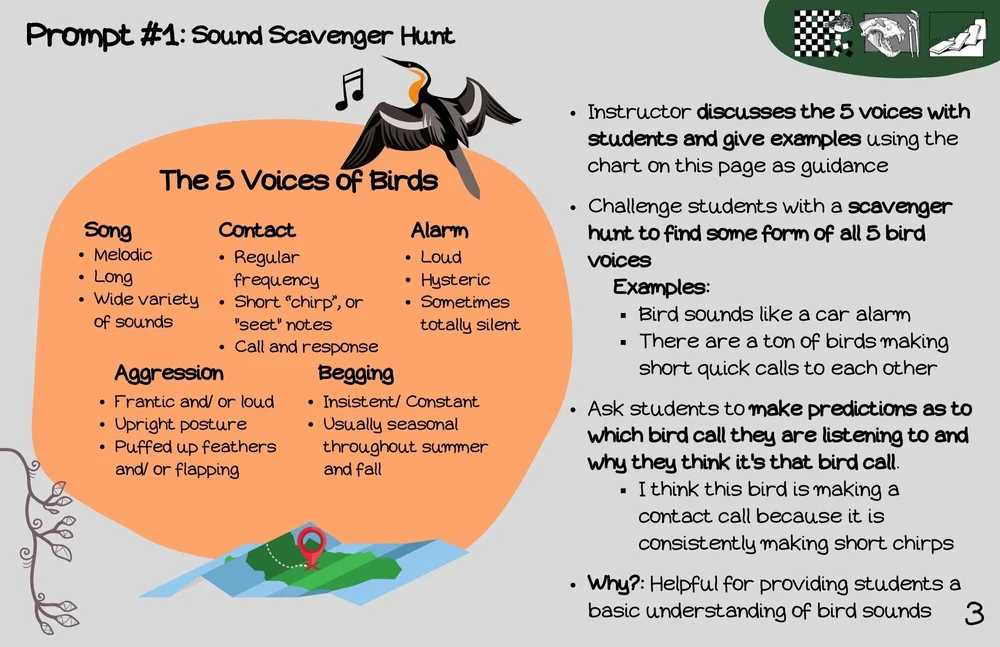
Types Of Bird Sounds
Birds use many sounds to communicate. These sounds help them find mates, warn of danger, or mark territory.
Understanding bird noises helps us learn about their behavior and environment. Sounds can be simple or very complex.
Songs Vs Calls
Bird songs are long and musical. Birds use songs to attract mates and defend their area.
Calls are shorter sounds. Birds use calls to share quick messages like warnings or keeping in touch.
- Songs are often louder and more complex
- Calls are brief and simple
- Songs usually happen during breeding season
- Calls happen all year long
Alarm Calls
Alarm calls warn birds about predators or danger nearby. These calls are sharp and fast.
Different alarms mean different threats. Some alarm calls tell others to hide, while others signal to flee.
- Short and loud sounds
- Signal immediate danger
- Help protect the group
Mimicry And Complex Vocalizations
Some birds copy sounds from other animals or noises in nature. This is called mimicry.
Complex vocalizations use many different sounds in one song. These show a bird’s skill and help attract mates.
- Mimics can copy other bird songs or human sounds
- Complex songs have many parts and changes
- Both mimicry and complex songs show intelligence
Common Descriptive Terms
Bird noises are unique sounds that birds make to communicate. Describing these sounds helps us understand bird behavior better.
Using clear words to describe bird noises makes it easier to identify different birds and their calls.
Pitch And Tone
Pitch refers to how high or low a bird's sound is. Some birds have high-pitched whistles, while others have low, deep calls.
Tone describes the quality of the sound. It can be sharp, soft, clear, or harsh, depending on the bird.
- High-pitched: sharp and piercing
- Low-pitched: deep and mellow
- Clear tone: pure and smooth
- Harsh tone: rough and grating
Rhythm And Repetition
Rhythm is the pattern of sounds in a bird's call. Some calls are fast and choppy, others slow and steady.
Repetition means how often the sound repeats. Birds may repeat the same note many times or change their calls quickly.
- Fast rhythm: quick and lively
- Slow rhythm: calm and drawn out
- Repeated notes: same sound over and over
- Varied notes: different sounds in a sequence
Volume And Intensity
Volume is how loud or soft the bird's noise is. Intensity shows the strength or force behind the sound.
Some birds call loudly to be heard far away. Others make soft sounds to stay quiet and hidden.
- Loud volume: strong and clear
- Soft volume: gentle and quiet
- High intensity: forceful and energetic
- Low intensity: calm and relaxed
Listening Techniques
Bird noises tell us a lot about their behavior and environment. Listening carefully helps us describe these sounds well.
Good listening techniques improve how we notice and remember bird sounds. They make descriptions clearer and more accurate.
Finding Quiet Spots
Quiet places let you hear bird noises better. Look for areas with little human noise, like parks or forests early in the morning.
Stay still and avoid making sounds. This helps birds feel safe and sing naturally.
- Choose early morning or late evening for less noise
- Avoid busy roads and loud areas
- Find spots with natural sounds only
- Stay hidden to avoid disturbing birds
Using Audio Equipment
Audio devices help capture bird sounds clearly. Use a good microphone or recorder to catch details you may miss with just your ears.
Wear headphones to focus on sounds and reduce outside noise. This helps you hear soft or faraway bird calls better.
- Use directional microphones to record specific birds
- Test your recorder before you go outside
- Keep volume at a safe level with headphones
- Record multiple times to compare sounds
Note-taking Strategies
Writing notes helps remember bird sounds and details. Use simple words to describe how the noise sounds and feels.
Try to note the pitch, rhythm, and pattern of the bird calls. This makes your descriptions clear and easy to understand.
- Write down the time and place of the sound
- Describe if the sound is high or low
- Note if the noise is short, long, or repeated
- Use comparisons like “whistle,” “chirp,” or “buzz”
Capturing Sounds In Writing
Describing bird noises in writing helps readers hear the sounds in their minds. Clear descriptions bring birdsong to life on the page.
Using the right words to capture these sounds makes your writing vivid. You can use several ways to show bird calls and songs.
Phonetic Spellings
Phonetic spellings write sounds as they are heard. This method shows the exact way a bird’s call sounds to you.
Try to break down the noise into simple syllables. Use short words or repeated sounds to match the bird’s call.
- The robin’s song: “cheer-up, cheerily”
- The owl’s hoot: “hoo-hoo”
- The chickadee’s call: “chick-a-dee-dee”
Onomatopoeia
Onomatopoeia uses words that sound like the noises they describe. These words mimic the actual bird sounds.
They make writing fun and easy to imagine. Using onomatopoeia helps readers “hear” the birds as they read.
- “Caw” for a crow
- “Tweet” for a small songbird
- “Chirp” for quick, high-pitched sounds
Creative Comparisons
Creative comparisons link bird noises to familiar sounds. They help readers understand what the bird sounds like.
Use similes or metaphors to compare the noise to everyday things. This adds color and depth to your descriptions.
- The woodpecker’s tap sounds like a drumbeat.
- The warbler’s song is like a soft wind chime.
- The crow’s call echoes like a loud caw in a canyon.
Using Technology
Describing bird noises can be tricky without the right tools. Technology helps us capture and study these sounds clearly.
Using modern devices and software makes it easier to understand bird calls and songs in detail.
Recording Devices
Recording devices capture bird sounds in their natural environment. These devices range from simple recorders to advanced microphones.
Good recorders pick up clear sounds even from far away or in noisy places.
- Handheld digital recorders are easy to carry
- Shotgun microphones focus on distant sounds
- Parabolic microphones collect quiet calls
- Smartphone apps can also record bird noises
Sound Analysis Software
Sound analysis software helps study bird noises by showing sound waves and patterns. This makes it easier to describe different calls.
These programs can measure pitch, length, and rhythm of bird songs for better understanding.
- Visualize sound with spectrograms
- Compare different bird calls side by side
- Identify unique features in bird songs
- Label and organize recordings for study
Sharing And Archiving
Sharing bird sound recordings helps researchers and bird watchers learn from each other. Archiving keeps these sounds safe for future study.
Online databases and apps allow easy upload and access to bird noises from anywhere.
- Upload recordings to public sound libraries
- Use apps to share sounds with bird experts
- Store files with detailed notes and locations
- Help build a large collection of bird sounds
Credit: medium.com
Common Challenges
Describing bird noises can be tricky for many reasons. These sounds often mix with other sounds. Birds can make many different calls and songs. This variety makes it hard to describe them clearly.
Understanding these challenges helps you listen carefully. It also helps in writing clear descriptions. The next sections show common problems you might face.
Background Noise
Background noise can make bird sounds hard to hear. Sounds from wind, water, or people can mix with bird calls. This noise can change how a bird’s sound appears to you.
- Traffic sounds often cover soft bird songs.
- Wind can change the tone of a bird’s call.
- Other animals and insects add to the noise mix.
- Recording devices may pick up unwanted sounds.
Variations Between Species
Each bird species has unique sounds. Some birds have clear whistles. Others make harsh caws or trills. These differences can confuse people trying to describe sounds.
| Bird Species | Common Sound Type | Description |
| Northern Cardinal | Whistle | Clear, melodic whistles |
| American Crow | Caw | Loud, rough cawing sounds |
| Chickadee | Call | Soft, high-pitched chick-a-dee calls |
| Wood Thrush | Song | Flute-like, rich songs |
Seasonal Changes
Bird sounds change with the seasons. Birds sing more in spring to find mates. In fall and winter, calls may be fewer or different. These changes can confuse people describing bird noises.
Tips to notice seasonal changes:
- Listen for more songs in spring mornings.
- Expect quieter sounds in colder months.
- Watch for new calls as birds migrate.
- Note changes in tone or pattern over the year.
Improving Your Skills
Describing bird noises well takes time and effort. You need to listen carefully and practice often.
This guide shows ways to improve your bird sound description skills. Try these simple methods to get better.
Regular Practice
Listening to birds daily helps you recognize their sounds. Try to note down what you hear.
- Spend time outside in quiet places
- Use a recorder to capture bird sounds
- Write short notes describing each sound
- Compare your notes with online bird sound guides
Joining Birdwatching Groups
Birdwatching groups meet to share knowledge and listen to birds together. Joining one can improve your skills.
Benefits of joining groups include:
- Hearing diverse bird calls
- Getting feedback on your descriptions
- Learning from other members’ experiences
- Sharing recordings and notes
Learning From Experts
Experts teach you how to listen carefully and describe sounds clearly. Attend workshops or watch online lessons.
| Expert Tips | Explanation |
| Break sounds into parts | Listen for pitch, length, and rhythm |
| Use simple words | Describe sounds as short, sharp, or musical |
| Practice mimicry | Try to repeat bird calls to understand them better |
Credit: haikubox.com
Credit: www.birdschoolproject.org
Frequently Asked Questions
What Are Common Terms To Describe Bird Noises?
Common terms include chirp, tweet, whistle, trill, and call. These words capture the sound’s pitch, length, and tone. Using specific terms helps accurately describe and identify bird sounds in nature or writing.
How Can I Differentiate Bird Calls From Songs?
Bird calls are short, simple sounds for communication. Songs are longer, complex, often used to attract mates or mark territory. Recognizing this helps in understanding bird behavior and describing their noises precisely.
Why Is It Important To Describe Bird Noises Accurately?
Accurate descriptions aid bird identification and study. They enhance nature writing and help bird watchers share findings clearly. Precise terms improve communication about bird behavior and habitat.
What Tools Help In Identifying Bird Noises?
Apps like Merlin Bird ID and audio recorders assist in capturing and analyzing bird sounds. Spectrograms visually represent calls, aiding accurate description. These tools improve understanding and documentation of bird noises.
Conclusion
Describing bird noises can be both fun and educational. With practice, you'll notice each bird's unique sound. Pay attention to pitch, rhythm, and patterns. Use simple words to capture what you hear. This skill enhances your birdwatching experience. It also helps in identifying different species.
Share your observations with friends and family. They might enjoy learning too. Remember, patience is key. Listen closely and often. Birds have their own language. Understanding it brings you closer to nature. Keep your ears open and enjoy the melody around you.
Happy bird listening!