
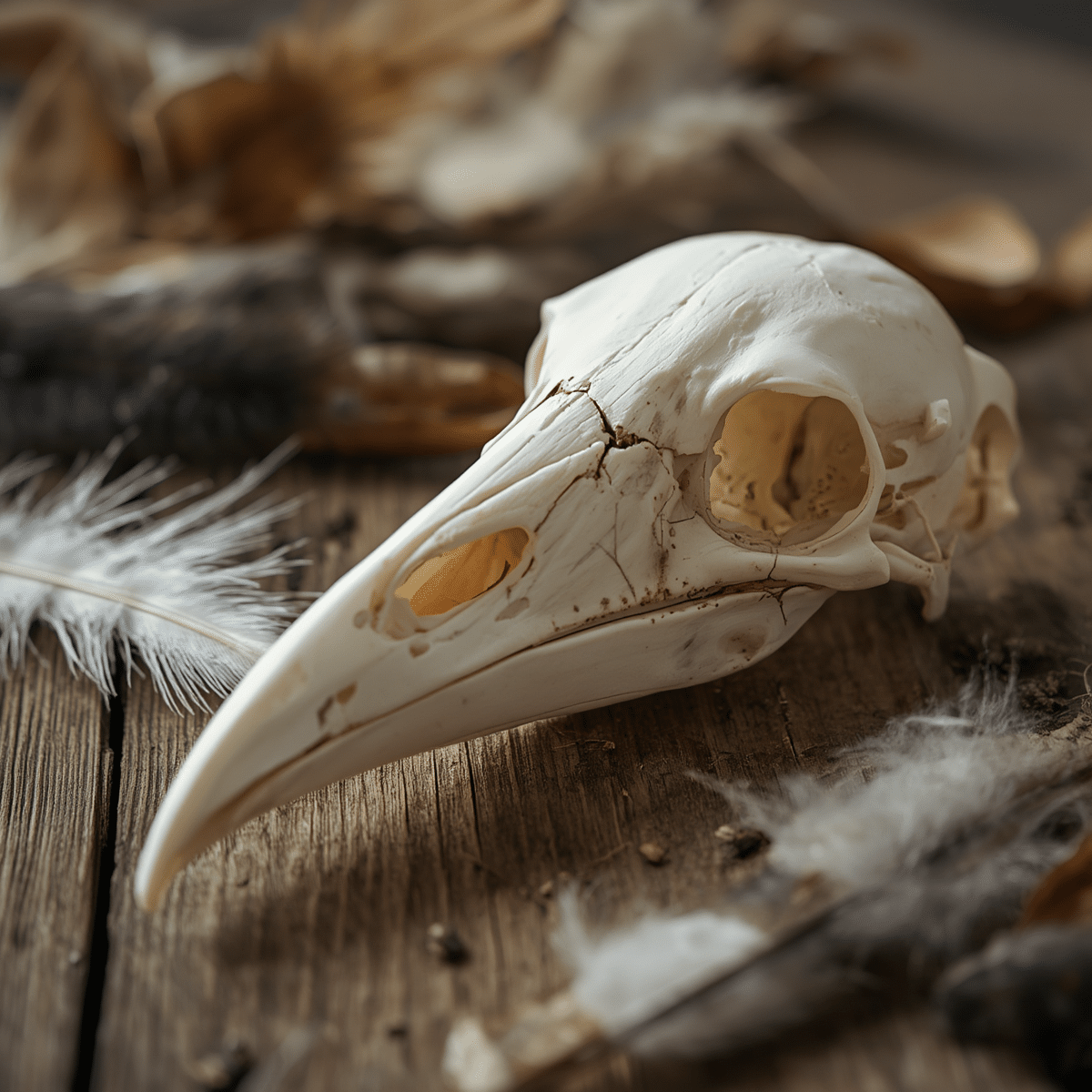
How to Disinfect a Bird Skull: Safe Cleaning, Preservation, and Storage Guide
If you’ve ever found a bird skull and want to clean it safely, you might be wondering how to do it without damaging the delicate bones. Disinfecting a bird skull is important to remove bacteria and odors, but it can be tricky if you don’t know the right steps.
Learning how to disinfect a bird skull is essential for maintaining its condition and preventing bacterial growth. This guide will walk you through how to disinfect a bird skull safely and effectively.
In this guide, you’ll learn simple, effective methods to clean and disinfect your bird skull so it’s safe to handle and display. Keep reading, because by the end, you’ll have the confidence to preserve your find perfectly.
Understanding how to disinfect a bird skull allows you to appreciate your finds without concern for safety or hygiene.
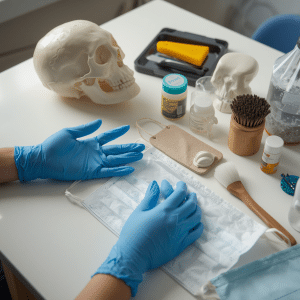
Preparing The Workspace
Disinfecting a bird skull needs a clean and organized workspace. Setting up well helps avoid contamination and keeps you safe.
A clean workspace is crucial when learning how to disinfect a bird skull to avoid any potential contamination.
Prepare everything before you start. This makes the process smoother and safer for you and the skull.
Gathering Necessary Materials
Collect all tools and supplies to disinfect the bird skull properly. Having them ready saves time and prevents interruptions.
- Latex or nitrile gloves for hand protection
- Face mask to avoid inhaling dust or chemicals
- Soft brushes for cleaning delicate areas
- Hydrogen peroxide or appropriate disinfectant
- Plastic containers for soaking the skull
- Paper towels or clean cloths for drying
- Waste bags for safe disposal of materials
Setting Up A Safe Area
Choose a workspace with good ventilation. This helps reduce strong chemical smells and keeps air fresh.
| Safety Item | Purpose |
| Gloves | Protect hands from chemicals and bacteria |
| Mask | Prevent inhaling dust and fumes |
| Ventilation | Keep air clean and reduce fumes |
| Plastic Cover | Protect surfaces from spills and stains |
| Waste Bag | Dispose of used materials safely |
Initial Cleaning Of The Skull
Before proceeding with cleaning, ensure you are fully prepared to follow the steps on how to disinfect a bird skull.
Cleaning a bird skull is a careful process. It removes flesh and tissue before disinfecting. Proper cleaning helps keep the skull intact and safe.
This guide covers two key steps: removing flesh and soaking techniques. Each step prepares the skull for final disinfection.
Removing Flesh And Tissue
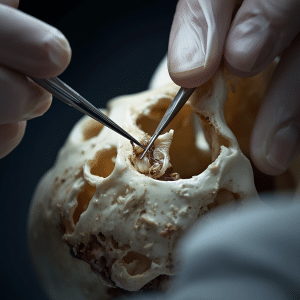
Start by removing large pieces of flesh with gloves and tweezers. Be gentle to avoid breaking the delicate bones.
- Use a scalpel or knife to cut away thick tissue.
- Pick off smaller bits with tweezers or a brush.
- Remove eye tissue carefully to keep the skull shape.
- Discard all removed flesh safely to avoid odor.
Soaking Techniques
Soaking helps loosen remaining tissue and cleans the bones. Choose the right solution and soak time for best results.
| Soaking Solution | Purpose | Recommended Time |
| Warm Water and Dish Soap | Softens tissue | Several hours to overnight |
| Hydrogen Peroxide (3%) | Whitens bones and disinfects | 12 to 24 hours |
| Enzymatic Cleaner | Breaks down proteins | 24 to 48 hours |
| Cold Water | Prevents bone damage | Long soak, up to 72 hours |
Disinfecting Methods
Disinfecting a bird skull is important to remove bacteria and germs. Clean skulls are safer to handle and display.
Choosing the right method is key when figuring out how to disinfect a bird skull, whether you prefer chemical or natural solutions.
There are several ways to disinfect bird skulls. You can use chemical solutions or natural options.
Reviewing the options on how to disinfect a bird skull will help you choose the best method for your needs.
Using Hydrogen Peroxide
Hydrogen peroxide is a common disinfectant for bones. It helps whiten the skull and kills bacteria.
Soak the bird skull in 3% hydrogen peroxide for 24 hours. Avoid stronger solutions that can damage the bone.
- Use a container large enough to hold the skull
- Keep the skull fully submerged
- Rinse skull with clean water after soaking
- Let it dry completely before use
Applying Bleach Solutions
When using bleach as a disinfectant, remember that knowing how to disinfect a bird skull properly is essential for preserving its integrity.
Bleach is a powerful cleaner but must be used carefully. It disinfects and whitens skulls quickly.
Mix one part bleach with ten parts water. Soak the skull for 10 to 15 minutes only.
- Wear gloves to protect your skin
- Do not soak longer to avoid bone damage
- Rinse thoroughly with water after soaking
- Dry skull in a well-ventilated area
Natural Alternatives
Natural disinfectants are gentler but take more time. They work well if you want to avoid chemicals.
Incorporating natural remedies is a gentle way of understanding how to disinfect a bird skull without harsh chemicals.
Sunlight and vinegar are two natural options. Sunlight kills bacteria, and vinegar cleans the bone.
- Place the skull in direct sunlight for several hours
- Soak in diluted white vinegar (one part vinegar, two parts water) for 1 hour
- Rinse with water and let dry completely
- Repeat if needed for better results
Drying And Preservation
Proper drying methods are just as crucial as knowing how to disinfect a bird skull to ensure it remains in good condition.
After disinfecting a bird skull, drying it properly is important. Drying stops decay and prepares the skull for long-term keeping.
Preserving the skull keeps it safe from damage. Good preservation methods keep the skull strong and clean.
Air Drying Tips
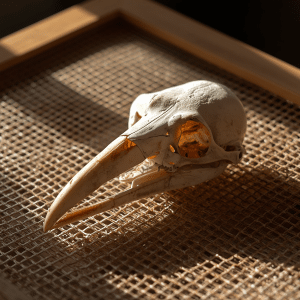
Air drying is a simple way to dry a bird skull. Place the skull in a dry place with good airflow.
Avoid direct sunlight. Sun can cause the skull to crack or fade. Use a shaded, warm area instead.
- Use a mesh or screen to hold the skull for air flow
- Turn the skull gently every day for even drying
- Keep the area free of dust and insects
- Allow at least one week for full drying
Using Desiccants
Desiccants help remove moisture from the skull quickly. They are useful in humid places or small spaces.
Common desiccants include silica gel and calcium chloride. Place the skull with the desiccant in a sealed container.
- Cover the skull with a layer of desiccant
- Keep the container closed to trap moisture
- Check the desiccant daily and replace if wet
- Drying usually takes a few days with desiccants
Handling And Storage
Disinfecting a bird skull requires careful handling and proper storage. These steps help keep you safe and preserve the skull’s condition.
After you have learned how to disinfect a bird skull, storing it correctly will help maintain its quality for years to come.
Follow the right practices to avoid damage and contamination. This guide covers safe handling and storage tips.
Safe Handling Practices
Wear gloves to protect your skin from chemicals and bacteria. Handle the skull gently to prevent breaks.
- Use disposable gloves during cleaning
- Work in a well-ventilated area
- Keep tools and surfaces clean
- Avoid touching your face or eyes
- Do not use excessive force when scrubbing
Proper Storage Conditions
Store the disinfected bird skull in a dry, cool place away from sunlight. Moisture and heat can cause damage over time.
Understanding the ideal conditions for storage after learning how to disinfect a bird skull is vital for its preservation.
| Storage Factor | Recommended Condition |
| Temperature | 15-20°C (59-68°F) |
| Humidity | 40-60% |
| Light | Indirect or low light |
| Container | Breathable box or case |
| Position | Support to avoid pressure points |
Common Mistakes To Avoid
Disinfecting a bird skull takes care and attention. Avoiding common errors helps keep the skull clean and safe.
Knowing the common mistakes can enhance your technique on how to disinfect a bird skull effectively.
Many mistakes can damage the skull or leave harmful bacteria behind. Learn what not to do for the best results.
Using Harsh Chemicals
Strong chemicals can damage the delicate bone of a bird skull. Avoid bleach or ammonia in high concentrations.
Use gentle disinfectants made for bones or mild soap solutions. This keeps the skull intact and clean.
Skipping Proper Drying
Not drying the skull fully can cause mold and bad smells. Always air dry the skull in a clean, dry place.
Use a fan or sunlight for faster drying, but avoid direct heat that may crack the bone.
Ignoring Safety Gear
Handling bird skulls can expose you to bacteria and dust. Wear gloves and a mask to stay safe.
Safety gear protects your skin and lungs from harmful particles during cleaning and disinfecting.
Always remember safety gear while learning how to disinfect a bird skull to protect yourself during the process.
Using Hot Water
Hot water can weaken or warp the skull bones. Use lukewarm or cool water instead for cleaning.
Cold water helps keep the skull’s shape while removing dirt and bacteria safely.
Rushing The Process
Hurrying can cause mistakes like incomplete cleaning or drying. Take your time with each step.
Patience ensures the skull is fully disinfected and preserved without damage or contamination.
Safety Precautions
Disinfecting a bird skull requires care to avoid health risks. You must follow safety steps to protect yourself.
Safety is paramount when understanding how to disinfect a bird skull, so always follow the recommended precautions.
Using the right tools and disposing of waste properly keeps your workspace clean and safe.
Protective Gear
Wear protective gear to avoid contact with bacteria and chemicals. This gear helps prevent skin and eye irritation.
- Use gloves made of nitrile or latex to protect your hands.
- Wear safety goggles to shield your eyes from splashes.
- Put on a mask to avoid breathing in dust or fumes.
- Wear an apron or old clothes to protect your skin and clothing.
Disposal Of Waste
Dispose of all waste carefully to stop the spread of germs. This includes bones, feathers, and cleaning materials.
| Type of Waste | Disposal Method |
|---|---|
| Bird skull remnants | Seal in a plastic bag and throw in trash |
| Used gloves and masks | Dispose in a closed bin for bio-waste |
| Cleaning cloths and paper towels | Place in a sealed bag before trash disposal |
| Chemical disinfectants | Follow local hazardous waste guidelines |
Frequently Asked Questions
How Do I Safely Clean A Bird Skull?
Use gloves and mild detergent to remove debris. Rinse with water and avoid harsh chemicals. Handle the skull gently to prevent damage during cleaning.
What Disinfectants Are Safe For Bird Skulls?
Use diluted hydrogen peroxide or isopropyl alcohol for disinfection. Avoid bleach, as it can weaken bone structure. Always rinse thoroughly after applying disinfectants.
How Long Should I Soak A Bird Skull For Disinfection?
Soak the skull for 10 to 15 minutes in disinfectant. This duration effectively kills bacteria without damaging the bone. Avoid prolonged soaking to prevent weakening the skull.
When soaking, the duration is crucial in understanding how to disinfect a bird skull safely and effectively.
Can I Use Bleach To Disinfect A Bird Skull?
Bleach is not recommended, as it can weaken and discolor bones. Safer alternatives include hydrogen peroxide or alcohol. These disinfectants preserve the skull’s integrity and appearance.
When considering bleach, it’s important to understand how to disinfect a bird skull without compromising its structure.
Conclusion
Disinfecting a bird skull can seem tricky, but it’s manageable. Clean and sanitize with care. Use simple tools and methods. Always wear gloves for safety. Ensure proper ventilation during cleaning. Be patient; perfection takes time. Enjoy the process and learn from it.
Successfully mastering how to disinfect a bird skull will allow you to appreciate your collection without health concerns.
Safely display your clean skull. Appreciate the beauty of nature’s design. Remember, practice makes perfect. Repeat these steps for best results. Keep your workspace tidy. Happy disinfecting!
Follow the steps outlined on how to disinfect a bird skull to achieve the best results every time you clean.



