How to Disinfect Attic from Bird Waste Step by Step
Bird waste in your attic is more than just an unpleasant mess—it can put your health and home at serious risk. You might not realize it, but those droppings carry harmful bacteria and fungi that can cause infections and damage your property.
Learning how to disinfect attic from bird waste is crucial for maintaining a healthy living space.
If you want to protect your family and keep your attic safe, you need to know how to disinfect it properly. This guide will walk you through simple, effective steps to clean and sanitize your attic, so you can breathe easier and feel confident about your home’s safety.
To effectively disinfect attic from bird waste, you must follow the right protocols to ensure safety and cleanliness.
Keep reading to learn how to tackle bird waste the right way.
Understanding how to disinfect attic from bird waste will empower you to take control of your home’s environment.
Health Risks Of Bird Waste
Bird waste in your attic can cause serious health problems. It contains harmful germs and particles. Knowing these risks helps you stay safe when cleaning.
It’s essential to know how to disinfect attic from bird waste to avoid potential health hazards.
Exposure to bird droppings can lead to infections and breathing problems. Protect yourself by understanding the dangers.
Diseases Transmitted By Bird Droppings
Many people don’t realize the need to disinfect attic from bird waste to prevent serious health risks.
Bird droppings carry many diseases. These can infect people if they breathe in dust or touch the waste.
- Histoplasmosis: A lung infection from fungus in bird droppings.
- Cryptococcosis: A fungal disease affecting lungs and brain.
- Psittacosis: A bacterial infection from inhaling dried droppings.
- Salmonellosis: An illness from bacteria in bird feces.
Allergic Reactions And Respiratory Issues
Taking the time to disinfect attic from bird waste can prevent allergic reactions and respiratory problems.
Bird waste can cause allergies and breathing problems. Dust and particles irritate the lungs and skin.
| Symptom | Description |
| Coughing | Irritation of the throat and airways. |
| Sneezing | Allergic response to dust and droppings. |
| Shortness of Breath | Difficulty breathing due to lung irritation. |
| Skin Rash | Contact with droppings causes itching and redness. |
Preparing For Disinfection
Before you begin, remember that to disinfect attic from bird waste effectively, preparation is key.
Cleaning bird waste from your attic needs careful preparation. This protects your health and makes the job easier.
Before you start disinfecting, gather the right tools and clear the space. Good ventilation is also important.
Gathering Protective Gear
Wear the correct safety gear to avoid breathing harmful dust or germs. Bird waste can carry diseases.
Wearing appropriate gear is essential when you decide to disinfect attic from bird waste.
- Respirator mask with a HEPA filter
- Rubber gloves that cover your wrists
- Protective goggles to shield your eyes
- Long-sleeve shirt and long pants
- Disposable coveralls or old clothes
- Boots that can be cleaned easily
Ventilating The Attic Space
Good ventilation is vital when you are ready to disinfect attic from bird waste.
Open windows and doors to let fresh air in. Good airflow helps clear out dust and harmful particles.
Use these tips for better ventilation:
- Open all attic vents
- Use a fan to push air outside
- Keep the attic well-lit to spot waste
- Avoid working on windy days to reduce dust spread
Removing Loose Debris
Clear loose bird droppings and nesting materials before disinfecting. This lowers the risk of spreading germs.
- Spray the area lightly with water to reduce dust.
- Use a plastic scraper to remove waste carefully.
- Place all debris in sealed plastic bags.
- Dispose of bags according to local rules.
Choosing Safe Cleaning Products
Choosing the right products will help you disinfect attic from bird waste safely and efficiently.
Cleaning bird waste in your attic needs careful product choices. Using safe cleaners protects your health and the environment. Some products can harm surfaces or air quality.
Pick cleaners that kill germs but do not contain harsh chemicals. This keeps your attic safe for you and your family.
Non-toxic Disinfectants
Non-toxic options are available to help you disinfect attic from bird waste without harmful chemicals.
Non-toxic disinfectants kill germs without harmful chemicals. They work well on bird droppings and keep your attic fresh. These cleaners are safe to use around pets and children.
- Hydrogen peroxide: A natural disinfectant that breaks down quickly.
- White vinegar: Kills bacteria and removes odors.
- Tea tree oil: A natural antimicrobial agent.
- Baking soda: Helps clean and deodorize surfaces.
Eco-friendly Alternatives
Eco-friendly products clean without polluting air or water. They often use plant-based ingredients and are biodegradable. These options support a healthy home and planet.
Using eco-friendly options can also help you disinfect attic from bird waste while caring for the environment.
| Product | Main Ingredient | Benefits |
| Eco Clean Spray | Citrus extract | Removes stains and smells naturally |
| Green Shine | Plant-based surfactants | Safe for all surfaces and pets |
| Pure Mist | Essential oils blend | Disinfects with a fresh scent |
.jpg)
Credit: www.ethicalwildlife.com
Step-by-step Cleaning Process
Follow the correct steps to disinfect attic from bird waste and create a safe living environment.
Cleaning bird waste from your attic is important for health and safety. Follow the steps carefully to avoid dust and germs.
This guide will help you clean the attic safely and effectively.
Wet Down Waste To Minimize Dust
When you learn how to disinfect attic from bird waste properly, you’ll reduce health risks significantly.
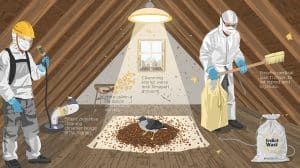
Spray water on bird droppings to keep dust low. Use a garden sprayer or a spray bottle with water and a small amount of detergent.
- Wear a mask and gloves before spraying.
- Lightly mist the affected areas to wet the droppings.
- Wait about 10 minutes for the moisture to soak in.
- Do not stir or disturb the waste while wet.
Careful Removal Of Droppings
Remove the wet bird waste carefully to avoid spreading dust or germs. Use tools and proper safety gear.
| Material | Purpose |
| Disposable gloves | Protect hands from germs |
| Face mask or respirator | Prevent inhaling dust |
| Plastic bags | Collect and seal waste |
| Scraper or dustpan | Lift waste without stirring dust |
Place all waste in sealed plastic bags. Dispose of them according to local regulations.
Applying Disinfectant Thoroughly
After removal, it’s crucial to disinfect attic from bird waste thoroughly to kill any remaining germs.
Use a strong disinfectant to kill germs left behind. Apply it evenly on all cleaned surfaces.
Follow these disinfectant application tips:
- Wear gloves and eye protection.
- Use a disinfectant approved for bird waste.
- Spray or mop the surfaces fully.
- Let the disinfectant sit for 10 minutes.
- Air out the attic before using it again.
Post-cleaning Measures
Implementing post-cleaning measures is vital to ensure you effectively disinfect attic from bird waste.
Cleaning bird waste from your attic is only part of the process. Taking proper steps afterward helps keep your attic safe and clean. These measures stop health risks and future contamination.
Below are key actions to take after cleaning. They cover how to handle waste, care for your tools, and watch for new problems.
Proper Disposal Of Contaminated Materials
Dispose of all bird droppings and cleaning materials carefully. Use sealed bags to prevent germs from spreading. Avoid throwing waste in open trash bins.
- Place waste in heavy-duty plastic bags.
- Seal bags tightly to avoid leaks.
- Dispose bags in outdoor trash bins with lids.
- Wash hands thoroughly after handling waste.
- Contact local waste authorities if unsure about disposal rules.
Cleaning And Storing Equipment
Clean your tools and protective gear after use. Proper storage keeps them ready and safe for future cleaning.
- Rinse brushes, gloves, and masks with disinfectant.
- Let equipment dry completely in sunlight.
- Store tools in a dry, sealed container.
- Replace disposable items like masks and gloves after use.
Monitoring For Recurrence
Check your attic regularly to catch any new bird waste early. Early detection stops large buildups and health risks.
| Action | Frequency | Notes |
| Visual inspection for droppings | Weekly | Look for fresh stains or nesting materials |
| Check ventilation and entry points | Monthly | Seal any gaps or holes |
| Clean small waste spots | As needed | Use gloves and mask during cleaning |
| Replace damaged equipment | Every 6 months | Keep your tools effective and safe |
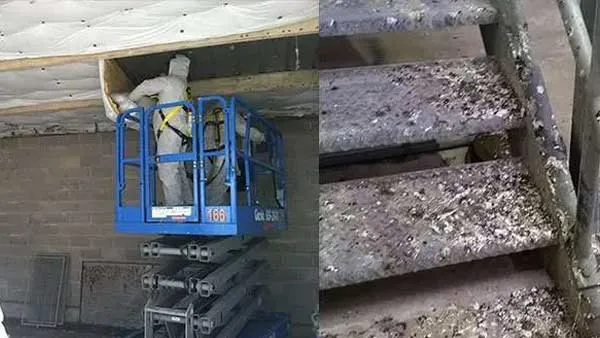
Credit: barneswildlifecontrol.com
Preventing Future Infestations
To prevent future issues, you need to effectively disinfect attic from bird waste periodically.
Cleaning bird waste from your attic is important. You must stop birds from coming back.
Stopping birds means fixing how they get inside. You can also use tools to keep them away.
Sealing Entry Points
Birds enter through small holes and cracks. Find all openings in your attic and seal them tightly.
Use materials like wire mesh, caulk, or wood to close gaps. Check vents, eaves, and roof edges carefully.
- Inspect the attic for holes or gaps
- Cover vents with metal mesh
- Seal cracks with weatherproof caulk
- Repair damaged roof edges and eaves
Installing Bird Deterrents
Bird deterrents stop birds from landing or nesting near your attic. Choose safe and humane options.
Use items like spikes, reflective tape, or noise makers. These tools make the area uncomfortable for birds.
- Place bird spikes on ledges and rafters
- Hang reflective tape near entry points
- Use ultrasonic bird repellers if needed
- Keep the attic area clean and dry
Credit: allstaranimaltrapping.com
Frequently Asked Questions
How Do I Safely Remove Bird Waste From My Attic?
Wear protective gear like gloves and a mask. Gently scoop bird droppings without stirring dust. Dispose of waste in sealed bags to prevent contamination.
What Disinfectants Work Best For Bird Waste In Attics?
Use disinfectants with bleach or enzymatic cleaners. These effectively kill bacteria and viruses found in bird droppings. Follow product instructions for safe and thorough application.
How Long Should I Ventilate The Attic After Disinfecting?
Ventilate the attic for at least 24 hours. This helps remove harmful fumes and airborne particles. Open windows and use fans to improve air circulation.
Can Bird Waste Cause Health Problems In Attics?
Yes, bird droppings can carry harmful pathogens. They may cause respiratory issues like histoplasmosis. Proper cleaning and disinfecting reduce health risks significantly.
Conclusion
In summary, knowing how to disinfect attic from bird waste is essential for maintaining health and safety.
Disinfecting your attic from bird waste is important for health. Follow the steps carefully to ensure a clean environment. Use protective gear to stay safe. Remember to seal any entry points to prevent future issues. Regular checks help maintain a clean attic. Always prioritize how to disinfect attic from bird waste for the safety of your home.
Hiring professionals can make the process easier. Keeping your attic clean protects your home and health. It also prevents unpleasant odors. A clean attic adds value to your home. Stay proactive, and your attic will remain bird-free.