How to Disinfect Bird Cage After Mice Step by Step
Finding mice in your bird’s cage can be alarming and worrying. You want to protect your feathered friend from harmful germs and diseases that these unwanted visitors might bring.
But how do you make sure your bird’s home is truly clean and safe again? If you’re wondering how to disinfect your bird cage after mice, you’re in the right place. This guide will walk you through simple, effective steps to restore a healthy environment for your bird—because your pet deserves nothing less.
Keep reading to learn exactly what you need to do to safeguard your bird’s health and peace of mind.
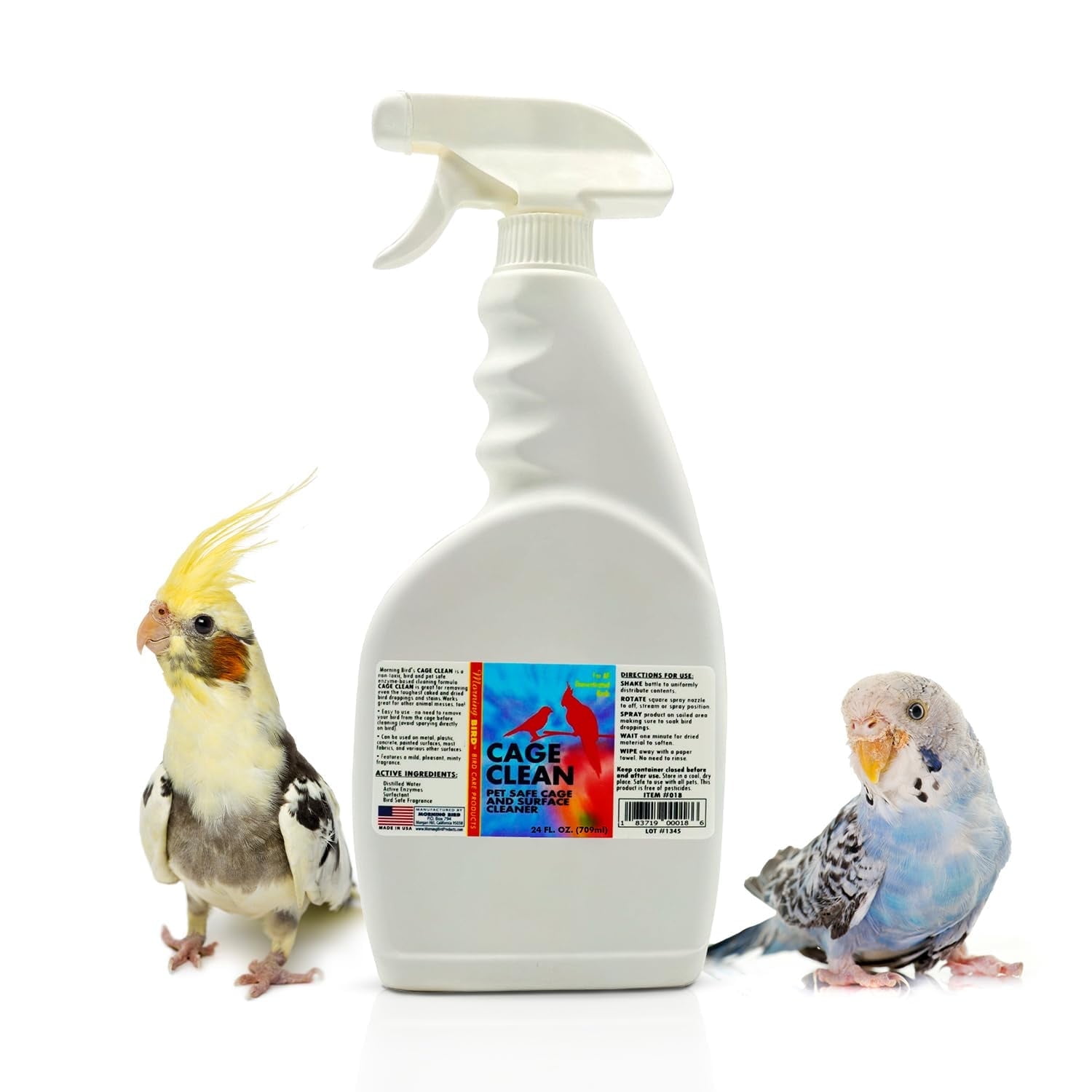
Credit: www.walmart.com
Risks Of Mice In Bird Cages
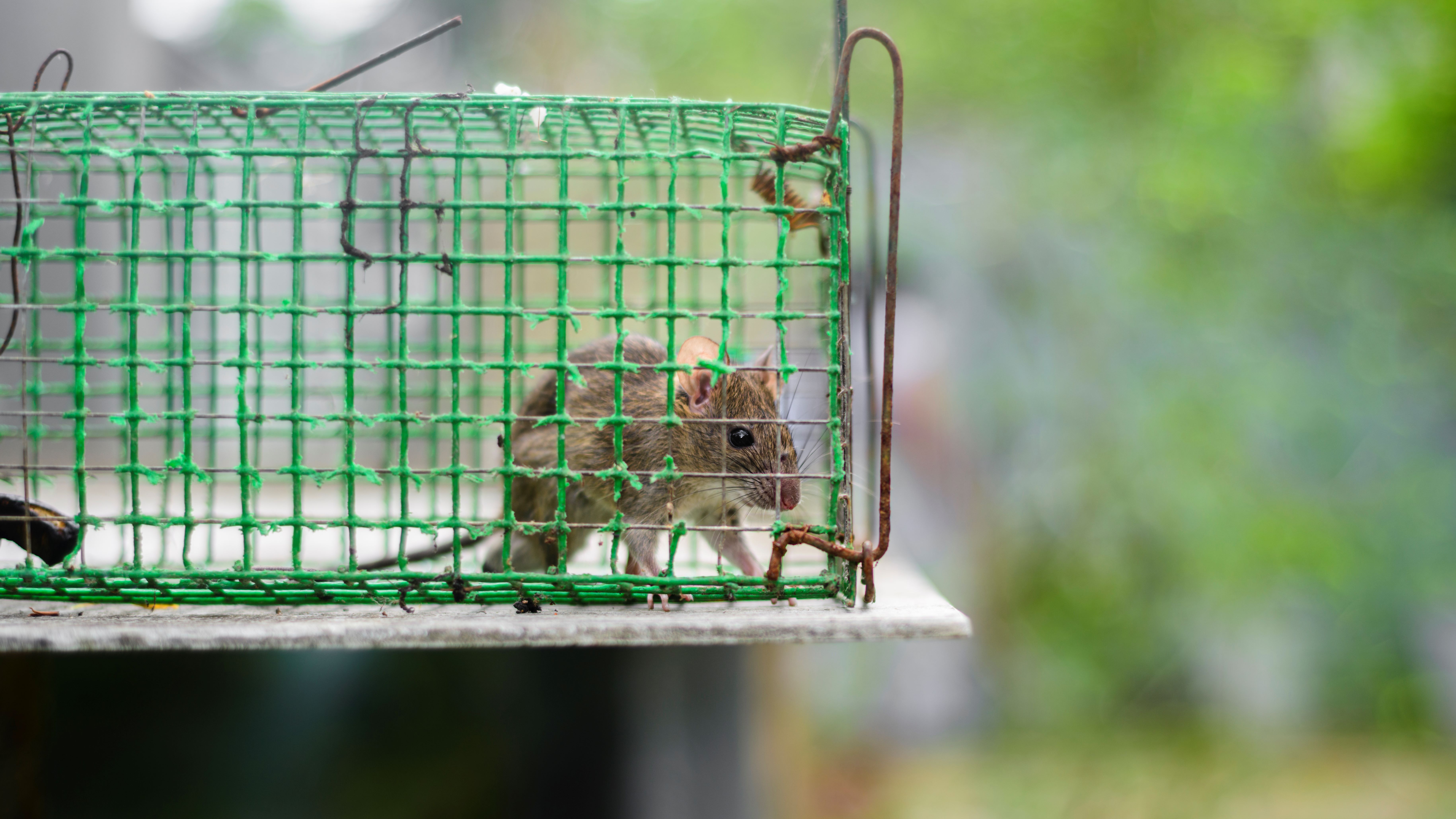
Mice can enter bird cages looking for food and shelter. They carry germs and dirt that harm birds.
It is important to clean bird cages well after mice visit. This stops birds from getting sick.
Health Hazards For Birds
Mice can spread diseases to birds through their droppings and urine. Birds may catch infections easily.
Birds can also get parasites brought by mice. This causes stress and weakens their immune system.
- Disease spread like salmonella and hantavirus
- Parasite infections from mites and fleas
- Respiratory problems from ammonia in mouse urine
- Stress and weakened bird health
Common Contaminants Left By Mice
Mice leave behind droppings, urine, and fur inside bird cages. These contaminants carry harmful bacteria.
Leftover food crumbs and nesting materials from mice attract more pests. This makes cleaning harder.
- Mouse droppings and urine with bacteria
- Fur and hair that can cause allergies
- Food crumbs that grow mold and germs
- Nesting materials that hide pests

Credit: www.reddit.com
Preparing For Cage Cleaning
Cleaning a bird cage after mice infestation is important for your bird’s health. You must prepare well to do the job safely and effectively.
Preparation helps you avoid spreading germs and protects yourself during the cleaning process.
Gathering Necessary Supplies
Collect all items you need before starting. This saves time and keeps the cleaning organized.
Use strong disinfectants safe for birds. Have gloves and cleaning tools ready.
- Rubber or latex gloves
- Bird-safe disinfectant spray or solution
- Scrub brush or sponge
- Trash bags for waste
- Paper towels or clean cloths
- Protective apron or old clothes
- Bucket with warm water
Ensuring Personal Safety
Wear protective gear to avoid contact with harmful germs and mouse droppings. This reduces health risks.
Work in a well-ventilated area. Avoid breathing in dust or fumes from cleaning products.
- Wear gloves to protect your hands
- Use a mask to avoid inhaling dust or chemicals
- Put on goggles to protect your eyes
- Wear old clothes or an apron to keep clean
- Wash hands thoroughly after cleaning
Removing Mice Droppings And Debris
Cleaning a bird cage after mice have been inside is very important. Mice droppings can carry germs that harm your birds.
Remove all droppings and debris carefully to keep the cage safe and clean for your birds.
Safe Disposal Techniques
Wear gloves and use a mask before handling droppings or debris. This helps protect you from germs.
Place droppings and used cleaning materials in a sealed plastic bag. Throw the bag in an outdoor trash bin to stop germs from spreading inside your home.
- Use gloves and a mask
- Pick up droppings with paper towels
- Seal waste in a plastic bag
- Dispose of waste outside the house
- Wash your hands well after disposal
Avoiding Cross-contamination
Do not use the same cleaning tools on other cages or pet areas. This stops germs from spreading to other places.
Clean and disinfect all tools after use. Change gloves often during cleaning to keep the area safe.
- Keep cleaning tools separate for each cage
- Disinfect tools after cleaning
- Change gloves if they get dirty
- Wash hands thoroughly after cleaning
Credit: www.infectiousscience.org
Choosing The Right Disinfectants
Cleaning a bird cage after mice requires careful disinfecting. The disinfectant must kill germs and be safe for birds.
Choosing the right disinfectant helps protect your bird’s health. Avoid harsh chemicals that can harm them.
Bird-safe Cleaning Agents
Bird-safe cleaning agents kill germs without hurting birds. These cleaners are gentle and non-toxic.
Use products made for bird cages or natural cleaners like vinegar. Always rinse well after cleaning.
- White vinegar mixed with water cleans and disinfects
- Unscented mild dish soap removes dirt safely
- Hydrogen peroxide in low concentration disinfects well
- Commercial bird-safe disinfectants are available
Natural Vs Chemical Disinfectants
Natural disinfectants come from plants or mild chemicals. They are safer but may need longer contact time.
Chemical disinfectants work fast but can harm birds if not used right. Some chemicals leave toxic residues.
- Natural: vinegar, baking soda, hydrogen peroxide
- Chemical: bleach, ammonia, quaternary ammonium compounds
- Rinse cages well after using any disinfectant
- Check if the product is bird-safe before use
Step-by-step Disinfection Process
Cleaning a bird cage after mice have been in it is very important. Mice can leave germs and dirt that harm your bird’s health.
This guide shows how to disinfect the cage safely and well to protect your pet bird.
Cleaning The Cage Thoroughly
First, remove your bird and all toys, food bowls, and accessories from the cage. Wear gloves to protect your hands.
Use warm water and soap to scrub all parts of the cage. Clean every corner where mice might have left dirt or droppings.
- Take out the bottom tray and wash it well.
- Scrub cage bars with a brush and soapy water.
- Clean toys and food containers separately.
- Throw away old bedding or liners.
Applying Disinfectants Properly
After cleaning, apply a bird-safe disinfectant to kill germs left by mice. Follow the product instructions carefully.
Make sure to cover all cage surfaces, including bars, corners, and accessories. Avoid using harsh chemicals that can hurt birds.
- Use a diluted bleach solution (1 part bleach to 10 parts water) or a commercial bird-safe cleaner.
- Apply disinfectant with a spray bottle or cloth.
- Let it sit for at least 10 minutes to kill bacteria and viruses.
Rinsing And Drying
Rinse the cage and all parts with clean water to remove any disinfectant residue. This step is very important for your bird’s safety.
Dry the cage completely before putting your bird and accessories back inside. Use a clean towel or air dry in sunlight if possible.
- Rinse thoroughly to avoid chemical build-up.
- Dry in a well-ventilated area.
- Check that the cage is fully dry to prevent mold growth.
Cleaning Cage Accessories And Toys
Cleaning bird cage accessories and toys is key after mice contamination. Dirt and germs hide in small spaces.
Proper cleaning keeps your bird safe and healthy. Use gentle, safe methods to remove bacteria and viruses.
Safe Cleaning Methods
Use warm water and mild soap to wash toys and accessories. Avoid harsh chemicals that harm birds.
- Remove all debris and dirt before washing.
- Soak items in a mixture of water and white vinegar for 10 minutes.
- Rinse thoroughly with clean water to remove soap or vinegar.
- Dry completely to prevent mold and bacteria growth.
- Use a soft brush to clean hard-to-reach areas.
Frequency Of Disinfection
Disinfect cage accessories and toys regularly to keep germs away. Increase frequency if mice were present.
| Item | Normal Cleaning | After Mice Exposure |
|---|---|---|
| Toys | Weekly | Daily for 1 week |
| Perches | Weekly | Daily for 1 week |
| Food and Water Bowls | Daily | Twice daily for 1 week |
| Cage Liners | Weekly | Replace daily for 1 week |
Preventing Future Mice Infestations
After disinfecting a bird cage following a mice problem, it is important to prevent mice from returning. Taking simple steps can keep your cage and home safe from new mice.
Preventing mice helps protect your birds and keeps the area clean and healthy.
Sealing Entry Points
Mice enter through small holes and cracks. Sealing these stops them from coming back. Check all walls, windows, and doors near the bird cage.
Use materials like steel wool or caulk to close gaps. Make sure vents and pipes are also covered.
- Look for holes bigger than a quarter inch
- Seal cracks in walls and floors
- Fix torn window screens
- Cover vents with mesh
- Check doors for gaps and use weather stripping
Maintaining Clean Surroundings
Keep the area around the bird cage free of food scraps and clutter. Mice are attracted to food and hiding spots.
Clean regularly and store bird food in sealed containers. Remove trash daily and avoid letting water spill near the cage.
- Store food in airtight containers
- Clean bird cage daily
- Remove uneaten food promptly
- Take out trash every day
- Keep floor and corners free of debris
Monitoring Bird Health Post-cleaning
After cleaning your bird’s cage following a mice infestation, keep a close eye on your bird’s health. Cleaning removes germs, but your bird may still feel stressed or sick.
Watch your bird daily for any changes in behavior or health. Early detection of problems helps your bird recover quickly.
Signs Of Illness To Watch For
Birds often hide illness. Look for these common signs that your bird may be unwell:
- Fluffed-up feathers that stay ruffled for hours
- Loss of appetite or refusal to eat
- Changes in droppings, such as color or consistency
- Labored or noisy breathing
- Swelling or redness around eyes or beak
- Unusual lethargy or sleeping more than usual
- Constant scratching or feather plucking
When To Consult A Veterinarian
If you notice any signs listed above, contact a vet quickly. Some symptoms need urgent care to prevent serious illness.
| Symptom | Action |
| Difficulty breathing | Call vet immediately |
| Loss of appetite over 24 hours | Schedule a vet visit |
| Swollen or red eyes | Seek veterinary advice |
| Unusual droppings for 2 days | Monitor and consult vet |
| Severe lethargy or weakness | Get emergency care |
Frequently Asked Questions
How To Safely Disinfect A Bird Cage After Mice Infestation?
Start by removing all birds and accessories from the cage. Use a bird-safe disinfectant to clean all surfaces. Scrub thoroughly to remove droppings and urine. Rinse well and let the cage dry completely before reintroducing birds.
What Disinfectants Are Safe For Bird Cages Post Mice?
Use disinfectants labeled as non-toxic and safe for birds. Common options include diluted vinegar, hydrogen peroxide, or bird-safe enzymatic cleaners. Avoid harsh chemicals like bleach unless heavily diluted and rinsed thoroughly to prevent bird harm.
How Often Should I Disinfect My Bird Cage After Mice?
Disinfect the cage immediately after detecting mice presence. Continue cleaning weekly to maintain hygiene and prevent infections. Regular cleaning reduces disease risk and keeps your bird’s environment safe and healthy.
Can Mice Carry Diseases Harmful To Birds?
Yes, mice can carry bacteria and viruses harmful to birds. Their droppings and urine can spread salmonella and other infections. Proper disinfection is crucial to protect your birds from potential health risks.
Conclusion
Cleaning a bird cage after mice is crucial for bird health. Regular disinfection prevents disease. It keeps your feathered friend safe and happy. Follow simple steps to ensure a clean environment. Use mild, bird-safe cleaning solutions. Rinse thoroughly to remove all residues.
Dry completely before returning your bird. Check for any damage caused by mice. Repair any holes to prevent future invasions. Consistent cleaning routines protect your pet. A clean home means a healthy bird. Prioritize their well-being with these straightforward steps.
Keep your bird’s cage a safe haven.