
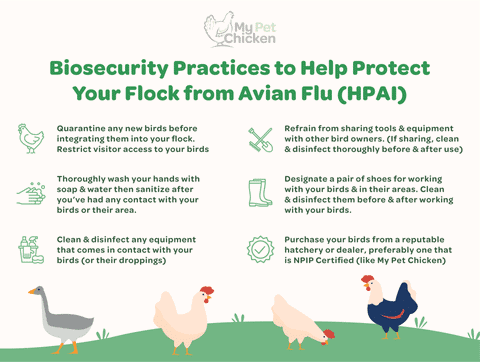
Are you worried about bird flu germs lurking on your shoes? You should be.
Learning how to disinfect shoes from bird flu safely is essential because bird flu can spread through contact with contaminated surfaces, and your shoes are often the first to pick up harmful viruses. But don’t panic—disinfecting your shoes properly can protect you and your loved ones from getting sick. You’ll discover simple, effective steps to kill bird flu viruses on your footwear.
Keep reading to learn how to keep your shoes clean and your home safe.
Credit: birdsandexotics.com
Risks Of Bird Flu On Shoes
Shoes can carry bird flu viruses from outside to inside homes. Walking in places with infected birds spreads the virus. This puts people and pets at risk.
Bird flu on shoes can contaminate floors and surfaces. It is important to clean and disinfect shoes to prevent infection.
How Bird Flu Spreads
Bird flu spreads through contact with infected birds or their droppings. The virus can live on surfaces for hours or days. People can catch the virus by touching these surfaces.
Shoes pick up the virus when walking in places with bird droppings. The virus then moves to homes, offices, and other places where shoes are worn.
- Infected bird droppings contain the virus
- Virus stays active on wet or moist surfaces
- Shoes carry virus from outdoor to indoor areas
- Touching contaminated surfaces spreads the virus
Why Shoes Are Contaminated
Shoes often touch the ground, where bird droppings fall. Dirt and moisture help the virus stick to shoes. Walking near farms or parks with birds raises the risk.
Shoes can carry viruses on soles and sides. This contamination can spread bird flu to clean places. Proper shoe cleaning helps reduce this risk.
- Shoes contact bird droppings on streets and yards
- Porous shoe materials hold viruses longer
- Walking through wet areas spreads virus on shoes
- Bringing shoes indoors spreads contamination

Credit: www.amazon.com
Choosing The Right Disinfectants
Cleaning shoes after exposure to bird flu is very important. Using the right disinfectant kills the virus and keeps you safe.
Not all disinfectants work well against bird flu. Picking the right one helps stop the spread of the virus effectively.
Effective Chemicals Against Bird Flu
Certain chemicals kill the bird flu virus quickly. These disinfectants can be used safely on shoes if instructions are followed.
- Bleach (Sodium hypochlorite) is strong and kills the virus fast.
- Alcohol solutions with at least 70% alcohol work well.
- Hydrogen peroxide breaks down the virus easily.
- Quaternary ammonium compounds are effective for surface disinfection.
Always dilute chemicals properly and test on a small shoe area first. Some chemicals may damage certain shoe materials.
Natural Vs Chemical Disinfectants
Natural disinfectants come from plants or minerals. They are safer but may not kill bird flu virus as fast as chemicals.
Chemical disinfectants act faster and are proven to kill the virus. They need careful handling to avoid damage or harm.
- Natural options: vinegar, tea tree oil, and lemon juice.
- Chemical options: bleach, alcohol, hydrogen peroxide.
- Natural disinfectants may take longer to work.
- Chemicals require careful use but kill virus quickly.
Step-by-step Shoe Disinfection
Bird flu can spread through contaminated surfaces like shoes. Cleaning shoes properly helps stop this spread. Follow these steps to disinfect your shoes safely and well.
This guide covers how to prepare, disinfect, dry, and store your shoes after exposure.
Preparing Shoes For Cleaning
Before disinfecting, remove dirt and debris. This step makes disinfectants work better and keeps shoes from damage.
- Take off any loose dirt with a brush or cloth.
- Remove the insoles and laces for separate cleaning.
- Check shoes for damage that may need repair before cleaning.
- Wear gloves to protect your hands from germs.
Applying Disinfectants Safely
Use the right disinfectant and apply it carefully. This step kills bird flu viruses on shoe surfaces without harm.
| Disinfectant | How to Use | Precautions |
|---|---|---|
| Bleach Solution (1:10) | Apply with cloth or spray; let sit 10 minutes. | Do not mix with other cleaners; use gloves. |
| Alcohol (70%) | Spray evenly; air dry. | Keep away from flames; avoid eye contact. |
| Commercial Shoe Disinfectant | Follow product instructions exactly. | Use in well-ventilated area. |
Drying And Storing Shoes
Dry shoes fully before storing to stop mold and bacteria growth. Store in a clean, dry place.
- Air dry shoes away from direct sunlight or heat.
- Stuff shoes with paper towels to keep shape and absorb moisture.
- Store shoes in a breathable bag or box.
- Clean storage areas regularly to reduce contamination risk.
Credit: birdsandexotics.com
Preventing Future Contamination
Bird flu can spread through contaminated shoes. Taking steps to prevent this is very important. Clean and disinfect shoes after exposure to bird flu areas.
Use proper methods to stop the virus from spreading. Protect yourself and others by following safety rules.
Protective Gear Recommendations
Wear protective gear before cleaning shoes exposed to bird flu. This gear stops the virus from touching your skin or clothes.
Use gloves, masks, and waterproof boots. These protect your hands, mouth, and feet from contamination.
- Wear disposable gloves to avoid direct contact
- Use a face mask to prevent breathing in virus particles
- Put on waterproof boots to protect your feet
- Wear old clothes that you can wash immediately
Safe Practices When Handling Shoes
Handle contaminated shoes carefully to stop virus spread. Avoid touching your face during cleaning and disinfecting.
Clean shoes outside if possible. Use disinfectants that kill bird flu viruses well.
- Remove dirt with a brush before disinfecting
- Spray or soak shoes with approved disinfectants
- Let shoes dry completely before use
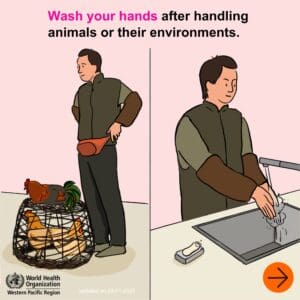
- Wash hands and clothes after handling shoes
- Dispose of gloves and masks safely after use
Disinfecting Different Types Of Shoes
Shoes can carry germs, including the bird flu virus. Cleaning them properly helps keep you safe. Different shoe materials need different care to remove germs well.
Use the right cleaning methods to avoid damage. This guide explains how to disinfect leather, fabric, mesh, rubber, and plastic shoes.
Cleaning Leather Footwear
Leather shoes need gentle cleaning to stay in good shape. Use a soft cloth and mild soap mixed with water. Avoid soaking the leather to prevent damage.
After cleaning, apply a disinfectant safe for leather. Wipe the shoes gently and let them dry at room temperature. Do not use strong chemicals or soak the leather.
- Use a damp cloth with mild soap
- Wipe down the surface carefully
- Apply leather-safe disinfectant
- Air dry away from direct heat
Sanitizing Fabric And Mesh Shoes
Fabric and mesh shoes can hold dirt and germs in their fibers. Brush off loose dirt first. Use a mix of water and gentle detergent to clean the surface.
Spray or wipe disinfectant that works on fabrics. Let the shoes dry completely in a well-ventilated area. Avoid direct sunlight to prevent fading.
- Brush off dirt before cleaning
- Use mild detergent with water
- Apply fabric-safe disinfectant
- Dry in a shaded, airy place
Care For Rubber And Plastic Shoes
Rubber and plastic shoes handle water and cleaning solutions well. Clean them with soap and warm water. Use a brush to scrub tough dirt.
Disinfect by wiping with a solution of bleach and water or using a disinfectant spray. Rinse thoroughly and let them air dry. Avoid harsh scrubbing to keep the surface smooth.
- Wash with soap and warm water
- Scrub dirt with a soft brush
- Use bleach solution or disinfectant spray
- Rinse and air dry completely
When To Replace Contaminated Shoes
Shoes contaminated with bird flu virus can spread infection. Knowing when to replace them is important for safety.
Cleaning helps but some damage means shoes cannot be saved. Replace shoes if they show signs of irreparable harm.
Signs Of Irreparable Damage
Check shoes carefully after cleaning. Look for these signs that mean you should replace them:
- Cracks or holes in the material where virus can hide
- Worn-out soles that cannot be disinfected properly
- Persistent bad odor after cleaning
- Faded or damaged lining inside the shoe
- Loose parts that trap dirt or moisture
Disposal Methods To Avoid Spread
Dispose of contaminated shoes safely to stop bird flu spread. Follow safe disposal methods:
| Disposal Method | Why to Avoid |
| Throwing in regular trash | Can spread virus to others handling waste |
| Burning in open air | Releases harmful smoke and may not fully destroy virus |
| Dumping in water bodies | Pollutes water and spreads virus in environment |
| Recycling without cleaning | Virus can survive and infect others |
Frequently Asked Questions
How Can I Safely Disinfect Shoes From Bird Flu?
Use a disinfectant with at least 70% alcohol or bleach solution. Clean shoes thoroughly, focusing on soles. Let them dry completely in sunlight for added safety.
Which Disinfectants Effectively Kill Bird Flu Viruses On Shoes?
Alcohol-based sprays (70%+), diluted bleach solutions, and commercial antiviral cleaners work best. Avoid harsh chemicals that damage shoe material. Follow product instructions carefully.
How Often Should Shoes Be Disinfected During A Bird Flu Outbreak?
Disinfect shoes after visiting high-risk areas, like farms or markets. Regular cleaning prevents virus spread. If exposure is suspected, disinfect immediately.
Can Sunlight Help Disinfect Shoes From Bird Flu?
Yes, sunlight’s UV rays can reduce viruses on shoes. After cleaning, leave shoes in direct sunlight for 1-2 hours for extra disinfection.
Conclusion
Keeping shoes clean from bird flu is crucial. Simple steps help ensure safety. Regular disinfecting can prevent potential health risks. Use effective cleaning agents like alcohol-based sprays. Avoid sharing shoes to limit contamination. Dry shoes thoroughly after cleaning to prevent bacteria growth.
Make hygiene a priority to protect yourself and others. Consistent care keeps your footwear safe. Stay informed about bird flu updates. Being proactive can make a big difference. Your health matters. Stay vigilant, stay safe.



