Are you tired of watching your favorite birds struggle to find a comfortable spot on your bird feeder? A small perch can make it hard for birds to land and enjoy the treats you offer.
But what if you could easily extend your bird feeder perch to welcome more feathered friends? You’ll discover simple, effective ways to give your bird feeder a little extra space. Imagine more birds visiting your yard, bringing life and color to your outdoor space.
Keep reading, and you’ll learn how to make your bird feeder more inviting in just a few easy steps.
Credit: www.kingsyard.com
Choosing The Right Feeder
Selecting a good bird feeder is key to extending the perch. The right feeder attracts birds and fits your space well. Think about how different feeders work for different birds.
Consider what materials last long and what size matches your needs. This helps you pick a feeder that works well and stays sturdy.
Types Of Bird Feeders
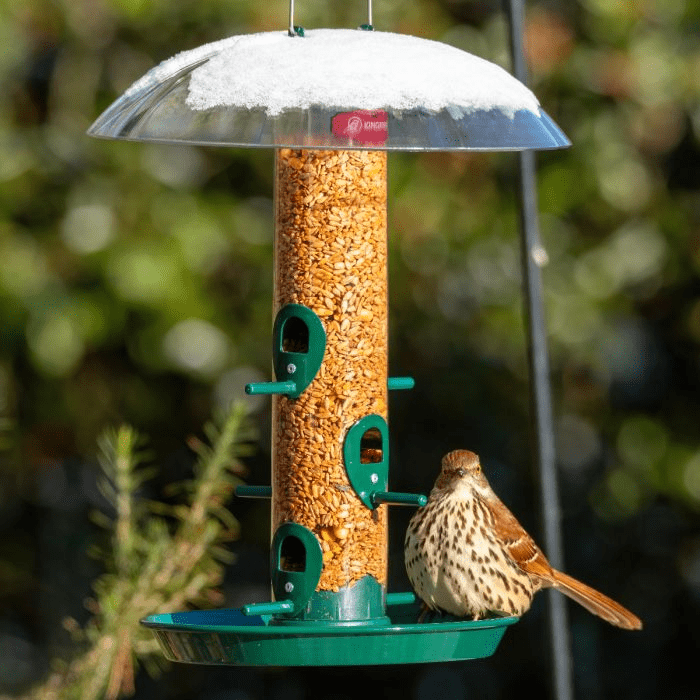
There are many bird feeders available. Tube feeders hold seeds and have small perches. Platform feeders are open and allow many birds to land at once. Hopper feeders store seeds inside and let birds eat from a tray.
- Tube feeders: good for small birds
- Platform feeders: great for many birds
- Hopper feeders: protect seeds from weather
- Suction feeders: stick to windows for close views
Materials For Durability
Choose feeders made with strong materials. Metal feeders last long but can get hot in sun. Plastic feeders are light but may crack in cold. Wood feeders look natural but need care to avoid rotting.
| Material | Durability | Maintenance |
| Metal | High | Low |
| Plastic | Medium | Medium |
| Wood | Medium | High |
| Glass | Low | High |
Size And Capacity Considerations
Pick a feeder size that fits your yard and bird population. Small feeders need refilling often. Large feeders hold more food and attract more birds.
- Small feeders: best for few birds or limited space
- Medium feeders: balance size and capacity
- Large feeders: good for many birds or big groups

Credit: www.walmart.com
Selecting Perch Extensions
Extending a bird feeder perch helps more birds rest and eat comfortably. Choosing the right perch extension is important for bird safety and feeder durability.
Consider different materials, sizes, and safety features. These choices affect how well the perch works and how safe it is for birds.
Popular Perch Materials
Common perch materials include wood, metal, and plastic. Each material has benefits and drawbacks for birds and feeders.
- Wood: Natural and comfortable for birds. It can wear down but is safe and easy to replace.
- Metal: Strong and durable. It may get hot in the sun, which can bother birds.
- Plastic: Lightweight and weather-resistant. Some plastics may be slippery or less sturdy.
Length And Thickness Options
Perch length should give enough space for multiple birds. A length between 6 and 12 inches works well for most feeders.
Thickness affects bird grip and comfort. Perches around 0.5 to 1 inch thick suit most small to medium birds.
- Longer perches allow more birds to perch together
- Thicker perches are easier for bigger birds to grip
- Too thin perches can hurt small birds’ feet
Safety For Birds
Safety is key when choosing a perch extension. Avoid materials or designs that can harm birds.
Check for sharp edges, loose parts, and toxic finishes. Make sure the perch is stable and easy to clean.
- Use non-toxic paint or natural finishes
- Sand rough or sharp edges smooth
- Secure the perch firmly to prevent wobbling
- Choose weather-resistant materials to avoid decay
Diy Perch Extension Methods
Extending a bird feeder perch lets more birds rest comfortably. You can make simple additions using easy materials. This guide shows three ways to add extra space.
Each method uses common tools and items you might have at home. Choose the one that fits your feeder and your skill level.
Using Wooden Dowels
Wooden dowels are a cheap and natural choice for perch extensions. They are sturdy and easy to cut to size.
- Measure the current perch length and decide how much to add.
- Cut a wooden dowel to the desired length.
- Sand the ends smooth to protect birds’ feet.
- Use waterproof wood glue to attach the dowel to the existing perch.
- Clamp or hold the pieces together until dry.
- Optionally, paint with non-toxic paint for weather protection.
Attaching Metal Rods
Metal rods offer a strong and slim perch extension. They resist weather damage and last longer.
| Material | Benefits | Tools Needed |
| Aluminum Rod | Lightweight, rust-resistant | Drill, screws, metal file |
| Steel Rod | Very strong, durable | Drill, screws, rust-proof paint |
| Brass Rod | Attractive, corrosion-resistant | Drill, screws, metal polish |
Drill holes in the metal and the feeder perch. Attach the rod using screws or bolts. Sand sharp edges for safety.
Repurposing Household Items
You can use many items around the house to extend a perch. Items like pencils, chopsticks, or thin sticks work well.
- Pencils or colored pencils
- Wooden chopsticks
- Thin paint stir sticks
- Old knitting needles (plastic or metal)
- Reusable metal straws (cleaned)
Glue or tape these items firmly to the existing perch. Make sure the connection is tight and safe for birds.
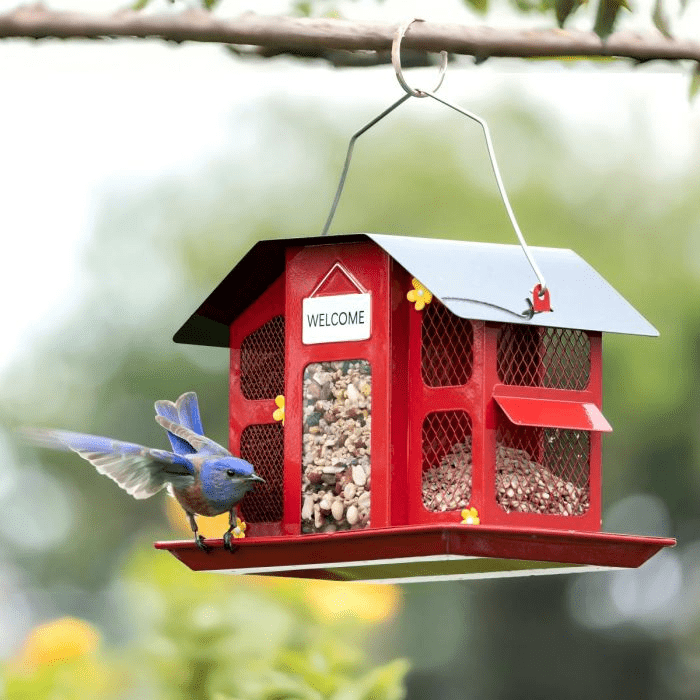
Credit: www.kingsyard.com
Installation Tips
Extending a bird feeder perch can attract more birds to your feeder. Proper installation makes the extension safe and sturdy.
This guide shares key tips to install your bird feeder perch extension correctly. Follow these steps for the best results.
Securing Extensions Firmly
Make sure the extension is tightly fixed to the original perch. Loose parts can scare birds or fall off.
- Use weather-resistant screws or nails for attachment.
- Tighten bolts with a screwdriver or wrench.
- Check the connection after installation to avoid wobbling.
- Wrap joints with sturdy tape for extra grip if needed.
Balancing Weight
Balance the perch extension to keep the feeder stable. Uneven weight can tip the feeder over.
| Balance Tip | Reason |
| Place extension evenly on both sides | Prevents tipping |
| Use lightweight materials | Keeps feeder stable |
| Check weight after adding food | Avoids sudden imbalance |
Weatherproofing Techniques
Protect the perch extension from rain and sun. Weatherproofing helps it last longer.
Try these weatherproofing tips:
- Apply outdoor-safe sealant or paint.
- Cover metal parts with rust-proof coating.
- Use waterproof glue for joints.
- Inspect and reapply coatings every few months.
Attracting More Birds
Extending your bird feeder perch can welcome more birds to your yard. Birds need space and comfort to land and feed. A longer perch gives them room to sit and enjoy the food.
Besides perch size, choosing the right seeds, placing feeders well, and keeping feeders clean helps attract more birds. Let’s look at these key points.
Choosing The Right Seeds
Different birds prefer different seeds. Picking the right seeds brings a variety of birds to your feeder. Some seeds attract many types of birds.
- Black oil sunflower seeds attract finches, chickadees, and cardinals.
- Nyjer seeds are loved by goldfinches and siskins.
- Millet is popular with sparrows and juncos.
- Peanuts attract woodpeckers, nuthatches, and titmice.
- Safflower seeds are good for cardinals and grosbeaks.
Placement Of Feeders
Where you place your bird feeder affects how many birds visit. Birds like safe spots with good views. Place feeders near trees or shrubs for shelter.
| Placement Area | Benefit |
| Near Trees or Shrubs | Provides shelter and quick escape |
| Open Spaces | Easy landing and takeoff |
| Away from Windows | Prevents bird collisions |
| Quiet Areas | Less disturbance from people and pets |
Maintaining Cleanliness
Clean feeders keep birds healthy and happy. Dirty feeders can spread disease and scare birds away. Clean your feeders often with warm soapy water.
- Remove old seeds and hulls daily.
- Wash feeders every two weeks.
- Rinse feeders well to remove soap.
- Dry feeders before refilling with fresh seeds.
- Check for mold or pests regularly.
Troubleshooting Common Issues
Extending a bird feeder perch can bring more birds to your feeder. Sometimes, problems can happen while doing this. Fixing these problems helps keep birds safe and happy.
This guide covers three common issues: stopping squirrels, handling many birds, and fixing loose perches.
Preventing Squirrel Access
Squirrels often try to reach bird feeders and can damage the perch. To stop them, you need to make the perch hard to reach.
Use barriers or special designs that squirrels cannot climb or jump over. This keeps your feeder for birds only.
- Install a baffle below the feeder to block squirrels
- Choose metal or slippery materials for the perch
- Place the feeder away from trees or walls squirrels use to jump
Dealing With Overcrowding
Too many birds on a small perch can cause crowding. This makes birds uncomfortable and can break the perch.
Adding more space or extra perches helps birds sit comfortably and reduces fights.
- Add longer perches to give more room
- Attach multiple perches around the feeder
- Use wider perches for larger groups of birds
Fixing Loose Perches
A loose perch can fall off or cause birds to feel unstable. Tighten screws or nails to fix this issue.
If the perch is broken, replace it with a strong, weather-resistant material to last longer.
- Check screws or nails regularly and tighten them
- Use wood glue or waterproof adhesive for extra hold
- Replace broken parts quickly to avoid accidents
Frequently Asked Questions
How Can I Extend A Bird Feeder Perch Safely?
Use a sturdy dowel or metal rod to extend the perch. Attach it securely with waterproof adhesive or screws. Ensure the extension is stable and can support bird weight without tipping or falling.
What Materials Work Best For Bird Feeder Perch Extension?
Wooden dowels, metal rods, or durable plastic tubes work best. Choose weather-resistant materials to withstand outdoor conditions. Smooth the surface to avoid hurting birds’ feet.
Will Extending The Perch Attract More Birds?
Yes, a longer perch offers more space for birds to land and feed. It can attract different bird species and reduce competition. Ensure the extension is safe and stable for best results.
Can Extending The Perch Affect Bird Feeder Stability?
Improperly attached extensions can cause imbalance. Secure the perch firmly to prevent wobbling. Use lightweight materials to avoid adding excessive weight to the feeder.
Conclusion
Creating a longer perch for your bird feeder is simple. Birds will enjoy having more space to sit. This small change attracts more birds to your garden. You can enjoy watching them every day. It also helps birds find food easily.
Your feeder becomes a favorite spot for them. This makes birdwatching more fun and rewarding. It enhances your outdoor space with lively visitors. Try it and see the difference in your garden. Your effort will bring joy to both you and the birds.
Enjoy the beauty of nature right in your backyard.