Are you curious about how to provide the best nutrition for your feathered friend? How to Feed a Bird Fruit Flies might seem straightforward, but when it comes to offering them this tiny insect, the process can be a bit more nuanced.
You might wonder why fruit flies are an excellent choice for your bird’s diet and how to incorporate them safely and effectively. This guide is here to help you unravel the mysteries of feeding birds these tiny insects. Discover why fruit flies are not just a treat but a nutritional powerhouse that can boost your bird’s health and vitality.
Stick with us, and you’ll soon be a pro at enriching your bird’s diet with these nutritious morsels.
Choosing The Right Fruit Flies
Feeding birds with fruit flies is a natural way to boost their diet. Birds enjoy these small insects because they are easy to catch and full of nutrients.
Picking the right type of fruit flies is important. Not all fruit flies suit every bird species. Learn where to find them and how to raise your own.
Types Suitable For Birds
Several fruit fly species are safe and healthy for birds. These include small and non-toxic varieties that birds can easily eat without harm.
- Drosophila melanogaster: Common and easy to find.
- Drosophila hydei: Larger and good for bigger birds.
- Drosophila simulans: Similar to melanogaster but less common.
Where To Find Them
Fruit flies live naturally on ripe or rotting fruits. You can find them in homes, gardens, and markets with fresh produce.
| Location | Fruit Fly Species | Notes |
| Kitchen fruit bowl | Drosophila melanogaster | Common in homes |
| Outdoor fruit trees | Drosophila hydei | Found on fallen fruit |
| Grocery stores | Drosophila simulans | Near fresh produce |
Cultivating Your Own Colony
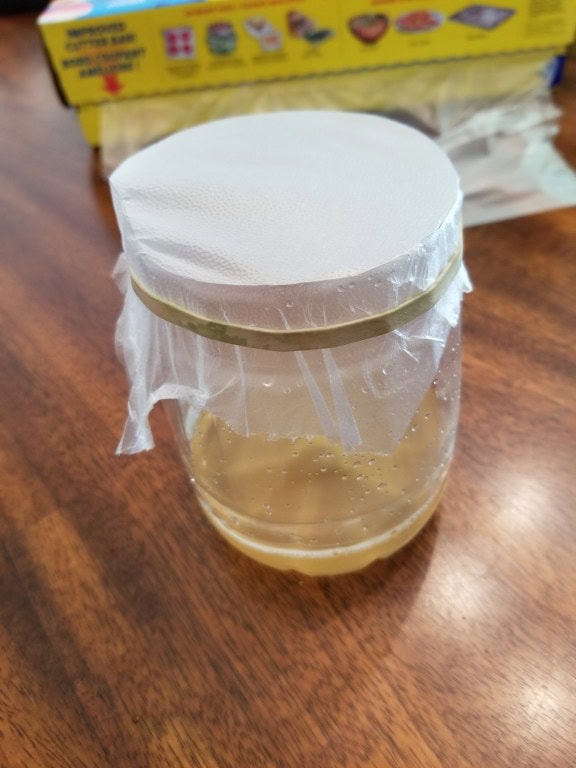
Raising fruit flies at home is simple and ensures a steady supply. You only need a container, fruit, and proper care to start your colony.
- Fill a container with mashed ripe fruit or a fruit mix.
- Add some adult fruit flies to the container.
- Cover the container with a breathable cloth.
- Keep the container in a warm place, away from direct sun.
- Harvest flies after one to two weeks for feeding.
Credit: www.pestsolutions.co.uk
Preparing Fruit Flies For Feeding
Feeding birds fruit flies requires care to keep the flies safe and nutritious. Proper preparation helps birds stay healthy.
This guide covers key steps for handling, nutrition, and avoiding contaminants in fruit flies before feeding.
Safe Handling Practices
Handle fruit flies gently to avoid stress and injury. Use clean containers and tools to keep them safe.
- Keep flies in a cool, shaded area before feeding
- Use soft brushes or spoons to transfer flies
- Wash hands thoroughly before handling
- Avoid shaking or dropping the containers
Ensuring Nutritional Value
Fruit flies must have good nutrition to benefit birds. Feed them a healthy diet before offering.
| Feed Type | Benefit |
| Fruit pieces | Provides natural sugars |
| Yeast | Rich in proteins and vitamins |
| Vegetable scraps | Adds fiber and nutrients |
| Water source | Keeps flies hydrated |
Avoiding Contaminants
Keep fruit flies free from harmful chemicals and bacteria. Clean their environment often.
- Use fresh, chemical-free food for flies
- Clean containers with mild soap and water
- Remove dead flies daily
- Store flies away from pesticides and cleaning products
Feeding Techniques
Feeding birds fruit flies can be a healthy treat. It is important to use the right techniques. This helps keep your bird safe and happy.
Careful feeding supports good nutrition and natural behavior. You should learn how often and how much to feed. Also, use proper methods and watch your bird’s preferences.
Frequency And Quantity
Feed fruit flies to your bird in small amounts. Do this a few times a week. Too many fruit flies can upset their stomach or cause weight gain.
- Offer fruit flies two to three times a week.
- Start with a small handful or about 10-15 flies.
- Increase quantity slowly if your bird enjoys them.
- Do not feed fruit flies every day to avoid imbalance.
Feeding Methods
There are several ways to feed fruit flies to birds. Choose a method that is safe and easy to clean. Keep the feeding area free from mess.
| Method | Description | Tip |
|---|---|---|
| Hand Feeding | Offer fruit flies directly from your hand. | Use gloves if needed for hygiene. |
| Dish Feeding | Place fruit flies in a shallow dish. | Change flies daily to keep fresh. |
| Feeder Toys | Use toys that release flies slowly. | Encourages natural hunting behavior. |
Observing Bird Preferences
Watch how your bird reacts to fruit flies. Each bird has unique tastes. Some may eat many flies, others only a few.
- Note if your bird prefers live or dead fruit flies.
- Check if they like eating from your hand or a dish.
- Look for signs of excitement or disinterest.
- Adjust feeding style based on their behavior.
Credit: www.pestsolutions.co.uk
Health Benefits Of Fruit Flies
Fruit flies are a natural food source for many birds. They provide important nutrients that help keep birds healthy.
Feeding fruit flies to birds can support their immune system and overall growth. This makes them a great addition to a bird’s diet.
Nutritional Content
Fruit flies contain many nutrients that birds need. They are rich in proteins and vitamins. These nutrients help birds stay strong and active.
- High protein content for muscle repair
- Vitamins A and E for healthy feathers
- Essential fatty acids for energy
- Minerals like calcium and iron
Boosting Bird Immunity
Fruit flies help improve the bird’s immune system. The vitamins and minerals found in fruit flies protect birds from diseases.
| Vitamin | Benefit |
| Vitamin A | Supports eye health and immune function |
| Vitamin E | Acts as an antioxidant to protect cells |
| Iron | Helps produce healthy blood cells |
Supporting Growth And Development
Young birds grow faster when they eat fruit flies. The protein and nutrients help build strong bones and muscles.
Benefits of fruit flies for bird growth:
- Improved muscle strength
- Better feather quality
- Faster recovery from illness
- Healthy bone development
Common Mistakes To Avoid
Feeding fruit flies to birds can be a good treat. It gives birds extra nutrition and fun. Still, some mistakes can hurt your bird’s health.
Learn what to avoid when feeding fruit flies. This helps keep your bird safe and happy.
Overfeeding Risks
Giving too many fruit flies can cause health problems. Birds may gain too much weight or get sick from excess food.
Overfeeding also makes birds lazy. They may stop eating other important foods like seeds and fruits.
- Feed fruit flies only as a small treat.
- Watch how much your bird eats daily.
- Balance fruit flies with a healthy diet.
Using Unhealthy Fruit Flies
Fruit flies must be fresh and clean. Flies raised in dirty places can carry germs and cause illness.
Do not use flies caught outdoors. They may have been exposed to pesticides or toxins.
- Buy fruit flies from trusted sources.
- Check that flies are alive and active.
- Keep fruit flies in a clean container.
Ignoring Bird Behavior
Watch your bird’s reaction to fruit flies. If the bird does not want to eat, do not force it.
Changes in eating habits or mood may mean your bird is not comfortable with fruit flies.
- Notice if your bird eats fruit flies eagerly.
- Stop feeding if your bird shows stress signs.
- Give time for your bird to get used to new food.

Credit: www.youtube.com
Supplementing With Other Foods
Feeding birds fruit flies is good, but it is not enough. Birds need more types of food for a healthy life. Adding other foods helps them get all the nutrients they need.
This guide explains how to add other foods to a bird’s diet along with fruit flies. It covers diet balance, extra nutrients, and seasonal tips.
Balancing Diet
Birds need a mix of foods to stay healthy. Fruit flies provide protein but lack some vitamins and minerals. You should add seeds, fruits, and vegetables to balance the diet.
Offering a variety helps birds get enough energy and nutrients. Avoid feeding only one type of food. A balanced diet keeps birds active and strong.
- Include seeds like millet or sunflower
- Add fresh fruits such as apples or berries
- Offer vegetables like leafy greens or carrots
- Keep protein sources like boiled egg or mealworms
Complementary Nutrients
Fruit flies have protein but miss some important nutrients. Birds also need calcium, vitamins, and fats. These help with strong bones and good feathers.
Adding calcium-rich foods like crushed eggshells or cuttlebone helps. Fruits and vegetables provide vitamins A and C. Healthy fats come from nuts or seeds.
- Calcium sources: eggshells, cuttlebone, mineral blocks
- Vitamins: carrots, sweet potatoes, oranges
- Fats: sunflower seeds, peanuts, flaxseeds
Seasonal Considerations
Season changes affect what food is best for birds. Some foods are easier to find in certain seasons. Adjust the diet to match what is fresh and available.
In winter, birds may need more fat for warmth. In summer, fresh fruits and vegetables help keep them hydrated. Watch the bird’s needs and change food types accordingly.
- Winter: more fats and protein, less fresh fruits
- Spring: fresh greens and protein-rich insects
- Summer: fresh fruits and vegetables for hydration
- Fall: seeds and nuts for energy storage
Frequently Asked Questions
How Do I Safely Feed Fruit Flies To My Bird?
Ensure fruit flies are sourced from pesticide-free environments. Use a small container to present them. Avoid overfeeding to prevent digestive issues and maintain hygiene by cleaning feeding areas regularly.
What Types Of Birds Eat Fruit Flies?
Many small insectivorous birds, like finches and hummingbirds, enjoy fruit flies. These flies provide a rich protein source beneficial for their growth and energy.
Can Fruit Flies Be A Regular Part Of A Bird’s Diet?
Fruit flies can supplement a bird’s diet occasionally. They offer essential nutrients but should not replace balanced bird feed or natural food sources.
How To Breed Fruit Flies For Feeding Birds?
Use a fruit-based medium like banana or apple to culture fruit flies. Keep them in a warm, dark place. Harvest flies after a few days for feeding.
Conclusion
Feeding birds fruit flies can be simple and fun. Start with fresh, healthy flies for best results. Keep the feeding area clean to avoid problems. Watch your bird enjoy this natural treat. Small steps help your bird stay happy and healthy.
Try feeding fruit flies safely and enjoy the process. Birds appreciate variety in their diet too. Remember, care and patience make all the difference. Give your feathered friend a tasty, nutritious snack today.