How to Hydrate a Bird: Easy & Safe Care Guide Tips for Healthy Pets
Keeping your bird healthy starts with one simple but vital need: water. You might think your feathered friend drinks enough on its own, but are you really sure?
Proper hydration affects everything—from their energy to their feathers and even their mood. If you want to make sure your bird stays happy and lively, learning how to hydrate a bird the right way is crucial. You’ll discover easy, practical tips that you can apply immediately to keep your bird well-hydrated and thriving.
Ready to become the best caretaker your bird deserves? Let’s dive in.
Signs Of Dehydration In Birds
Birds need enough water to stay healthy. Dehydration can make birds weak and sick. It is important to notice the signs early.
Look for changes in the bird’s body and actions. These signs tell if a bird needs water fast.
Physical Indicators
Physical signs show the bird’s body condition. These signs help to spot dehydration.
- Dry or wrinkled skin
- Sunken eyes
- Fluffed feathers that do not smooth down
- Sticky or dry mouth and beak
- Weak or rapid heartbeat
- Loss of weight and muscle tone
Behavioral Changes
Dehydrated birds act differently than usual. Watch for these behavior changes to help your bird.
| Behavior | What It Means |
| Less active or weak | Bird feels tired and lacks energy |
| Less eating or drinking | Bird may not want food or water |
| Increased sleeping | Bird tries to save energy |
| Restless or anxious | Bird feels uncomfortable or sick |
| Fluffed up feathers | Bird tries to keep warm due to weakness |
Best Water Sources For Birds
Birds need clean water for drinking and bathing. Providing good water helps keep birds healthy. It also attracts them to your garden or yard.
Choosing the right water source is important. Some water options are better and safer for birds.
Fresh Water Options
Fresh water is the best choice for birds. It should be clean and changed often. Birds prefer shallow water for easy access.
- Use a birdbath with a shallow basin
- Fill containers with clean tap water
- Provide water in natural sources like ponds or streams
- Change water daily to prevent bacteria
- Keep water free from dirt and leaves
Safe Alternatives
If fresh water is scarce, use safe alternatives. Avoid salty or chemically treated water. Birds can get sick from unsafe water.
| Alternative Source | Description |
| Rainwater | Collected rainwater is clean and natural |
| Filtered water | Water passed through a filter to remove impurities |
| Distilled water | Pure water without minerals or chemicals |
| Natural puddles | Temporary water spots formed by rain |
Techniques To Encourage Drinking
Birds need water to stay healthy and active. Sometimes they do not drink enough on their own.
Using good techniques can help birds drink more water. This keeps them hydrated and happy.
Creating A Comfortable Environment
Birds drink more when they feel safe and calm. Place water bowls in quiet spots away from loud noise.
Keep the water area clean and free from clutter. This makes birds more willing to drink.
- Choose a calm, shaded place for water
- Avoid areas with strong smells or smoke
- Keep food and water bowls apart
- Clean water bowls daily
Using Water Dispensers And Baths
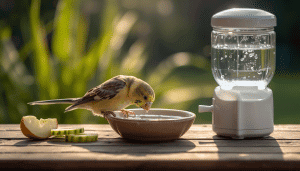
Water dispensers provide fresh water easily. Birds can drink anytime without stress.
Bird baths also encourage drinking and help birds cool down. Make sure baths are shallow and clean.
- Use drip or gravity water dispensers
- Refill dispensers regularly with fresh water
- Place bird baths in sunny spots for warmth
- Change bath water daily to prevent germs
Hydrating Sick or Injured Birds
Hydrating a sick or injured bird is important for its recovery. Birds can quickly become dehydrated if they are not drinking water. Knowing how to give water safely helps keep the bird healthy.
Use gentle methods to avoid causing stress or harm. Small amounts of water are better than too much at once. Watch the bird closely for signs of improvement or distress.
Using Syringes and Droppers
Syringes and droppers help give water to birds that cannot drink on their own. Use clean tools and warm water. Do not force water into the bird’s mouth quickly.
- Fill the syringe or dropper with a small amount of water.
- Hold the bird gently but firmly to prevent injury.
- Place the tip at the side of the bird’s beak, not directly in the throat.
- Slowly drip water into the mouth, allowing the bird to swallow.
- Stop if the bird shows signs of choking or distress.
- Repeat in small amounts until the bird is hydrated.
When To Seek Veterinary Help
Some signs mean a bird needs professional care. Dehydration and injury can worsen without treatment. A vet can give fluids safely and treat any wounds or illness.
| Warning Signs | Action Needed |
|---|---|
| Bird refuses to drink for more than 12 hours | Contact a veterinarian immediately |
| Bird shows difficulty breathing or choking | Seek emergency veterinary care |
| Bird has visible injuries or bleeding | Take the bird to a vet for treatment |
| Bird is weak, lethargic, or unresponsive | Get professional help without delay |
Preventing Dehydration
Birds need water every day to stay healthy. Dehydration can cause serious problems for them.
Knowing how to keep your bird hydrated helps prevent illness and keeps them active.
Maintaining Proper Cage Conditions
Keep your bird’s cage clean and dry to avoid water contamination. Change water daily to keep it fresh.
Make sure the cage is not too hot or too cold. Extreme temperatures can cause your bird to lose water quickly.
- Place water bowls in a shaded area inside the cage
- Use clean containers made for birds
- Check water levels twice a day
- Keep cage away from direct sunlight and drafts
Dietary Considerations
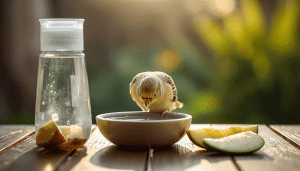
Offer fresh fruits and vegetables with high water content. These help your bird get extra hydration.
Avoid salty or dry foods that can make your bird thirsty. Balanced nutrition supports good hydration.
- Give cucumbers, apples, and leafy greens
- Limit seeds that are very dry
- Provide soaked pellets to add moisture
- Make sure fresh water is always available
Frequently Asked Questions
How Often Should I Give Water to My Bird?
Birds need fresh water daily to stay hydrated and healthy. Replace water every 24 hours to prevent bacteria growth and keep it clean.
What Is the Best Way to Hydrate a Bird?
Provide clean, fresh water in a shallow dish or water bottle. Offer fruits and veggies with high water content to boost hydration.
Can Birds Drink Tap Water Safely?
Tap water is usually safe if it’s clean and free of chemicals. Use filtered water if your tap water has chlorine or contaminants.
How Do I Know If My Bird Is Dehydrated?
Signs include dry eyes, lethargy, wrinkled skin, and sunken breast. If you notice these, increase water intake and consult a vet immediately.
Conclusion
Keeping birds hydrated ensures their health and happiness. Water is essential for every bird’s life. Regularly check their water supply. Clean bowls or containers daily. Fresh water keeps them healthy. Observe their drinking habits closely. Adjust methods if necessary. A hydrated bird is a lively bird.
Simple measures make a big difference. Your efforts help them thrive. Remember these tips for happy feathered friends. Caring for birds is rewarding. They rely on you. Your attention keeps them safe. Enjoy watching them flourish. Each sip of water counts.
Nurture your bond with these delightful creatures. Stay committed to their well-being.