Have you ever paused during a walk just to listen to the birds around you? Those chirps, whistles, and calls are more than just background noise—they tell stories about the birds nearby.
But how do you make sense of these sounds? Learning how to identify bird noises can turn ordinary moments into exciting discoveries. You’ll find simple tips and tricks to recognize different bird calls quickly. By the end, you’ll feel confident tuning in to nature’s hidden conversations whenever you want.
Ready to sharpen your ears and unlock the secrets of bird sounds? Let’s dive in.
Credit: apps.apple.com
Types Of Bird Sounds
Birds make different sounds to communicate. These sounds help them find mates, warn of danger, and mark territory.
Learning to identify bird noises helps you understand their behavior and recognize species around you.
Songs Vs Calls
Bird songs and calls are two main types of sounds. Songs are longer and more complex. Calls are short and simple.
- Songs:Used to attract mates and defend territory.
- Calls:Used for alarms, contact, and feeding signals.
- Songs:Usually sung by males during breeding season.
- Calls:Made by both males and females all year.
Common Bird Noises
| Noise Type | Description | Example Bird |
|---|---|---|
| Chirp | Short, sharp sound for communication | Sparrow |
| Whistle | Clear, musical tone often in songs | Robin |
| Caw | Loud, harsh call used as alarm | Crow |
| Trill | Rapid repetition of notes in songs | Warbler |
| Click | Soft mechanical sound for contact | Woodpecker |
Tools For Bird Sound Identification
Listening to bird sounds is a fun way to learn about birds. Different tools can help you identify their calls and songs. These tools make it easier to recognize birds by their sounds.
This guide explains three helpful tools: mobile apps, field guides, and recording equipment. Each tool has its own use and benefits for bird sound identification.
Mobile Apps
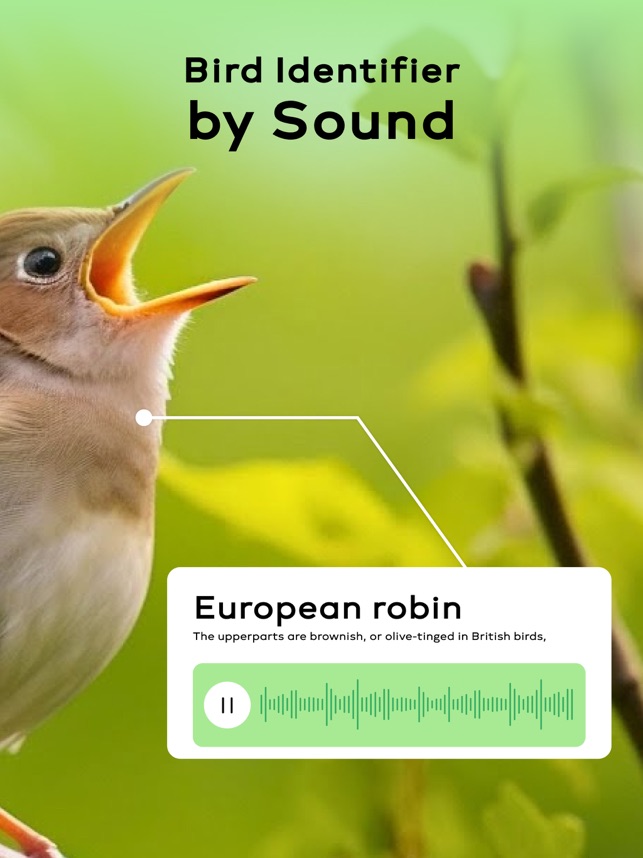
Mobile apps let you listen to bird sounds anytime. They have large libraries of bird calls from many species. Some apps can even listen to a bird and suggest possible matches.
- Play recorded bird calls to compare with what you hear
- Use sound recognition to identify birds nearby
- Save your favorite bird sounds for later review
- Access bird information and photos in one place
Field Guides
Field guides offer written descriptions and pictures of birds. Many guides include information about bird sounds. They help you learn how to match sounds with bird species.
| Type of Field Guide | Sound Features | Use |
| Printed Book | Descriptions and notes about calls | Good for outdoor use without internet |
| Audio Companion CD | Recorded bird songs and calls | Listen and learn specific sounds |
| Digital Guide | Interactive sound clips and pictures | Easy to search and carry on mobile |
Recording Equipment
Recording equipment captures bird sounds clearly. Good recordings help you study bird calls later. You can compare recordings with known sounds to identify birds.
- Use a directional microphone for clear sounds
- Choose a recorder with high-quality audio
- Record in quiet places to avoid background noise
- Label recordings with date and location for reference
Listening Techniques
Bird noises tell us a lot about the birds around us. Learning how to listen carefully helps us identify these sounds.
Using good listening techniques makes it easier to recognize different bird calls and songs.
Where To Listen
Choose places where birds like to gather. Parks, forests, and near water are great spots.
Stay quiet and find a spot with little noise from people or machines.
- Wooded areas with many trees
- Near lakes or rivers
- Open fields with bushes
- Gardens with flowers and shrubs
When To Listen
Birds are most active in the early morning and late afternoon. These times are best for listening.
Listen after rain or on warm days when birds sing more often.
- Just after sunrise
- Before sunset
- During calm, warm weather
- After rain showers
Focusing On Patterns
Bird sounds often follow patterns. Listen for repeated notes and rhythms.
Notice if the sounds change in pitch or speed. These clues help identify the bird.
- Count how many notes in a call
- Listen for rising or falling tones
- Notice if the call repeats regularly
- Pay attention to changes in loudness

Credit: www.reddit.com
Recognizing Bird Calls By Habitat
Bird sounds vary depending on where the birds live. Each habitat has common bird calls to learn. Listening closely helps identify birds in their natural homes.
This guide covers bird calls in forests, wetlands, and urban areas. Knowing these sounds makes birdwatching more rewarding.
Forests And Woodlands
Birds in forests often have sharp, clear calls. These calls help them communicate over long distances among trees. Listen for whistles, trills, and repeated notes.
- The woodpecker’s drumming sound is common in woodlands.
- Owls give hooting calls at night.
- Songbirds use melodious whistles to mark territory.
- Wood thrushes produce flute-like phrases.
Wetlands And Marshes
Wetland birds often have loud, harsh calls to cut through water and reeds. Their calls include croaks, squawks, and trills. These sounds help birds find mates and warn of danger.
| Bird Species | Typical Call |
| Great Blue Heron | Deep, harsh croak |
| Red-winged Blackbird | Sharp, conk-la-ree! |
| Marsh Wren | Chattering trills |
| American Bittern | Low, booming sound |
Urban Areas
Birds in cities use short, simple calls. These sounds stand out over traffic noise. Many birds repeat their calls often to stay heard.
Common urban bird calls include:
- House sparrows chirp quickly in short bursts.
- Pigeons coo softly with repeated phrases.
- Starlings mimic other bird sounds and whistles.
- American robins sing clear, melodic songs early in the morning.
Training Your Ear
Listening to bird sounds is a skill you can improve with time. Training your ear helps you notice small differences in bird noises.
With practice, you can tell one bird from another just by their calls or songs. This makes birdwatching more fun and rewarding.
Repetition And Practice
Hearing bird sounds often helps you remember them better. Listen to the same bird calls many times to get used to their patterns.
Try to practice in different places and times of the day. This helps you learn how birds change their sounds in different situations.
Using Playback
Playback means listening to recorded bird sounds. Use recordings to compare and learn bird calls at your own pace.
Play the sounds repeatedly and try to copy them. This helps you recognize the sounds better when you hear them outside.
- Find clear and high-quality bird sound recordings
- Listen in a quiet place to focus
- Repeat sounds until you can identify them easily
Joining Birding Groups
Birding groups offer a chance to learn from others. Listening to experienced birders can improve your skills fast.
Group outings allow you to hear many bird calls in nature. You can ask questions and share tips with other bird watchers.
- Join local bird watching clubs
- Attend guided bird walks
- Participate in online birding communities
Common Mistakes To Avoid
Listening to bird noises can be tricky for beginners. Many people make errors that stop them from identifying sounds correctly.
Understanding common mistakes helps you listen better. It makes bird sound identification easier and more fun.
Confusing Similar Sounds
Some birds have calls that sound alike. It is easy to mix them up if you do not pay close attention.
- Mixing bird calls with insect sounds.
- Confusing one bird species’ call with another’s.
- Ignoring small differences in pitch or rhythm.
- Assuming all loud calls mean the same bird.
- Not using recordings to compare sounds carefully.
Ignoring Environmental Noise
Background noise makes it hard to hear birds. You must notice how the environment affects the sounds you hear.
| Environmental Noise | Effect on Bird Listening |
| Wind | Can drown out soft bird calls |
| Traffic | Makes it hard to hear distant bird songs |
| Water (rivers, rain) | Creates constant noise that covers bird sounds |
| Human voices | Distracts and confuses the listener |
| Other animals | Can mix with bird calls and cause confusion |
Credit: apps.apple.com
Frequently Asked Questions
What Are Common Bird Sounds To Recognize?
Common bird sounds include chirps, tweets, whistles, and trills. Each bird species has unique calls that help identify them. Learning these sounds improves birdwatching and nature appreciation.
How Can I Distinguish Bird Songs From Calls?
Bird songs are complex and used for mating or territory defense. Calls are simpler sounds for communication like alarms or feeding. Recognizing this difference helps in identifying bird behavior.
Which Tools Help In Identifying Bird Noises?
Apps like Merlin Bird ID and Audubon Bird Guide offer sound recognition. Binoculars and notebooks also aid in matching sounds to birds. These tools enhance learning and accuracy.
Why Do Birds Have Different Sounds?
Birds use sounds for communication, mating, territory marking, and warning. Different environments influence sound types and frequencies. Understanding this helps decode bird behavior and ecology.
Conclusion
Identifying bird noises can be a fun and rewarding hobby. Start by listening carefully to different bird sounds. Use apps or guides to help match sounds with species. Practice regularly to improve your skills. Soon, you'll recognize birds by their unique songs and calls.
Enjoy the beauty of nature through its melodies. Remember, patience is key. Each bird has its distinct voice. The more you practice, the easier it gets. Stay curious and keep exploring the fascinating world of bird sounds. Happy bird listening!