How to Install Window Bird Feeder Safely and Easily
Imagine sipping your morning coffee while watching colorful birds flutter right outside your window. Sounds delightful, right?
Installing a window bird feeder can turn this dreamy scene into a daily reality. You're probably wondering how to make this happen without any hassle. Don't worry! In this guide, you'll discover the simple steps to easily set up your window bird feeder, transforming your view and inviting nature's beauty into your home.
Whether you're a seasoned bird enthusiast or just starting out, this project is perfect for anyone who wants to feel more connected to nature. So, let's dive in and learn how you can create your own personal bird-watching haven. Trust me, you won’t want to miss a single detail!

Credit: www.amazon.ca
Choosing The Right Feeder
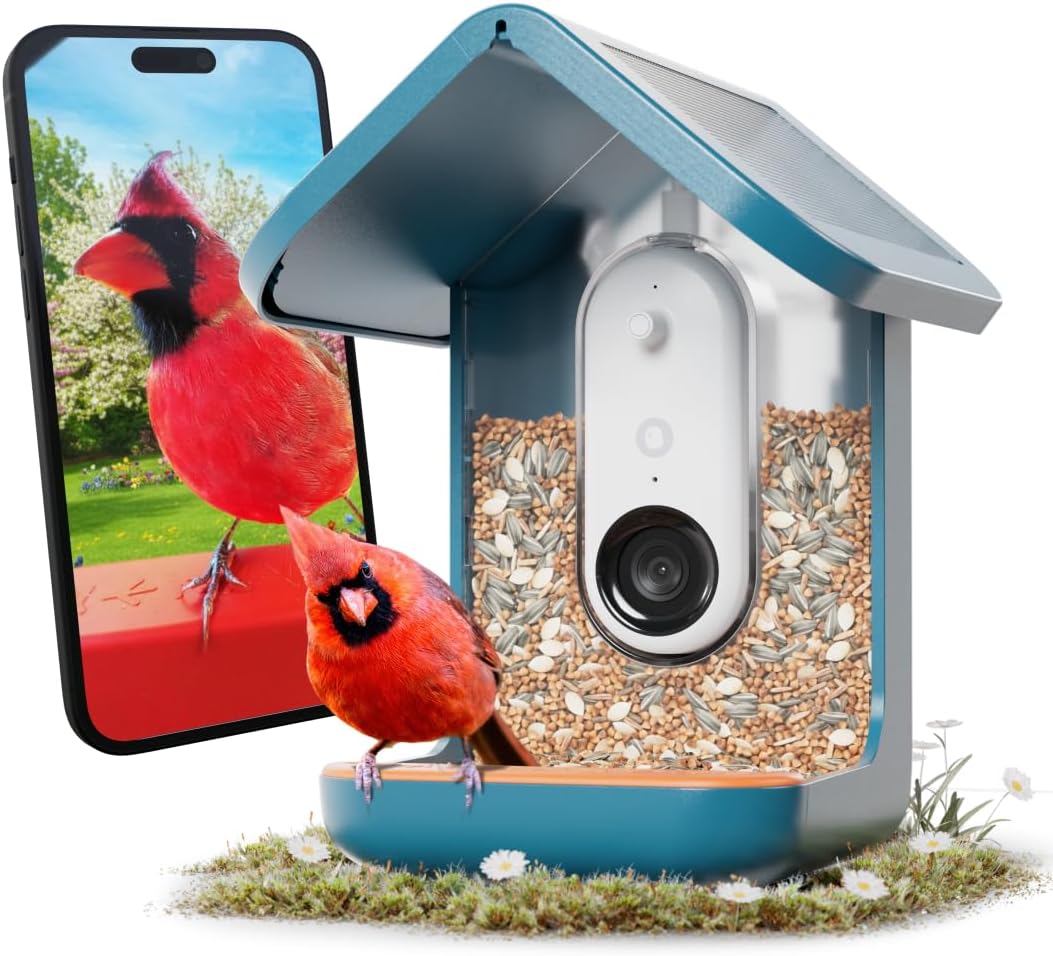
Selecting the proper feeder is essential for safety and bird enjoyment. Suction cup bird feeders and other types make viewing simple and secure.
Types Of Window Bird Feeders
Window feeders come in several styles. Each style suits different birds and window types.
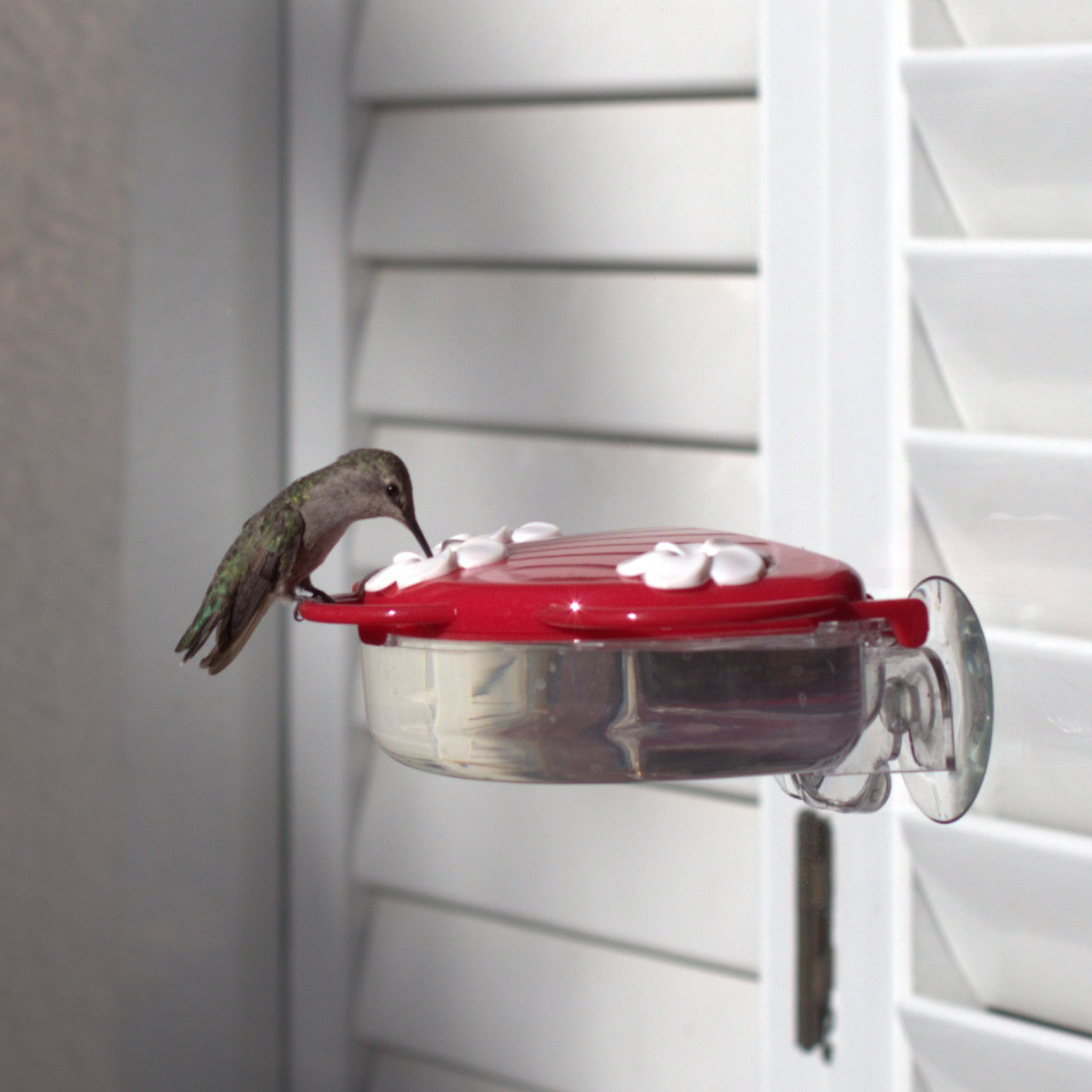
- Suction Cup Feeders: Attach directly to the glass with suction cups. They offer a clear view and are easy to install.
- Tray Feeders: Flat platforms that hold seeds. Good for larger birds and multiple visitors.
- Hopper Feeders: Have a seed container and a small feeding tray. They protect seeds from rain and keep birds dry.
- Tube Feeders: Cylindrical feeders with small perches. Ideal for small birds like finches and chickadees.
Material And Size Considerations
Feeders come in plastic, metal, or wood. Each material affects durability and cleaning ease.
| Material | Durability | Cleaning |
| Plastic | Moderate | Easy |
| Metal | High | Moderate |
| Wood | Low to Moderate | Hard |
Size matters for your window space and the birds you want to attract. Small feeders fit limited window areas but attract fewer birds.
Selecting Suitable Birdseed
Choose seeds based on local bird species to attract birds to your window feeder:
- Black oil sunflower seeds attract many bird species.
- Nyjer seed is good for finches and small birds.
- Safflower seeds repel squirrels and some unwanted birds.
- Milo and cracked corn attract larger birds like doves.
.jpg)
Credit: www.birdfood.co.uk
Picking The Perfect Spot
Choosing the right place for your window bird feeder is very important. It helps keep birds safe and lets you enjoy watching them.
Think about the spot carefully before you install the feeder. The right location makes feeding easy and fun.
Safety For Birds
Pick a spot where birds feel safe from predators like cats or hawks. Avoid places near busy roads or noisy areas.
Make sure the feeder is close to bushes or trees. Birds can hide there if they feel threatened.
- Place feeder 3 feet away from windows to prevent collisions
- Keep feeder at least 10 feet from places cats can reach
- Choose spots with nearby shelter like trees or shrubs
Visibility And Viewing Angles
Put the feeder where you can see birds clearly from inside your home. The better the view, the more joy you get.
Try to place it at eye level or slightly below. This makes watching easier and more fun for all ages.
- Install feeder at window height for best view
- Choose a window with a wide view of the feeder
- Avoid placing feeder behind plants or curtains
Avoiding Glare and Reflections
Sunlight can create glare on your window glass. This glare can scare birds or make it hard to see them.
Move the feeder or use shades to reduce reflections. This helps protect birds and improves your viewing experience.
- Place feeder where sunlight does not hit glass directly
- Use window shades or blinds to reduce glare
- Add decals to the window to prevent bird collisions
Preparing The Window
Installing a window bird feeder needs careful preparation. The window must be ready for the feeder to stay safe and clean.
Taking time to prepare helps birds visit safely and keeps your feeder stable.
Cleaning The Glass Surface
Clean the glass where the feeder will attach. Dirt and dust can stop suction cups from sticking well.
Use a mild soap and water solution to clean the window. Wipe it dry with a soft cloth to avoid streaks.
Checking For Stability
Check if the window is strong enough to hold the feeder. It should not be cracked or loose.
Press gently on the glass to see if it moves. A stable window keeps the feeder safe from falling.
Marking Placement Areas
Decide where to place the feeder on the window. Mark spots lightly with a pencil or tape.
Make sure the spot is easy to see from inside and safe for birds to land and take off.
- Choose a spot away from direct sunlight
- Avoid areas with heavy wind exposure
- Place at a height safe from pets

Credit: www.amazon.com
Installation Process
Installing a window bird feeder is easy and quick. This guide helps you place the feeder securely on your window. Follow these steps to enjoy watching birds up close.
We will cover attaching suction cups or mounts, securing the feeder firmly, and testing for stability. Each step ensures your feeder stays safe and steady.
Attaching Suction Cups or Mounts
Clean the window surface before attaching suction cups or mounts. Dirt or moisture can weaken the grip. Press each suction cup firmly against the glass to remove air bubbles.
- Choose a smooth, flat window pane for best suction.
- Wipe the glass with a damp cloth and dry it completely.
- Press each suction cup firmly against the glass.
- Check that all cups are fully sealed with no gaps.
- Attach the feeder to the mounted suction cups or hooks.
Securing The Feeder Firmly
Make sure the feeder is held tightly in place. Loose feeders may fall or sway in the wind. Use any additional clips or fasteners included with the feeder.
| Method | Tip |
|---|---|
| Adjustable clips | Lock clips securely around feeder edges |
| Hook mounts | Ensure hooks catch feeder loops firmly |
| Additional ties | Use plastic ties for extra hold if needed |
Testing For Stability
After installation, test the feeder’s stability by gently nudging it. It should stay fixed and not wobble. Check suction cups again after a few hours.
- Push feeder lightly from different angles.
- Look for any movement or looseness.
- Tighten mounts or reposition suction cups if needed.
- Keep feeder clean to maintain suction strength.
Maintaining The Feeder
Keeping your window bird feeder clean and full helps birds stay healthy. Regular care also makes the feeder last longer.
This guide covers cleaning tips, seed refilling, and how to check the feeder for damage.
Regular Cleaning Tips
Clean the feeder at least once every two weeks. Use warm water and mild soap. Rinse well to remove soap residue.
- Remove old seeds before cleaning
- Use a soft brush to scrub all surfaces
- Dry completely before refilling
- Wear gloves to protect your hands
Refilling Seed Efficiently
Fill the feeder during early morning or late afternoon. This helps avoid spills and attracts more birds.
- Open the feeder carefully
- Pour seed slowly to avoid overflow
- Check the seed level daily
- Store extra seed in a dry place
Monitoring For Wear and Tear
Check the feeder every week for cracks or loose parts. Fix small problems before they get worse.
| Problem | Signs | Action |
|---|---|---|
| Cracks | Visible lines or breaks | Seal or replace damaged part |
| Loose suction cups | Feeder falls off window | Clean cups and window, reattach firmly |
| Rust or corrosion | Discoloration or rough spots | Clean and apply rust-proof spray |
Attracting Birds to Your Feeder
Installing a window bird feeder is a great way to see birds up close. To enjoy birdwatching, you need to attract birds to your feeder.
Birds come for food, water, and a safe place. Providing these will help you see more birds at your window.
Choosing Bird-friendly Seeds
Different birds like different seeds. Choose seeds that attract many types of birds to your feeder.
Black oil sunflower seeds are popular with many birds. They have thin shells and lots of oil for energy.
- Black oil sunflower seeds attract finches, chickadees, and cardinals
- Millet is good for ground-feeding birds like sparrows and doves
- Nyjer seeds attract small birds like goldfinches
- Mixed seed blends offer variety for many birds
Adding Water Sources
Birds need water for drinking and bathing. Adding water makes your feeder more inviting.
Use a shallow birdbath near your window feeder. Keep the water clean and fresh every day.
- Place water where birds feel safe
- Use a shallow dish with a rough surface
- Change water daily to prevent mosquitoes
- Add a small fountain or dripper to attract birds with sound
Creating A Bird-friendly Environment
Birds like places to rest and hide. Add plants and shelters near your feeder for safety.
Tall trees, shrubs, and bushes offer cover. Avoid using pesticides that can harm birds.
- Plant native flowers and shrubs for food and shelter
- Provide branches or perches near the feeder
- Keep cats and predators away from the feeding area
- Place feeders in quiet spots to reduce stress for birds
Frequently Asked Questions
How Do I Install a Window Bird Feeder Safely?
Clean the window surface thoroughly before installation. Use strong suction cups or adhesive pads to secure the feeder. Ensure the feeder is level and stable to prevent falls. Position it at bird-friendly heights and away from predators for safety.
What Birds Are Attracted to Window Feeders?
Window bird feeders attract small birds like finches, chickadees, and sparrows. Using sunflower seeds or mixed seed blends increases variety. Bright feeders also help attract hummingbirds and orioles. Choose seed types based on local bird species for best results.
How Often Should I Clean My Window Bird Feeder?
Clean your feeder every two weeks to prevent mold and bacteria. Use warm water and mild soap, then rinse thoroughly. Regular cleaning keeps birds healthy and encourages frequent visits. Avoid harsh chemicals that can harm birds or damage the feeder.
Can Window Bird Feeders Damage My Windows?
No, window bird feeders do not damage windows if installed properly. Use soft suction cups or adhesive pads to avoid scratches. Regularly check and clean the window area to prevent dirt buildup. Proper installation ensures both bird safety and window protection.
Conclusion
Installing a window bird feeder is simple, safe, and brings nature to your home. Following proper window bird feeder setup, using the right seeds, and regular window feeder cleaning tips ensures healthy, happy birds and a beautiful backyard view.
Small effort, big joy-start today and enjoy the magic of birds visiting your window.