Imagine your feathered friend suddenly getting hurt or feeling unwell. Would you know what to do?
Having a bird first aid kit ready can make all the difference in those critical moments. You don’t need to be a vet to help your bird stay safe and healthy. In this guide, you’ll discover exactly what to include in your bird first aid kit and how to use each item.
By the end, you’ll feel confident and prepared to take quick action whenever your bird needs you most. Keep reading to protect your beloved pet like a pro!

Credit: www.youtube.com
Choosing The Right Container
Picking the right container is key for your bird first aid kit. It keeps supplies safe and easy to find.
Choose a container that fits your needs and is easy to carry. This helps in emergencies.
Size And Portability
Choose a container that is not too big or too small. It should hold all your items comfortably.
Make sure the container is easy to carry. You may need to take it with you on trips or walks.
- Compact size fits in backpacks or car compartments
- Lightweight to avoid extra burden
- Handles or straps make carrying easier
Material And Durability
Choose a container made from strong materials. It should protect your supplies from damage.
Water-resistant or waterproof containers keep items dry. This is important for first aid supplies.
- Plastic cases are light and easy to clean
- Metal boxes offer strong protection
- Fabric bags should have water-resistant lining
Organization Features
Look for containers with compartments or pockets. These help keep supplies organized and easy to find.
Clear lids or labels make it simple to see what is inside without opening the container.
- Multiple compartments separate different items
- Elastic loops hold small tools securely
- Labels or color codes speed up finding supplies
Essential Medical Supplies
Having a bird first aid kit is important for quick care. It helps treat injuries and keeps birds safe.
Gather essential medical supplies to prepare your kit. These items help you handle common bird emergencies.
Bandages And Dressings
Bandages and dressings protect wounds and stop bleeding. Use soft, non-stick materials to avoid harming feathers.
Choose different sizes to fit small or large injuries. Make sure they are easy to apply and remove.
- Non-stick sterile pads
- Soft gauze rolls
- Adhesive tape safe for birds
- Cotton balls or pads
- Self-adhesive bandages
Antiseptics And Ointments
Antiseptics clean wounds and stop infections. Choose bird-safe liquids or wipes to gently clean injuries.
Ointments help heal skin and prevent germs. Use mild antibiotic creams made for animals.
- Chlorhexidine solution
- Saline solution for cleaning
- Antibiotic ointment for birds
- Vaseline to protect skin
- Eye drops for irritation
Tools And Instruments
Tools help you treat birds safely and correctly. Keep them clean and ready to use in emergencies.
Include basic instruments for care and examination. Use small tools made for delicate bird use.
- Small scissors with rounded tips
- Tweezers for removing debris
- Thermometer to check temperature
- Disposable gloves for hygiene
- Small flashlight to see wounds
Medication And Supplements
Creating a bird first aid kit means including the right medicines and supplements. These help keep your bird healthy during injuries or sickness.
This guide covers essential pain relief, antibiotics, anti-inflammatory drugs, vitamins, and electrolytes for your kit.
Pain Relief Options
Birds need gentle pain relief that vets recommend. Never give human medicines without advice. Safe options include specific bird painkillers and natural remedies.
- Meloxicam: A common bird painkiller used under vet care
- Butorphanol: Helps with moderate pain in birds
- Turmeric supplements: May reduce mild pain and inflammation
- Avoid aspirin and ibuprofen as they can harm birds
Antibiotics And Anti-inflammatory Drugs
Antibiotics fight infections caused by bacteria. Anti-inflammatory drugs reduce swelling and discomfort. Use these only with veterinary guidance.
| Medication | Use | Notes |
| Enrofloxacin | Treats bacterial infections | Vet prescription required |
| Doxycycline | Fights respiratory and other infections | Safe for many bird species |
| Prednisolone | Reduces inflammation | Short-term use recommended |
| Ibuprofen | Not safe for birds | Avoid completely |
Vitamins And Electrolytes
Vitamins and electrolytes support recovery and overall health. They help birds regain strength after illness or injury.
- Vitamin A: Important for skin and feather health
- Vitamin D3: Supports bone strength and calcium absorption
- Calcium supplements: Needed for egg-laying birds and bone repair
- Electrolyte solutions: Help replace fluids and minerals lost
- Probiotics: Support gut health during antibiotic use
Credit: avianexoticsvet.com
Specialized Bird Care Items
Creating a bird first aid kit needs special tools. These tools help treat injuries and illnesses quickly.
Special items support feeding, monitoring health, and safe handling. Each item plays a key role in bird care.
Feeding Syringes And Tubes
Feeding syringes and tubes help give food and medicine to sick birds. They come in different sizes to fit various bird beaks.
- Use soft, flexible syringes to avoid hurting the bird.
- Feeding tubes allow safe feeding into the crop.
- Clean all tools well after each use.
- Choose the right size for your bird’s species.
Thermometers And Scales
Thermometers help check a bird’s temperature to detect fever or illness early. Scales track weight changes to monitor health.
| Tool | Purpose | Notes |
| Digital Thermometer | Measure body temperature | Use rectally or under wing |
| Gram Scale | Weigh the bird accurately | Small, precise scales are best |
| Infrared Thermometer | Non-contact temperature check | Use for quick screenings |
Protective Gear For Handling
Protective gear keeps both you and the bird safe. Birds can bite or scratch when scared or hurt.
- Wear thick gloves to protect your hands.
- Use a towel to gently wrap the bird for control.
- Wear long sleeves to avoid scratches.
- Keep your tools ready before handling the bird.
Storage And Maintenance
Keeping a bird first aid kit ready needs good storage and regular care. This helps you find items fast in an emergency.
Proper storage and maintenance keep supplies safe and useful for a long time.
Proper Labeling
Label each item clearly in your bird first aid kit. Use simple words and big letters.
Labels help you find the right tool or medicine quickly without guessing.
- Write the item name clearly
- Include expiration dates on medicine labels
- Group similar items with matching labels
- Use waterproof labels to avoid smudging
Regular Checks And Restocking
Check your bird first aid kit often. Look for expired or used items and replace them.
Keep track of what you use so you can restock before supplies run out.
- Set a monthly reminder to check the kit
- Remove expired or damaged items right away
- Write down what needs to be bought again
- Restock items after any use
Safe Storage Conditions
Store your bird first aid kit in a cool, dry place away from sunlight.
Keep it out of reach of children and pets for safety.
- Avoid damp areas to stop mold and damage
- Use a sturdy, sealed container to protect contents
- Place the kit where it is easy to grab quickly
- Keep it away from extreme heat or cold
Emergency Procedures
Knowing how to act quickly can save a bird’s life. Preparing a bird first aid kit is important. This guide explains what to do in emergencies.
Keep calm and follow basic steps to help your bird. Learn when to get professional help. Handle stressful moments carefully to avoid harm.
Basic First Aid Steps
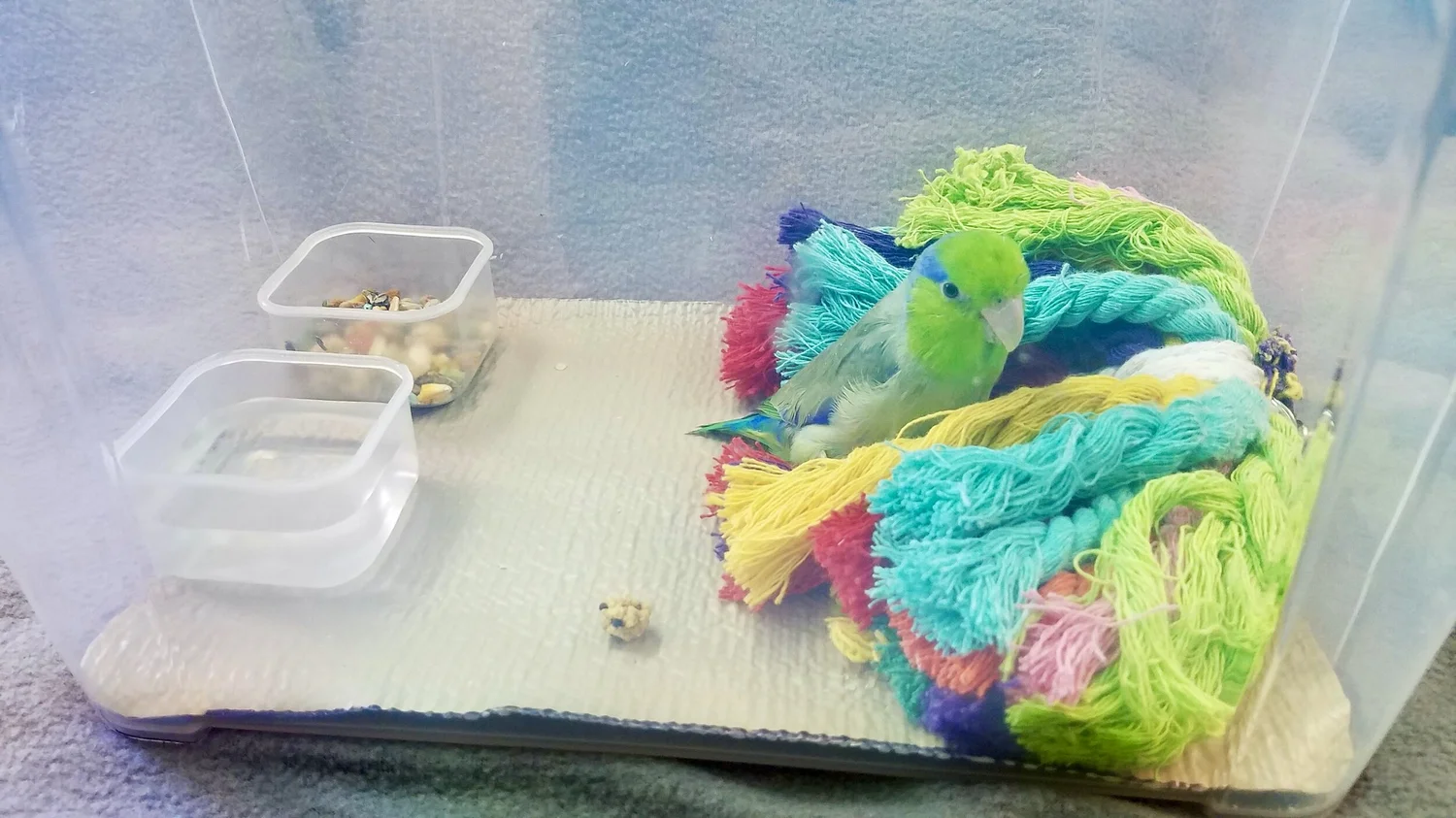
Start by gently placing the bird in a safe, quiet spot. Check for breathing and any visible wounds. Clean small cuts with saline solution.
- Stop any bleeding by applying light pressure with a clean cloth.
- Keep the bird warm using a soft towel or heating pad set low.
- Do not give food or water until the bird is stable.
- Avoid handling the bird more than needed to reduce stress.
- Watch for signs of shock like weakness or pale skin.
When To Seek Veterinary Help
Some injuries or illnesses need a vet’s care. If the bird shows these signs, get help quickly.
| Signs | Action |
| Broken bones or deep wounds | Take to vet immediately |
| Labored breathing or choking | Seek emergency care |
| Unconscious or seizures | Call vet or emergency clinic |
| Persistent bleeding | Visit vet right away |
| Sudden behavior changes | Consult a vet soon |
Handling Stressful Situations
Birds get scared easily. Keep the environment calm and quiet. Use gentle movements and soft voices to comfort them.
Tips to reduce stress:
- Cover the bird with a light cloth to block sights.
- Keep the room dim and free from loud noises.
- Limit the number of people around the bird.
- Speak softly and avoid sudden movements.
- Give breaks if the bird struggles or cries.
Credit: www.exoticvetclinic.com
Frequently Asked Questions
What Essential Items Should Be In A Bird First Aid Kit?
A bird first aid kit should include gauze, tweezers, antiseptic wipes, styptic powder, soft towels, and a small syringe. These items help treat wounds, stop bleeding, clean injuries, and provide immediate care during emergencies.
How Do I Clean Bird Wounds Safely?
Use antiseptic wipes or diluted saline solution to gently clean bird wounds. Avoid harsh chemicals and never use hydrogen peroxide. Cleanliness prevents infection and promotes faster healing.
Can I Use Human Medications For Bird Injuries?
Some human medications can harm birds. Only use bird-safe products recommended by avian vets. Always consult a veterinarian before administering any medicine to your bird.
How Often Should I Check And Restock The Bird First Aid Kit?
Check your bird first aid kit monthly to ensure supplies are fresh and complete. Replace expired items immediately to maintain readiness for any emergency.
Conclusion
Creating a bird first aid kit is a wise step. It prepares you for emergencies. Your feathered friend deserves quick care. Gather essential items like bandages and antiseptic. Keep the kit handy and organized. Regularly check and update its contents.
Stay calm during emergencies. Your preparedness can save your bird’s life. This simple kit makes a difference. Show your love by being ready. Birds need special care. Be the caring owner they trust. Your efforts bring them comfort. You become their hero.
Ready to help. Ready to heal. Always prepared for your bird’s needs.