

If you have a cockatiel, you know how important it is to give your feathered friend a comfortable place to rest and play. Making a bird perch for your cockatiel is easier than you think, and it can make a big difference in your pet’s happiness.
Imagine your bird happily hopping around on a perch you built yourself—safe, sturdy, and just the right size. In this guide, you’ll learn simple steps to create the perfect perch that your cockatiel will love. Keep reading, and soon you’ll have a cozy spot that feels like home for your bird.

Credit: www.reddit.com
Choosing The Right Materials
Making a bird perch for cockatiels needs careful material choice. Safe materials keep your bird healthy.
Pick materials that are strong, safe, and easy to clean. This helps your cockatiel feel comfortable and secure.
Safe Wood Types
Wood is the best choice for cockatiel perches. Some woods are safe and others are not. Use only bird-safe woods.
- Maple
- Apple
- Birch
- Poplar
- Manzanita
- Willow
Avoiding Toxic Materials
Some woods and materials can harm your cockatiel. Avoid these toxic options.
| Material | Why Avoid |
|---|---|
| Pine | Contains oils that irritate bird lungs |
| Cedar | Releases harmful fumes |
| Pressure-treated wood | Has toxic chemicals |
| Painted or stained wood | Coatings may be poisonous |
Additional Supplies Needed
Besides wood, gather other supplies to build a safe perch. These help with assembly and safety.
- Non-toxic wood glue or screws
- Sandpaper to smooth edges
- Bird-safe sealant if needed
- Drill or screwdriver
- Measuring tape

Credit: www.reddit.com
Designing Your Perch
Designing a bird perch for cockatiels requires thought about size, comfort, and texture. A well-made perch helps keep your bird healthy and happy.
This guide covers key features to consider when creating a perch that suits your cockatiel’s needs.
Size And Shape Considerations
Your cockatiel needs a perch that fits its feet well. The size and shape affect how your bird stands and moves.
| Perch Diameter | Why It Matters |
|---|---|
| 1/2 inch to 3/4 inch (1.3 to 1.9 cm) | Fits comfortably in cockatiel feet |
| Too small | Can cause foot sores and discomfort |
| Too large | Hard to grip and may cause leg strain |
Round or slightly oval shapes work best. Avoid sharp edges or irregular shapes that may hurt your bird.
Comfort And Grip
Your perch should allow your cockatiel to grip firmly but gently. Comfort is key to avoid foot problems.
- Use natural wood with bark removed to prevent splinters
- Sand the surface smoothly but keep some texture for grip
- Avoid plastic or metal perches as they can be slippery
- Check that the perch is sturdy and does not wobble
Adding Variety With Textures
Varied textures keep your cockatiel’s feet healthy and active. Different surfaces help exercise foot muscles.
Try these texture ideas for your perch:
- Wrap sections with natural rope for a rough surface
- Use untreated wood branches with natural bumps
- Add cork pieces to give soft spots
- Mix smooth and rough areas for variety
Step-by-step Building Process
Building a bird perch for your cockatiel is a simple and fun project. This guide will help you make a safe and sturdy perch with easy steps.
Follow each step carefully to create a comfortable spot for your bird to rest and play.
Cutting The Wood
Start by choosing untreated, bird-safe wood like maple or pine. Avoid wood with chemicals or paint.
Cut the wood into the right size for your perch. A good length is about 12 inches, with a diameter of 1 to 1.5 inches.
- Use a saw to cut the wood to length
- Make sure the ends are cut straight
- Check for any cracks or splinters
Sanding And Smoothing
Sand the wood surface to remove rough spots. This makes the perch safe and comfortable for your cockatiel’s feet.
Use fine-grit sandpaper to smooth the entire perch. Pay attention to the ends and edges.
- Start with medium-grit sandpaper
- Finish with fine-grit sandpaper
- Remove dust with a clean cloth
Assembling The Perch
Attach the perch to a base or cage using safe hardware. Avoid nails or screws that can harm your bird.
Use bird-safe glue or drill holes for secure attachment. Make sure the perch is stable and does not wobble.
- Drill holes carefully for mounting
- Use stainless steel screws or bolts
- Check stability before placing your bird
Installing The Perch In The Cage
Installing a bird perch properly is important for your cockatiel’s comfort. A well-placed perch encourages healthy feet and natural behavior.
Follow simple steps to place, secure, and test the perch inside the cage. This helps keep your bird safe and happy.
Placement Tips
Put the perch where your cockatiel can easily reach food and water. Avoid placing it near cage doors or near droppings.
- Choose a spot at least 2 inches away from cage walls
- Place the perch at a height your bird prefers
- Make sure the perch does not block access to toys or feeders
- Allow room for your cockatiel to move freely around the cage
Securing The Perch Safely
Use strong attachments to hold the perch firmly in place. Loose perches can cause accidents or injuries.
| Attachment Type | Advantages | Notes |
| Screw-on clamps | Very secure | Use with wooden or metal perches |
| Plastic zip ties | Easy to adjust | Check regularly for wear |
| Metal brackets | Durable | Best for heavier perches |
Testing Stability
Make sure the perch does not wobble or move when touched. This protects your cockatiel from falls.
- Press down on the perch with your hand
- Shake it gently side to side
- Observe if it stays firm without slipping
- Tighten attachments if needed and retest
Maintaining And Cleaning
Keeping your cockatiel’s bird perch clean is very important. A clean perch helps your bird stay healthy and happy.
Regular maintenance stops germs from building up. It also makes sure the perch lasts longer.
Regular Inspection
Look at the perch every day. Check for cracks, loose parts, or rough spots. These can hurt your bird’s feet.
Also, watch for dirt or droppings that need cleaning. Early checks keep your perch safe and clean.
- Check for cracks or splinters
- Look for loose screws or nails
- Spot dirt or droppings
- Notice any changes in perch stability
Cleaning Techniques
Use warm water and mild soap to clean the perch. Avoid strong chemicals that can harm your bird.
Scrub gently with a soft brush to remove dirt. Rinse well and let the perch dry completely before use.
- Use warm water and mild soap
- Scrub with a soft brush
- Rinse thoroughly
- Air dry completely
Replacing Worn Parts
Replace any parts that look worn or broken. This keeps the perch safe and strong for your cockatiel.
Use bird-safe materials when fixing or replacing parts. Check the perch often to catch wear early.
- Remove cracked or broken pieces
- Use safe wood or plastic replacements
- Tighten screws and fasteners
- Test perch stability after repairs
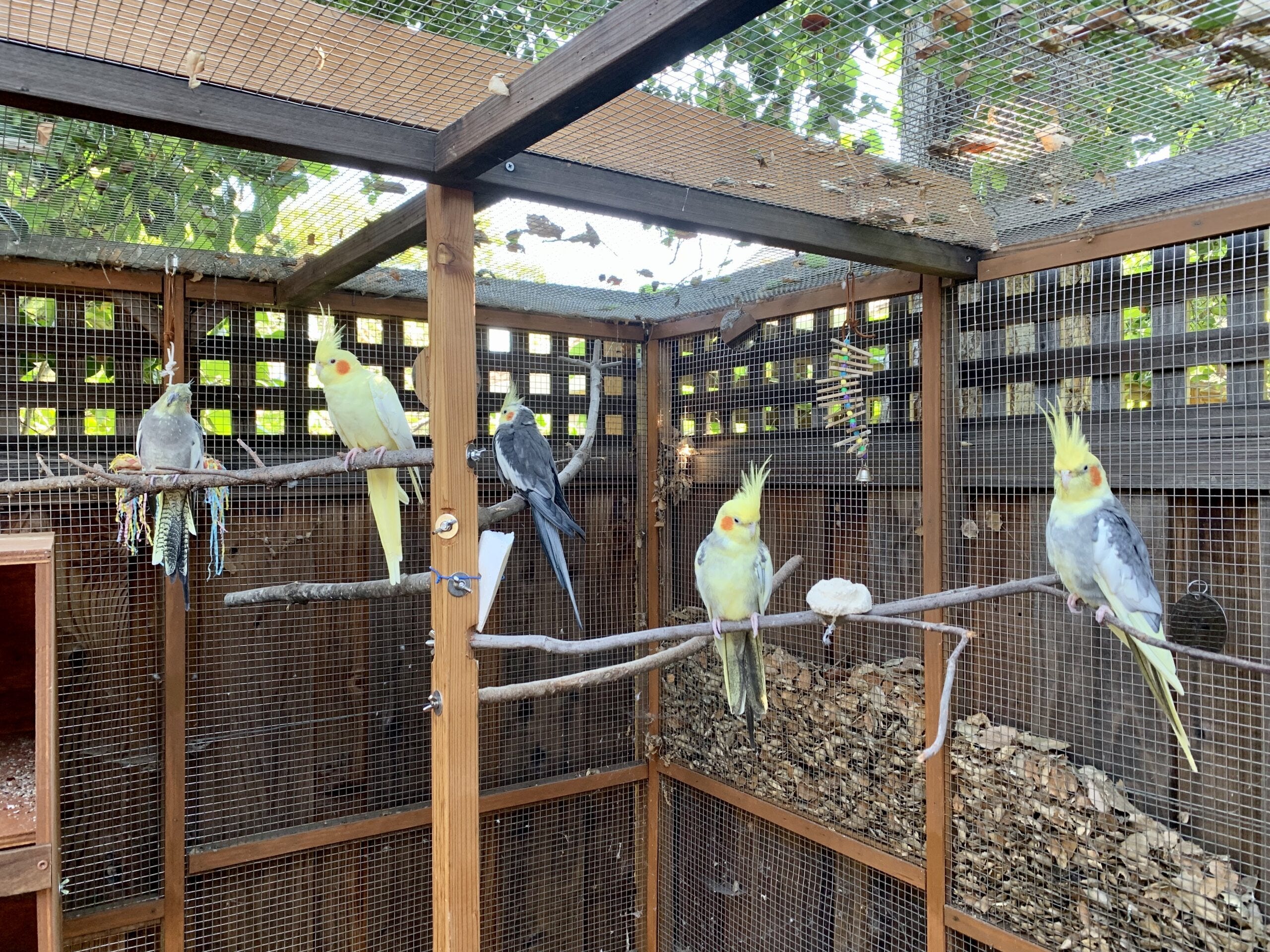
Credit: freerangeparrots.org
Enhancing Your Perch
Making a bird perch for your cockatiels is just the start. You can add features to make it fun and safe.
Enhancements help keep your birds happy and active. They also make the perch more interesting to explore.
Adding Toys And Accessories
Adding toys and accessories to the perch gives your cockatiels things to play with. Toys help stop boredom and keep their minds sharp.
Choose bird-safe toys like swings, bells, or ladders. Avoid small parts that could be swallowed.
- Swings for movement and fun
- Bells to encourage sound play
- Ladders for climbing practice
- Chew toys to keep beaks strong
Natural Elements For Enrichment
Using natural elements on the perch makes it feel like home. Natural wood and branches add texture and comfort.
You can add fresh leaves, pine cones, or safe twigs. These items encourage natural behaviors like chewing and exploring.
- Use untreated wood branches for perching
- Add fresh leaves for a natural scent
- Include pine cones for chewing
- Make sure all elements are safe for birds
Frequently Asked Questions
What Materials Are Best For A Cockatiel Bird Perch?
Natural wood like untreated manzanita or apple wood is ideal. Avoid toxic woods and plastics. These materials provide a safe, comfortable grip for cockatiels and help maintain their nails naturally.
How Do I Make A Safe Bird Perch For Cockatiels?
Use smooth, non-toxic wood and avoid sharp edges or splinters. Ensure the perch diameter suits cockatiel feet, about ¾ to 1 inch. Secure it firmly to prevent wobbling and place it at a comfortable height inside the cage.
How Wide Should A Cockatiel Bird Perch Be?
The perch should be ¾ to 1 inch in diameter. This size fits comfortably in a cockatiel’s feet, promoting good grip and foot health. Avoid perches that are too thin or too thick to prevent foot problems.
Can I Use Natural Branches For Cockatiel Perches?
Yes, natural branches from safe trees like apple or manzanita are excellent. Clean and dry them thoroughly before use. They provide variety in texture, which helps exercise your cockatiel’s feet and keeps them healthy.
Conclusion
Creating a bird perch for cockatiels is rewarding and fun. With simple materials, you can craft a safe perch. Remember to choose non-toxic wood. Sand the perch to smooth out rough edges. Secure it firmly in the cage. This ensures your bird’s safety.
Personalize with natural textures. Your cockatiel will love its new perch. Regularly check for wear and tear. Replace if needed to keep it safe. Enjoy watching your cockatiel explore and play. This DIY project brings joy to both you and your feathered friend.
Happy crafting!



