How to Make a Safe Bird Training Perch at Home
Are you looking for a simple way to improve your bird’s training sessions? A well-made bird training perch can make all the difference.
It gives your feathered friend a comfortable spot to focus, learn, and build trust with you. In this guide, you’ll discover easy steps to create your own perch using materials you might already have. By the end, you’ll have a perfect training tool that keeps your bird happy and engaged.
Ready to get started? Let’s dive in!
Choosing The Right Materials
Choosing good materials is key to building a safe bird training perch. Birds need a perch that is safe, sturdy, and comfortable. Using the right wood and tools makes the process easier and helps your bird stay healthy.
Below, we look at safe wood types, essential tools, and extra supplies you might need. Each part helps you create a quality perch for your bird.
Safe Wood Types
Use wood that does not harm your bird. Avoid woods with toxins or strong smells. Here are some safe woods to use for your perch.
- Maple – strong and safe with no harmful oils
- Ash – hard wood that lasts long and is bird-friendly
- Birch – smooth and safe for birds to grip
- Poplar – soft wood that is easy to work with
- Fruitwoods (like apple or pear) – safe and natural scent
Do not use cedar, pine, or treated wood. These woods can cause health problems for birds.
Essential Tools
You need some tools to cut and shape the wood. These tools will help you build the perch safely and correctly.
- Handsaw or jigsaw for cutting wood pieces
- Sandpaper or sanding block to smooth rough edges
- Drill to make holes for screws or attachments
- Screwdriver to fix parts together
- Measuring tape to get the right sizes
Additional Supplies
| Supply | Purpose | Notes |
|---|---|---|
| Non-toxic wood glue | Hold parts firmly | Make sure glue is safe for birds |
| Stainless steel screws | Secure parts together | Resist rust and are bird safe |
| Natural rope | Add grip or decoration | Choose cotton or hemp |
| Food-safe finish (optional) | Protect wood surface | Check it is non-toxic and water-based |

Credit: www.fruugo.pt
Designing Your Bird Perch
Designing a bird training perch is an important step to keep your bird safe and happy. A well-made perch helps your bird learn and feel comfortable during training.
Think about size, comfort, and stability when creating your perch. These factors make a big difference for your bird’s experience.
Size And Shape Considerations
Choose the right size for your bird’s feet. The perch should fit comfortably without being too big or too small.
Use a shape that is easy for your bird to grip. Round or slightly oval shapes work well for most birds.
- Diameter should match your bird’s foot size
- Round or oval shapes help grip and balance
- Avoid very smooth surfaces to prevent slipping
Comfort Features
Make sure the perch feels good to your bird’s feet. Use natural wood or materials that are safe and gentle.
Adding texture can help your bird hold on better. Avoid sharp edges or splinters that might hurt your bird.
- Use untreated natural wood or bird-safe materials
- Add light texture to improve grip
- Smooth out any rough or sharp spots
Stability Factors
Make sure your perch stays steady during training. A stable perch prevents accidents and helps your bird feel safe.
Use a strong base or secure mounting to keep the perch from wobbling or tipping over.
- Choose a heavy or wide base for stability
- Securely fasten perch parts together
- Check for any movement before training starts
Step-by-step Construction Guide
Building a bird training perch is simple and fun. You can make a sturdy perch for your bird in a few steps.
This guide will help you create a safe and comfortable perch using basic tools and wood.
Cutting And Preparing Wood
Start by choosing untreated, bird-safe wood like pine or maple. Avoid toxic woods or treated lumber.
Cut the wood into pieces for the perch and base. Make sure the lengths fit your bird’s size.
- Cut one piece about 18 inches long for the perch.
- Cut two pieces about 10 inches each for the base.
- Sand the edges to remove splinters.
Assembling The Base
Lay the two base pieces in a cross shape to form a stable stand. This keeps the perch steady.
Attach the pieces with wood glue or screws. Make sure the base is flat and strong.
- Place one base piece horizontally.
- Place the second piece vertically on top, centered.
- Secure with screws or wood glue at the crossing point.
Attaching The Perch
Fix the perch piece vertically to the center of the base. This allows your bird to stand comfortably.
Use screws or nails to attach the perch securely. Check it is stable and upright.
- Mark the center of the base cross.
- Position the perch piece vertically on the mark.
- Drive screws through the base into the perch.
Sanding And Finishing
Sand the entire perch to smooth rough surfaces and remove sharp edges. This keeps your bird safe.
Do not use paint or varnish. Use natural wood to avoid harmful chemicals.
- Use medium-grit sandpaper first.
- Follow with fine-grit sandpaper for a smooth finish.
- Clean off dust with a dry cloth.
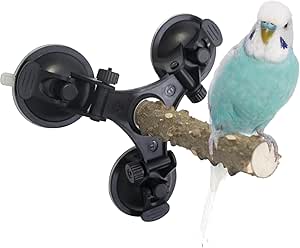
Credit: tnlbusinesscoaching.com
Ensuring Safety and Durability
Building a bird training perch needs care for safety and strength. A good perch keeps your bird safe and lasts long.
Using safe materials and checking the perch often helps avoid problems. This guide shows how to make a solid and safe perch.
Non-toxic Finishes
Birds peck and chew on their perch. Use finishes that do not harm them. Avoid paints and stains with chemicals.
Natural oils and water-based finishes are safer. Let the finish dry fully before using the perch.
- Choose non-toxic, bird-safe finishes
- Use natural oils like coconut or linseed
- Allow full drying time before use
- Avoid oil-based paints and stains
Regular Maintenance Tips
Check the perch often for damage or dirt. Clean it regularly to keep it safe for your bird.
Tighten loose parts and remove worn wood. Replace the perch if it gets unsafe or rough.
- Inspect for cracks or splinters weekly
- Clean with mild soap and water
- Dry the perch completely after cleaning
- Tighten screws or nails if loose
- Replace perch if wood breaks or wears out
Avoiding Common Hazards
Use safe wood without toxins. Avoid treated wood or wood that can splinter easily.
Make sure the perch is stable and not too high. Remove sharp edges and small parts that can fall off.
- Use untreated, bird-safe wood like maple or oak
- Sand edges smooth to avoid splinters
- Keep perch low to prevent injury from falls
- Check stability before each use
- Avoid small parts that birds can swallow
Training Tips Using Your Perch
Using a training perch helps your bird learn new skills. It also builds trust between you and your pet.
Training with a perch can make sessions safe and fun. It offers your bird a special place to focus.
Introducing The Perch To Your Bird
Place the perch near your bird’s cage at first. Let your bird explore it without pressure. Watch for signs of comfort or fear.
Speak softly and offer treats near the perch. This helps your bird see the perch as a good place.
Encouraging Perch Use
- Put favorite treats on the perch to attract your bird.
- Use gentle praise when your bird steps onto the perch.
- Keep training sessions short and positive.
- Move the perch closer over time to build confidence.
- Let your bird rest on the perch between sessions.
Building Training Sessions
Start training with simple commands like “step up” using the perch. Reward your bird immediately after it follows the command.
| Training Step | Action | Reward |
|---|---|---|
| Get on Perch | Hold perch near bird | Small treat |
| Step Up | Say “step up” and offer finger | Praise and treat |
| Stay on Perch | Wait a few seconds | Gentle pet and treat |
| Repeat | Practice daily for 5 minutes | Consistent praise |

Credit: www.amazon.ca
Frequently Asked Questions – Bird Training Perches
What Materials Are Best For A Bird Training Perch?
Smooth, untreated hardwoods like oak or maple are safe and durable. Avoid treated wood or toxic paints.
How Do I Make A Sturdy Bird Training Perch?
Use thick solid wood, secure joints with screws or non‑toxic glue, and ensure a wide stable base. Sand surfaces smooth.
What Size Should A Bird Training Perch Be?
Choose 1–2 inch diameter for comfortable grip. Length should allow easy movement and turning.
How Can I Clean A Homemade Bird Training Perch?
Wipe with mild soap and water, rinse well, and dry completely. Avoid harsh chemicals.
Conclusion
Crafting a bird training perch is simple and rewarding. It strengthens your bond with your feathered friend. With basic materials, you can create a safe, sturdy perch. Measure carefully and ensure it’s stable. Your bird will enjoy its new training space.
Always prioritize safety and comfort. Regularly check the perch for wear or damage. Adjust as your bird grows or changes. Training becomes easier with the right tools. Invest time now for a better bird training experience. Enjoy watching your bird flourish and learn.
Happy training!