Imagine the joy of having a bird gently land and perch on your finger whenever you call. It’s a special bond that many bird lovers dream of, and you can make it happen too.
Training your bird to perch on your finger is easier than you might think, and with the right steps, you’ll build trust and friendship that lasts. Ready to learn how? Keep reading, because this simple guide will show you exactly what to do—step by step.
Your feathered friend is waiting!

Credit: jungleaquatics.com
Choosing The Right Bird
Training a bird to perch on your finger takes patience and the right choice of bird. Some birds learn this skill easier than others. Picking the right species and temperament is key to success.
This guide helps you find the best bird for training. It also explains how to check a bird’s temperament before you start.
Best Bird Species For Training
Some bird species are easier to train because they are more social and curious. These birds like to interact and are less scared of humans.
- Budgerigars (Budgies) – Small, friendly, and quick learners.
- Cockatiels – Gentle, social, and love attention.
- Lovebirds – Playful and bond well with people.
- Parakeets – Active and enjoy human interaction.
- Conures – Outgoing and easy to train with patience.
Assessing Bird Temperament
Temperament shows how a bird reacts to new things and people. Calm and curious birds usually learn to perch on fingers faster. Watch the bird’s behavior before training.
| Temperament Trait | What It Means | Training Tip |
| Calm | Bird stays relaxed around people | Start training slowly with gentle moves |
| Curious | Bird explores new things without fear | Use toys and treats to encourage learning |
| Shy | Bird hides or avoids contact | Be patient and build trust over time |
| Aggressive | Bird may bite or scream | Wait until bird is calmer before training |

Credit: birdsupplies.com
Preparing Your Environment
Training a bird to perch on your finger takes patience and the right setting. A calm and safe space helps your bird feel comfortable.
Setting up your environment properly makes training easier. It keeps your bird focused and relaxed.
Safe And Calm Space Setup
Choose a quiet room where your bird feels secure. Remove any sharp or dangerous objects nearby.
Keep the temperature comfortable and avoid strong smells or loud noises. Use soft lighting to create a peaceful mood.
- Pick a small, quiet room
- Remove sharp or dangerous items
- Keep the room at a comfortable temperature
- Use soft, natural lighting
- Avoid strong smells and loud noises
Minimizing Distractions
Turn off TVs, radios, and other noisy devices. Limit the number of people in the room to avoid stress.
Keep pets and other animals away. This helps your bird stay focused on learning to perch on your finger.
- Switch off noisy devices
- Limit people in the room
- Keep pets out of the training area
- Close windows to reduce outside noise
Building Trust With Your Bird
Training a bird to perch on your finger takes time and patience. The key is to build trust first. Your bird needs to feel safe and comfortable around you.
Trust helps your bird relax and listen to you. When your bird trusts you, training becomes easier and more fun for both of you.
Approaching Your Bird Gently
Always move slowly near your bird. Quick or sudden moves can scare it. Speak softly to keep your bird calm.
Let your bird see your hand before you try to touch it. Offer your hand in a relaxed way. This shows you are not a threat.
- Move your hand slowly and steadily
- Keep your voice soft and calm
- Show your hand to the bird before touching
- Stop if the bird shows signs of fear
Using Treats And Positive Reinforcement
Use treats to reward your bird for good behavior. Treats help your bird connect positive feelings with training.
Give treats right after your bird perches on your finger. This helps the bird know what you want it to do.
- Choose small, favorite treats
- Offer treats gently from your hand
- Give treats immediately after perching
- Use praise and soft words along with treats
Introducing Your Finger
Teaching a bird to perch on your finger takes patience. Start by slowly showing your finger to the bird. This helps the bird get used to your presence.
Make sure your finger is steady and calm. Birds feel safer when movements are gentle and predictable.
Slow Finger Presentation Techniques
Move your finger slowly toward the bird’s perch or cage. Quick movements can scare the bird away. Keep your finger steady once it is close.
- Hold your finger at bird’s eye level.
- Move your finger in a smooth, slow motion.
- Pause and let the bird look at your finger.
- Do not force the bird to step on your finger.
- Use a calm voice to soothe the bird.
Reading Bird’s Body Language
Watch your bird’s body to understand how it feels. Signs of comfort or stress help you know when to move forward.
| Body Language | Meaning |
| Fluffed feathers | Relaxed and comfortable |
| Hunched posture | Feeling uneasy |
| Quick head movements | Alert or nervous |
| Slow blinking | Trust and calmness |
| Backing away | Fear or discomfort |
Encouraging Perching Behavior
Training a bird to perch on your finger takes patience and care. Encouraging this behavior helps build trust between you and your bird.
Use gentle steps to make your bird feel safe and comfortable. Positive actions make the training easier for both of you.
Luring With Treats
Treats are a great way to get your bird to step onto your finger. Birds love small, tasty rewards that they can eat quickly.
Hold a treat near your finger and let your bird see it. Slowly move your finger close so the bird can reach the treat by stepping on it.
- Use favorite snacks like seeds or small fruits
- Hold the treat steady near your finger
- Move slowly to avoid scaring your bird
- Praise the bird softly when it steps up
Using Commands And Cues
Using clear commands helps your bird understand what you want. Simple words like “step up” work well.
Say the command in a calm voice as you offer your finger. Repeat this often so the bird learns to respond.
- Use the same word or phrase every time
- Keep your tone soft and encouraging
- Combine commands with treats for reward
- Be patient and consistent with training
Practicing Perch Sessions
Training a bird to perch on your finger takes patience and regular practice. Perch sessions help your bird feel safe and comfortable.
Keep training short to keep your bird interested. Use quiet spaces to avoid distractions during sessions.
Short And Frequent Training
Short sessions keep your bird focused and prevent stress. Frequent practice helps your bird learn faster.
- Keep sessions to 5–10 minutes
- Practice 2 to 3 times daily
- Use calm and gentle tones
- Reward your bird with treats or praise
- Stop if your bird shows signs of stress
Gradually Increasing Duration
Increase the time your bird stays on your finger slowly. This builds trust and comfort over time.
| Session Number | Duration (Minutes) | Tips |
|---|---|---|
| 1–3 | 5 | Focus on getting the bird to step up |
| 4–6 | 7 | Encourage the bird to stay calm |
| 7–10 | 10 | Begin gentle movements with your finger |
| 11+ | 12–15 | Work on longer, relaxed perching |
Handling Challenges
Training a bird to perch on your finger can be tricky. Birds may feel scared or unsure at first. Patience and gentle handling help overcome these challenges.
Some birds might show biting or aggressive behavior. Understanding why they act this way helps you handle the situation better.
Overcoming Fear And Resistance
Birds often fear new experiences. They may resist stepping onto your finger. Give your bird time to get used to your hand.
Speak softly and move slowly around your bird. Offer treats to create positive feelings. Let the bird explore your finger at its own pace.
- Approach your bird calmly and quietly
- Offer small treats to build trust
- Practice short sessions daily
- Do not force the bird to step on your finger
- Give breaks if the bird seems stressed
Dealing With Biting Or Aggression
Birds bite when they feel scared or annoyed. Watch for signs like flapping wings or raised feathers. This helps you avoid bites.
Use gentle handling and avoid sudden moves. If your bird bites, stay calm and do not yell. Slowly try again after a short break.
- Stay calm and patient during training
- Do not punish the bird for biting
- Give the bird space when it shows aggression
- Use treats to encourage good behavior
- Train in a quiet, safe environment
Maintaining Training Progress
Training a bird to perch on your finger takes patience and care. Keeping your progress steady is key. This helps your bird feel safe and confident.
Regular practice and positive rewards keep your bird interested. These steps build trust and make training easier.
Consistent Practice Routine
Practice every day at the same time. Short sessions work best to hold your bird’s attention. Keep the training calm and gentle.
Repeat simple commands and use the same hand signals. This helps your bird learn what to expect. Consistency builds good habits.
- Train 5 to 10 minutes daily
- Use the same quiet space
- Repeat the perch command clearly
- Stay patient and calm
Rewarding Good Behavior
Give treats right after your bird perches on your finger. This shows the bird what action you like. Rewards make training fun.
Use small, healthy treats your bird enjoys. Praise your bird softly to encourage trust. Avoid overfeeding during training.
- Offer a treat immediately after perching
- Use gentle verbal praise
- Choose favorite bird-safe snacks
- Limit treats to avoid health issues
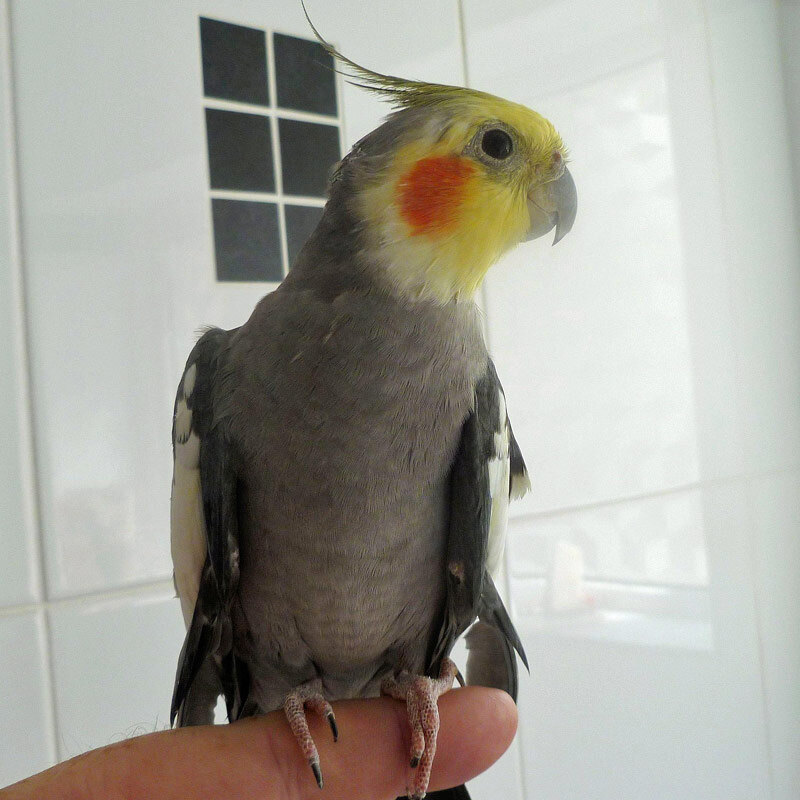
Credit: lafeber.com
Frequently Asked Questions
How Long Does It Take To Train A Bird To Perch?
Training time varies by bird species and temperament. Usually, it takes one to two weeks of daily sessions. Consistency and patience speed up progress. Short, positive sessions help build trust and encourage the bird to perch on your finger confidently.
What Tools Help Train A Bird To Perch On Fingers?
Use a perch stick, treats, and a calm environment. Treats motivate the bird during training. A perch stick helps introduce the concept before using your finger. Keep sessions quiet to avoid startling the bird and ensure a positive experience.
Can All Birds Learn To Perch On Fingers?
Most pet birds like parrots, parakeets, and cockatiels can learn. However, wild or nervous birds may resist. Training success depends on the bird’s personality and your patience. Regular gentle interaction increases the likelihood of success.
How Do I Make My Bird Comfortable With My Finger?
Start by offering treats from your finger to build trust. Move slowly and avoid sudden movements. Speak softly and keep your finger steady. Gradually encourage the bird to step onto your finger using positive reinforcement.
Conclusion
Training a bird to perch on your finger is rewarding. Patience and gentle handling build trust. Birds respond well to consistency. Make your sessions short and fun. Use treats to encourage positive behavior. Always remain calm and reassuring. Your bird feels safe with positive reinforcement.
Celebrate small successes to keep motivated. Over time, your bond will grow stronger. Enjoy these moments with your feathered friend. Practice regularly and watch your bird’s progress. Remember, every bird is unique. Keep learning and adapting to their needs. Soon, you’ll have a wonderful companion perched happily.