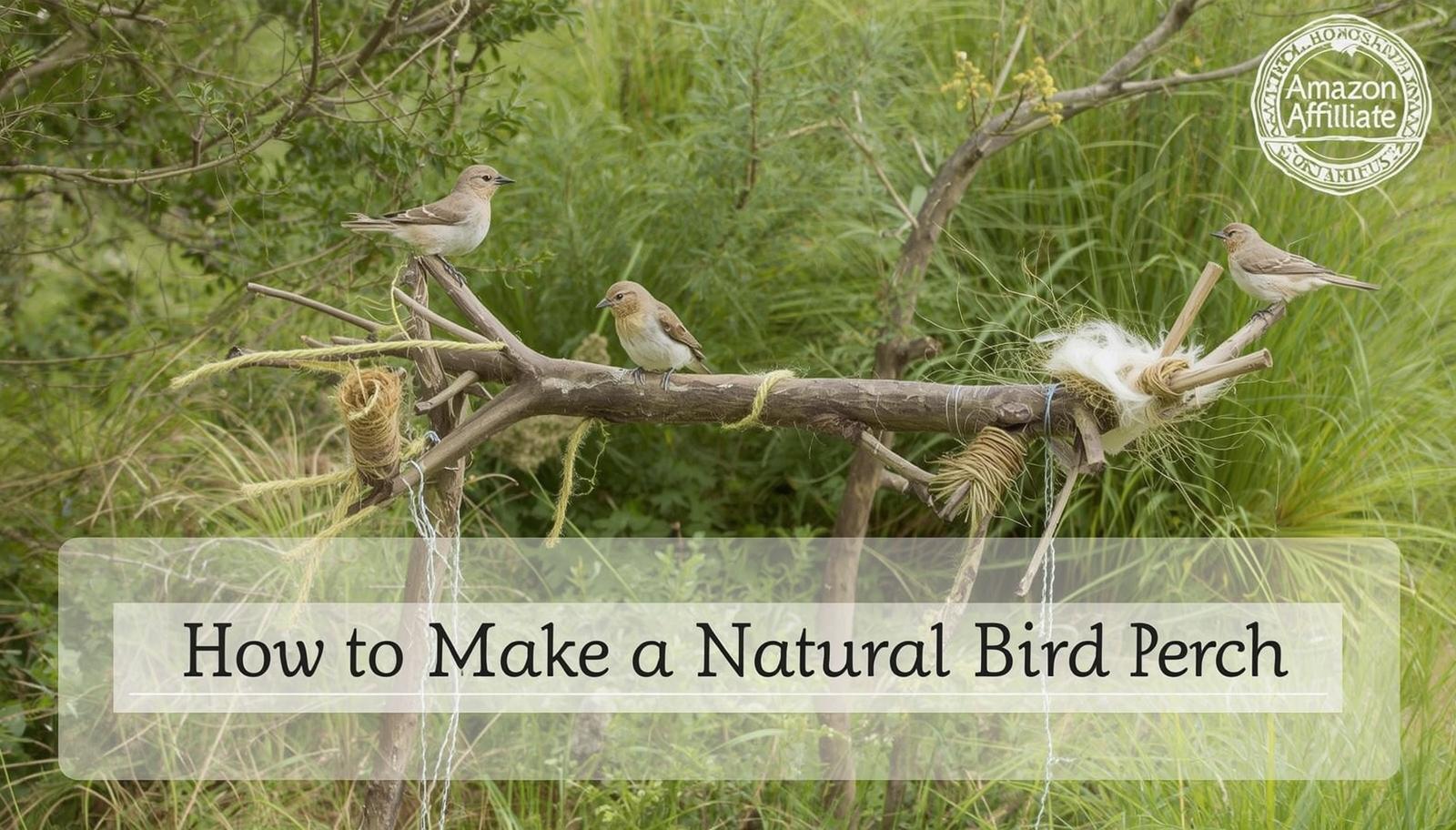
Are you looking for a safe and comfortable spot for your feathered friend to rest? How to Make a Natural Bird Perch is easier than you think, and it gives your bird a cozy place that feels just like home.
Not only will your bird love the natural texture, but you’ll also enjoy the satisfaction of crafting something special with your own hands. Keep reading, and you’ll discover simple steps to create a perch that’s perfect for your bird’s health and happiness.
Your bird deserves the best, and this guide on How to Make a Natural Bird Perch will help you provide just that.
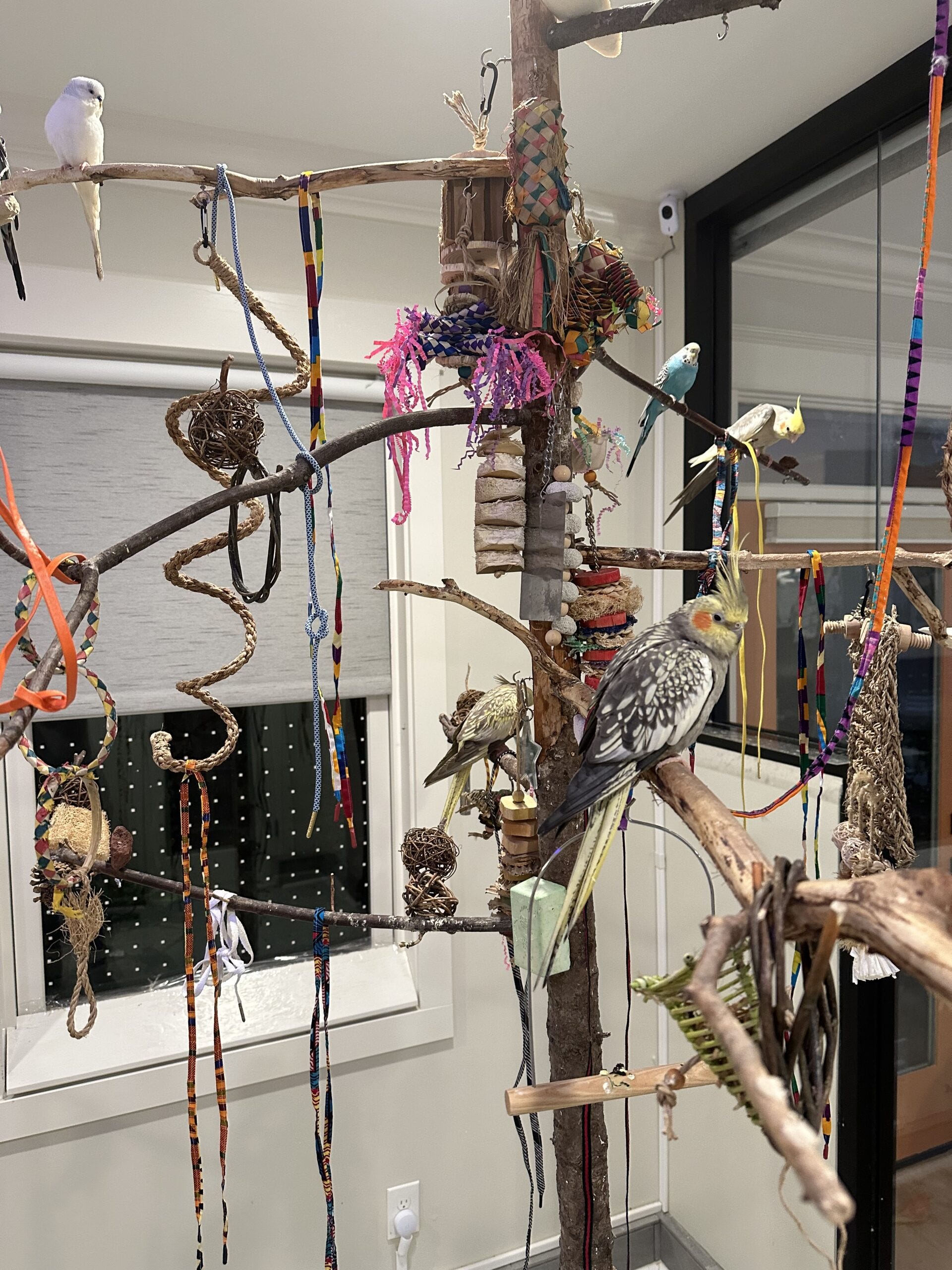
Credit: freerangeparrots.org
Choosing The Right Wood
Making a natural bird perch starts with picking the right wood. Birds need safe and sturdy wood to rest on. The right wood keeps them healthy and happy.
Not all wood is safe for birds. Some woods can harm them. Learn how to choose wood that is good for birds.
Safe Wood Types For Birds
Many types of wood are safe for birds. These woods do not have harmful oils or chemicals. They are strong and last long for perches.
- Apple wood
- Maple wood
- Birch wood
- Willow wood
- Ash wood
These woods are natural and free from toxins. Birds can chew on them safely. They also provide a good grip for bird feet.
Avoiding Toxic Woods
Some woods have oils or chemicals that hurt birds. Avoid these woods to keep birds safe. Toxic woods can cause sickness or death.
- Cedar wood
- Pine wood
- Redwood
- Fir wood
- Oleander wood
Also avoid wood treated with chemicals. Always check if the wood is natural and clean. This helps protect your birds.
- Avian toxicologists caution against softwoods: "Many popular construction woods, such as Pine and Cedar, should be avoided because they release aromatic compounds called phenols and volatile oils. When a bird chews or rests on these woods, these toxins can be inhaled or ingested, potentially causing severe respiratory irritation and liver damage over time. Always choose non-aromatic hardwoods like apple or maple."
Selecting Natural Branches
Use branches from safe trees to make perches. Branches with bark give birds a natural feel. They help birds keep their nails healthy.
Look for branches that are dry and free from mold. Choose different sizes for variety. Avoid branches with sharp edges or cracks.
- Pick branches about 1 to 2 inches thick
- Check for smooth bark without peeling
- Make sure branches are fully dry
- Clean branches before use
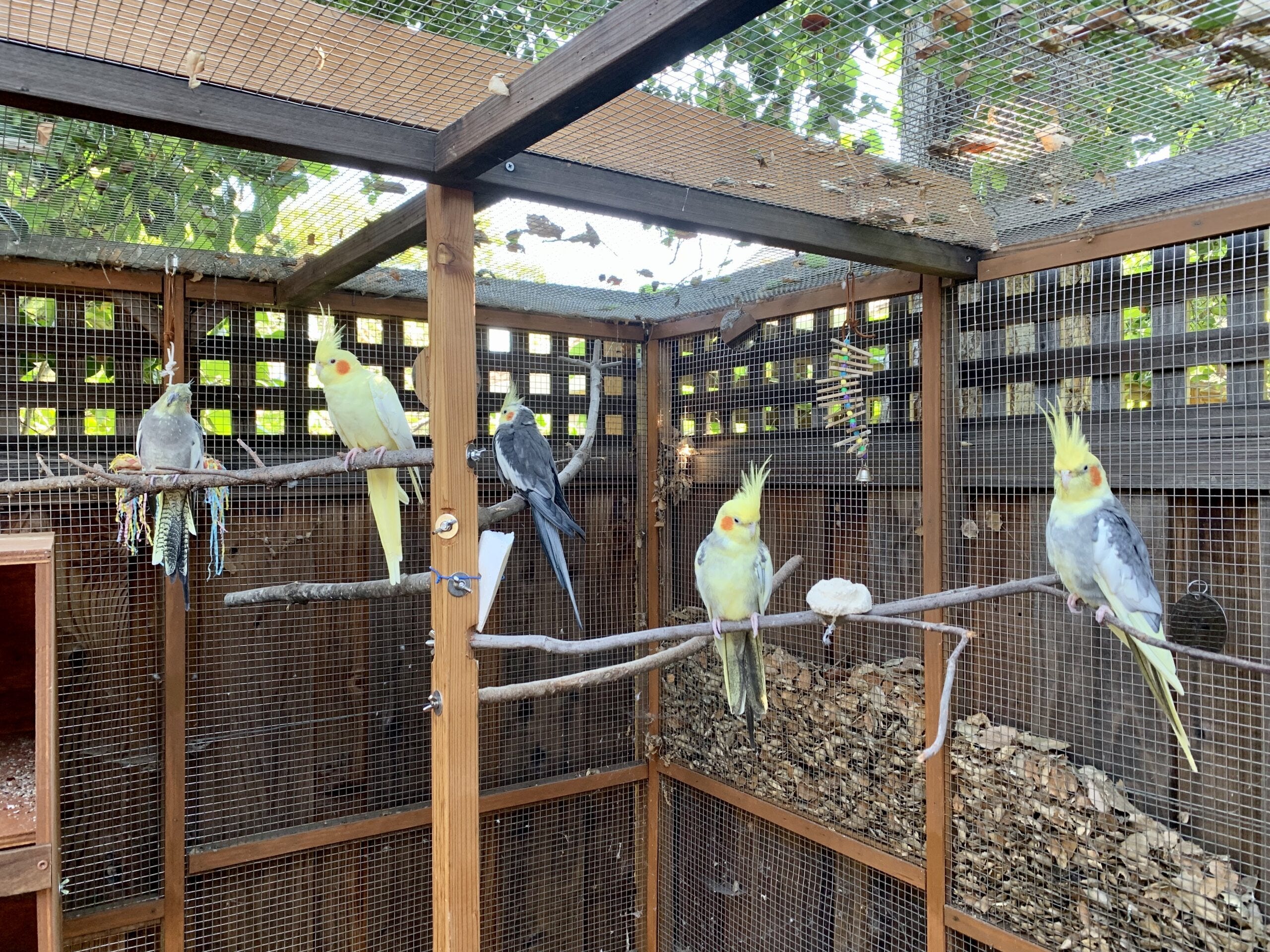
Credit: freerangeparrots.org
Tools And Materials Needed
Making a natural bird perch is a simple project. It needs some basic tools and materials. Preparing well helps you build a safe perch for your bird.
This guide covers the essential tools, optional accessories, and how to prepare your workspace. Keep these in mind before you start.
Essential Diy Tools
You need a few basic tools to make a sturdy bird perch. These tools help you cut, shape, and finish the wood safely.
- Handsaw or small pruning saw for cutting branches
- Sandpaper or sanding block to smooth rough edges
- Drill with bits for making holes
- Measuring tape or ruler to measure wood pieces
- Pencil for marking cuts and holes
- Clamps to hold wood while working
Optional Accessories
These accessories are not necessary but can make your project easier or nicer. Use them if you have them available.
- Wood sealer or non-toxic finish to protect the wood
- Wood glue for extra strength
- Protective gloves to keep hands safe
- Safety goggles to protect eyes from dust
- A small brush for applying finish or glue
Preparing Your Workspace
Set up a clean, well-lit area to work on your perch. A good workspace helps you work safely and efficiently.
Clear a flat surface where you can saw and sand without distractions. Keep tools organized and within reach.
- Use a sturdy workbench or table
- Cover the area with newspaper or drop cloth
- Make sure there is good lighting
- Keep a trash bin nearby for wood scraps
- Have water and a first aid kit handy
Preparing The Wood
Making a natural bird perch starts with preparing the wood properly. Good preparation keeps your birds safe and happy. It also makes the perch last longer.
Use branches that are sturdy and free from chemicals. Preparing includes cleaning, trimming, and smoothing the wood.
Cleaning And Sanitizing Branches
First, clean the branches to remove dirt and bugs. Wash them with warm water and mild soap. Rinse well to remove soap residue.
- Soak branches in a vinegar solution for 30 minutes to kill germs.
- Scrub off any moss or lichen with a soft brush.
- Let branches dry completely in the sun to prevent mold.
Trimming And Shaping
Trim the branches to the size you want. Remove small twigs and any sharp parts. Shape the perch so birds can grip it comfortably.
| Tool | Use |
| Pruning Shears | Cut small twigs and thin branches |
| Hand Saw | Cut thicker branches to length |
| Wire Cutters | Remove any nails or wire |
Smoothing Rough Edges
Smooth all rough edges to protect your bird’s feet. Sand the wood with fine-grit sandpaper until it feels smooth to touch.
Tips for smoothing edges:
- Use a sanding block for even pressure
- Sand along the grain to avoid splinters
- Check frequently to avoid over-sanding
Designing The Perch
Designing a natural bird perch means thinking about the bird’s comfort and safety. A good design helps birds feel relaxed and secure.
Use natural materials and shapes that birds like. This makes the perch look and feel like their real habitat.
Choosing Perch Size And Thickness
Pick a perch size that fits the bird’s feet well. The perch should not be too big or too small for them to hold on easily.
Use different thicknesses for variety. This helps birds exercise their feet and stay healthy.
- Small birds need thinner perches around ¾ inch thick
- Medium birds do well with 1 to 1½ inch thick perches
- Larger birds need thicker perches about 2 inches or more
Adding Multiple Levels
Build the perch with several levels to give birds more space to move. Different heights keep birds active and curious.
Place perches at safe distances so birds can jump or fly between them. This adds fun and exercise to their day.
- Use staggered heights for easy access
- Keep space between perches to avoid crowding
- Arrange perches so birds can rest or play
- Habitat designers follow health guidelines: "The ideal placement for the bird's sleeping perch should always be the highest in the cage (as birds prefer high ground) and, crucially, positioned near the back corner rather than directly against the cage bars. This placement allows the bird to feel protected on two sides, promoting a more relaxed, tucked-in sleep posture which is essential for proper rest and feather maintenance."
Incorporating Natural Textures
Natural textures make the perch feel real and safe. Birds like rough and uneven surfaces to grip and explore.
Use branches with bark or wood that has natural bumps. Avoid smooth or slippery materials that can hurt their feet.
- Choose wood with bark still on it
- Include branches with natural curves and knots
- Avoid treated or painted wood
Assembling The Perch
Assembling a natural bird perch requires care and attention. You need to join branches safely and make the perch stable.
This guide will help you attach branches, use safe adhesives, and ensure the perch is strong enough for birds.
Attaching Branches Securely
Use thick branches that fit well together. Join them tightly to avoid wobbling or falling apart.
Wrap natural twine or jute string around the joints to hold branches in place. Tie knots firmly to keep them secure.
- Pick branches with flat ends for better contact
- Use twine to wrap branches at least three times
- Check the joints for movement and tighten if needed
Using Non-toxic Adhesives
Choose adhesives that are safe for birds. Avoid glue with harmful chemicals or strong smells.
Natural wood glue or bird-safe glue works well. Apply glue sparingly to avoid mess and allow it to dry fully before use.
- Check the glue label for bird safety
- Use small amounts to avoid sticky spots
- Let glued parts dry for 24 hours
Ensuring Stability
Place the perch on a flat surface to test balance. Adjust branch positions if it tips or shakes.
Add extra support by tying more twine or adding a base. Stability helps birds feel safe and comfortable.
- Test the perch before letting birds use it
- Add support sticks if needed
- Make sure no parts move when pressed
Finishing Touches
Finishing touches make your natural bird perch safe and attractive. These steps protect the wood and add beauty.
Proper finishing also helps the perch last longer and keeps birds healthy.
Natural Treatments And Oils
Using natural treatments keeps your bird perch safe for birds. Natural oils protect the wood from drying out.
Oils also make the wood smooth and comfortable for birds to grip.
- Use food-grade mineral oil to seal the wood.
- Coconut oil can add moisture and shine.
- Beeswax works well to protect and polish the perch.
- Avoid using oils that contain chemicals or scents.
Avoiding Harmful Chemicals
Do not use paint, varnish, or stains with chemicals. These can harm birds if they chew the perch.
Choose only bird-safe, non-toxic finishes. Avoid anything with strong smells or synthetic ingredients.
- Never use treated or painted wood.
- Skip finishes labeled toxic or harmful to pets.
- Use only natural, food-safe products.
Decorative Elements
Add simple decorations to make the perch look nice. Use natural materials safe for birds.
Keep decorations small and secure to prevent swallowing or choking hazards.
- Wrap natural jute rope around parts of the perch.
- Attach untreated pine cones or small wooden beads.
- Add safe leaves or twigs for texture.
- Do not use plastic or metal decorations.
Maintaining Your Bird Perch
Keeping your bird perch clean and safe is key to your bird’s health. Regular care helps prevent illness and accidents.
Check your bird perch often to make sure it stays strong and comfortable for your bird.
Regular Cleaning Tips
Clean your bird perch once or twice a week. Use mild soap and warm water. Avoid harsh chemicals that can harm your bird.
- Remove bird droppings and dirt daily if possible
- Soak the perch in soapy water for 10 minutes
- Rinse well to remove all soap
- Dry the perch completely before placing it back
- Use a soft brush to clean rough surfaces
Inspecting For Wear And Damage
Look over the perch every week. Check for cracks, loose parts, or splinters that could hurt your bird.
| Issue | What to Do |
| Cracks in wood | Replace the perch or the damaged part |
| Loose screws or nails | Tighten or remove them to avoid injury |
| Splinters | Sand them down gently or replace the perch |
| Fading or peeling surface | Refinish with bird-safe materials |
Replacing Parts Safely
Use bird-safe wood and non-toxic glue when replacing parts. Avoid treated wood or strong chemicals.
Follow these tips to replace parts safely:
- Wear gloves to protect your hands
- Remove old or broken parts carefully
- Use untreated hardwood for new parts
- Sand edges smooth to avoid splinters
- Let glue dry fully before use
- Check stability before letting your bird use it

Credit: www.reddit.com
Benefits Of Natural Perches
Natural bird perches offer many benefits for pet birds. They help keep birds healthy and happy.
Using natural materials for perches creates a better living space for birds in their cages.
Health Advantages For Birds
Natural perches provide varied textures and shapes. This helps birds exercise their feet and avoid sores.
- Prevents foot problems like bumblefoot
- Strengthens bird’s feet and claws
- Improves balance and grip
- Supports natural nail wear
Encouraging Natural Behavior
Birds enjoy climbing and chewing on natural wood. These activities keep them active and mentally engaged.
| Behavior | Benefit |
| Chewing wood | Keeps beak healthy and strong |
| Climbing | Improves muscle tone and coordination |
| Perching on uneven branches | Encourages natural foot use |
Enhancing Cage Environment
Natural perches add beauty and a natural feel to bird cages. They make the cage more interesting for birds.
- Creates a natural look in the cage
- Offers different textures for birds to explore
- Helps reduce stress and boredom
- Easy to replace and clean
Frequently Asked Questions
What Materials Are Best For A Natural Bird Perch?
Natural wood branches from non-toxic trees like apple, willow, or maple make the best bird perches. Avoid treated or painted wood to ensure safety. Using varied branch diameters helps maintain your bird’s foot health by providing natural exercise.
How Do I Clean A Natural Bird Perch?
Clean natural bird perches weekly using warm water and mild soap. Rinse thoroughly to remove any soap residue. Avoid harsh chemicals, as they can harm your bird. Regular cleaning prevents bacteria and keeps the perch safe and hygienic.
Can I Use Natural Perches For All Bird Types?
Natural perches suit most pet birds, including parrots, finches, and canaries. However, ensure the branch size fits your bird’s feet comfortably. Large birds need thicker perches, while smaller birds require thinner ones to avoid foot strain.
How Long Should A Natural Bird Perch Last?
A well-maintained natural bird perch can last several months. Replace it if the wood becomes soft, cracked, or heavily chewed. Regular inspection ensures your bird’s safety and comfort, preventing injuries from damaged perches.
Conclusion
Creating a natural bird perch is simple and rewarding. You just need a few materials and a little patience. Birds love natural setups. They feel more at home and comfortable. Remember, safety is key. Avoid toxic woods and sharp edges.
Regularly check the perch for wear and tear. Happy birds mean a happy atmosphere. The joy of watching birds enjoy your creation is unmatched. Your natural bird perch can become a beloved spot. A safe haven for birds to rest and play.
Enjoy the beauty and serenity they bring to your space.