How To Make Bird Perches Out Of Branches
Want to give your bird a cozy, natural place to rest? Making Bird Perches Out of Branches is a great idea. It is easy and affordable too. This brings a touch of nature right into your home. Imagine your bird happily hopping on a perch you made. You will discover simple steps here. Create safe, comfortable Bird Perches Out of Branches using branches found nearby. Ready to transform your bird’s space? Let us get started now!
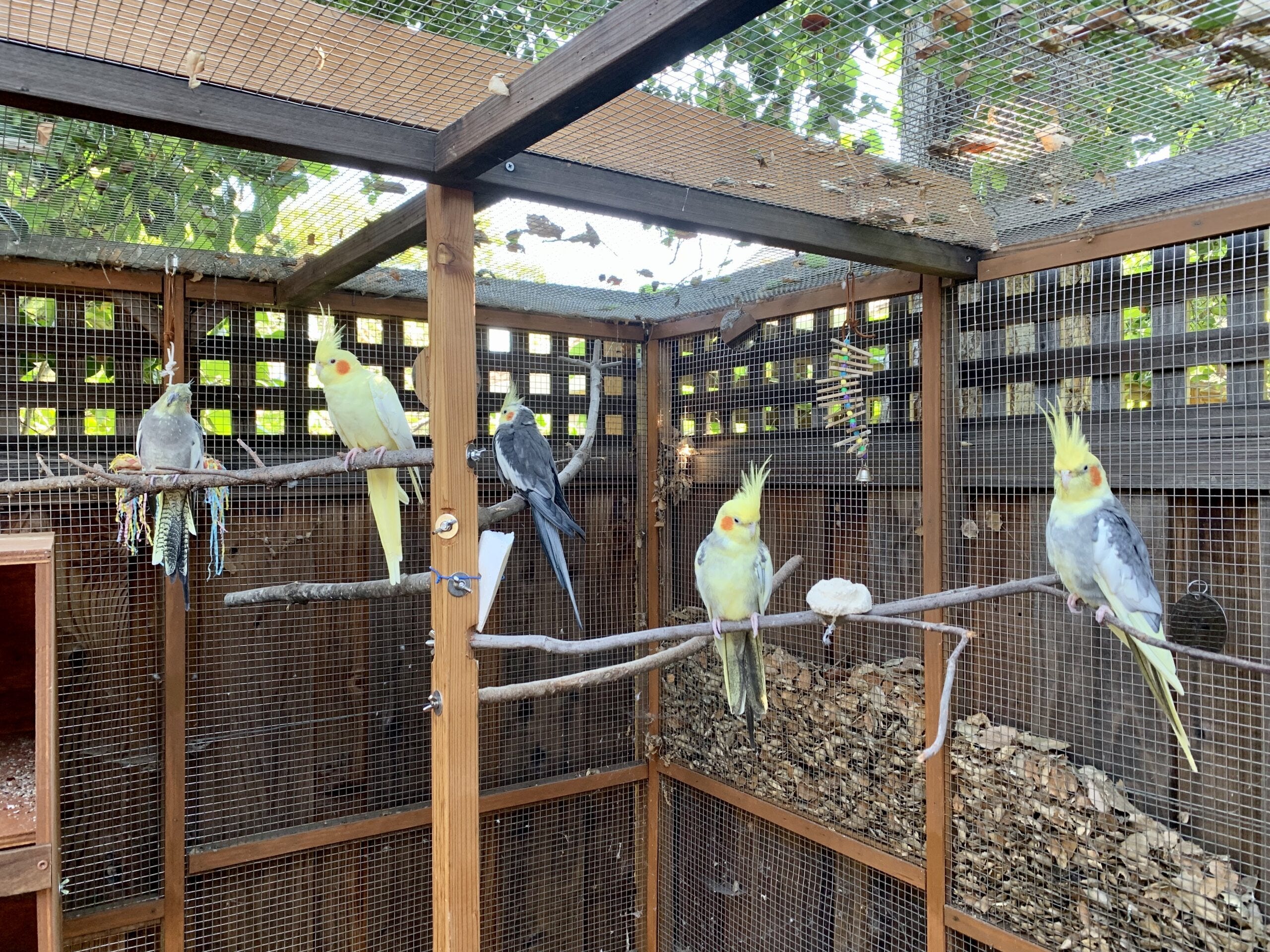
Credit: freerangeparrots.org
Choosing The Right Branches
Making Bird Perches Out of Branches is a natural way to create spots. Picking the right branches keeps birds safe and happy. Not all branches are good for perches. Choose the right wood and size carefully.
Safe Wood Types
Use wood from trees that are safe for birds. Some woods harm birds if they chew them. Avoid wood with strong oils or toxins. Stick with woods that are non-toxic.
-
Apple wood
-
Maple
-
Birch
-
Willow
-
Ash
-
Poplar
Selecting Branch Size
Choose branches that fit your bird size. The branch must be easy to hold. Thick or thin branches cause discomfort. Pick a size matching their feet.
-
Small birds: 0.5 to 1 inch diameter.
-
Medium birds: 1 to 1.5 inches diameter.
-
Large birds: 1.5 to 2 inches diameter.
Checking For Pests and Mold
Look closely for bugs or mold. Pests hurt birds or spread disease. Clean them well and dry completely. Remove loose bark to keep it safe.
Preparing Branches for Perches
Making perches is simple and natural. It creates a cozy spot for birds. You must prepare the branches carefully. This ensures they are safe and comfy. Preparation involves cleaning and drying steps. Each step keeps the perch strong.
Cleaning And Sanitizing
Wash branches to remove dirt and bugs. Use warm water and a brush. Avoid harsh chemicals that hurt birds. Soak branches in a mild vinegar solution. This kills bacteria and mold. Rinse well and let them dry.
-
Use warm water and soap.
-
Brush off dirt gently.
-
Soak in vinegar and water mix.
-
Rinse thoroughly and air dry.
Avian veterinarians recommend a two-step sanitization: “Vinegar is good, but to ensure 100% safety from wild parasites and mites, the gold standard is heat. After scrubbing with a 1:10 bleach-water solution and rinsing thoroughly, bake the branches in an oven at 200∘F (93∘C) for 30 to 45 minutes. This low heat penetrates the wood to kill potential pests without burning the branch, making it completely safe for your bird.”
Removing Bark and Splinters
Remove loose bark to stop eating harmful pieces. Bark traps moisture and causes rot. Use a knife to scrape bark off. Check the branch for sharp splinters. Sand areas smooth to avoid injury. Smooth perches help birds grip safely.
-
Use a knife to remove bark.
-
Sand any sharp spots carefully.
-
Make sure the surface is smooth.
Drying The Branches
Dry branches fully before using them. Wet wood grows mold or rot. Leave branches in a dry, sunny spot. Make sure air flows around them. Turn them often to dry evenly. Proper drying makes the wood safe.
-
Place in a sunny, dry area.
-
Ensure good air circulation.
-
Turn branches every day.
-
Dry for 3–5 days before use.
Experienced woodworkers use the ‘thumbnail test’: “You can tell if a branch is fully dry and seasoned (ready for use) by pressing your thumbnail hard into the bark-less wood. If it leaves a deep dent or feels spongy, it still holds too much moisture and could rot. A ready branch should feel hard, make a sharp ‘clack’ when tapped, and barely dent under pressure. This ensures the perch will last for years without developing mold.”
Shaping And Smoothing
Trim and sand branches to make Bird Perches Out of Branches comfortable and safe. Smooth surfaces and proper diameter are key for grip. Here you can see why Bird Perches Out of Branches are so popular among bird owners—they’re natural, safe, and affordable.
Trimming To Length
Choose branches that fit your bird. Cut the branch to a good length. Allow the bird to perch comfortably. Trim twigs to keep it safe.
Sanding Rough Spots
Use sandpaper to smooth rough parts. Remove splinters that hurt bird feet.
-
Start with coarse sandpaper first.
-
Use fine sandpaper to polish.
-
Check for sharp points again.
-
Clean the perch after sanding.
Creating Comfortable Grip
Birds need perches that feel natural. Choose branches that fit their feet.
| Bird Size | Perch Diameter (inches) |
| Small Birds (finches, canaries) | 0.5 to 0.75 |
| Medium Birds (parakeets, cockatiels) | 0.75 to 1 |
| Large Birds (conures, amazons) | 1 to 1.5 |
| Very Large Birds (macaws, cockatoos) | 1.5 to 2 |
Assembling The Perch
Building a perch is simple and fun. Putting it together is the key part. Focus on attaching the hardware. Make sure it is safe and steady.
Attaching Mounting Hardware
Use strong screws to attach hardware. This fixes the perch to a stand. Drill pilot holes before inserting screws. This prevents the wood from cracking.
Safety specialists warn against standard hardware store fasteners: “Never use zinc-plated or galvanized screws and washers, as zinc is highly toxic to birds if they chew on it (heavy metal poisoning). Always purchase 100% Stainless Steel hardware (usually marked ‘SS’ or ‘304/316 grade’) for any component that goes inside the cage. It costs a little more, but it is the only metal guaranteed safe for beaks.”
Choosing Perch Placement
Pick a place where birds feel safe. Avoid strong wind or direct sunlight.
-
Near windows for natural light.
-
Away from busy walkways.
-
Close to food sources.
-
At an easy height.
Ensuring Stability And Safety
| Check | Why It Matters |
| Firm attachment | Prevents the perch from falling |
| No sharp edges | Avoids injuries to birds |
| Strong branch | Supports weight safely |
| Level surface | Helps birds balance comfortably |
Test the perch by shaking it. Change it if it feels loose.
Maintaining Bird Perches
Perches last long with proper care. Cleaning keeps birds healthy and safe. Maintenance prevents damage to the wood. It keeps perches comfortable for birds.
Regular Cleaning Tips
Clean perches at least once a week. Use warm water and mild soap. Rinse well to remove soap residue. Let dry completely before using again.
-
Wear gloves to protect hands.
-
Use a soft brush to scrub.
-
Avoid chemicals that harm birds.
-
Dry perches in sunlight.
Inspecting For Wear
Check perches often for cracks. Damaged wood can hurt bird feet. Look for signs of mold or fungus. These grow if wood stays wet.
-
Feel for rough spots.
-
Look for peeling wood.
-
Repair any sharp edges.
-
Replace if mold is present.
Replacing Old Perches
Replace perches when they become unsafe. Old wood may break very easily. Choose fresh branches that are sturdy. Trim them to the right size.
-
Select safe trees like apple.
-
Remove leaves before use.
-
Let new branches dry well.
-
Replace perches often.
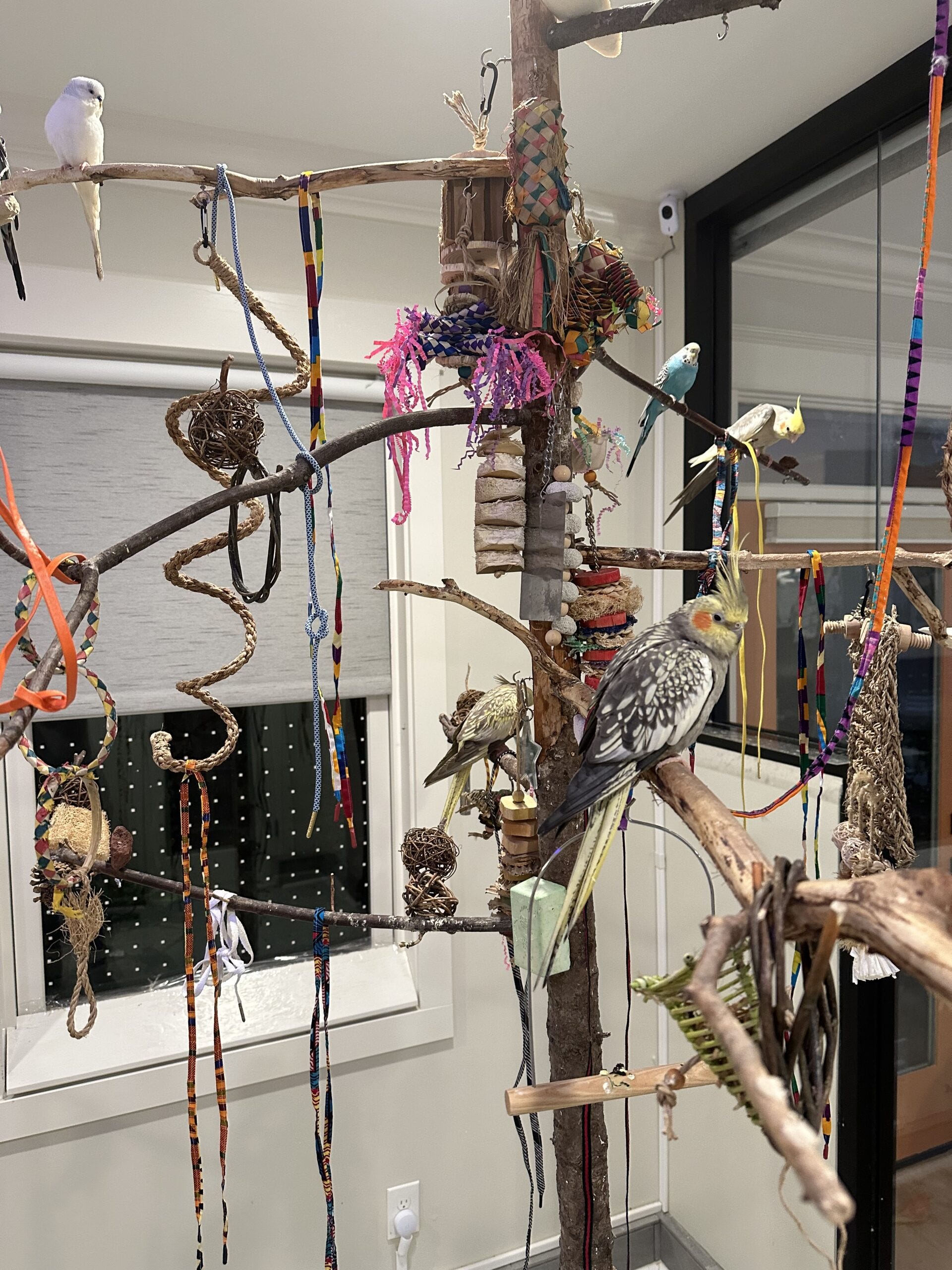
Credit: freerangeparrots.org
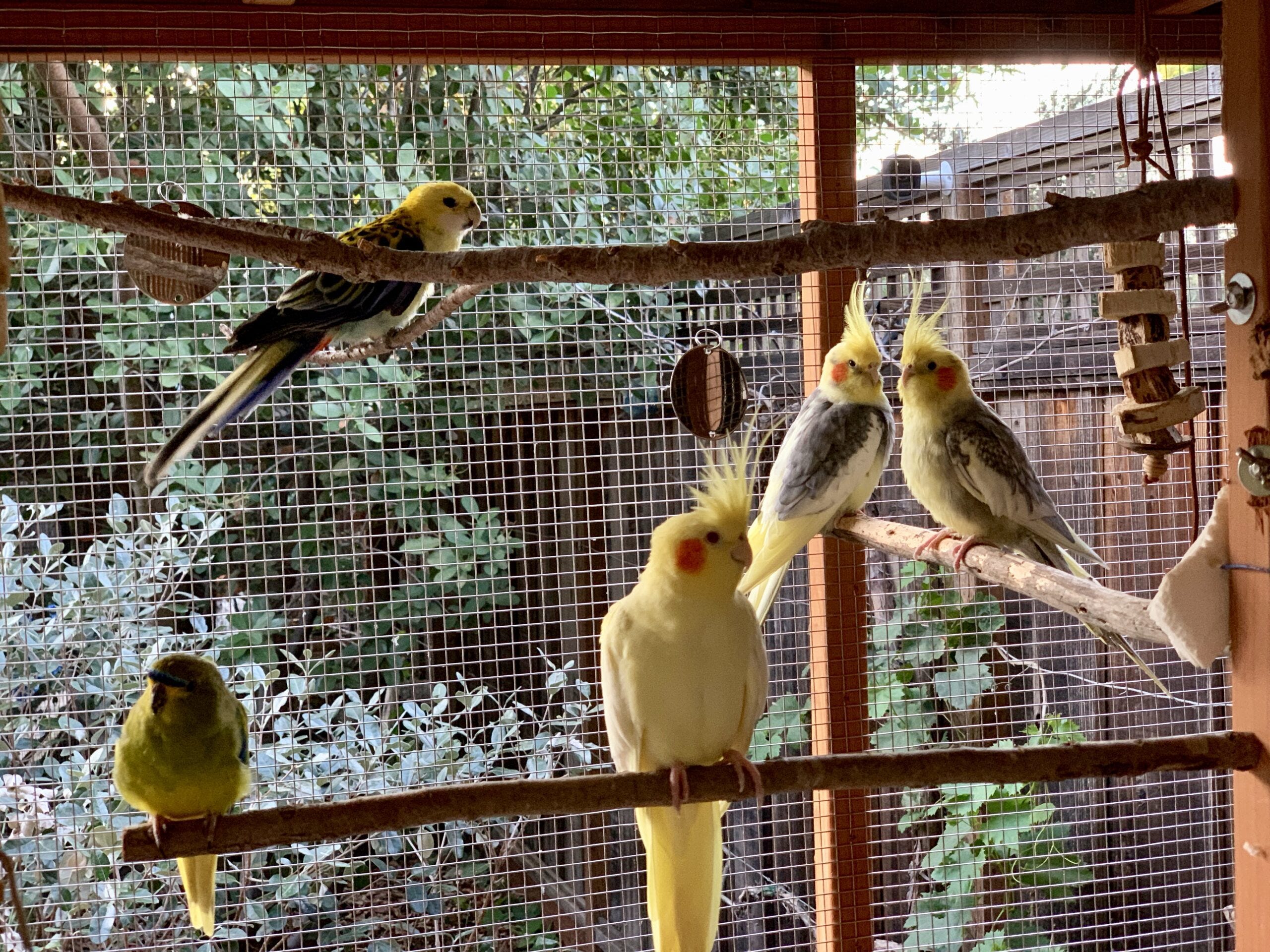
Credit: freerangeparrots.org
Frequently Asked Questions
What Type of Branches Are Best for Bird Perches?
Choose hardwood like oak or maple. Avoid toxic trees like cherry. Ensure they are free of chemicals.
How Do I Clean Branches Before Making Perches?
Wash with warm water and soap. Rinse thoroughly to remove dirt. Dry completely to prevent mold growth.
What Size Should Bird Perches Be?
Perches should be ¾ to 1 inch. This fits most birds comfortably. Ensure length allows grip without slipping.
Can I Use Untreated Branches for Bird Perches?
Yes, untreated branches are safe. Avoid chemically treated or painted wood. Inspect branches for pests before use.
Conclusion
Creating Bird Perches Out of Branches is fun and rewarding. Gather safe branches, clean, dry, and shape them carefully. Birds enjoy natural textures and feel comfortable. Handmade perches save money and enhance your bird’s habitat. Happy birds mean a happy life!