Easy Way to Make Bird Seed with Gelatin at Home
If you love watching birds visit your garden, making your own bird seed treats with gelatin is a fun and easy way to attract more feathered friends. Imagine creating colorful, tasty snacks that hold together perfectly and hang wherever you want.
In this guide, you’ll discover simple steps to make bird seed with gelatin that your local birds will enjoy—and you’ll feel great knowing exactly what’s in their food. Ready to turn your backyard into a bird paradise? Keep reading to learn how!
Benefits Of Gelatin Bird Seed
Gelatin bird seed holds seeds together in a firm shape. This makes feeding birds easier and cleaner.
Using gelatin in bird seed offers many benefits for birds and the environment. It helps birds get more nutrition and attracts different species.
Nutritional Advantages
Gelatin adds protein to bird seed mixes. Protein helps birds build strong muscles and feathers.
The gelatin keeps seeds fresh longer. This means birds get better nutrients from the seeds.
- Protein supports bird health
- Seeds stay fresh and tasty
- Helps baby birds grow well
Environmental Impact
Gelatin bird seed reduces waste by keeping seeds from spilling. This helps keep areas clean.
Using natural gelatin is better for nature than plastic feeders. Gelatin breaks down safely after use.
- Less seed waste on ground
- Cleaner feeding spots
- Biodegradable material
Attracting Different Birds
Gelatin bird seed shapes allow adding fruits or nuts. These attract a variety of birds to your feeder.
Birds like woodpeckers, finches, and chickadees enjoy the firm texture. This gives you more chances to see many types.
- Mix seeds with fruits or nuts
- Attracts many bird species
- Varied texture appeals to more birds
Essential Ingredients
Making bird seed with gelatin requires a few key ingredients. These ingredients help bind the seeds and keep the mix fresh for birds.
Choosing the right seeds, selecting gelatin types, and adding natural additives can improve the final product for your feathered friends.
Choosing The Right Seeds
Select seeds that attract a variety of birds. Mix different sizes and types for best results.
- Sunflower seeds for energy and fat
- Millet for small songbirds
- Safflower seeds to deter squirrels
- Cracked corn for ground feeders
- Nyjer seeds to attract finches
Types Of Gelatin To Use
Gelatin acts as a binder to hold seeds together. Choose types that are safe and easy to use.
| Gelatin Type | Description | Notes |
|---|---|---|
| Unflavored Powdered Gelatin | Common and easy to mix | Use in warm water for best results |
| Sheet Gelatin | Clear and strong binder | Soak in cold water before use |
| Vegetarian Gelatin Alternatives | Plant-based options like agar-agar | Check for bird safety before use |
Additional Natural Additives
Adding natural ingredients can enhance nutrition and appeal to birds.
- Dried fruits like raisins or cranberries
- Crushed nuts for protein and fat
- Oats for extra fiber
- Chia seeds for omega-3 fatty acids
- Unsweetened coconut flakes for texture
Tools And Equipment Needed
Making bird seed with gelatin is a simple and fun project. You need a few basic tools to get started. These tools help mix, shape, and store the seed treats.
Having the right equipment makes the process easier and cleaner. It also helps create firm and neat bird seed shapes.
Mixing Bowls And Utensils
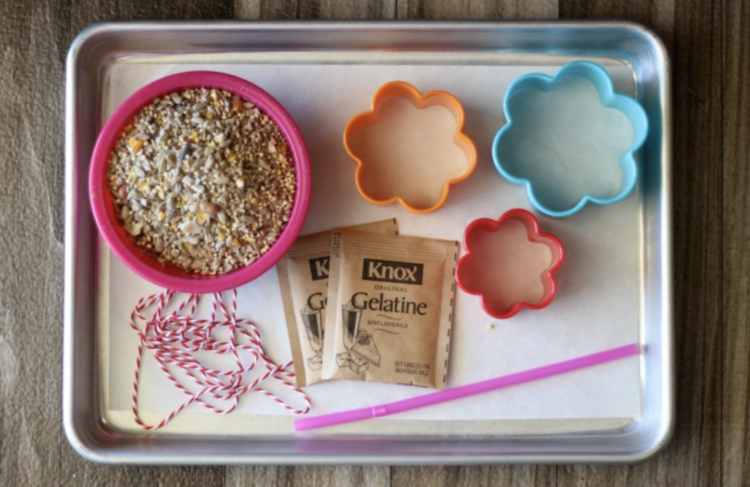
You need bowls and utensils to combine gelatin, water, and bird seed. Use heat-safe bowls if you warm the gelatin.
Use spoons or spatulas for stirring. A whisk helps mix gelatin smoothly. Measuring cups ensure you use the right amounts.
- Heat-safe mixing bowl
- Measuring cups and spoons
- Whisk or spoon for stirring
- Rubber spatula for scraping sides
Molds And Containers
Molds shape the bird seed mixture into fun forms. You can use silicone molds or small containers.
Choose molds that are easy to clean and non-stick. This helps remove the bird seed shapes without breaking them.
- Silicone molds in various shapes
- Ice cube trays
- Small plastic containers
- Non-stick or greased surfaces
Storage Solutions
Store the finished bird seed treats in airtight containers. This keeps them fresh and dry until use.
Keep containers in a cool, dry place. Label them if you make different shapes or recipes.
- Airtight plastic or glass containers
- Zip-lock bags for small batches
- Labels and markers for organization
- Cool, dry storage area

Credit: gluesticksblog.com
Step-by-step Preparation
Making bird seed with gelatin is simple and fun. It creates a sticky mix that holds seeds together well.
This guide shows easy steps to prepare and shape your bird seed treats.
Preparing Gelatin Mixture
Start by mixing gelatin powder with warm water. Stir until it fully dissolves. The warm water helps the gelatin melt smoothly.
Use the right amount of water and gelatin to get a thick but pourable mixture.
- Measure 1 packet of unflavored gelatin
- Pour 1/4 cup warm water into a bowl
- Sprinkle gelatin over water
- Let it sit for 5 minutes to bloom
- Stir gently until smooth
Mixing Seeds With Gelatin
Next, add your bird seeds to the gelatin mix. Stir well so all seeds get coated. This helps them stick together when set.
Choose seeds your local birds like. Mix different seeds for variety and nutrition.
- Use about 2 cups of mixed bird seeds
- Pour seeds into the gelatin mixture
- Mix gently but thoroughly
- Make sure seeds are evenly coated
Shaping And Setting
After mixing, shape the seed mixture into balls or blocks. Press firmly to pack the seeds tightly.
Place shapes on wax paper and let them cool. The gelatin will harden and hold the seeds in place.
- Use your hands or molds to shape mixture
- Press seeds tightly to avoid crumbling
- Place shapes on wax paper or tray
- Let them set in the fridge for 2 hours
- Once firm, your seed treats are ready
Drying And Hardening Tips
Making bird seed with gelatin needs proper drying and hardening. This step helps the seed mix hold its shape. It also makes the seed block strong for birds to eat.
Good drying stops the seed block from falling apart. It also keeps the mixture safe from mold and spoilage. Here are some tips to help you dry and harden your bird seed mix well.
Optimal Drying Conditions
Dry your bird seed blocks in a warm, dry place. The temperature should be between 70 and 80 degrees Fahrenheit. Air circulation helps the blocks dry evenly and faster.
Avoid direct sunlight. It can melt the gelatin or cause the seed to lose nutrients. Drying time usually takes 24 to 48 hours depending on size.
- Keep blocks on a wire rack for air flow all around
- Turn blocks gently after 12 hours to dry both sides
- Use a fan to improve air movement if the room is still
- Do not stack blocks during drying to prevent soft spots
Avoiding Mold And Spoilage
Moisture causes mold and spoilage in gelatin bird seed blocks. Make sure the seed mix is not too wet before drying. Keep your drying area clean and dry.
After drying, store the bird seed blocks in a cool, dry place. Use airtight containers to keep moisture out. Check the blocks regularly for any signs of mold.
- Use fresh gelatin and bird seeds to reduce spoilage risk
- Do not dry in humid or damp conditions
- Allow blocks to fully harden before storing
- Keep storage containers sealed and dry
Safe Feeding Practices
Making bird seed with gelatin is a fun way to feed birds safely. It helps hold the seeds together and makes feeding easier.
Always follow safe feeding practices to keep birds healthy and happy. Clean feeders often and place them in safe spots.
Best Placement For Bird Seed
Place bird seed in areas protected from wind and rain. This keeps the seed dry and fresh longer.
Choose spots away from predators like cats. Trees or shrubs near windows work well.
- Use a stable surface or bird feeder hook
- Avoid busy or noisy places
- Keep feeders out of reach of pets
Seasonal Feeding Tips
In cold weather, birds need more energy. Use high-fat seeds like sunflower and peanuts.
In warm seasons, offer fresh fruits and insects along with seed gelatin mixes to meet their needs.
- Check feeders daily in winter
- Provide water during hot months
- Adjust seed types with seasons
Cleaning Feeders
Clean feeders every two weeks to stop mold and bacteria growth. Use warm soapy water and rinse well.
Dry feeders completely before adding seed gelatin. Dirty feeders can make birds sick.
- Remove old seed before cleaning
- Use a brush for hard-to-reach spots
- Disinfect with a mild bleach solution if needed
Troubleshooting Common Issues
Making bird seed with gelatin is a simple project. Sometimes, small problems can happen. These problems can stop the gelatin from setting or cause seed clumps. You might also face issues with pests.
Here are easy ways to fix these common problems. Follow the tips to get good results every time.
Gelatin Not Setting
If your gelatin does not harden, check the temperature and gelatin amount. Too much heat can stop setting. Also, too little gelatin will not hold the seeds together.
Use cold water to dissolve gelatin and let it cool before adding seeds. Make sure to use the right gelatin to water ratio on the package.
Seed Clumping Problems
Seed clumps can form if the mixture is too wet or stirred too much. Clumps make the seed block uneven and hard to use.
- Use the correct amount of gelatin and water.
- Mix seeds gently and quickly.
- Spread mixture evenly in the mold.
- Let it cool without moving it.
Pest Prevention
Pests like ants and rodents can damage your bird seed blocks. Keep the blocks safe by storing and placing them correctly.
| Problem | Solution |
| Ants | Place seed blocks on a raised platform away from the ground |
| Rodents | Store blocks in sealed containers when not in use |
| Mold | Keep seed blocks dry and avoid excess moisture |

Credit: www.pinkstripeysocks.com
Credit: gluesticksblog.com
Frequently Asked Questions
What Ingredients Are Needed To Make Bird Seed With Gelatin?
To make bird seed with gelatin, you'll need bird seed mix, unflavored gelatin powder, water, and optional peanut butter or corn syrup. These ingredients bind seeds together, creating a solid, edible treat for birds. Using simple ingredients ensures a safe and nutritious snack for wild birds.
How Do You Prepare Gelatin For Bird Seed Mixtures?
Dissolve gelatin powder in hot water, stirring until fully dissolved. Allow the mixture to cool slightly before combining it with bird seed. This creates a sticky base that holds seeds together, making it easier to shape and dry into bird-friendly treats.
Can Homemade Gelatin Bird Seed Treats Attract Wild Birds?
Yes, gelatin bird seed treats attract wild birds effectively. The gelatin binds seeds in an edible form, making feeding easier and less messy. Birds enjoy these treats, especially in colder months when natural food is scarce, encouraging more bird visits.
How Long Does It Take For Gelatin Bird Seed To Dry?
Gelatin bird seed treats typically dry within 4 to 6 hours at room temperature. Drying time depends on thickness and humidity. Proper drying ensures the treats hold their shape and last longer when hung outdoors for birds.
Conclusion
Making bird seed with gelatin is simple and rewarding. Birds love these homemade treats. You enjoy watching them flock to your garden. This DIY project is fun for families too. Kids can easily participate in the process. Use fresh seeds for the best results.
Ensure the gelatin mixture is cool before adding seeds. Hang the bird feeders in visible spots. Maintain cleanliness to keep birds healthy. Try different seed mixes for variety. Experiment with shapes and sizes. Observe which birds visit your feeders. Enjoy the beauty of nature right in your backyard.