How to Make Bird Suet from Beef Fat for Wild Birds
If you love feeding birds and want to attract more feathered friends to your yard, making your own bird suet from beef fat is easier than you think. You might be surprised how simple ingredients and a little effort can create a high-energy treat that birds absolutely love.
By making suet yourself, you control what goes into it, keeping it fresh and safe for your backyard visitors. Ready to learn how you can make this delicious, nutritious suet for your birds? Keep reading, and you’ll discover a step-by-step guide that anyone can follow.
Benefits Of Bird Suet
Bird suet is a high-energy food that helps birds stay healthy. It is especially useful in cold weather. Suet provides essential fats that birds need to survive. Making your own suet at home can be a great way to feed wild birds.
Homemade suet can be made from simple ingredients like beef fat. This food supports many bird species by giving them calories and nutrients. It also attracts a variety of birds to your yard.
Why Birds Need Suet
Birds need suet because it is rich in fat and energy. Fat helps birds keep warm during cold seasons. It also gives them strength for flying and searching for food. Some birds eat suet to build up fat stores for migration.
- Provides high calories for energy
- Helps birds stay warm in winter
- Supports fast metabolism
- Offers nutrients not found in seeds
- Attracts insect-eating birds
Advantages Of Homemade Suet
Making suet at home lets you control the ingredients. You can choose healthy fats and add seeds or nuts. Homemade suet is fresh and free of preservatives. It is also cheaper than store-bought suet cakes.
| Advantage | Reason |
| Custom Ingredients | Choose what suits local birds |
| Cost Effective | Use leftover beef fat and kitchen scraps |
| Freshness | No chemicals or additives |
| Attracts More Birds | Add variety like seeds and dried fruits |
Credit: www.food.com
Choosing The Right Beef Fat
Bird suet made from beef fat provides energy to wild birds in cold weather. Choosing the right beef fat is important for good quality suet. The fat should be clean and fresh to attract birds.
Not all beef fat is the same. Some types work better for suet. Knowing what to look for helps you make the best suet.
Types Of Beef Fat Suitable For Suet
Suet is the hard fat found around the kidneys and loins of beef. This fat is best for making suet blocks because it stays solid at room temperature. Other fats can be softer or melt too fast.
Beef fat that is too soft or has many impurities can spoil quickly. Choose firm, white fat without blood spots or meat pieces. This keeps your suet fresh and safe for birds.
- Kidney suet: Hard, white fat near the kidneys, best choice
- Loin fat: Firm fat along the spine, also good
- Trimmed fat: Clean beef fat trimmed from meat cuts
- Avoid fat with blood or meat scraps
Where To Source Quality Fat
Look for fresh beef fat from trusted sources. Local butcher shops often have fresh suet and trimmed fat available. You can ask for fat that is free from meat and blood.
Grocery stores may sell beef fat in the meat section. Check the color and texture before buying. Farmer’s markets and specialty meat suppliers are also good places to find quality fat.
- Local butcher shops: Fresh and clean suet available
- Grocery stores: Check fat for firmness and color
- Farmer’s markets: Sometimes offer local beef fat
- Specialty meat suppliers: High-quality trimmed fat
- Avoid fat that smells bad or looks dark
Essential Ingredients and Tools
Making bird suet from beef fat is simple and rewarding. You only need a few ingredients and basic kitchen tools.
Bird suet provides energy for birds, especially in cold weather. Below are the key ingredients and tools to prepare it at home.
List Of Ingredients
Use fresh and natural ingredients to make healthy suet cakes for birds.
- Beef fat (also called suet), chopped or rendered
- Birdseed mix with sunflower seeds, millet, and cracked corn
- Peanut butter or vegetable shortening (optional for binding)
- Oats or cornmeal to add texture
- Dried fruits like raisins or cranberries (optional for nutrition)
Necessary Kitchen Tools
Gather these tools before you start making the suet. They will help you prepare and shape the mixture easily.
| Tool | Purpose |
| Mixing bowl | Combine fat and dry ingredients |
| Spoon or spatula | Stir ingredients evenly |
| Measuring cups | Measure seeds and oats |
| Suet molds or small containers | Shape the suet cakes |
| Knife | Cut beef fat into small pieces |
| Freezer-safe tray or plate | Freeze the suet before use |
Preparing Beef Fat For Suet
Making bird suet from beef fat starts with preparing the fat correctly. Clean, rendered fat will attract birds and provide essential energy during cold months.
Proper preparation ensures your suet is safe and easy for birds to eat. Follow the steps below to prepare beef fat for your suet blocks.
Rendering Fat Step-by-step
Rendering beef fat means melting it slowly to separate pure fat from any solids. This process makes the fat smooth and ready for suet.
- Cut the beef fat into small pieces about 1-inch wide.
- Place the fat in a large pot or slow cooker on low heat.
- Allow the fat to melt slowly for several hours. Stir occasionally.
- Watch for small bits of meat or tissue separating from the fat.
- Turn off the heat when most fat has melted and solids are left at the bottom.
Straining And Cooling Process
After rendering, strain the liquid fat to remove solid pieces. Then cool it to make the suet firm and ready to use.
| Step | Description |
|---|---|
| Straining | Pour the hot fat through a fine mesh or cheesecloth into a clean container. |
| Cooling | Let the strained fat cool at room temperature for about 30 minutes. |
| Refrigerating | Place the container in the fridge until the fat becomes firm and white. |
| Storage | Store the solid suet in an airtight container in the fridge or freezer. |
Mixing Suet Ingredients
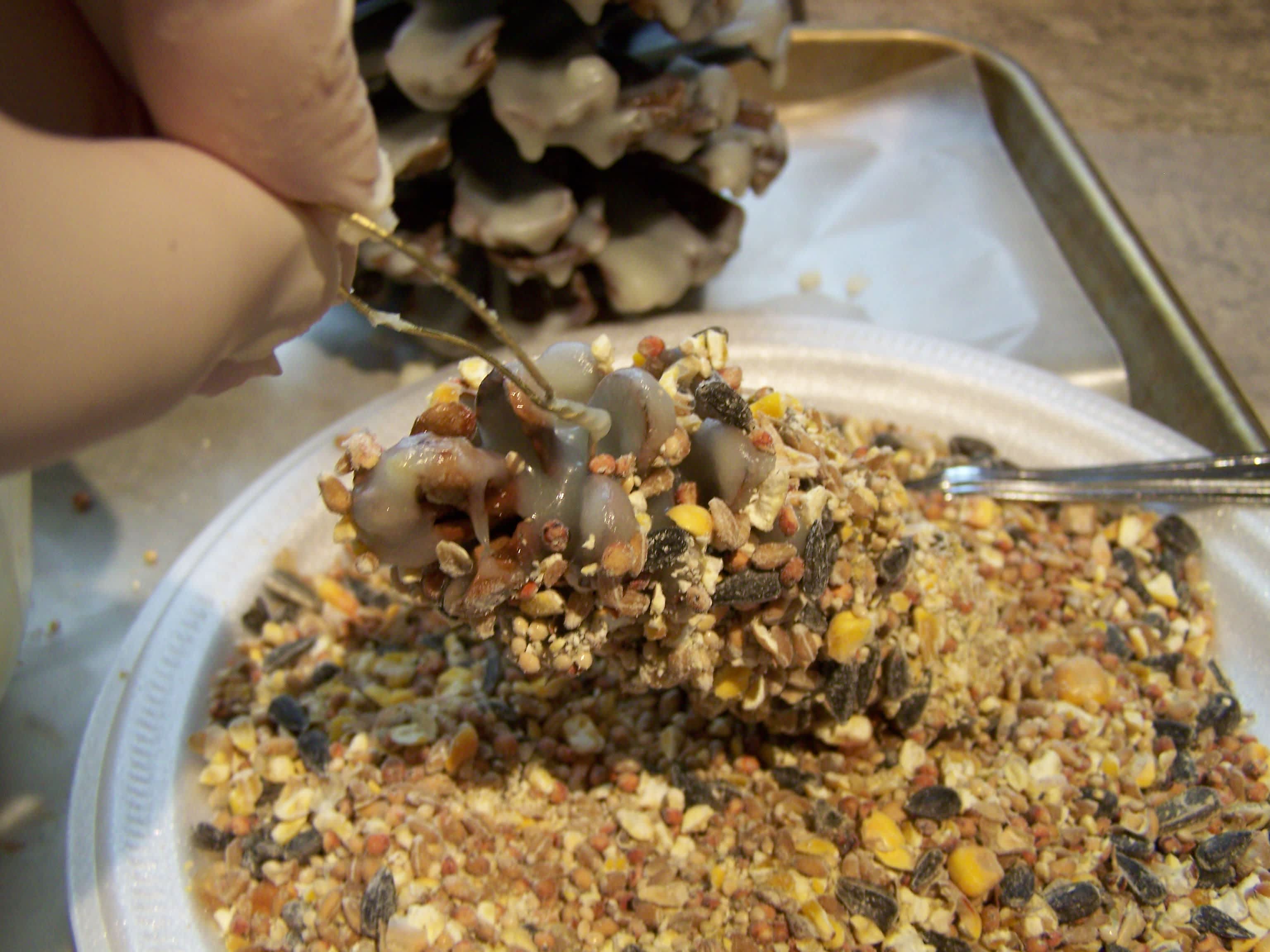
Mixing the ingredients correctly is key to making good bird suet from beef fat. The fat acts as a binder that holds everything together. You can add different seeds, nuts, and other ingredients to attract various birds.
Start by melting the beef fat carefully. Then stir in your dry ingredients before the fat cools and hardens. This helps the mixture stay well combined and easy to shape.
Adding Seeds And Nuts
Seeds and nuts provide energy and nutrients for birds. Choose a mix that suits the types of birds you want to feed. Here are common options to add to your suet:
- Black oil sunflower seeds – loved by many birds
- Cracked corn – attracts ground feeders
- Peanuts (unsalted and chopped) – high in protein
- Milo or sorghum – good filler seed
- Millet – favorite for smaller birds
Customizing Suet For Different Birds
You can adjust your suet recipe to attract specific bird types. Use the table below to see which ingredients work best for common backyard birds.
| Bird Type | Preferred Seeds/Nuts | Additional Tips |
|---|---|---|
| Woodpeckers | Peanuts, sunflower seeds | Add dried fruit for extra flavor |
| Finches | Millet, thistle seed | Use a finer seed mix for small beaks |
| Chickadees | Sunflower seeds, peanuts | Keep suet in small chunks |
| Sparrows | Cracked corn, millet | Place suet near ground feeders |

Credit: gratefulprayerthankfulheart.com
Molding And Storing Suet Cakes
Molding and storing suet cakes is an important part of making bird suet from beef fat. Proper shaping helps the suet hold together and fit feeders well.
Good storage keeps the suet fresh and ready for birds to enjoy. It also prevents spoilage and mess.
Using Molds and Containers
You can use various molds or containers to shape your suet cakes. Choose something that fits your bird feeder or garden space.
Metal, silicone, and plastic molds work well. You can also use clean yogurt cups, ice cube trays, or small boxes.
- Lightly grease molds for easy removal
- Press suet mixture firmly into molds
- Use molds that match your feeder size
- Freeze suet in molds before removing
Proper Storage Tips
Store suet cakes in a cool, dry place to keep them fresh. Heat can cause the fat to melt and spoil the suet.
Freezing suet cakes helps preserve them for longer periods. Wrap cakes in wax paper or plastic wrap before freezing.
- Keep suet cakes in airtight containers
- Label storage dates to track freshness
- Use frozen suet within 6 months
- Thaw frozen suet in the fridge before use
Feeding Birds With Homemade Suet
Making bird suet from beef fat is a simple way to feed wild birds. It provides high energy, especially in cold weather.
You can mix beef fat with seeds, nuts, and grains to make a tasty treat for many bird species.
Best Feeders To Use
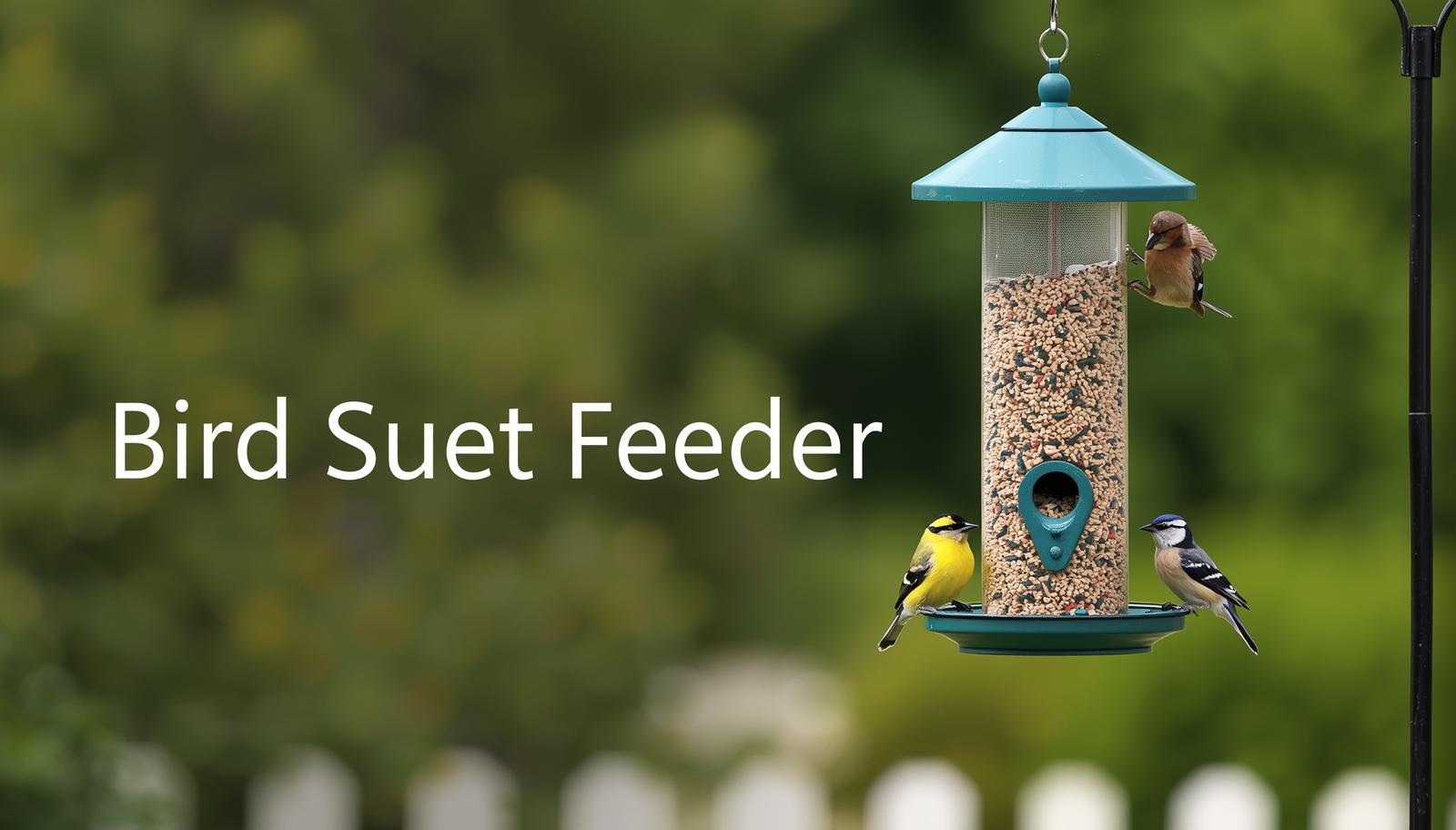
Choose feeders that hold suet cakes firmly and protect them from melting too fast. Wire cages and suet balls work well.
Feeders with good ventilation keep the suet fresh and easy for birds to access.
- Wire suet cages with openings for birds to cling to
- Plastic or metal suet ball feeders
- Hanging feeders with mesh sides
- Feeders with drainage holes to avoid water buildup
Safe Placement Tips
Place suet feeders in safe spots away from predators and bad weather. Keep them visible but protected.
Mount feeders where you can watch birds easily, but avoid areas near windows to prevent collisions.
- Hang feeders 5-6 feet above ground
- Keep feeders 10 feet away from windows
- Place feeders near shrubs or trees for bird cover
- Check feeders regularly for mold or spoilage
Troubleshooting Common Issues
Making bird suet from beef fat is simple but can have some problems. Knowing how to fix these issues helps keep birds safe and happy.
Common problems include suet melting too fast and mold growing on it. This guide shows how to prevent these problems.
Preventing Suet Melt
Beef fat melts easily in warm weather. If suet melts too fast, it can make a mess and waste food.
Keep suet solid by storing it in a cool place. Use a suet feeder that protects the suet from sun and heat.
- Make suet blocks smaller for quick freezing
- Store suet in the fridge or freezer before use
- Place feeders in shaded areas or under trees
- Use wire mesh feeders for air circulation
Avoiding Mold And Spoilage
Mold can grow on suet if it stays wet or warm. Spoiled suet is unsafe for birds to eat.
Keep suet dry and fresh by replacing it often. Clean feeders regularly to stop mold growth.
- Use fresh beef fat without any additives
- Store suet in airtight containers before use
- Replace suet every few days, especially in warm weather
- Clean feeders with hot water and scrub before refilling

Credit: littlesproutslearning.co
Frequently Asked Questions
What Ingredients Are Needed to Make Bird Suet from Beef Fat?
You need beef fat, birdseed, oats, and optional nuts or dried fruits. These ingredients provide energy and nutrients for birds. Using fresh beef fat ensures the suet is safe and tasty for wild birds.
How Do You Melt Beef Fat for Bird Suet?
Cut beef fat into small pieces and melt it slowly over low heat. Stir occasionally to prevent burning. Avoid high heat to keep nutrients intact. Once melted, mix in dry ingredients before cooling.
Can I Store Homemade Bird Suet? How Long?
Yes, store homemade bird suet in an airtight container. Keep it refrigerated or frozen to prevent spoilage. Properly stored suet lasts up to six months, providing a reliable food source for birds in cold weather.
What Birds Are Attracted to Beef Fat Suet?
Bird suet made from beef fat attracts woodpeckers, chickadees, nuthatches, and wrens. These birds rely on high-energy foods, especially during winter. Suet feeders can increase backyard bird diversity and activity.
Conclusion
Creating bird suet from beef fat is simple and rewarding. Birds love this nutritious treat, and it attracts them to your yard. Making suet helps reduce kitchen waste, too. Use leftover beef fat for an eco-friendly option. Remember to store suet properly to keep it fresh.
Homemade suet can support birds, especially in cold months. Enjoy watching a variety of birds visit your feeder. Share this fun activity with family or friends. You’ll find the process enjoyable and fulfilling. Happy birdwatching!