
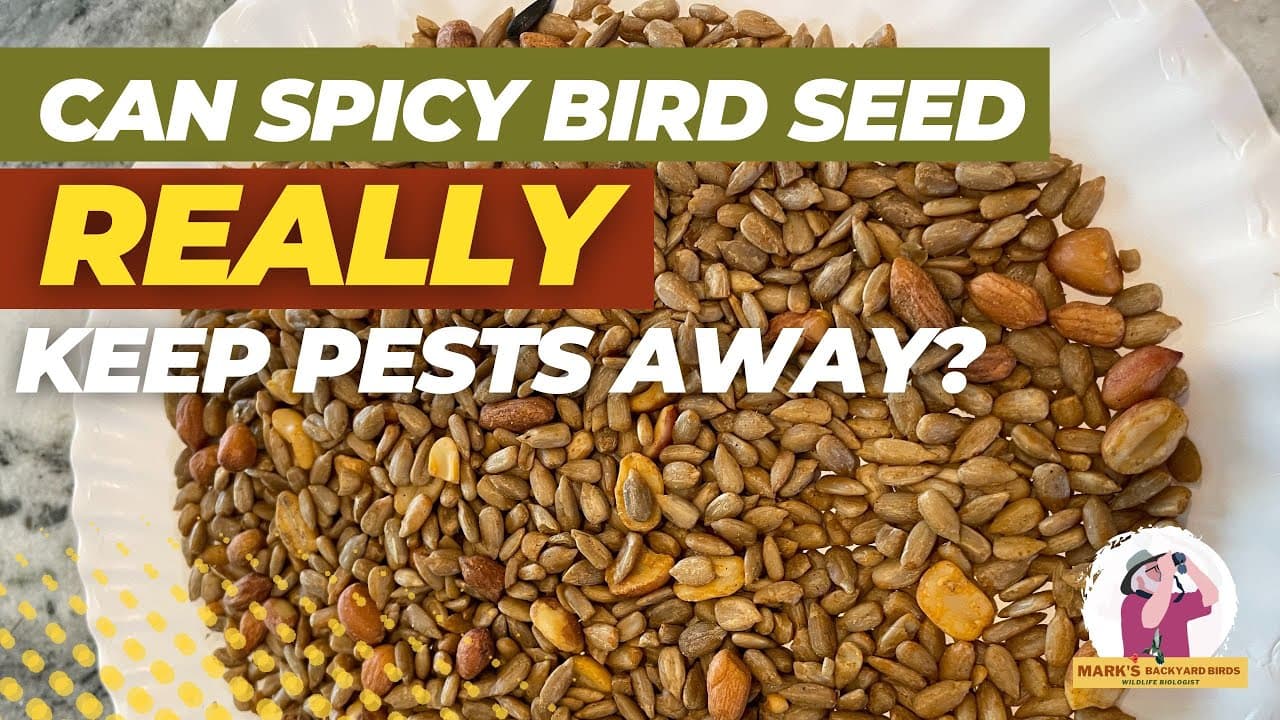
Are you looking for an easy way to keep your backyard birds warm and happy during chilly days? Making hot bird seed is a simple trick that can help you do just that.
Imagine your feathered friends gathering around, enjoying a cozy, nutritious treat that you prepared yourself. You’ll discover how to make hot bird seed step-by-step, using ingredients you likely already have at home. Keep reading, and you’ll learn how to become the favorite neighbor of every bird in your area.
Choosing The Right Seeds
Picking the right seeds is important for making hot bird seed. Good seeds attract many bird types and keep them healthy.
Choosing fresh and safe seeds helps birds enjoy their food without harm. This guide explains what seeds to pick and avoid.
Popular Seeds For Birds
Many birds like different kinds of seeds. Some seeds attract a wide variety of birds, while others are loved by specific species.
- Black oil sunflower seeds are favorite for many birds.
- Millet is good for small songbirds like sparrows.
- Safflower seeds attract cardinals and grosbeaks.
- Nyjer seeds are loved by finches and small birds.
- Cracked corn works well for larger birds like jays.
Seed Quality And Freshness
Fresh seeds are more nutritious and tasty for birds. Old or moldy seeds can make birds sick.
Choose seeds that look clean and dry. Avoid seeds with dust, mold, or a bad smell.
- Store seeds in a cool, dry place.
- Buy seeds in small amounts to keep them fresh.
- Check for insects or damage before buying.
Avoiding Harmful Seeds
Some seeds can be bad for birds. Avoid seeds that are treated with chemicals or are hard to digest.
Remove seeds that may cause choking or are toxic to birds. Always read seed labels carefully.
- Avoid seeds with pesticides or herbicides.
- Do not use spoiled or moldy seeds.
- Stay away from large, hard seeds that small birds cannot eat.

Credit: gratefulprayerthankfulheart.com
Gathering Ingredients And Supplies
Making hot bird seed is easy and fun. You only need a few simple ingredients. Also, having the right tools helps your work go smoothly.
This guide covers the essential ingredients, optional additives, and the tools you will need.
Essential Ingredients
Start with these main ingredients. They provide food and energy for the birds in cold weather.
- Black oil sunflower seeds
- Millet
- Cracked corn
- Peanuts (unsalted and shelled)
- Lard or suet
Optional Additives
You can add extras to attract different birds or improve the mix.
| Additive | Purpose |
| Dried fruit | Attracts fruit-eating birds |
| Cracked wheat | Provides variety in seed size |
| Chopped nuts | Adds extra protein |
| Oats | Easy to digest filler |
Tools And Equipment Needed
Gather these tools to make your hot bird seed safely and neatly.
- Mixing bowl
- Spoon or spatula for stirring
- Measuring cups
- Double boiler or microwave-safe bowl
- Storage container with lid
- Wax paper or silicone mat
Preparing The Seeds
Preparing hot bird seed is an important step before feeding birds. Clean seeds help keep birds healthy.
This guide explains how to clean, soak, and dry seeds for the best results.
Cleaning And Sorting
Start by removing dirt, dust, and broken seeds from your bird seed mix. Sorting helps pick out unwanted materials.
Use a fine mesh sieve or colander to separate small debris. Pick out any stones or large pieces by hand.
- Pour seeds into a sieve
- Shake gently to remove dust
- Check for broken or moldy seeds
- Remove stones and debris by hand
Soaking And Rinsing
Soak the seeds in clean water for a few hours. This softens the seeds and makes them easier for birds to eat.
After soaking, rinse the seeds well under running water to wash away any remaining dirt or dust.
- Place seeds in a bowl of water
- Soak for 2 to 4 hours
- Drain the water
- Rinse seeds with fresh water
Drying Methods
Dry the seeds completely before storing or feeding. Wet seeds can spoil and grow mold quickly.
Spread seeds on a clean towel or tray in a warm, dry place. Let them air dry for 1 to 2 days.
- Use a clean cloth or paper towel
- Spread seeds in a thin layer
- Keep in a dry, warm room
- Turn seeds occasionally for even drying
Cooking Techniques
Cooking bird seed helps make it easier for birds to eat and digest. Using the right cooking method keeps the seeds safe and tasty.
Different cooking techniques affect the seeds’ texture and nutrition. Learn how to boil and steam seeds safely and keep their nutrients.
Boiling Seeds Safely
Boiling bird seed softens it and removes harmful bacteria. Use clean water and a clean pot to avoid contamination.
Do not boil seeds for too long. Boiling for 10-15 minutes is enough to make seeds soft but not mushy.
- Use fresh water and rinse seeds before boiling
- Boil seeds on medium heat
- Stir occasionally to cook evenly
- Drain seeds and cool before feeding birds
Steaming Options
Steaming seeds cooks them gently and keeps their shape. It uses less water than boiling and retains more nutrients.
Use a steamer basket or colander placed over boiling water. Cover the pot to trap steam and cook seeds evenly.
- Place seeds in a steamer basket
- Boil water below the basket
- Cover and steam for 15-20 minutes
- Check seeds for softness before removing
Maintaining Nutritional Value
Cooking can reduce some vitamins in bird seeds. Use gentle cooking to keep most nutrients intact.
Do not overcook seeds. Drain and cool seeds quickly to stop extra cooking. This keeps seeds healthy for birds.
- Use moderate heat during cooking
- Cook seeds only until soft
- Cool seeds immediately after cooking
- Store cooked seeds in a cool place
Cooling And Storing
After making hot bird seed, proper cooling and storing keep it fresh and safe for birds.
Follow these tips to cool and store your bird seed mix correctly.
Proper Cooling Procedures
Let the hot bird seed cool down to room temperature before storing. Avoid placing it in a warm or humid place.
- Spread the bird seed on a clean tray for faster cooling.
- Keep it in a dry area with good air circulation.
- Do not cover until fully cooled to prevent moisture buildup.
Storage Containers
Use the right containers to keep bird seed fresh and safe from pests.
- Choose airtight containers to block moisture and air.
- Use plastic or glass containers that are easy to clean.
- Label containers with the date you stored the seed.
- Keep containers in a cool, dry place away from direct sunlight.
Shelf Life And Freshness Tips
Knowing how long your bird seed stays fresh helps you feed birds safely.
| Storage Time | Storage Condition | Notes |
|---|---|---|
| Up to 3 months | Cool, dry, airtight container | Best taste and nutrition |
| 3 to 6 months | Cool, dry, airtight container | Check for mold or smell before use |
| More than 6 months | Any condition | Not recommended, may spoil |
Feeding Tips For Birds
Feeding birds can be a fun way to enjoy nature. It helps birds find food, especially in tough times.
Knowing the right ways to feed birds keeps them healthy and happy around your home.
Choosing Feeding Spots
Pick a quiet and safe place for bird feeders. Keep it away from places where pets can reach.
Place feeders near trees or bushes. Birds like to hide nearby for safety.
- Choose spots with some cover like shrubs or trees
- Place feeders away from windows to prevent bird collisions
- Keep feeders clean to avoid disease
- Change feeding spots occasionally to keep birds interested
Seasonal Feeding Adjustments
Birds need different food types in each season. Offer energy-rich seeds in winter.
| Season | Recommended Bird Food |
| Spring | Sunflower seeds, mealworms |
| Summer | Fruits, nectar, insects |
| Fall | Mixed seeds, nuts |
| Winter | Black oil sunflower seeds, suet |
Attracting Different Bird Species
Use varied food and feeder types to attract many bird kinds. Some birds prefer ground feeding.
Try these tips to invite different birds:
- Use tube feeders for finches and small birds
- Use platform feeders for ground feeders like doves
- Hang suet cages for woodpeckers and nuthatches
- Offer nectar to attract hummingbirds
Common Mistakes To Avoid
Making hot bird seed mix is simple, but some errors can harm birds or ruin the mix. Avoiding these mistakes keeps birds safe and happy.
Read about common mistakes to avoid when making hot bird seed. Follow these tips for a better mix and longer storage life.
Overcooking Seeds
Overcooking bird seeds can burn them. Burned seeds lose nutrients and taste bad to birds. It also creates smoke and bad smells.
Cook seeds just enough to bind with fat or syrup. Watch the heat closely and stir often to prevent burning.
Using Toxic Ingredients
Some ingredients are harmful to birds. Avoid using salt, sugar, or spicy flavors in your hot bird seed mix.
Stick to safe ingredients like unsalted fat, plain seeds, and dried fruits without additives. Toxic items can make birds sick or cause death.
- Do not use salted peanuts or seeds
- Avoid chocolate and sugary syrups
- Never add spicy peppers or seasoning
- Choose natural, bird-safe fats only
Improper Storage Practices
Hot bird seed needs dry and cool storage. Heat and moisture cause mold or spoilage. Spoiled seed is unsafe for birds.
Store your mix in airtight containers. Keep it away from sunlight and humidity. Use the mix within a few weeks for best freshness.
- Use sealed containers like jars or plastic bins
- Store in a cool, dry place away from sunlight
- Check for mold or bad smells before feeding birds
- Make smaller batches to avoid long storage

Credit: creators.yahoo.com

Credit: www.firefliesandmudpies.com
Frequently Asked Questions
What Ingredients Are Needed To Make Hot Bird Seed?
To make hot bird seed, you need bird seed mix, suet or lard, and optional nuts or dried fruits. These ingredients attract different bird species and provide necessary energy during cold weather.
How Do You Prepare Hot Bird Seed Safely?
Melt the suet or lard gently over low heat. Mix in the bird seed and optional ingredients thoroughly. Pour into molds and let it cool completely before placing outside.
When Is The Best Time To Offer Hot Bird Seed?
Offer hot bird seed during cold weather or winter months. Birds need extra energy to stay warm, making this the ideal time for feeding.
Can Homemade Hot Bird Seed Attract More Birds?
Yes, homemade hot bird seed attracts more birds by providing high energy foods. Fresh ingredients and warmth draw various bird species to your feeder.
Conclusion
Creating hot bird seed is simple and rewarding. Birds will love the spicy treat, and it will deter pests. Follow the steps carefully for the best results. Mix the ingredients thoroughly to ensure even spice distribution. Offer it in a safe spot for birds to enjoy.
Watch as your garden becomes a lively hub of feathered friends. This project is easy and fun for all ages. Enjoy the sights and sounds of happy birds. It’s a great way to connect with nature. Now, go ahead and spice up your backyard!



