

How to Make Manzanita Bird Perches DIY Guide
If you love birds and want to give them a special place to rest, making your own Manzanita bird perches is a great idea. These natural, sturdy branches are perfect for your feathered friends to sit on and explore.
In this guide, we’ll show you how to make Manzanita bird perches that will not only look great but also provide a safe haven for your feathered friends.
You might think crafting bird perches is hard or expensive, but with the right steps, you can create beautiful, safe spots for birds right at home. Keep reading, and you’ll discover simple tips and tricks to make your own Manzanita bird perches that your birds will adore.
Knowing how to make Manzanita bird perches can enhance your birds’ environment and encourage them to be more active and playful.
Ready to get started? Let’s dive in!

Credit: www.manzanitadirect.com
Choosing The Right Manzanita Branches
Manzanita branches make great bird perches. Picking the right branches helps create a safe and sturdy perch.
Incorporating how to make Manzanita bird perches into your crafting routine can be highly rewarding and beneficial for your birds.
Good branches last longer and keep birds comfortable. Learn how to choose healthy and sustainable wood.
Identifying Healthy Branches
Look for branches that are strong and solid. Avoid wood that feels soft or breaks easily.
Check the color and texture. Healthy manzanita has smooth bark and no signs of mold or rot.
- Choose branches with no cracks or holes
- Pick wood that feels heavy for its size
- Look for fresh wood that is not dry or brittle
- Avoid branches with fungus or insect damage
Sourcing Sustainable Materials
Use manzanita branches from safe and legal sources. This helps protect nature and bird habitats.
Understanding how to make Manzanita bird perches from sustainably sourced materials is vital for protecting our environment.
Collect fallen branches or get permission to cut small pieces. Avoid harming living plants or trees.
- Pick dead branches that have fallen naturally
- Ask landowners before taking wood from private land
- Support local suppliers who use sustainable methods
- Never cut large branches from live trees
Tools And Materials Needed
Making manzanita bird perches requires some basic tools and materials. You need the right items to cut, shape, and finish the wood safely.
This section details the tools needed for how to make Manzanita bird perches, ensuring you have the right equipment before starting.
Choosing good tools and supplies helps you create strong and smooth perches for birds to enjoy.
Essential Cutting Tools
Cutting the manzanita branches properly is the first step. You need sharp and sturdy tools to make clean cuts.
These tools help you shape the wood to the right size and form for the bird perches.
- Hand saw or pruning saw for cutting branches
- Hacksaw for smaller branches or twigs
- Pruning shears for trimming leaves and small parts
- Branch loppers for thicker branches
Sanding And Finishing Supplies
Sanding smooths the wood surface, making it safe for birds to perch on. Finishing protects the wood from damage.
Use fine sandpaper and natural finishes that are safe for birds and pets.
When learning how to make Manzanita bird perches, always prioritize using safe, non-toxic finishes to protect your birds.
- Coarse, medium, and fine grit sandpaper
- Sanding block or electric sander
- Natural wood oil or beeswax for finishing
- Clean cloths for applying finishes
Safety Gear
Safety gear protects you while cutting and sanding wood. Always wear the right equipment to avoid injuries.
Wearing safety gear while you learn how to make Manzanita bird perches is crucial for preventing accidents during crafting.
Safety items also keep dust and wood chips away from your eyes and lungs.
- Safety goggles to protect your eyes
- Dust mask or respirator to avoid breathing dust
- Work gloves to protect your hands
- Long sleeves and closed shoes for extra protection
Preparing The Manzanita Branches
Manzanita branches make great bird perches. Preparing them well ensures they last long and are safe for birds.
Start by cleaning and drying the branches. Then trim them to the right size for your birds.
For best results, follow our expert advice on how to make Manzanita bird perches that are not only functional but also attractive.
Cleaning And Drying
Remove dirt and loose bark from the branches. This keeps the perches clean and safe.
- Use a stiff brush to scrub the branches gently.
- Wash the branches with warm water and mild soap.
- Rinse thoroughly to remove all soap.
- Let the branches dry completely in a sunny place.
- Drying may take several days depending on branch thickness.
Trimming To Size
Cut the branches to fit your bird’s cage or play area. Choose lengths that allow easy perching.
When considering how to make Manzanita bird perches, take the time to measure and plan for the specific sizes your birds will need.
| Bird Size | Branch Length | Branch Diameter |
|---|---|---|
| Small Birds (Finches, Canaries) | 6 to 12 inches | 0.5 to 1 inch |
| Medium Birds (Parakeets, Cockatiels) | 12 to 18 inches | 1 to 1.5 inches |
| Large Birds (Macaws, Cockatoos) | 18 to 24 inches | 1.5 to 2.5 inches |
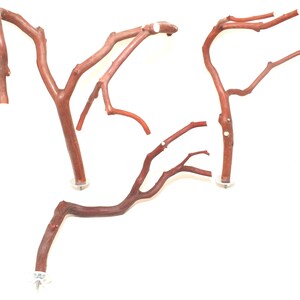
Credit: www.etsy.com
Shaping And Sanding the Perch
Making a manzanita bird perch starts with shaping the wood. Sanding helps create a smooth surface that is safe for birds.
Proper shaping and sanding make the perch both sturdy and comfortable. This guide explains how to smooth rough edges and create good perching surfaces.
Smoothing Rough Edges
After cutting the manzanita branch, check for sharp or rough edges. These can hurt the bird’s feet or feathers.
Use sandpaper with medium grit to start smoothing. Sand all edges and corners evenly to remove splinters.
- Begin with 80-120 grit sandpaper to remove rough spots
- Switch to finer grit like 220 for a smoother finish
- Sand along the grain of the wood to avoid scratches
- Wear a mask to avoid inhaling dust during sanding
Creating Comfortable Perching Surfaces
Birds need perches that feel natural and easy to grip. Avoid making the surface too smooth or too rough.
Lightly sand the top of the perch to keep some texture. This helps birds hold on without slipping.
- Sand enough to remove splinters but keep natural bumps
- Test the perch by gently running your hand over it
- If it feels too slippery, add light sanding with coarse grit
- Keep the perch dry and clean before use
Assembling The Bird Perch
Building a manzanita bird perch is a fun and rewarding project. The key parts are mounting hardware and stability.
As you assemble your bird perch, remember the core principles of how to make Manzanita bird perches that are sturdy and safe.
This guide explains how to attach hardware and keep the perch steady for your birds.
Attaching Mounting Hardware
Choose screws and brackets that fit the manzanita wood branches well. Use a drill to make pilot holes first. This stops the wood from splitting.
- Pick mounting hardware made of rust-resistant metal.
- Align the hardware with the branch to hold it firmly.
- Use a screwdriver or drill to secure screws tightly.
- Check that all parts are flush and hold well.
Ensuring Stability
Stable bird perches keep birds safe and comfortable. Test the perch by applying gentle pressure from different angles.
| Test Method | What to Check |
| Push Downward | Perch does not move or wobble |
| Side Pressure | No shaking or twisting |
| Weight Test | Supports weight without bending |

Finally, ensuring stability is a key part of how to make Manzanita bird perches that will last for a long time in your garden.
Credit: www.manzanitadirect.com
Finishing Touches
After shaping your manzanita bird perch, finishing touches protect and beautify the wood. These steps help your perch last longer outside. They also make the perch safe for birds to use.
Choose the right finish and decorations to fit your style. This guide covers natural finishes, sealants, and creative decorative ideas.
These finishing touches are essential in learning how to make Manzanita bird perches that are both beautiful and enduring.
Natural Finishes and Sealants
Natural finishes keep the wood looking fresh and protect it from weather. These sealants avoid harsh chemicals that may harm birds.
- Beeswax: Rub melted beeswax onto the wood. It adds a soft shine and water resistance.
- Linseed oil: Apply boiled linseed oil with a cloth. It soaks deep into the wood for lasting protection.
- Coconut oil: Use virgin coconut oil for a safe, natural finish. Reapply often to keep wood nourished.
- Shellac: A natural resin that dries quickly. It seals the wood and adds a warm tone.
Decorative Options
Decorate your manzanita perch to make it unique and attractive. Paints and carvings add personality without harming the wood.
| Decoration Type | Materials Needed | Tips |
| Non-toxic paint | Water-based acrylic paint | Choose bird-safe colors and apply thin layers |
| Wood burning | Wood burner tool | Create simple designs; avoid deep cuts |
| Natural embellishments | Twine, dried flowers | Attach gently with glue or wire |
| Carving | Small carving knives | Work slowly and keep edges smooth |
Installing And Maintaining the Perch
Manzanita bird perches add a natural touch to your outdoor space. Proper installation helps keep birds safe and comfortable. Good maintenance extends the perch’s life and keeps it clean for birds.
Follow these tips to place your perch safely and keep it well maintained. These steps help create a healthy environment for your feathered visitors.
By following these maintenance tips, you’ll ensure your knowledge of how to make Manzanita bird perches remains effective and beneficial for your birds.
Safe Placement Tips
Choose the right spot to install your manzanita bird perch. Avoid areas with heavy foot traffic or strong winds. Place it where birds can easily see approaching predators.
- Select a shaded area to protect birds from direct sun.
- Place the perch near shrubs or trees for cover.
- Keep it away from places with pets or loud noises.
- Install the perch at least 5 feet off the ground for safety.
- Make sure it is stable and will not tip over.
Cleaning And Upkeep
Regular cleaning keeps the perch safe and inviting for birds. Remove droppings and debris often. Check the wood for damage or mold and fix any problems quickly.
| Cleaning Task | Frequency |
| Remove droppings | Weekly |
| Inspect for cracks or mold | Monthly |
| Wash with mild soap and water | Every 2 months |
| Apply safe wood treatment | Annually |
Frequently Asked Questions – Manzanita Bird Perches
What Is a Manzanita Bird Perch?
A Manzanita perch is a natural branch from the Manzanita tree, known for durability and smooth texture that supports foot health.
Why Choose Manzanita For Bird Perches?
Manzanita wood is resistant to chewing, long‑lasting, and promotes healthy foot exercise while adding natural beauty to cages.
How To Prepare Manzanita For Bird Perches?
Clean thoroughly, remove bark or sharp edges, sand smooth, then boil or bake to disinfect before use.
Are Manzanita Bird Perches Safe For All Birds?
Yes, they suit most species. Choose perch sizes that match your bird’s feet for comfort and healthy leg development.
Conclusion
Creating Manzanita bird perches adds charm to any garden or bird space. These natural perches give birds a safe and comfortable place to rest. Crafting them requires just a few tools and some patience. Enjoy the process and watch birds enjoy their new perch.
Now that you’ve learned how to make Manzanita bird perches, enjoy watching your birds thrive and play!
Understanding how to make Manzanita bird perches is a rewarding experience that benefits both you and your feathered friends.



