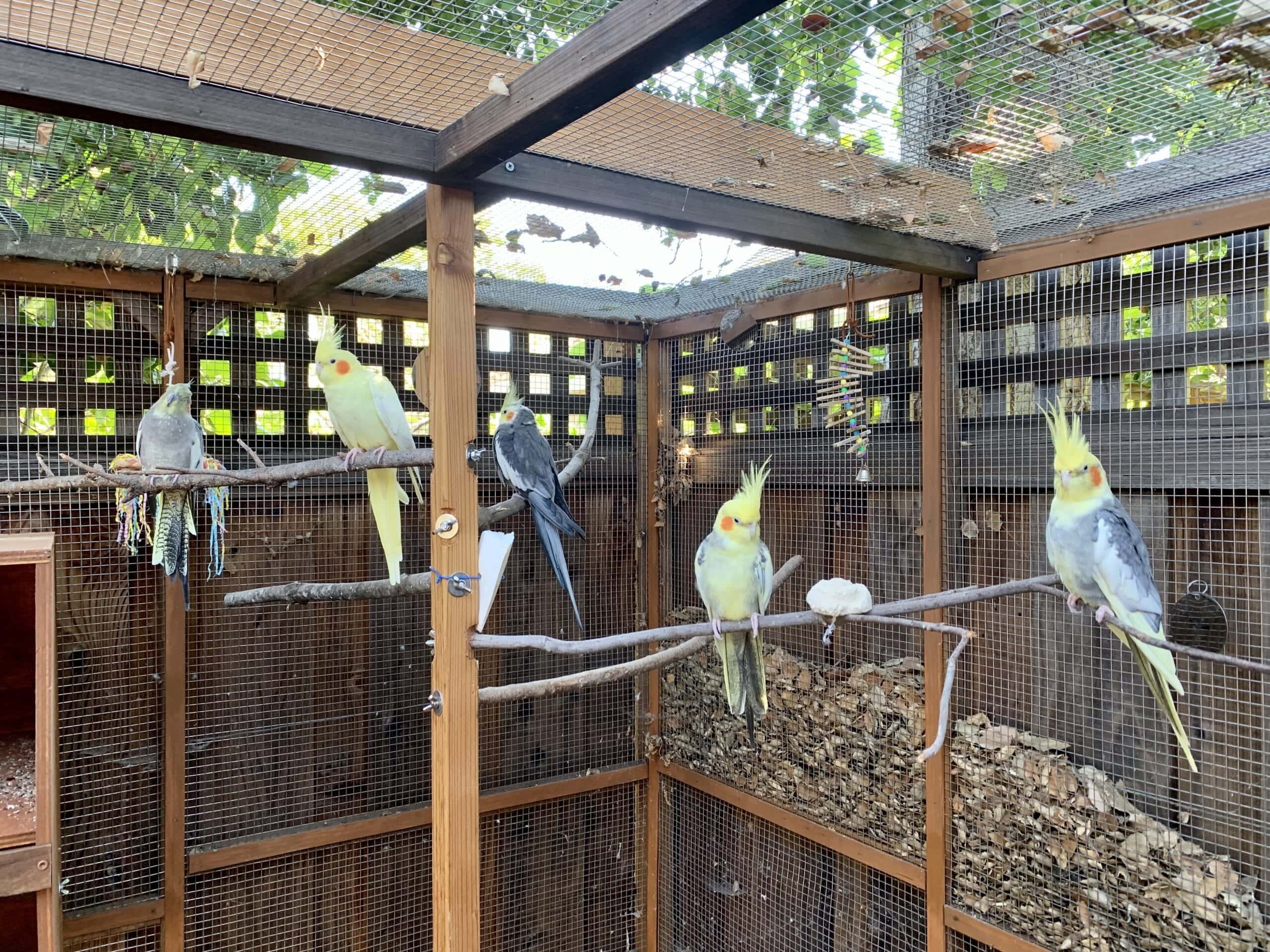
If you want to give your feathered friends a cozy and safe place to rest, making natural bird perches is the perfect solution. Not only are they healthier and more comfortable for your birds, but they also add a touch of nature to your home or aviary.
Imagine your birds enjoying a sturdy, chemical-free perch that feels just like the branches they’d choose in the wild. You’ll discover simple, step-by-step tips to create your own natural bird perches easily and affordably. Keep reading to learn how you can improve your birds’ comfort and well-being with materials you can find right outside your door.
Benefits Of Natural Bird Perches
Natural bird perches offer many advantages over synthetic ones. They improve your bird’s comfort and health.
Using natural materials mimics a bird’s environment in the wild. This helps keep birds happy and safe.
Improved Foot Health
Natural perches have uneven surfaces. This allows birds to exercise their feet and toes.
- Reduces pressure sores and foot problems
- Strengthens foot muscles
- Prevents arthritis and joint pain
- Improves blood circulation in the feet
Enhanced Mental Stimulation
Natural wood perches offer different textures and shapes. Birds explore and interact with these naturally.
This variety helps prevent boredom and stress. Birds stay active and curious.
- Chewing natural wood promotes beak health
- Exploring new textures keeps the mind sharp
- Natural scents stimulate senses
Durability And Safety
Natural perches are strong and long-lasting. They do not easily break or splinter.
| Feature | Natural Perches | Synthetic Perches |
| Durability | High | Medium |
| Safety | Non-toxic, no harmful chemicals | May contain toxins |
| Comfort | Varied textures | Uniform surface |
| Maintenance | Easy to clean and replace | Can degrade or crack |
Choosing The Right Wood
Making natural bird perches starts with choosing the right wood. The wood must be safe and strong for birds to use.
Not all wood types are safe for birds. Some woods can harm birds if they chew or sit on them.
Safe Wood Types
Use wood types that are safe and non-toxic for birds. These woods do not have harmful oils or chemicals.
- Apple wood
- Maple wood
- Ash wood
- Birch wood
- Elm wood
These woods are hard and natural. Birds can chew them without risk.
Avoiding Toxic Materials
Some woods and materials can be toxic to birds. Avoid woods with oils or chemicals that hurt birds.
- Cedar wood (can cause breathing problems)
- Pine wood (resin can irritate birds)
- Painted or treated wood (chemicals are harmful)
- Pressure-treated wood (contains toxins)
Always check the wood is natural and untreated before use.
Sourcing Sustainable Wood
Choose wood that comes from sustainable sources. This helps protect forests and nature.
- Use fallen branches or wood from dead trees
- Buy from local wood suppliers who harvest responsibly
- Avoid wood from endangered tree species
- Recycle wood from old furniture if untreated
Sustainable wood supports the environment and gives birds a safe home.
Tools And Materials Needed
Making natural bird perches is a simple and fun project. You only need a few tools and materials to get started.
Using natural wood gives birds a safe and comfortable place to rest. Choose the right tools to work safely and easily.
Basic Tools List
These basic tools help you cut and prepare the wood for bird perches. They are easy to find and use.
- Hand saw or pruning saw to cut branches
- Sanding block or sandpaper to smooth rough edges
- Measuring tape or ruler for accurate cuts
- Drill with small bit to make holes for mounting
- Clamps to hold wood while working
Optional Accessories
Optional accessories can make your work easier or improve the perch quality. They are not required but useful.
- Wood sealer or bird-safe finish to protect the perch
- Wire cutters if you plan to add wire mounts
- Small paintbrush to apply finishes
- Work table for a stable work surface
- Wood glue for extra strength when joining pieces
Safety Gear
Safety gear protects you while working with tools and wood. Always use safety gear to avoid injuries.
- Safety glasses to protect your eyes from wood chips
- Dust mask to avoid breathing sawdust
- Work gloves to protect your hands
- Ear protection if using loud power tools
Credit: freerangeparrots.org
Preparing The Wood
Making natural bird perches starts with good wood preparation. Proper preparation keeps birds safe and comfortable.
Each step helps create a clean, smooth perch that birds enjoy. Follow simple methods for best results.
Cleaning And Sanitizing
Clean the wood to remove dirt, insects, and mold. This step stops germs from harming birds.
- Brush off loose bark and debris.
- Soak wood in a mild bleach solution (1 part bleach to 10 parts water) for 10 minutes.
- Rinse wood well with clean water.
- Let the wood dry completely in the sun.
Cutting To Size
Cut the wood to the right size for your bird. Proper length and thickness give good grip and comfort.
| Bird Size | Perch Diameter | Perch Length |
| Small Birds | 0.5 to 0.75 inches | 6 to 8 inches |
| Medium Birds | 0.75 to 1.25 inches | 8 to 10 inches |
| Large Birds | 1.25 to 2 inches | 10 to 12 inches |
Sanding For Smoothness
Sanding removes rough spots and sharp edges. This step prevents injuries and makes perches safe.
- Use medium-grit sandpaper to smooth the surface.
- Follow with fine-grit sandpaper for a soft finish.
- Check all sides and edges carefully.
- Wipe the wood clean of dust before use.
Design Ideas For Bird Perches
Natural bird perches provide a safe and comfortable place for birds to rest. They also add a touch of nature to your home or aviary. Choosing the right design helps keep birds happy and healthy.
This guide explores three popular perch designs. Each design offers different benefits and styles to suit your bird’s needs.
Simple Straight Perches
Simple straight perches are easy to make and clean. Use smooth branches or wooden dowels that fit your bird’s size. These perches help birds exercise their feet evenly.
- Choose wood that is safe and non-toxic
- Sand rough edges to prevent splinters
- Make sure the perch diameter suits your bird’s feet
- Place perches at different heights for variety
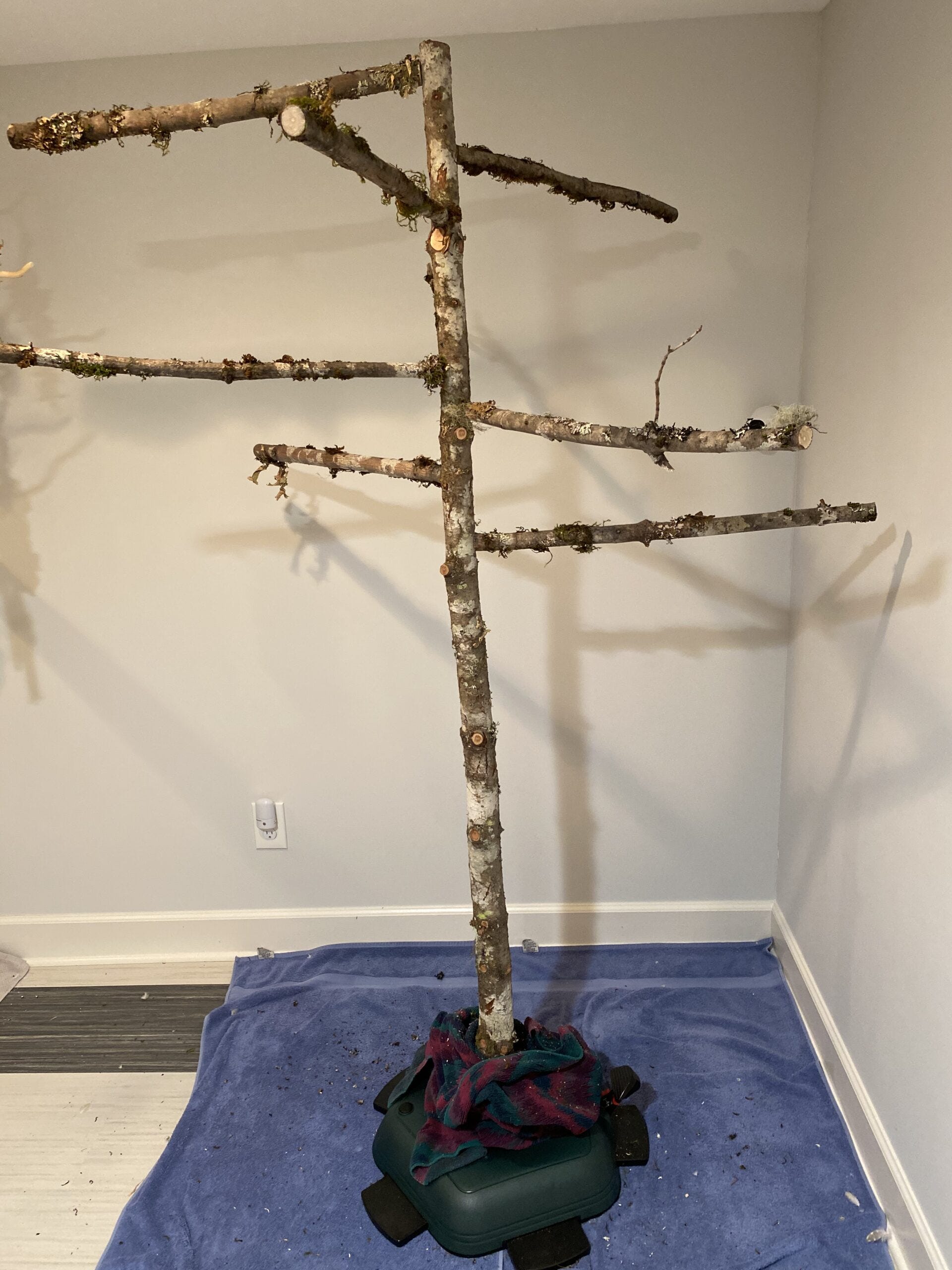
Branch-style Perches
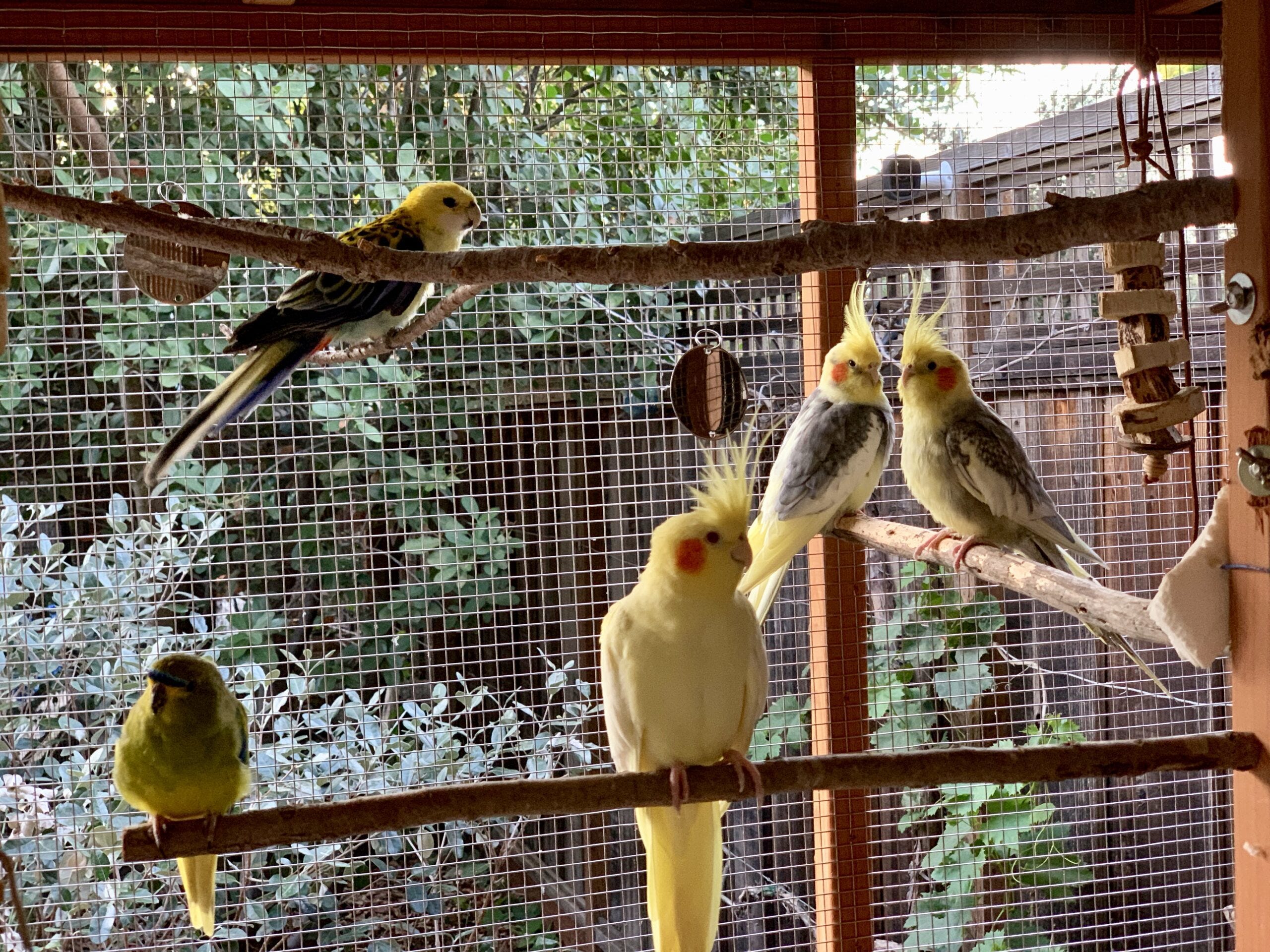
Branch-style perches mimic natural tree branches. They have uneven shapes and textures. This type encourages birds to grip and move in a natural way.
| Branch Feature | Benefit for Birds |
|---|---|
| Varying thickness | Strengthens different foot muscles |
| Natural bark | Offers texture for gripping |
| Curves and twists | Encourages climbing and movement |
Multi-level And Interactive Designs
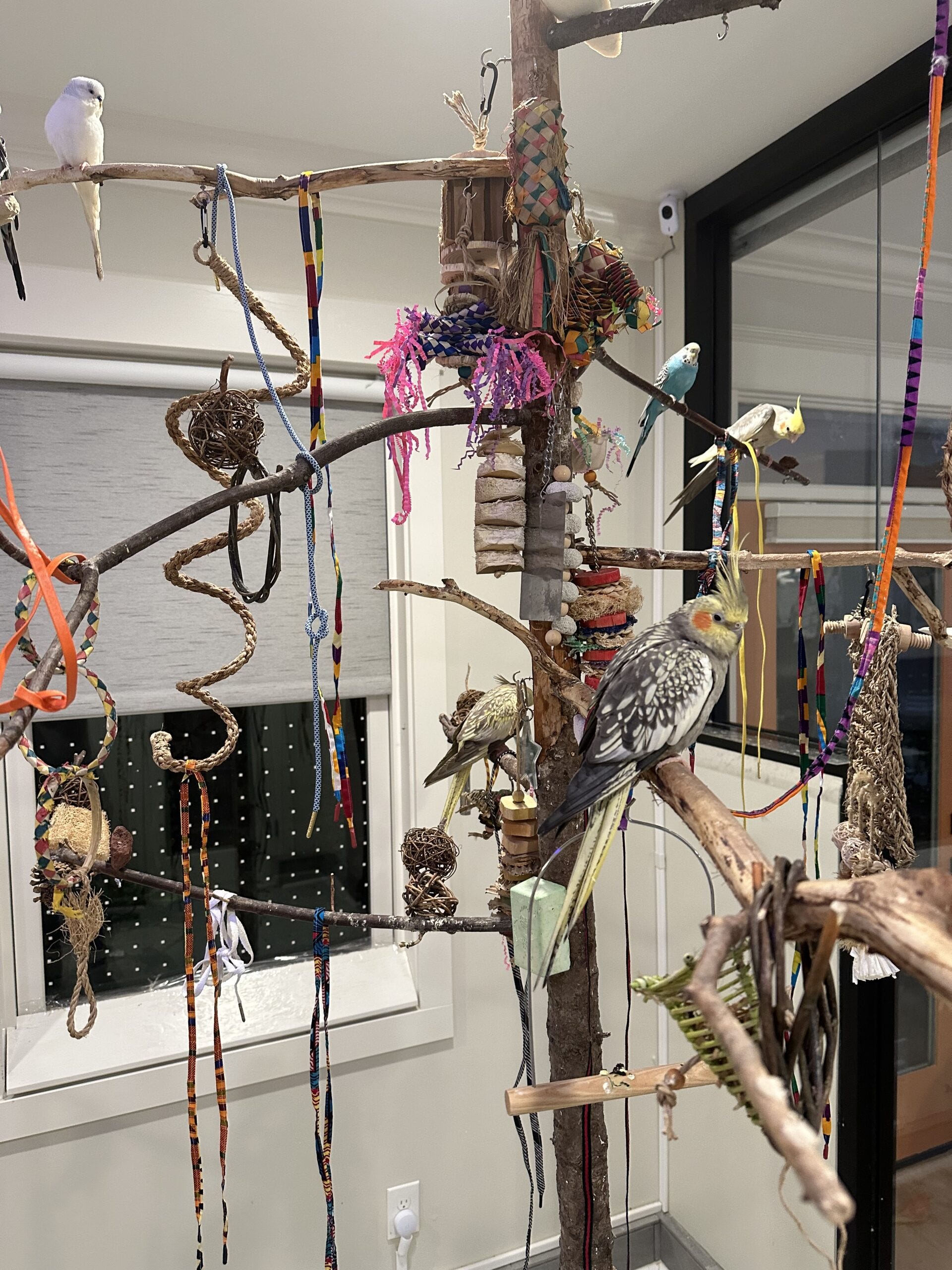
Multi-level perches combine several branches or sticks at different heights. Adding swings or ladders makes perches fun and stimulating. These designs keep birds active and entertained.
- Use wooden ladders to connect different levels
- Add small swings for gentle movement
- Include hanging toys for play
- Arrange perches to encourage flying short distances
Assembling The Perches
Assembling natural bird perches is an important step to ensure they are safe and comfortable. Proper assembly helps the perch last longer and supports your birds well.
This guide covers attaching mounts, securing with screws or wire, and checking perch stability for a secure setup.
Attaching Mounts
Choose sturdy mounts to hold the perch firmly in place. You can use metal brackets or wooden blocks as mounts. Attach the mounts to the perch ends using strong glue or screws.
Make sure the mounts fit well with the cage or wall where the perch will go. This helps keep the perch steady and safe for your birds.
Securing With Screws Or Wire
Use screws or wire to fasten the perch to the mounts and the cage. Screws offer a solid hold and are easy to tighten if needed.
- Pick screws that are rust-resistant and safe for birds.
- Wrap wire tightly around the perch and mount if screws are not an option.
- Check that no sharp ends or points stick out to avoid bird injuries.
Ensuring Stability
| Check Point | Action | Result |
| Mount Attachment | Firmly fasten mounts with screws or glue | Perch stays in place without wobbling |
| Wire or Screw Tightness | Secure wires or screws tightly | Prevents perch from shifting or falling |
| Surface Inspection | Look for loose parts or sharp edges | Safe and comfortable perch for birds |
Maintenance And Cleaning Tips
Keeping natural bird perches clean and safe helps your birds stay healthy. Regular care prevents damage and keeps perches comfortable.
Follow these tips to maintain your bird perches and ensure they last longer.
Regular Inspection
Check your natural bird perches often for cracks, splinters, or mold. Look for loose parts that could hurt your bird. Early detection helps avoid injuries.
- Examine the perch surface for rough spots
- Check for signs of wear or damage
- Look for mold or dirt buildup
- Test stability by gently moving the perch
Safe Cleaning Methods
Clean natural perches with gentle methods to avoid harming the wood or your bird. Use mild solutions and avoid strong chemicals.
| Cleaning Step | Recommended Method |
| Remove debris | Brush with a soft brush |
| Wash perch | Wipe with warm water and mild soap |
| Disinfect | Use diluted vinegar solution (1 part vinegar, 3 parts water) |
| Dry | Air dry completely before use |
Replacing Worn Perches
Replace perches that show heavy wear or damage. Worn perches can cause discomfort or injury to your bird’s feet.
- Remove the old perch carefully
- Choose a new perch with similar size and texture
- Install the new perch securely in the cage
- Inspect the new perch regularly for safety
Credit: freerangeparrots.org
Common Mistakes To Avoid
Making natural bird perches can be a fun project. It helps create a safe place for birds to rest. Avoiding some common mistakes will make your perches better and safer.
This guide covers three key mistakes to watch for. These are using treated wood, ignoring size and shape, and poor installation practices.
Using Treated Wood
Treated wood contains chemicals to resist decay and insects. These chemicals can harm birds if they chew or perch on the wood. It is best to avoid any wood that has been treated with chemicals.
Instead, choose natural, untreated wood from safe tree types. These woods are safer for birds and last well outdoors.
Ignoring Size And Shape
Birds need perches that fit their feet comfortably. Using the wrong size or shape can cause foot problems or discomfort.
- Choose branches that match the bird’s foot size.
- Use natural shapes, not perfectly round dowels.
- Vary perch sizes to exercise different foot muscles.
- Avoid sharp edges or splinters that can hurt birds.
Poor Installation Practices
Installing perches correctly keeps birds safe and comfortable. Loose or unstable perches can cause falls or injuries.
| Common Installation Mistake | Safe Practice |
| Using weak fasteners | Use strong screws or nails |
| Mounting perches too close together | Allow enough space for birds to move freely |
| Ignoring perch height | Place perches at safe and accessible heights |
| Not checking stability | Test perch firmness before use |
Credit: freerangeparrots.org
Frequently Asked Questions
What Materials Are Best For Natural Bird Perches?
Natural wood branches are ideal for bird perches. Choose untreated, pesticide-free hardwood like oak or maple. Avoid softwoods as they can splinter and harm birds. Ensure the branch is sturdy and smooth to provide a safe, comfortable grip for your bird.
How Do I Prepare Wood For Bird Perches Safely?
Clean the wood thoroughly with water and a brush. Avoid chemicals or soaps that may harm birds. Let the wood dry completely before use. Sand rough spots gently to prevent splinters. This ensures the perch is safe and comfortable for your bird.
Can I Use Outdoor Branches For Indoor Bird Perches?
Yes, but ensure branches are clean and free from pests. Collect from chemical-free areas and avoid treated wood. Thoroughly wash and dry branches indoors. Inspect for fungi or mold before use. This keeps your bird safe and healthy.
How Do I Maintain Natural Bird Perches?
Regularly clean perches with warm water and a brush. Remove droppings and debris to prevent bacteria growth. Replace perches if they become cracked or splintered. Proper maintenance ensures a safe and hygienic environment for your bird.
Conclusion
Crafting natural bird perches is simple and rewarding. It benefits both you and your birds. You save money and create a healthier environment. Birds enjoy natural textures and varied shapes. This boosts their physical and mental health. Using safe, untreated wood is key.
Choose sturdy branches that suit your bird’s size. Always secure perches firmly to prevent accidents. Regularly check for wear and replace if needed. Enjoy watching your birds thrive on their new perches. With these tips, you can confidently make natural perches.
Your feathered friends will thank you!