How to Make Your Own Bird Seed Mix 2026 Guide
Have you ever wanted to attract more colorful birds to your backyard? Making your own bird seed mix is easier than you think—and it lets you control exactly what your feathered friends enjoy.
Imagine watching a variety of birds visit daily, feeding on seeds you carefully chose just for them. In this guide, you’ll discover simple steps to create a nutritious and irresistible mix that keeps birds coming back. Ready to turn your outdoor space into a lively bird haven?
Let’s dive in!
Choosing The Right Seeds
Making your own bird seed mix lets you feed birds you like. Choosing the right seeds is important. Different birds like different seeds. Picking the right seeds helps attract many birds.
Some seeds are better than others for feeding birds. You want seeds that birds enjoy and that are healthy for them. Avoid seeds that birds do not eat or that can cause harm.
Popular Seeds For Birds
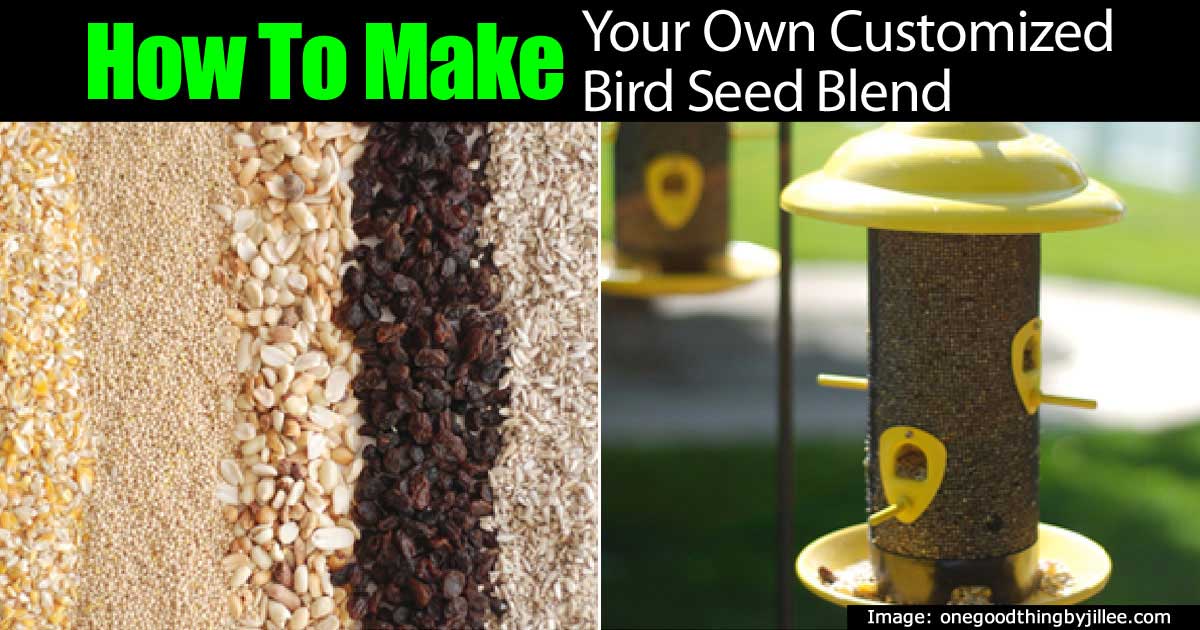
Many birds like sunflower seeds. Black oil sunflower seeds are small and easy to crack. They have lots of oil and nutrients. Millet is a small, round seed that many small birds enjoy. It is a good choice for ground-feeding birds.
Safflower seeds are liked by cardinals and finches. They have a hard shell that squirrels avoid. Nyjer seeds are tiny and loved by finches. These seeds need special feeders to keep them from spilling.
- Black oil sunflower seeds – high energy, popular with many birds
- White proso millet – small, good for sparrows and doves
- Safflower seeds – hard shell, good for cardinals and grosbeaks
- Nyjer (thistle) seeds – tiny, attracts finches
- Cracked corn – attracts doves and ground feeders
Seeds To Avoid
Some seeds are not good for birds. Red millet is often ignored by many birds. Avoid seeds with shells too hard for birds to crack. These seeds waste food and can make birds hungry.
Avoid mixes with fillers like oats or wheat. Birds usually do not eat these. Also, avoid spoiled or moldy seeds. They can harm birds and cause illness.
- Red millet – usually ignored by birds
- Wheat and oats – not eaten by many birds
- Seeds with very hard shells – hard for birds to eat
- Spoiled or moldy seeds – harmful to birds
Credit: underatinroof.com
Balancing Nutrition
Making your own bird seed mix lets you control what birds eat. Balanced nutrition helps birds stay healthy.
Each ingredient should provide key nutrients like protein, fats, vitamins, and minerals. This guide explains how to balance these well.
Protein Sources
Protein helps birds build muscles and repair tissues. Seeds and nuts are good sources of protein.
Sunflower seeds and peanuts are popular choices. They contain enough protein for daily energy.
- Black oil sunflower seeds
- Peanuts (unsalted)
- Safflower seeds
- Millet
Fats And Oils
Fats give birds energy and help keep feathers shiny. Seeds with oils are a good fat source.
Black oil sunflower seeds have more fat than striped ones. Adding some nuts also adds healthy fats.
- Black oil sunflower seeds
- Peanuts
- Flaxseeds
- Hemp seeds
Vitamins And Minerals
Birds need vitamins and minerals for strong bones and good health. Small seeds and dried fruits add these nutrients.
Adding crushed eggshells or mineral blocks gives calcium. Vitamins A and E come from colorful fruits and seeds.
- Dried blueberries or cranberries
- Crushed eggshells (cleaned)
- Millet
- Chia seeds
Where To Buy Seeds
Making your own bird seed mix starts with finding good seeds. You can buy seeds from different places. Each has its own benefits.
Knowing where to shop helps you get the right seeds for your birds. Let’s look at some places to buy bird seeds.
Local Stores
Local stores often have bird seeds ready for sale. These include pet shops, garden centers, and some grocery stores. You can see the seeds before buying.
- Pet supply stores usually have a wide choice.
- Garden centers may offer organic options.
- Farm supply stores sell bulk seeds.
- Some grocery stores carry basic seed types.
Online Options
Buying seeds online gives you access to many brands and types. You can read reviews and compare prices easily. Shipping is usually fast and reliable.
- Specialty bird seed websites offer custom blends.
- Major online retailers sell common seeds.
- Some sellers provide organic and non-GMO seeds.
- Look for sellers with good customer feedback.
Bulk Buying Tips
Buying seeds in bulk can save money and reduce trips to the store. It is best if you have storage space and plan to feed birds for a long time.
| Tip | Description |
| Check seed freshness | Buy from sources with fast stock turnover |
| Store properly | Use airtight containers in a cool, dry place |
| Buy mixed seeds | Save time by purchasing blends made for birds |
| Compare prices | Look at cost per pound to find best deals |

Credit: www.ishouldbemoppingthefloor.com
Mixing Your Seed Blend
Creating a bird seed mix lets you attract different kinds of birds. Mixing the right seeds helps feed birds with varied tastes and needs.
Understanding the tools and the right seed ratios makes your mix effective. You can also add extras to make it more appealing.
Tools Needed
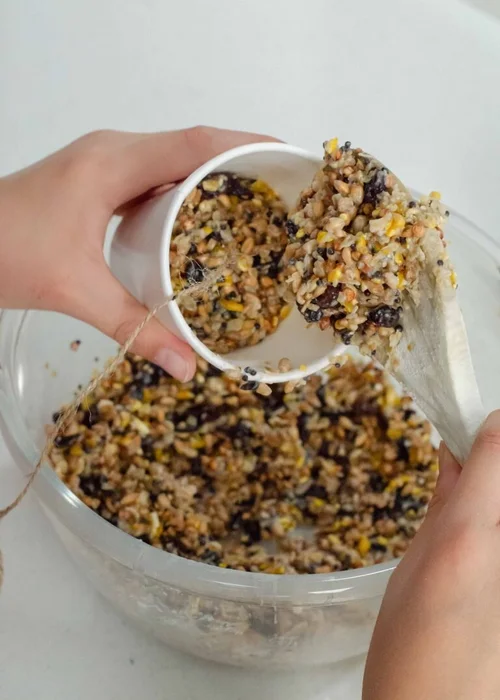
Having the right tools helps you mix seeds easily and keeps the process clean. Use simple tools that you can find at home or buy cheaply.
- Large mixing bowl or container
- Measuring cups or a kitchen scale
- Stirring spoon or spatula
- Storage containers with lids
- Gloves to keep hands clean
Proportions And Ratios
Using the right proportions helps balance nutrition and seed variety. You want to include seeds that birds like and eat often.
| Seed Type | Recommended Ratio | Purpose |
| Black Oil Sunflower | 40% | High energy, attracts many birds |
| Millet | 30% | Good for small birds like sparrows |
| Cracked Corn | 20% | Feeds ground feeders like doves |
| Nyjer (Thistle) | 10% | Attracts finches and small birds |
Adding Extras
Extras make your seed blend more nutritious and interesting for birds. You can add nuts, dried fruits, or grains.
- Chopped peanuts for protein
- Dried berries for natural sweetness
- Oats or barley for fiber
- Crushed eggshells for calcium
- Small pieces of suet for energy
Storing Your Mix
Storing your homemade bird seed mix properly keeps it fresh and tasty. Good storage also protects the seeds from pests and moisture.
Learn about the best containers to use and how long your mix will last when stored well.
Container Choices
Choose containers that keep air and moisture out. This helps keep seeds dry and fresh. Avoid clear containers if storing in sunlight.
- Use airtight plastic or glass jars with tight lids
- Metal containers with seals also work well
- Keep containers in a cool, dark place
- Do not use paper or cloth bags for long storage
Shelf Life Tips
Knowing how long your seed mix stays fresh helps you avoid waste. Seeds can spoil if stored too long or in poor conditions.
| Storage Time | Storage Condition | Notes |
| 1-2 months | Room temperature, airtight container | Ideal for best freshness |
| 3-6 months | Cool, dark place, airtight container | Still good if kept dry |
| Over 6 months | Refrigerated in sealed container | May lose flavor and nutrients |
Feeding Tips
Making your own bird seed mix is fun and rewarding. Feeding birds the right way helps them stay healthy.
Use good feeders and feed birds often. Change feeding habits with the seasons.
Best Feeders To Use
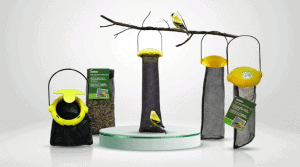
Use feeders that suit the type of birds you want to attract. Tube feeders work well for small seeds.
Platform feeders are good for larger seeds and mixed blends. Hopper feeders keep seeds dry and fresh.
- Tube feeders for small seeds like millet
- Platform feeders for mixed seed blends
- Hopper feeders to protect seeds from rain
- Squirrel-proof feeders to keep seeds safe
Feeding Frequency
Feed birds every day if you want them to visit often. Fresh seeds attract more birds.
Keep feeders clean and refill them when seeds run low. Avoid letting seed build up and spoil.
- Fill feeders daily or every few days
- Check for mold or spoiled seeds
- Clean feeders monthly to prevent disease
Seasonal Adjustments
Change your seed mix based on the season. Birds eat more high-energy foods in cold months.
Offer fresh fruits or insects in warm months. Reduce feeding when natural food is abundant.
- Winter: Use high-fat seeds like sunflower and peanuts
- Spring and summer: Add fruits and mealworms
- Fall: Mix in grains and nuts
- Stop feeding in spring if natural food is plenty
Saving Money With Diy Mix
Making your own bird seed mix saves money and lets you control what birds eat. You can buy seeds in bulk and mix what birds like best.
Store-bought mixes can cost more and may contain fillers. DIY mixes help you avoid paying for unwanted ingredients.
Cost Comparison
Buying individual seeds is often cheaper than buying pre-made mixes. You pay only for the seeds you want.
Some seeds, like sunflower and millet, are affordable and popular with many birds. Buying just these can cut costs.
- Sunflower seeds cost less when bought in bulk
- Millet is cheap and loved by small birds
- Pre-mixed bags often include expensive fillers
Bulk Purchase Benefits
Buying seeds in bulk lowers the price per pound. You get more seeds for less money.
Bulk seeds last a long time if stored properly. You can refill your mix without buying new bags often.
- Bulk seeds cost less than small packages
- Store seeds in airtight containers to keep fresh
- Buy only the types birds in your area prefer
Reducing Waste
DIY bird seed mix helps reduce waste. You use only seeds birds eat and avoid throwing away leftovers.
Buying seeds in bulk means less packaging trash. You also avoid buying many small bags that add to waste.
- Mix seeds birds prefer to avoid leftovers
- Store seeds well to prevent spoilage
- Bulk buying reduces plastic and paper waste
Credit: www.sbfprize.org
Frequently Asked Questions
What Ingredients Make The Best Homemade Bird Seed Mix?
A good bird seed mix includes sunflower seeds, millet, cracked corn, and peanuts. These seeds attract a variety of birds and provide essential nutrients. Avoid fillers like wheat or oats that birds often discard.
How Do I Store Homemade Bird Seed Mix Properly?
Store your bird seed mix in an airtight container. Keep it in a cool, dry place to prevent mold and pests. Proper storage preserves freshness and prevents spoilage, ensuring the mix stays safe for birds.
Can I Customize Bird Seed Mix For Specific Bird Species?
Yes, customize your mix by selecting seeds preferred by target birds. For example, finches like nyjer, while cardinals prefer sunflower seeds. Tailoring your mix helps attract specific birds and enhances your feeding experience.
How Often Should I Refresh My Homemade Bird Seed Mix?
Refresh bird seed mix every two weeks to maintain freshness. Old seeds can spoil or grow mold, which harms birds. Regularly cleaning feeders also prevents disease and keeps birds safe.
Conclusion
Creating your own bird seed mix is simple and fun. You save money and control the ingredients. Birds enjoy fresh and varied seeds. Start with basic seeds like sunflower and millet. Add nuts and dried fruits for treats. Mix seeds well and store in a cool place.
Homemade mixes attract many bird species. Watching birds eat is rewarding and peaceful. Enjoy the beauty of nature in your backyard. Happy birdwatching!