You want to add bright color to your garden. How to Plant Desert Red Mexican Bird of Paradise is easier than you think. This amazing plant loves hot, dry weather. It brings a tropical look to your yard.
You might wonder how to start. Or you might ask what makes it grow so well. Keep reading now. You will find simple steps to plant this flower. It will grow easily. Your garden will thank you for it!
Choosing the Right Spot
Planting this flower needs a good spot. The right location helps it grow strong. It stays healthy this way.
This plant needs special conditions. They help it show off its bright flowers. It must also survive dry weather.
Sunlight is Key
The Desert Red Mexican Bird of Paradise loves full sun. It needs at least six hours of direct sun daily.
Too little sun means fewer flowers. It causes weak growth. Choose a spot that is bright all day long.
Soil Needs
This plant grows best in soil that drains well. Sandy or rocky soil works very well.
Do not use heavy clay soil. It holds water. This can cause the roots to rot. The soil must dry out between waterings.
Space to Grow
This plant can spread out wide. It needs plenty of room to grow.
Leave 3 to 5 feet between each plant. This allows for good air flow. It gives the plant room to grow well.
-
Leave 3 to 5 feet apart for each plant.
-
It needs room to grow up to 6 feet tall.
-
Space stops plants from crowding. It prevents disease.
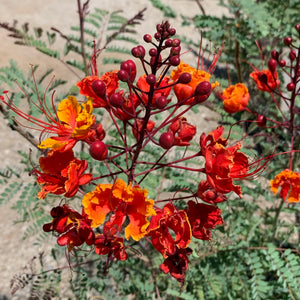
Credit: cjgardeningcenter.com
Getting the Soil Ready
Prepping the soil helps your plant grow well. Good soil ensures the plant gets water and food.
Focus on drainage first. Add the right materials. Check the soil’s acid level. These steps make a healthy home for the roots.
Better Drainage
This plant hates standing water. Make sure the soil drains well. Roots may rot if water stays too long.
-
Choose sandy soil. Loamy soil also drains better.
-
Avoid heavy clay soil. It holds too much water.
-
Plant on a slight hill if possible. Water runs off easily.
-
Use raised beds for better drainage in flat areas.
Soil Extras
Adding natural material helps the soil. It holds food. It also improves soil texture. This helps the roots stay healthy. It balances the water.
-
Mix compost into the soil before planting.
-
Add small gravel or coarse sand. This increases drainage.
-
Use aged manure. It provides natural food for the plant.
Acidity Level
This plant grows best in slightly acidic soil. Neutral soil works too. Check the soil’s level. Keep it in a good range.
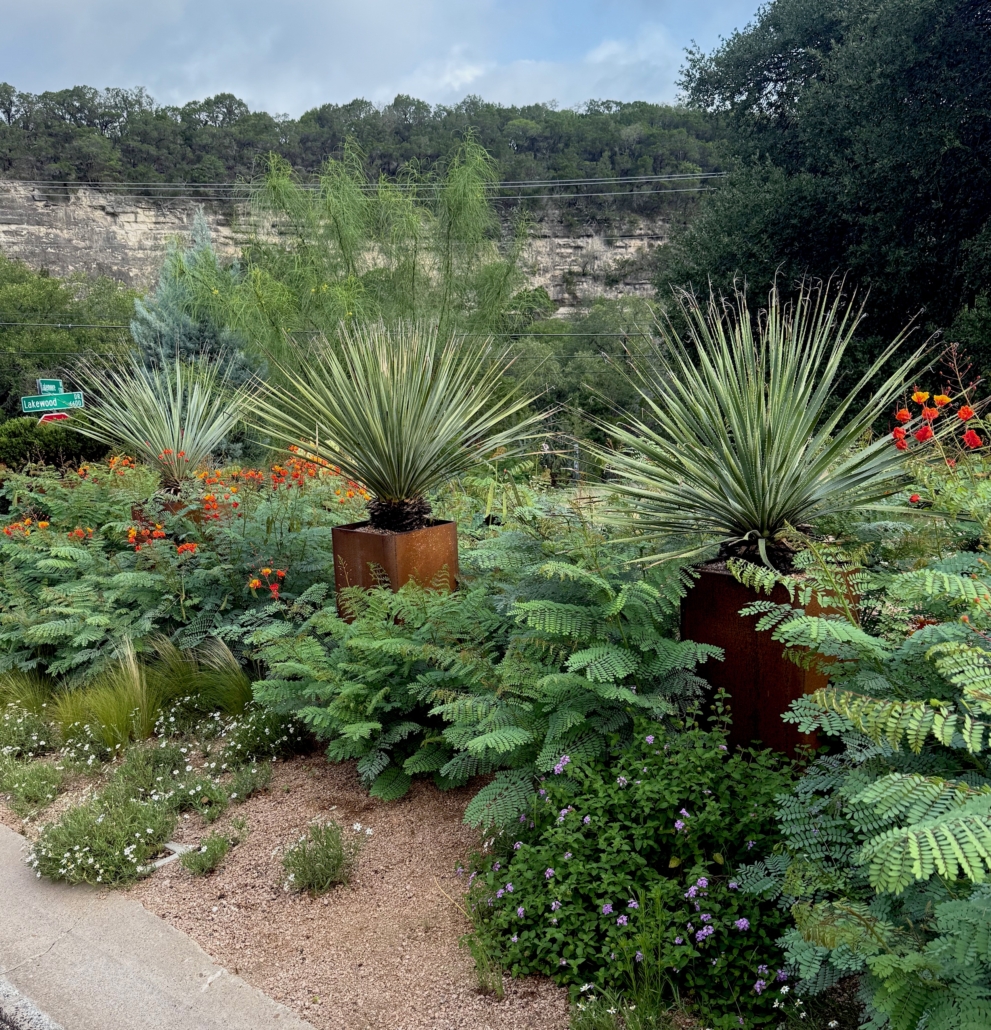
Credit: www.azplantlady.com
How to Plant It
Planting the Desert Red Mexican Bird of Paradise is simple. Just follow these steps. This plant loves dry, warm places. It adds bright color to your garden.
Follow these easy steps. Your Desert Red Mexican Bird of Paradise will grow well.
Digging the Hole
Dig a hole first. Make it twice as wide as the plant’s roots. The hole must be deep enough. The whole root system should fit easily.
-
Clear all weeds from the planting spot.
-
Use a shovel to dig a wide hole.
-
Loosen the soil around the hole. This helps the roots spread.
How Deep to Plant
The top of the roots must be even with the soil. Planting too deep can cause roots to rot.
Spacing the Plants
Space each plant at least 5 to 7 feet apart. Good space helps air move. This allows for healthy growth.
-
This allows room for the plant to grow tall and wide.
-
It reduces the fight for water and food.
-
It prevents disease by improving air flow.
Watering the Right Way
This plant needs careful watering. Correct watering helps it grow strong. It also helps it bloom well.
Watering correctly means enough water, but not too much. Follow these tips to keep your plant healthy.
First Watering
Water deeply right after you plant it. This helps the roots settle in place. It encourages strong root growth.
Use a slow drip or a gentle spray. Soak the soil around the base. Do not flood the area.
Setting a Schedule
Water regularly. Water less often as the plant gets older. Keep the soil moist, but not wet. That is the goal.
-
Water deeply once or twice a week when it is dry.
-
Feel 2 inches below the surface to check moisture.
-
Change watering based on the weather. Adjust for how dry the soil is.
-
Use mulch. It keeps soil moist longer. This reduces watering needs.
Mary Irish, noted author and expert on Southwest gardening, states: “Gardeners often ruin this plant by being too generous. Remember that the Mexican Bird of Paradise is built for the desert; once established, deep, infrequent watering is the golden rule. You are encouraging root strength, not dependency. When in doubt, always err on the side of dryness.”
Stop Overwatering
Too much water hurts the plant. It causes root rot. Look for signs. Yellow leaves or soft stems mean trouble.
Tips for Fertilizing
Fertilizer helps this plant grow strong. It gives it the food it needs.
Learn the best type of fertilizer. Learn how often to use it. Find good natural options for your plant.
Fertilizer Type
Choose a balanced mix. Use equal parts of nitrogen, phosphorus, and potassium. A 10-10-10 mix works well. A 20-20-20 mix is good too.
You can use slow-release fertilizer. It feeds the plant over time. Avoid high-nitrogen mixes. They can cause too many leaves to grow.
How Often to Feed
Apply fertilizer every 6 to 8 weeks. Do this during the main growing season.
Fertilize less in late fall and winter. The plant grows slower then. Water the plant well after you use fertilizer. This helps the food reach the roots.
Natural Choices
These natural options feed your plant well. They do not use chemicals.
Pruning and Care
Care helps your plant grow healthy. Regular pruning keeps it neat. It helps more flowers to grow.
Use clean, simple tools. Cut branches neatly. Check the plant often. See which parts need trimming.
Shaping the Plant
Shape your plant for a balanced look. Cut branches that are too long. Trim branches that cross each other. This lets sunlight reach the inside of the plant.
-
Trim back long stems to keep the size good.
-
Cut branches that grow inward. Remove crowded branches.
-
Take off shoots that grow from the base. Do this if there are too many.
-
Shape the plant after it finishes blooming.
Removing Dead Parts
Check for dead or dry leaves. Remove these parts. This stops pests and diseases from spreading. Use sharp scissors or shears.
Credit: www.gardeningknowhow.com
Fixing Common Problems
Planting this flower can be easy. Just know what problems may come up. This plant is tough. It can still have some common issues.
Understanding bugs, diseases, and stress helps. It keeps your plant healthy and blooming.
Bugs to Watch For
Some insects eat the leaves and stems. These pests can weaken your plant. Look for sticky stuff or holes in the leaves. Aphids and spider mites are common pests.
-
Aphids: Small, soft bugs found on new growth.
-
Spider Mites: Tiny, spider-like bugs that make yellow spots.
-
Scale Insects: Hard-shelled bugs that stick to stems.
Stopping Disease
Disease can strike if the plant stays too wet. It can also happen if plants are too crowded. Good air flow helps prevent problems. Proper watering also helps.
Look for mold or leaf spots. These show disease. Remove leaves that are sick. This stops the spread.
-
Water the soil at the base. Do not water the leaves.
-
Space plants out for air flow.
-
Remove dead or damaged leaves.
-
Use clean tools to prevent spreading germs.
Environmental Stress
Too much sun, cold, or heat can stress the plant. Stress makes it weak. It may not bloom well.
Give your plant some shade in very hot weather. Avoid frost. Water it during dry periods.
-
Give shade during the hottest part of the day.
-
Water deeply but less often. This prevents root rot.
-
Cover plants or bring them inside if you expect frost.
How to Make More Plants
The Desert Red Mexican Bird of Paradise is a beautiful plant. You can grow new ones easily. Each method helps you grow new plants from your original one.
This covers using seeds, cuttings, and layering. These simple ways help you multiply your plant well.
Using Seeds
Start by getting seeds from the mature pods. Soak the seeds in warm water for one day. Plant them in soil that drains well. Keep the soil moist. Seeds grow slowly. They give you many new plants.
Using Cuttings
Take a cutting from a healthy branch. Make the cutting about 6 inches long. Remove leaves from the bottom half.
Dip the cut end in rooting hormone. This helps roots grow faster. Plant the cutting in a pot with moist soil. Keep it warm and shaded until roots grow.
-
Choose new, green stems for the cuttings.
-
Keep soil moist. Do not make it soggy.
-
Roots usually grow in 4 to 6 weeks.
Using Layering
Layering means you bend a low branch to the ground. Cover part of the branch with soil. Keep it attached to the main plant.
Keep the soil moist around the buried part. Roots will grow from that covered section. Cut the new plant off. Plant it in a new spot.
-
Choose flexible branches that are close to the ground.
-
Secure the branch and cover it with soil.
-
Wait a few weeks for roots to grow strong.
-
Cut and transplant the new plant with great care.
Seasonal Timing
This plant loves warm weather. Knowing its seasonal needs helps it grow strong.
Pay attention to when to plant. Learn how to care for it in summer and winter. This tells you what to do each season.
When to Plant
Plant in spring or early summer. The soil must feel warm. This helps the roots grow. Do not plant in cold or wet soil.
-
Choose a sunny spot with soil that drains well.
-
Plant after the last frost date in your area.
-
Space plants at least 5 feet apart.
-
Water deeply right after planting.
Winter Care
Protect the plant from cold in winter. It handles a little frost. It suffers if it gets too cold. Put mulch around the base. This keeps the roots warm.
Summer Heat Tips
The plant needs full sun in summer. It needs enough water too. Heat can stress it. Watch for damaged leaves or wilting. Water early in the day. This reduces water loss.
-
Water deeply twice a week when it is very hot.
-
Add mulch. This keeps the soil moist.
-
Trim dead branches to improve air flow.
-
Check for bugs that appear in summer heat.
Frequently Asked Questions
How do I plant this flower?
Choose a sunny spot. The soil must drain well. Dig a hole twice the root size. Place the plant in. Fill it with soil. Water it deeply. Add mulch to keep moisture in.
What soil type is best?
This plant loves sandy soil. It must drain well. Do not use heavy clay soil. It holds too much water. Adding natural compost helps the soil.
How often should I water it?
Water deeply once a week during growing times. Water less in winter. This stops root rot. Let the soil dry a little between each watering.
What kind of sun does it need?
This plant needs full sun. It must get at least 6 hours of direct sun daily. This ensures healthy growth and bright blooms.
Conclusion
Planting the Desert Red Mexican Bird of Paradise is rewarding. This bright plant needs simple care. It brightens any garden with colorful blooms. Ensure the soil drains well. Give it plenty of sunlight. Water it, but not too much. Pruning keeps its shape nice. These simple steps ensure healthy growth.
This beautiful plant attracts hummingbirds and butterflies. Adding it to your garden makes it much more appealing. Enjoy watching it grow well in your landscape. Simple care brings vibrant beauty. It is great for dry, desert areas. Embrace the joy of gardening with this stunning plant. Your garden will thrive with life and color.