Are you worried about the well-being of your feathered friends? Understanding How to Prevent Avian Malaria is crucial, as this disease can seriously affect the health and survival of birds.
For bird enthusiasts, conservationists, and pet owners, knowing prevention strategies can make all the difference. Imagine a world where your birds thrive without the threat of avian malaria. Doesn’t that sound ideal? You’ll discover simple, effective strategies to keep avian malaria at bay.
By the end of this read, you’ll feel empowered with the knowledge to protect your birds and ensure they lead healthy, vibrant lives. Are you ready to make a difference for your birds? Let’s dive in.
Credit: news.uq.edu.au
Causes Of Avian Malaria
Avian malaria is a disease that affects birds. It is caused by tiny parasites that live in the blood of birds. These parasites spread through certain insects and can harm many bird species.
Understanding the causes helps protect birds from this illness. We will look at mosquitoes, bird species at risk, and environmental factors that play a role.
Role Of Mosquitoes
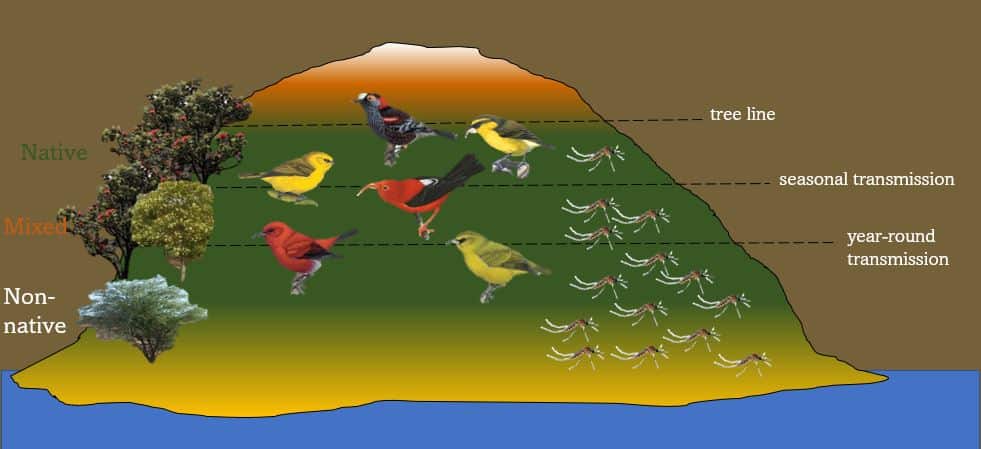
Mosquitoes are the main carriers of avian malaria parasites. They pick up parasites when they bite infected birds. Then, they spread the parasites to healthy birds through their bites.
Only certain mosquito species can carry these parasites. They need to live near birds and have warm conditions to breed well.
- Mosquitoes bite infected birds and take the parasites
- Parasites grow inside the mosquito
- Mosquito bites another bird and passes the parasites
- This cycle spreads avian malaria quickly
Bird Species At Risk
Not all bird species get avian malaria equally. Some birds are more vulnerable because they have no natural resistance. These birds can get very sick or die from the disease.
Birds that live in tropical areas or islands often face a higher risk. Migratory birds may also carry the parasites to new places.
- Native island birds with little immunity
- Tropical forest birds living near mosquitoes
- Migratory birds spreading parasites to new regions
Environmental Factors
Environment plays a big role in avian malaria spread. Warm and wet places help mosquitoes grow and multiply. More mosquitoes mean more chances to spread the disease.
Human activities like deforestation can change bird habitats and mosquito breeding sites. This can increase the risk of avian malaria outbreaks.
- Warm climates support mosquito growth
- Standing water provides mosquito breeding areas
- Changes in habitat affect bird and mosquito interactions
- Human actions can increase disease spread
Credit: www.mypetchicken.com
Symptoms In Birds
Avian malaria affects many types of birds. It causes changes that help identify the disease early. Knowing these signs can save birds from serious harm.
Birds show different symptoms depending on how severe the infection is. Watch for behavior and physical changes to catch the problem early.
Behavioral Changes
Birds with avian malaria may act differently than usual. They often become less active and eat less food. These changes can be subtle but important.
Some common behavior signs include weakness, tiredness, and hiding more than normal. Birds might also struggle to fly or perch.
- Reduced activity and energy
- Loss of appetite
- Hiding or avoiding other birds
- Difficulty flying or perching
Physical Signs
Physical symptoms help show if a bird is sick from avian malaria. Look for pale or yellowish skin and feathers. These signs point to anemia or liver problems.
Other signs include swelling, weight loss, and droopy wings. Birds may also have breathing problems or a swollen abdomen.
- Pale or yellow skin and feathers
- Swollen body parts
- Weight loss
- Droopy wings
- Labored breathing
- Swollen abdomen
Health Complications
Avian malaria can cause serious health issues if untreated. Birds may develop anemia, which lowers oxygen in the blood. This weakens their whole body.
The disease can also damage organs like the liver and spleen. Infections may lead to death in severe cases. Early detection helps prevent these problems.
- Anemia causing low oxygen levels
- Liver damage
- Spleen enlargement
- Severe infections
- Possible death if untreated
Mosquito Control Strategies
Controlling mosquitoes helps prevent avian malaria. Mosquitoes spread this disease to birds.
Using different strategies reduces mosquito numbers and stops the disease spread.
Eliminating Breeding Sites
Mosquitoes lay eggs in standing water. Removing water stops mosquitoes from multiplying.
Check your yard and nearby areas for places where water collects and remove it.
- Empty flower pots and trays regularly
- Clear clogged gutters and drains
- Remove old tires and containers
- Cover water tanks and barrels
- Fill holes that collect water
Using Mosquito Repellents
Mosquito repellents keep mosquitoes away from birds and humans. Use safe repellents in bird areas.
Apply repellents on skin or clothes when near places with many mosquitoes.
- Use EPA-approved mosquito repellents
- Apply repellent before going outside
- Reapply repellent as directed
- Follow safety instructions carefully
Installing Physical Barriers
Physical barriers stop mosquitoes from reaching birds. Screens and nets work well.
Use fine mesh screens on windows and bird enclosures to keep mosquitoes out.
- Install window and door screens
- Use mosquito nets over bird cages
- Seal gaps and cracks in buildings
- Keep doors closed when possible
Habitat Management
Preventing avian malaria starts with managing the birds’ habitat well. You can reduce the risk by keeping areas clean, controlling plants, and managing water sources. These actions help stop mosquitoes from spreading the disease.
Good habitat management lowers mosquito breeding places. It also creates a safer environment for birds to live and thrive.
Maintaining Clean Bird Areas
Keep bird areas free of trash and standing water. Mosquitoes breed in dirty, wet places, so cleaning these spots helps reduce their numbers.
- Remove leftover food and garbage daily
- Clean bird feeders and baths regularly
- Clear fallen leaves and debris often
- Dispose of old containers that collect water
Vegetation Control
Trim thick bushes and tall grass near bird areas. Dense plants give mosquitoes a place to hide and rest.
| Vegetation Type | Control Action | Reason |
| Thick Bushes | Trim regularly | Reduce mosquito hiding spots |
| Tall Grass | Cut short | Limit mosquito resting areas |
| Dead Plants | Remove | Prevent water pooling and breeding |
Water Management
Mosquitoes lay eggs in standing water. Managing water sources stops their growth and lowers malaria risk.
- Drain or cover containers that hold water
- Fix leaks in bird baths and water troughs
- Change water in bird baths every 3 days
- Use fine mesh screens on rainwater barrels
Bird Care Practices
Preventing avian malaria starts with good bird care. Healthy birds resist diseases better.
Simple daily habits help keep your birds safe and strong against infections.
Regular Health Checks
Check your birds often for signs of illness. Look for changes in behavior or appearance.
Early detection helps stop the spread of avian malaria and other diseases.
- Watch for tiredness or loss of appetite
- Notice any changes in feathers or droppings
- Take birds to a vet if you see symptoms
Balanced Nutrition
Feed your birds a variety of foods to keep them strong. Balanced meals support their immune system.
Fresh fruits, vegetables, seeds, and clean water are essential for good health.
- Include protein sources like insects or eggs
- Offer fresh greens daily
- Change water often to keep it clean
Stress Reduction
Stress weakens birds and makes them prone to disease. Create a calm and safe environment.
Limit loud noises, sudden changes, and overcrowding in cages or aviaries.
- Provide enough space for each bird
- Keep a consistent daily routine
- Offer hiding spots to feel secure
Preventive Treatments
Avian malaria is a serious disease that affects birds. Preventing it helps keep birds healthy and safe.
Using preventive treatments reduces the chance of infection. These treatments include medications, vaccines, and expert care.
Medications And Vaccines
Medications can protect birds from avian malaria. Some drugs kill the parasites before they spread.
Vaccines help birds build immunity. They prepare the bird’s body to fight the disease.
- Common medications include antimalarial drugs like chloroquine and primaquine.
- Vaccines are still being developed but show promise for future use.
- Both medications and vaccines must be given under expert guidance.
Consulting Avian Veterinarians
Avian veterinarians know how to prevent and treat malaria in birds. They can recommend the best treatments.
Regular check-ups help catch problems early. Veterinarians also advise on bird care and habitat to reduce risk.
- Schedule routine health checks for your birds.
- Ask about the latest preventive medications and vaccines.
- Follow the vet’s advice on mosquito control and bird hygiene.
Monitoring And Early Detection
Monitoring birds regularly helps catch avian malaria early. Early detection stops disease spread and saves bird populations.
Careful observation and testing are key parts of prevention. Use simple methods to watch birds closely.
Routine Screening
Test birds often to find malaria infections early. Use blood tests or microscopes to check for parasites.
- Screen high-risk birds monthly
- Check blood samples for parasites
- Watch for signs like weakness or feather loss
- Use rapid test kits when available
Record Keeping
Keep detailed records of all screenings and test results. This helps track bird health and spot trends.
| Date | Bird ID | Test Result | Notes |
|---|---|---|---|
| 2024-04-01 | Bird123 | Negative | Healthy |
| 2024-04-15 | Bird124 | Positive | Started treatment |
| 2024-05-01 | Bird123 | Negative | No symptoms |
Responding To Outbreaks
Act fast when malaria cases rise. Remove infected birds and clean their environment.
- Isolate infected birds immediately
- Disinfect cages and feeding areas
- Increase monitoring frequency
- Inform local wildlife or veterinary groups
Credit: www.youtube.com
Frequently Asked Questions
What Causes Avian Malaria In Birds?
Avian malaria is caused by Plasmodium parasites transmitted through mosquito bites. These parasites infect birds’ red blood cells, leading to illness and sometimes death. Controlling mosquito populations helps reduce the spread of avian malaria among bird communities.
How Can I Protect Wild Birds From Avian Malaria?
Protect wild birds by reducing mosquito breeding sites like stagnant water. Plant mosquito-repellent vegetation and support local conservation efforts. Minimizing human interference in bird habitats also helps maintain natural resistance to avian malaria.
Are There Effective Treatments For Avian Malaria?
Currently, no widely available treatment exists for wild birds. Research focuses on prevention through mosquito control and habitat management. In captive birds, veterinary care may include antimalarial medications under expert supervision.
Can Avian Malaria Affect Pet Birds?
Yes, pet birds can contract avian malaria if exposed to infected mosquitoes. Prevent mosquito access by using screens and repellents. Regular health checkups and maintaining clean habitats reduce infection risk in pet birds.
Conclusion
Preventing avian malaria protects birds and keeps ecosystems healthy. Controlling mosquito breeding sites reduces the disease risk. Regularly clean bird feeders and water sources to stop mosquitoes. Monitor birds for any signs of illness and act fast. Simple steps help keep birds safe and strong.
Everyone can help protect bird populations from this threat. Small efforts make a big difference in stopping avian malaria. Stay aware and take action to support bird health every day.