How to Prevent Avian Tuberculosis: Causes, Symptoms, and Bird Care Strategies
If you care for birds, protecting them from diseases is a top priority. Avian tuberculosis is a serious illness that can harm your feathered friends and spread easily if you’re not careful.
But don’t worry—there are simple, effective steps you can take to keep your birds healthy and safe. You’ll discover exactly how to prevent mycobacterium avium complex (MAC) and create a safe environment for your birds. Keep reading, because your birds depend on you to keep them strong and thriving.
Causes Of Mycobacterium avium complex (MAC)
Mycobacterium avium complex (MAC) is a serious disease that affects birds. It can cause weight loss, weakness, and death in infected birds.
Understanding the causes helps in stopping the spread and protecting bird health.
Bacteria Behind The Disease
The disease is caused by a type of bacteria called Mycobacterium avium. This bacteria grows slowly inside the bird’s body.
It mainly attacks the liver, intestines, and other organs. Birds become sick when the bacteria multiply and damage these organs.
Common Transmission Methods
Avian tuberculosis spreads from one bird to another in different ways. Knowing these helps prevent infection.
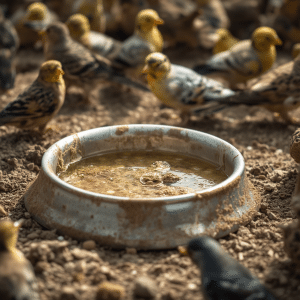
- Eating or drinking contaminated food or water
- Contact with infected bird droppings
- Exposure to soil or bedding with the bacteria
- Close contact in crowded bird areas
| Transmission Method | Description |
| Contaminated Food | Bacteria in food causes infection when eaten |
| Infected Droppings | Droppings carry bacteria and spread disease |
| Soil and Bedding | Bacteria survive in dirty environments |
| Close Contact | Birds spread bacteria when close together |
Symptoms To Watch For
Avian tuberculosis is a serious illness that affects birds. Spotting symptoms early helps protect your flock.
Knowing what to look for can prevent the spread of this disease. Watch your birds closely every day.
Physical Signs In Birds
Birds with avian tuberculosis often show clear physical symptoms. These signs help you identify sick birds quickly.
Look for weight loss, swollen joints, and changes in the feathers. These can be warning signals.
- Weight loss and poor body condition
- Swollen leg or wing joints
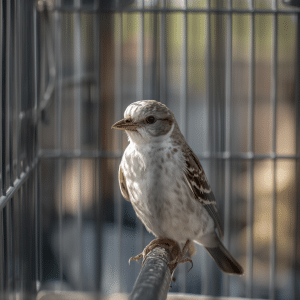
- Ruffled or dull feathers
- Difficulty breathing or coughing
- Diarrhea or changes in droppings
Behavioral Changes
Birds with avian tuberculosis may act differently. These behavior changes can signal illness.
Watch for less activity, weak movements, or loss of appetite. Sick birds often isolate themselves.
- Reduced energy and less movement
- Weakness or difficulty standing
- Less eating or drinking
- Isolation from other birds
- Unusual sleeping patterns
Sanitation Practices
Good sanitation helps stop avian tuberculosis from spreading. Clean spaces keep birds healthy and safe.
Regular cleaning and disinfecting reduce germs and bacteria. This lowers the risk of infection in birds.
Cleaning Bird Cages
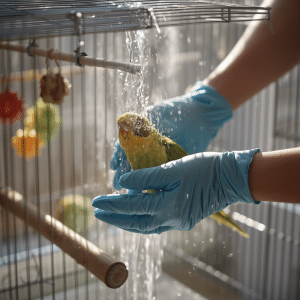
Bird cages must be cleaned daily to remove droppings and food waste. This prevents bacteria buildup that causes illness.
- Remove all birds before cleaning
- Take out toys, perches, and dishes
- Scrub cage bars and base with warm soapy water
- Rinse thoroughly to remove soap residue
- Dry the cage completely before placing birds back
Disinfecting Feeding Areas
Feeding areas can hold bacteria from food and water. Disinfect these areas often to keep birds safe.
| Surface | Disinfectant | Contact Time |
| Feeding bowls | 10% bleach solution | 10 minutes |
| Water containers | Vinegar and water mix | 5 minutes |
| Feeding trays | Quaternary ammonium | 15 minutes |
Quarantine New Birds
Quarantine is important to stop avian tuberculosis from spreading. New birds may carry germs that cause disease.
Keeping new birds apart helps protect your existing flock. It also lets you check their health first.
Isolation Period Guidelines
New birds should stay separate for at least 30 days. This time helps spot signs of illness.
During isolation, watch for coughing, weight loss, or tiredness. These may be signs of tuberculosis.
- Keep new birds in a clean, separate area
- Use different feeding and watering tools
- Limit contact with other birds and humans
- Clean and disinfect the quarantine space often
Health Screening Methods
Test new birds for Mycobacterium avium complex (MAC) before adding them to your flock. Early detection reduces risk.
Use physical exams and lab tests to check health. A vet can help with proper screening.
- Check birds for swelling or lumps under the skin
- Look for breathing problems or discharge
- Take samples for bacterial culture or PCR tests
- Use tuberculin skin tests if available
Proper Nutrition And Care
MAC lung disease affects many birds, but good care can help prevent it. Proper nutrition and reducing stress keep birds healthy. Birds with strong immune systems fight infections better.
Providing the right food and environment is key. This guide explains how to feed your birds well and keep stress low.
Balanced Diet Tips
A balanced diet gives birds the vitamins and minerals they need. It supports their immune system and helps fight diseases like MAC lung disease.
- Offer a variety of seeds, grains, and fruits.
- Include protein sources such as boiled eggs or mealworms.
- Provide fresh vegetables like leafy greens daily.
- Supply clean, fresh water at all times.
- Use vitamin supplements if recommended by a vet.
| Food Type | Examples | Benefits |
| Seeds and Grains | Millet, sunflower seeds | Energy and fiber |
| Fruits | Apples, berries | Vitamins and antioxidants |
| Vegetables | Spinach, carrots | Minerals and vitamins |
| Protein | Boiled eggs, mealworms | Muscle and immune support |
Stress Reduction Techniques
Stress weakens birds and raises the risk of illness. Use these ways to keep birds calm and healthy.
- Keep the living area clean and quiet.
- Limit loud noises and sudden movements.
- Provide hiding spots and perches for comfort.
- Avoid overcrowding to reduce fighting and stress.
- Handle birds gently and only when needed.
Tip: Regular health checks help spot stress signs early. Look for changes in behavior or appetite.
Regular Health Checks
Regular health checks help keep birds safe from avian tuberculosis. Early detection stops the disease from spreading.
Checking bird health often is a key way to prevent serious illness.
Veterinary Visits
Take birds to a vet regularly for full health exams. Vets can spot signs of avian tuberculosis early.
Vets may run tests to check for infection. They also give advice on keeping birds healthy.
- Schedule check-ups every 6 to 12 months
- Ask the vet about any changes in bird behavior
- Follow vet advice on vaccinations and hygiene
Monitoring Bird Health
Watch birds daily for signs of illness. Early symptoms of MAC lung disease include weight loss and tiredness.
Keep a health log to track changes. Quick action helps stop disease spread.
- Check for changes in eating or drinking habits
- Look for breathing problems or coughing
- Note any unusual droppings or behavior
Environmental Control
Controlling the environment is key to stopping avian tuberculosis. Clean air and space help keep birds healthy.
Good management of ventilation and bird density lowers infection risks. These steps protect your flock.
Ventilation Importance
Proper airflow removes harmful germs and moisture. It keeps the air fresh and dry in bird housing.
- Open windows or vents for natural air movement
- Use fans to increase air circulation if needed
- Clean ventilation systems regularly to avoid dust
- Ensure no drafts hit birds directly to prevent stress
Avoiding Overcrowding
Too many birds in one space spread disease fast. Space allows birds to rest and stay strong.
| Bird Type | Recommended Space per Bird |
| Small Birds (e.g., finches) | 0.1 square meters |
| Medium Birds (e.g., pigeons) | 0.3 square meters |
| Large Birds (e.g., chickens) | 0.5 square meters |
Handling Infected Birds
MAC lung disease can spread from birds to humans and other animals. Proper handling of infected birds reduces the risk of infection. Always use safety measures when dealing with sick birds.
Wear protective gear and follow careful steps to remove infected birds safely. This prevents contamination and protects your health.
Safe Removal Procedures
Remove infected birds with care to avoid spreading bacteria. Use gloves and masks before touching the bird. Place the bird in a sealed plastic bag immediately.
- Put on disposable gloves and a face mask.
- Gently pick up the infected bird using a cloth or towel.
- Place the bird in a strong plastic bag and seal it tightly.
- Disinfect any surfaces or tools that touched the bird.
- Wash your hands thoroughly with soap and water.
Disposal Of Contaminated Materials
Dispose of materials that touched infected birds carefully. This includes gloves, cloths, and plastic bags. Proper disposal stops the spread of avian tuberculosis.
| Material | Disposal Method |
|---|---|
| Used gloves | Seal in plastic bag, then throw in trash |
| Cloths or towels | Burn or dispose as hazardous waste |
| Plastic bags with bird | Seal tightly and discard in trash |
| Disinfectant solutions | Use according to label instructions |
Frequently Asked Questions
What Is Avian Tuberculosis And How Does It Spread?
Avian tuberculosis is a bacterial infection affecting birds. It spreads through contaminated soil, water, or direct contact with infected birds. Preventing exposure to these sources reduces infection risk.
How Can I Keep My Birds Safe From Avian Tuberculosis?
Maintain clean living areas, provide fresh food and water, and isolate new or sick birds. Regularly disinfect cages and equipment to prevent bacterial buildup.
What Are The Early Signs Of Avian Tuberculosis In Birds?
Look for weight loss, lethargy, respiratory issues, and swollen joints. Early detection helps in timely intervention and reduces disease spread.
Can Avian Tuberculosis Infect Humans Or Other Animals?
Yes, it can infect humans and mammals, though it’s rare. Avoid contact with infected birds and maintain hygiene to minimize risk.
Conclusion
Preventing avian tuberculosis is crucial for healthy flocks. Regular cleaning of bird habitats helps. Proper nutrition boosts their immune system. Isolating sick birds stops disease spread. Vaccinations offer additional protection. Consult a vet for personalized advice. Monitoring your birds closely is essential.
Early detection saves lives. Keep learning about bird health. Stay informed and proactive. Your efforts ensure a thriving flock. Healthy birds bring joy and productivity. Follow these steps for peace of mind. Your birds deserve the best care. Stay committed to their well-being.