Imagine stepping into your garden, greeted by the cheerful chirping of birds enjoying a refreshing splash in your bird bath. It’s a delightful scene, isn’t it?
But have you ever considered the potential dangers lurking in that tranquil water feature? Drowning in bird baths is an unfortunate reality for many small birds, but with a few simple precautions, you can turn your backyard into a safe haven.
This article is your guide to ensuring that your feathered visitors enjoy their time in your garden without any risk. You’ll discover practical tips that protect these lovely creatures, keeping them safe and sound while enhancing your outdoor sanctuary. Don’t you think it’s time to make your bird bath both fun and secure for your avian friends? Let’s dive in!
Drowning Risks In Bird Baths
Bird baths are popular garden features that attract wildlife. They also pose drowning risks to small animals and birds. Understanding these dangers helps keep wildlife safe.
Many animals visit bird baths to drink or bathe. Some may struggle to escape if the water is too deep or the sides are slippery. Knowing common causes of drowning helps prevent accidents.
Common Causes
Several factors increase drowning risks in bird baths. These include water depth, slippery surfaces, and lack of escape routes. Small animals and young birds face the highest danger.
- Water too deep for small birds and animals
- Smooth or steep sides that are hard to climb
- Algae or dirt making surfaces slippery
- Cold weather causing water to freeze
- Predators causing panic and accidental falls
Vulnerable Wildlife
Young birds, small mammals, and amphibians often visit bird baths. They are more vulnerable to drowning because they cannot swim well or climb out easily.
| Wildlife Type | Risk Factors |
| Baby Birds | Weak swimmers, small size |
| Squirrels | Slippery sides, panic in water |
| Frogs | Water temperature, depth |
| Insects | Trapped by water surface tension |
Choosing Safe Bird Bath Designs
Bird baths are great for helping birds stay hydrated and cool. It is important to pick designs that keep birds safe while they drink and bathe.
Choosing the right bird bath design can prevent accidents like drowning. Look for features that make the bath safe and easy for birds to use.
Shallow Basins
Shallow basins are safer for birds because they reduce the risk of drowning. Birds can stand easily without struggling in deep water.
Keep the water level low. A depth of 1 to 2 inches works best for small and medium birds.
- Shallow water prevents birds from slipping under
- Makes it easier for birds to drink and bathe
- Reduces water weight, making the bath stable
Non-slip Surfaces
Bird baths with rough or textured surfaces help birds keep their grip. Smooth surfaces can cause birds to slip and fall.
Look for materials or designs that add traction. This helps birds stay safe while drinking or splashing.
- Textured surfaces provide better footing
- Non-slip materials prevent accidents
- Reduces the chance of birds drowning from slipping
Proper Size And Shape
Choose a bird bath that fits the size of birds in your area. A wide basin allows more birds to use it safely.
Rounded shapes with gentle slopes help birds enter and leave the bath easily. Avoid deep or narrow designs that trap birds.
- Wide, shallow basins fit many birds at once
- Gentle slopes help birds climb in and out
- Avoid deep or narrow baths that can trap birds
Water Level Management
Keeping the right water level in a bird bath helps prevent drowning. Birds need enough water to drink and bathe safely.
Managing water levels is simple and keeps your bird bath safe for all visitors. Let’s look at two key points.
Ideal Water Depth
Fill the bird bath with shallow water. The depth should be safe for small birds to stand and splash.
- Keep water less than 2 inches deep
- Use a shallow basin or add stones to raise the bottom
- Make sure the edge is easy for birds to grip
Regular Monitoring
Check the water level every day. Weather and animals can change the amount of water quickly.
| Action | Frequency |
| Refill water to correct depth | Daily |
| Remove debris and clean basin | Weekly |
| Check for leaks or damage | Monthly |

Credit: uk.style.yahoo.com
Adding Safety Features
Bird baths can be dangerous for small birds if they cannot get out easily. Adding safety features helps prevent drowning. Simple changes can save many birds.
These features make the bird bath safer and more comfortable. They allow birds to climb out or rest while bathing.
Ramps And Perches
Adding ramps or perches helps birds climb out of the water. These should be stable and easy to grip.
Wooden sticks, small branches, or flat stones work well as ramps or perches. Place them so birds can reach the edge easily.
- Use natural materials like wood or stone
- Place ramps at shallow angles
- Make sure ramps are wide enough for birds to stand
- Check and clean ramps regularly
Floating Devices
Floating devices help birds stay above water. These give birds a safe spot to rest if they fall in.
Small floating platforms or balls can be added to the bird bath. They keep birds from getting tired or stuck underwater.
- Choose lightweight, waterproof materials
- Make sure floats are big enough for birds
- Secure floats so they don’t block water flow
- Replace damaged floats promptly
Escape Routes
Escape routes help birds get out quickly if they fall in. Smooth edges and shallow slopes work well.
Check that the bird bath has places where birds can climb out easily. Avoid steep or slippery sides that trap birds.
- Create shallow edges for easy exit
- Keep surfaces rough for better grip
- Remove any obstacles near the bath
- Inspect escape routes regularly
Maintenance And Cleaning
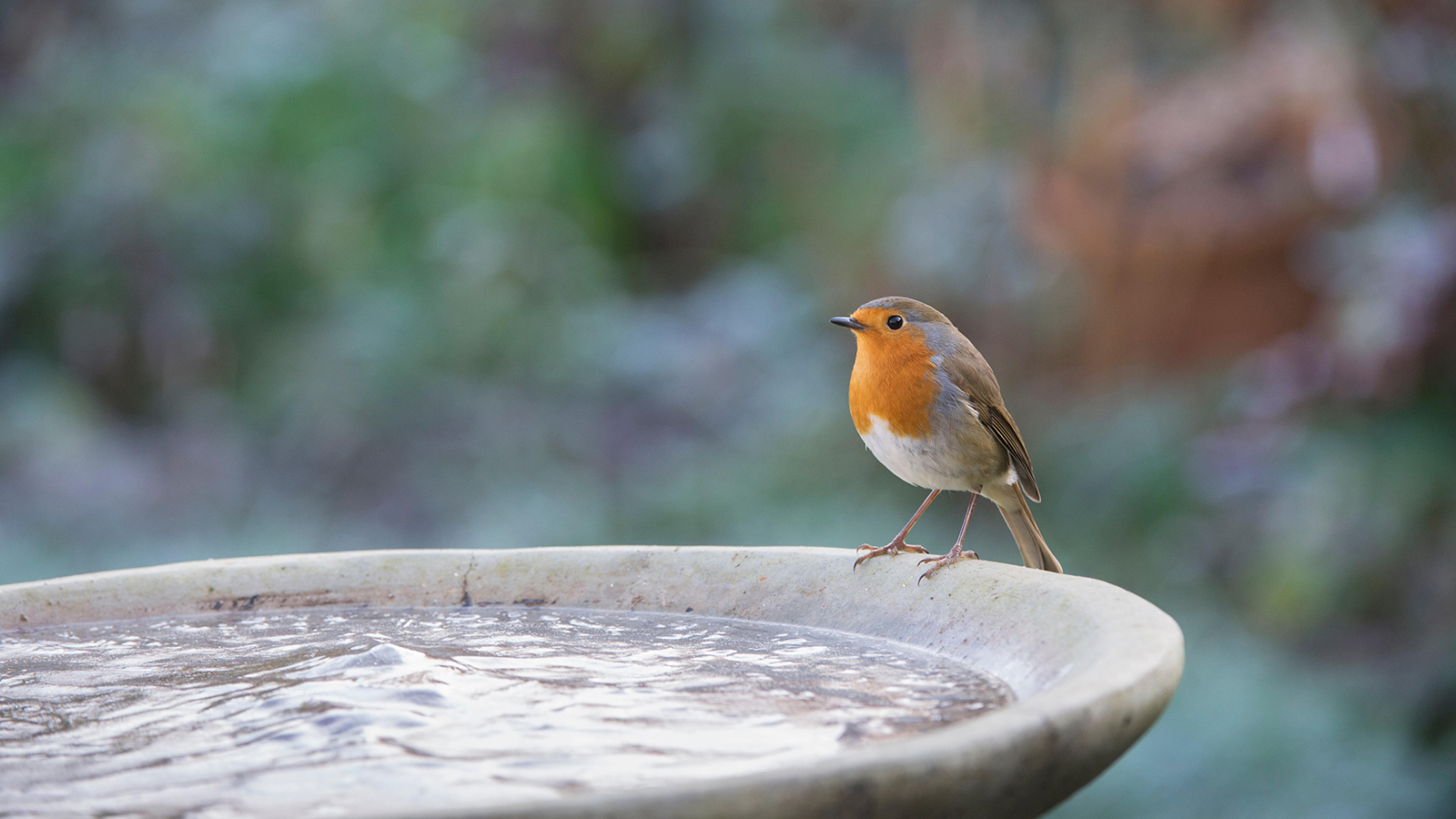
Keeping your bird bath clean helps prevent drowning risks for birds. Regular maintenance stops water from getting unsafe.
Simple cleaning steps keep the bird bath fresh and healthy for all visiting birds.
Preventing Algae Build-up
Algae grows quickly in bird baths with sunlight and warm water. This can make the water slippery and dangerous for birds.
- Clean the bird bath every few days using a scrub brush.
- Use a mixture of water and vinegar to remove algae safely.
- Place the bird bath in a shaded area to reduce algae growth.
- Change the water regularly to keep it fresh.
- Avoid using soaps or chemicals that can harm birds.
Avoiding Contaminants
Contaminants like dirt, leaves, and droppings can pollute the water. Dirty water increases the risk of drowning and illness.
| Common Contaminants | How to Avoid |
| Leaves and Debris | Cover the bath when not in use or skim water daily |
| Bird Droppings | Clean the bath with fresh water and a brush often |
| Insects and Larvae | Change water every 2-3 days to stop breeding |
Credit: www.homesandgardens.com
Location Tips For Bird Baths
Choosing the right spot for your bird bath helps keep birds safe. Proper location reduces drowning risks and attracts more birds.
Pay attention to where you place the bath. Consider safety and comfort for the birds every time.
Safe Placement
Place the bird bath where birds can see danger easily. Avoid spots near thick bushes or dense trees where cats hide. Keep the bath away from busy areas or places with heavy foot traffic.
- Set the bath at least 10 feet away from shrubs or bushes.
- Keep it visible from open spaces.
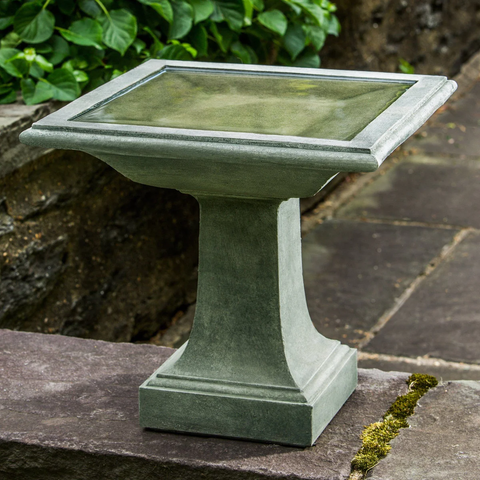
- Place the bath on a sturdy base to prevent tipping.
- Ensure the water is shallow, no more than 2 inches deep.
- Check the area for any sharp objects or hazards.
Shade And Shelter
Birds need shade to stay cool and shelter to feel safe. Choose a spot with partial shade during the hottest parts of the day. Shade helps keep the water clean and cool.
| Benefit | Details |
|---|---|
| Shade | Keeps water cool and reduces algae growth |
| Shelter | Protects birds from predators and bad weather |
| Visibility | Allows birds to watch for danger while drinking |
Educating Others
Preventing drowning in bird baths protects birds and other small animals.
Teaching people about safe bird bath practices helps save wildlife lives.
Community Awareness
Share simple tips with neighbors to make bird baths safer. Use social media or local meetings.
- Place a small ramp or stones inside the bird bath for easy exit.
- Keep the water shallow, no more than two inches deep.
- Clean the bird bath regularly to avoid slippery surfaces.
- Educate children to watch birds safely around water.
Wildlife Protection Efforts
Community groups can track and report bird bath hazards to local wildlife services.
| Action | Benefit |
| Installing ramps in bird baths | Helps birds escape safely |
| Using shallow water | Reduces drowning risk |
| Regular cleaning | Prevents algae and slippery surfaces |
| Public education | Raises awareness and care |
Credit: www.outdoorartpros.com
Frequently Asked Questions
How Can I Make A Bird Bath Safe From Drowning?
Use shallow bird baths with gradual slopes. Add small stones or pebbles for birds to perch on. Regularly change water to prevent hazards and ensure safety.
What Depth Is Safe For Birds In A Bird Bath?
Keep water depth between 1 to 2 inches. This shallow depth prevents drowning and encourages birds to drink and bathe safely.
How Often Should I Clean My Bird Bath?
Clean your bird bath weekly to prevent algae and bacteria buildup. Fresh water reduces drowning risks and attracts more birds.
Can Adding A Water Dripper Help Prevent Drowning?
Yes, a water dripper creates movement, attracting birds and preventing stagnant water. Moving water reduces drowning chances and keeps birds safe.
Conclusion
Preventing drowning in bird baths keeps birds safe and happy. Use shallow water and change it often. Add stones or marbles for easy bird grip. Keep the bath clean to avoid slips and germs. Watch the birds while they drink or bathe.
Simple steps make a big difference in safety. Enjoy bird watching without worry or harm. Every small action helps protect your feathered friends. Stay mindful and care for your bird bath daily. Safe birds mean a joyful garden for all.