You’ve worked hard to create a safe home for your backyard birds. But magpies can quickly turn your peaceful birdhouse into a battleground.
If you’ve noticed your feathered friends disappearing or your birdhouse damaged, it’s time to take action. Protecting your birdhouses from magpie predators isn’t just about keeping birds safe—it’s about preserving the joy and life in your garden. You’ll discover simple, effective ways to defend your birdhouses so your birds can thrive without fear.
Keep reading to learn how you can make your birdhouses a true sanctuary.
Magpie Threats To Bird Houses
Magpies are clever birds known to cause trouble for smaller birds. They often attack bird houses to find food or nesting spots.
Understanding why magpies target bird houses helps protect your feathered friends. You can then take steps to keep bird houses safe.
Why Magpies Target Bird Houses
Magpies look for bird houses as places to find food or shelter. They may want eggs, chicks, or insects inside the bird house.
- Bird houses offer easy access to eggs and young birds.
- Magpies use cavities for shelter during bad weather.
- They may search for insects or other food inside the house.
- Bird houses placed in open areas attract magpies more often.
Common Damage Caused By Magpies
Magpies can cause several problems when they attack bird houses. The damage can harm the birds living there or make the house unusable.
| Type of Damage | Effect on Bird House |
| Broken entrance holes | Allows bigger predators to enter |
| Destroyed nests | Birds lose eggs or chicks |
| Scratches and peck marks | Weaken the bird house structure |
| Bird house displacement | Birds cannot return to their home |
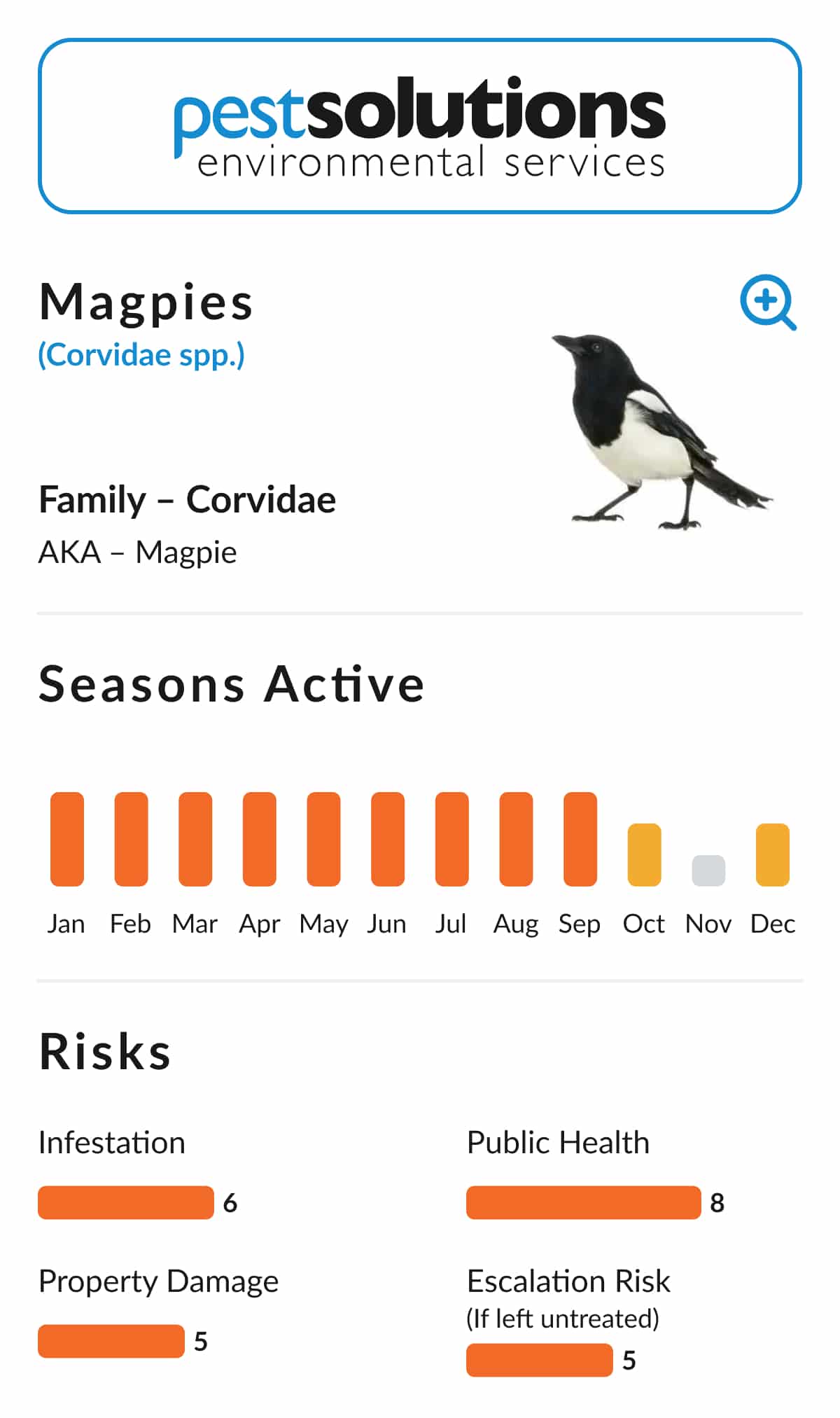
Credit: www.pestsolutions.co.uk
Choosing Safe Bird House Designs
Protecting bird houses from magpie predators starts with the right design. A well-built bird house keeps birds safe and comfortable.
Choosing the right size and materials can stop magpies from attacking the birds or their eggs. This guide helps you pick safe designs.
Size And Entrance Hole Considerations
Use a bird house size that fits the bird species you want to protect. Too large a house allows predators inside.
Control the size of the entrance hole. Small holes keep magpies out but let smaller birds in safely.
- Keep entrance hole diameter smaller than the predator’s head size
- Make the bird house deep enough to prevent reaching inside
- Place the entrance hole away from edges for extra safety
Materials That Deter Predators
Choose strong materials that magpies cannot easily damage or climb. This helps keep the bird house safe.
Avoid smooth surfaces that magpies can grip. Rough or slippery surfaces make it hard for them to reach inside.
- Use hardwood or thick plywood for sturdy walls
- Cover poles or supports with metal guards to stop climbing
- Paint with non-toxic, slippery finishes to block grip
Strategic Placement Of Bird Houses
Placing bird houses in the right spots helps protect birds from magpie predators. Choosing good locations can keep birds safe and comfortable.
This guide explains how to place bird houses to avoid magpies. It covers the best locations and the impact of height and surroundings.
Ideal Locations To Avoid Magpies
Magpies like open areas where they can spot prey easily. Placing bird houses near dense bushes or trees reduces their chance to attack.
Avoid spots near bird feeders or places where magpies often come. Choose quiet areas with natural cover for safety.
- Near thick shrubs or tall trees
- Away from open fields or lawns
- Not close to bird feeders
- Areas with less human and pet traffic
Height And Surroundings Impact
Height of the bird house affects protection from magpies. Houses placed too low are easier for magpies to reach.
Surrounding plants and branches can block magpies. They help birds hide and give quick escape routes.
- Place bird houses at least 6 to 10 feet high
- Use branches or plants around the house
- Keep space clear below the house to spot predators
- Avoid placing near power lines or open poles
Physical Barriers Against Magpies
Magpies can be a threat to birds nesting in bird houses. Protecting these houses helps keep birds safe. Physical barriers stop magpies from reaching the nests.
Using strong materials and smart designs can block magpies. This guide explains two common barriers: metal guards and netting options.
Using Metal Guards And Baffles
Metal guards and baffles stop magpies from climbing or landing near bird houses. They work by creating a smooth, slippery surface that birds cannot grip.
Place metal guards around the pole or tree holding the bird house. Baffles can be cone-shaped or cylindrical and fit below the bird house entrance.
- Use stainless steel or aluminum for durability
- Secure the guard tightly to prevent gaps
- Check the guard regularly for damage or rust
- Choose a size that fits the bird house and mounting spot
Netting And Wire Mesh Options
Netting and wire mesh create a barrier around the bird house. They stop magpies from reaching the entrance or the nesting area.
Use small mesh sizes to keep magpies out but allow smaller birds to enter. Attach the netting tightly without gaps and check for holes often.
- Use galvanized wire mesh to prevent rust
- Cover the entire area around the bird house
- Leave space for cleaning and monitoring the nest
- Secure edges with staples or ties
Behavioral Deterrents
Protecting bird houses from magpie predators can be done using behavioral deterrents. These methods change the behavior of magpies without harming them.
Behavioral deterrents include using sights and sounds to scare magpies away. These tactics teach magpies to avoid your bird houses.
Visual Scare Tactics
Visual scare tactics use objects that frighten magpies. These objects make magpies feel unsafe near bird houses.
Common visual deterrents include shiny items and fake predators. These tricks can stop magpies from coming close.
- Hanging reflective tape or CDs that flash light
- Placing fake owls or hawks near bird houses
- Using moving objects like wind spinners or flags
- Installing eye-spot decals that resemble predator eyes
Sound-based Deterrents
Sound-based deterrents use noises to keep magpies away. Loud or sudden sounds can scare them off.
These sounds make magpies feel threatened and unsafe near bird houses. They learn to avoid those areas over time.
- Playing recorded predator calls
- Using ultrasonic bird repellers
- Clapping hands or using noise makers when magpies appear
- Installing wind chimes that create random noises
Maintenance And Monitoring
Protecting bird houses from magpie predators needs regular care. Checking and fixing bird houses helps keep birds safe.
Watching for signs of magpies can stop problems early. This helps keep the bird house secure and birds protected.
Regular Inspection Routines
Check bird houses often to find damage or weak spots. Look for holes or loose parts that magpies can use to get in.
Clean the bird house regularly. Remove old nests and dirt to keep the house inviting for new birds.
- Inspect bird houses at least once a week
- Fix cracks, holes, or loose parts immediately
- Clean inside and outside to remove debris
- Trim nearby branches that magpies may use
Signs Of Magpie Activity
Look for magpie feathers near the bird house. This can show they are trying to get inside.
Listen for loud magpie calls around the bird house. Magpies often make noise when they are near their target.
- Find feathers or feathers scattered nearby
- Notice magpie calls or loud squawks close by
- Watch for magpies sitting on or near the bird house
- Check for scratches or peck marks on the wood
Alternative Solutions
Magpies can be a threat to bird houses and the birds inside. Protecting these homes is important to keep birds safe.
This section explores ways to protect bird houses without using harmful methods. These ideas help keep magpies away while supporting local wildlife.
Creating Distraction Feeding Areas
Setting up feeding areas away from bird houses can distract magpies. This gives smaller birds a safer space to nest.
- Place food for magpies far from bird houses
- Use food types that magpies prefer, like meat scraps
- Keep feeding areas clean to avoid attracting other pests
- Change food locations regularly to keep magpies interested
Collaborating With Local Wildlife Experts
Local experts know the behavior of magpies and other wildlife. They can offer advice to protect bird houses effectively.
| Expert Role | How They Help |
| Wildlife Biologist | Suggest safe deterrents for magpies |
| Conservation Officer | Provide information on local bird species |
| Bird Sanctuary Staff | Share tips on bird house placement |
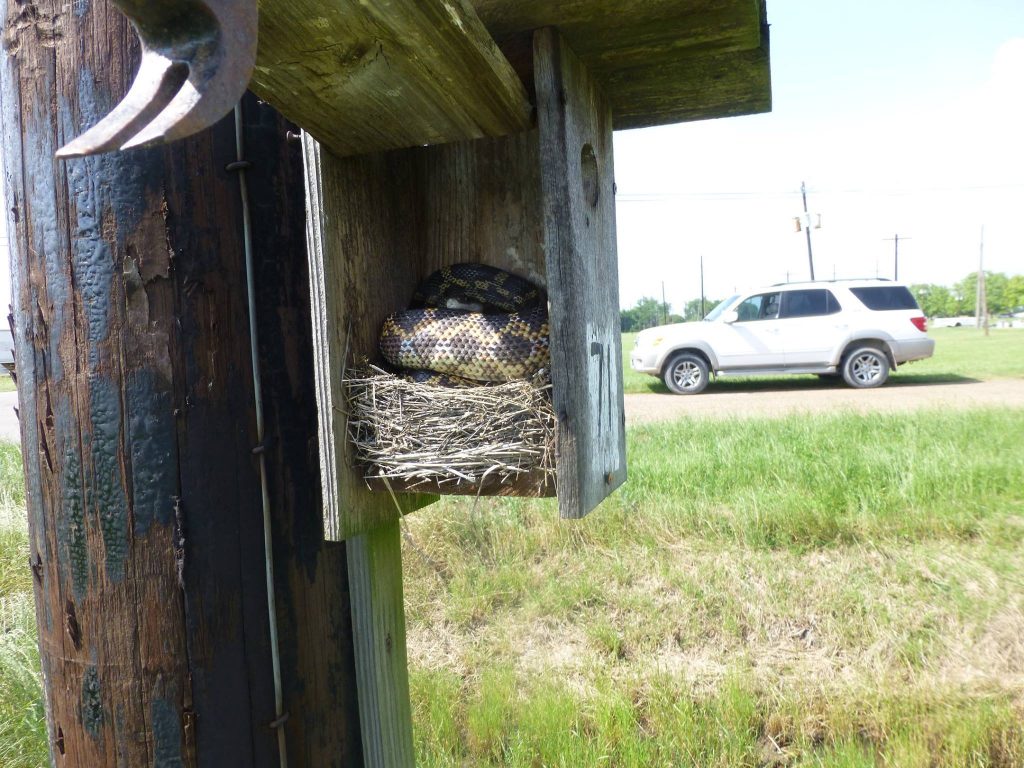
Credit: nestwatch.org
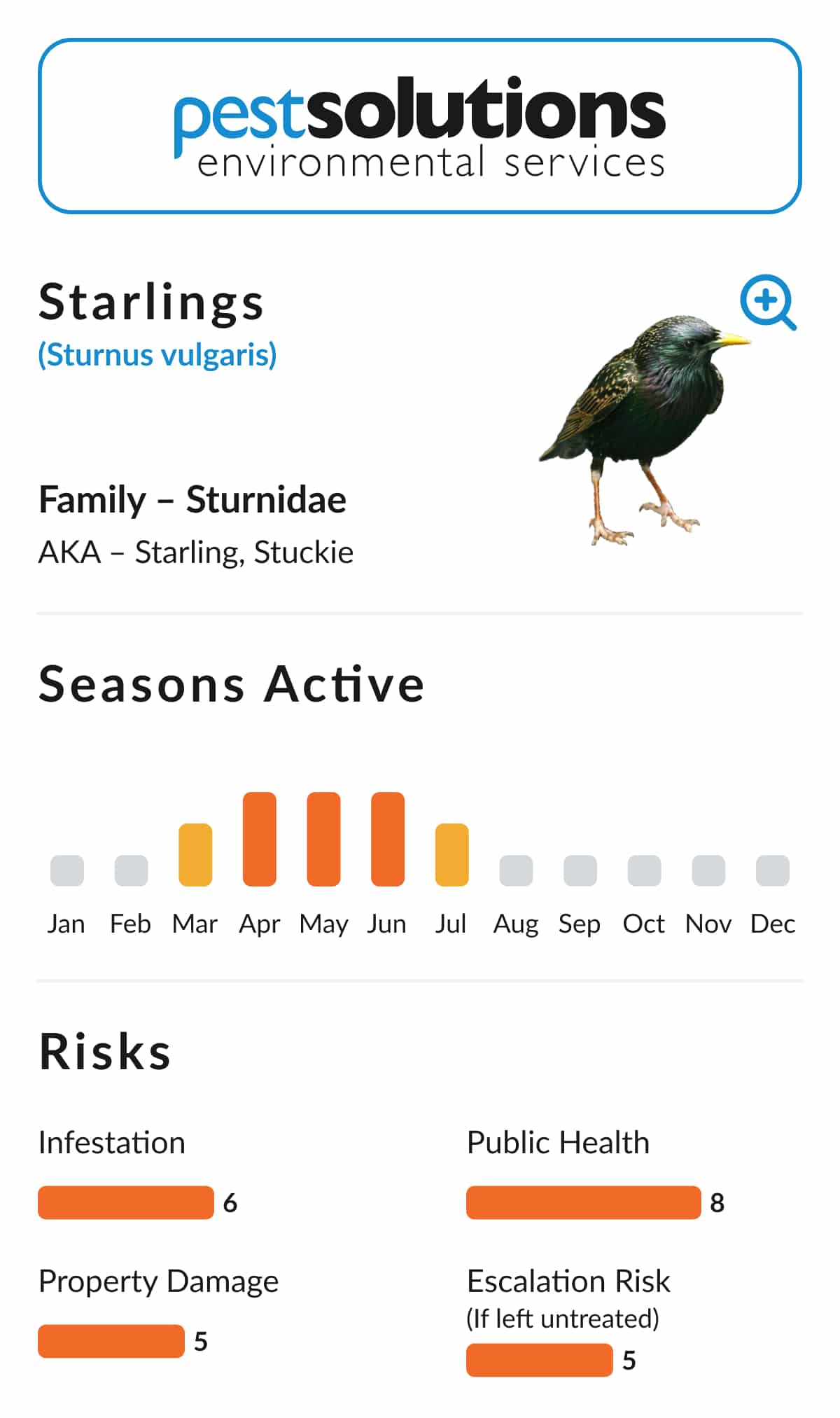
Credit: www.pestsolutions.co.uk
Frequently Asked Questions
How Can I Keep Magpies Away From Bird Houses?
Use bird guards, baffles, or metal cones on poles to block magpie access. Regularly move birdhouses to confuse predators. Plant thorny bushes nearby for extra protection.
What Materials Protect Bird Houses From Magpie Attacks?
Sturdy materials like metal or hard plastic deter magpies. Avoid wooden houses without reinforcements. Adding metal mesh around openings stops magpies from reaching inside.
When Is Magpie Predation Most Common?
Magpie predation peaks during breeding season in spring and early summer. They target eggs and chicks. Extra vigilance and protection are crucial during this period.
Can Decoys Help Protect Bird Houses From Magpies?
Yes, placing predator decoys like owls or hawks near birdhouses can scare magpies away. Change decoy positions regularly to keep magpies wary and prevent habituation.
Conclusion
Protecting bird houses from magpie predators is crucial for bird safety. Simple measures can make a big difference. Choose sturdy materials for building bird houses. Install baffles or guards to deter magpies. Keep bird houses clean and in good repair.
Place houses in safe, hidden locations. Use these tips to create a safe environment for birds. Your efforts can help birds thrive and stay safe. By being mindful, you protect precious birdlife. Small actions can lead to big results in bird conservation.
Keep your feathered friends safe from harm.