You’ve probably seen a bird’s nest and felt a special kind of wonder. But did you know that many nests don’t survive because of predators?
If you care about protecting these tiny homes, you’re in the right place. This article will show you simple, effective ways to keep bird nests safe. By learning these tips, you can make a real difference in your backyard or local park.
Ready to become a guardian for these vulnerable birds? Keep reading to discover how easy it can be to protect their nests from harm.
Common Nest Predators
Bird nests face many dangers from predators. These animals look for eggs and baby birds to eat. Knowing common predators helps protect nests better.
Predators come from different animal groups. Mammals, birds, and reptiles all can threaten nests. Each type uses different ways to find nests.
Mammalian Threats
Mammals are often curious and good climbers. They can reach nests in trees or on the ground. Many mammals eat eggs or young birds.
- Raccoons use their paws to open nests and eat eggs.
- Foxes hunt nests on the ground at night.
- Weasels can enter small nest holes to get chicks.
- Domestic cats climb trees and hunt birds near homes.
Avian Predators
Birds of prey and some other birds attack nests. They spot nests from the sky and swoop down quickly. They eat eggs, chicks, or even adult birds.
| Predator | Type | Hunting Style |
| Hawks | Bird of prey | Swoop from above |
| Crows | Corvid | Steal eggs and chicks |
| Owls | Bird of prey | Hunt at night silently |
| Magpies | Corvid | Raid nests in trees |
Reptilian Risks
Some reptiles also take bird eggs and young birds. They move slowly but are good at hiding near nests. They mainly hunt on the ground or low shrubs.
- Snakes slither into nests to eat eggs and chicks.
- Lizards sometimes take small eggs or young birds.
- Turtles rarely attack nests but can eat fallen eggs.

Credit: www.birdsandblooms.com
Safe Nest Placement
Bird nests need protection from predators to keep eggs and chicks safe. Placing nests carefully helps birds survive and grow their families.
This guide explains how to protect bird nests by choosing the right spot, using natural barriers, and raising nests off the ground.
Choosing The Right Location
Pick a place that is hidden and hard for predators to reach. Dense bushes and thick trees give good cover. Avoid open areas where nests are easy to spot.
- Look for spots with lots of leaves or branches.
- Stay away from paths or places animals use often.
- Choose places with less human activity.
Using Natural Barriers
Natural barriers can stop predators from reaching the nest. Plants with thorns or thick vines work well. Water or rocky areas can also act as obstacles.
| Barrier Type | Benefit |
| Thorny bushes | Protect from climbing animals |
| Thick vines | Hide nest from view |
| Water bodies | Limit access for ground predators |
| Rocky terrain | Make it hard to approach quietly |
Elevating The Nest
Raising the nest above ground keeps it safe from many predators. Birds can build nests on high branches or man-made platforms.
Ways to elevate nests:
- Use tall trees with sturdy branches.
- Place nests on poles or posts away from predators.
- Attach nests to buildings or structures out of reach.
Physical Barriers
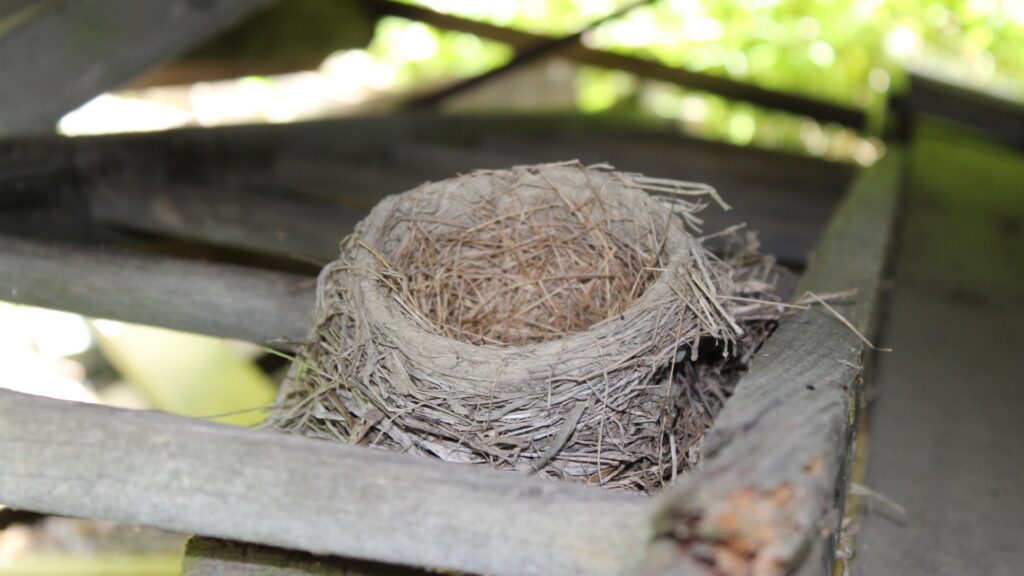
Physical barriers help keep predators away from bird nests. They create a strong defense that predators cannot easily cross.
Using these barriers protects eggs and chicks. It gives birds a better chance to raise their young safely.
Installing Protective Screens
Protective screens block predators from reaching the nest. Use wire mesh or plastic netting to cover the nest area.
Make sure the screen holes are small. This stops small animals like snakes or squirrels from entering.
- Use sturdy materials that resist weather
- Secure screens tightly around the nest
- Check screens regularly for damage
Using Predator Guards
Predator guards fit around tree trunks or poles. They stop animals from climbing to the nest.
Common guards include metal collars and plastic cones. These make it hard for predators to get a grip.
- Place guards at least 3 feet below the nest
- Use smooth materials predators cannot climb
- Check guards often to keep them in place
Creating Buffer Zones
A buffer zone is an area around the nest free of hiding spots. Clear away thick bushes and debris near the nest.
This reduces places where predators can sneak close. It also gives birds a clear view of their surroundings.
- Trim plants around the nesting area
- Remove fallen branches and leaves
- Keep the area clean and open
Credit: www.modernexteriorroofing.com
Habitat Management
Protecting bird nests from predators is important to help birds raise their young. Habitat management plays a big role in keeping nests safe. It means making changes to the area where birds live to reduce risks.
This guide covers three key ways to manage habitat: maintaining vegetation, reducing attractants, and encouraging natural defenses. These actions help create safer places for birds to nest.
Maintaining Vegetation
Healthy vegetation around nests gives birds good hiding spots. Trees, shrubs, and tall grasses block predators’ view. It also provides cover for the nests from weather and threats.
Keep native plants that birds use for shelter. Avoid clearing too much brush near nesting areas. Let plants grow thick and close to the ground where possible.
- Plant native trees and shrubs
- Keep bushes dense and healthy
- Allow grasses to grow near nests
- Trim invasive plants that harm habitat
Reducing Attractants
Predators visit areas that have food or shelter. Removing these attractants lowers the chance of predators near nests. Clean up fallen fruit and seeds that draw animals.
Keep trash bins closed and pick up pet food after feeding. Avoid leaving water dishes outside that attract unwanted animals. These steps make the area less inviting for predators.
- Clear fallen fruit and seeds
- Secure trash bins tightly
- Remove pet food after feeding
- Limit standing water near nests
Encouraging Natural Defenses
Some animals help protect bird nests by chasing away predators. Encouraging these natural defenders can keep nests safe. Birds of prey and certain mammals reduce threats naturally.
Provide habitat features that support these species. Nest boxes, perches, and undisturbed areas attract helpful animals. Protecting these allies strengthens the whole ecosystem.
- Install bird of prey perches
- Leave some dead trees for nesting
- Create quiet zones with little disturbance
- Protect small mammals that deter predators
Monitoring And Maintenance
Protecting bird nests from predators needs regular watching and care. This keeps nests safe and birds healthy.
Monitoring helps spot problems early. Maintenance fixes issues before they get worse.
Regular Nest Checks
Check nests often to see if they are safe. Look for broken eggs or damage to the nest.
Do not touch the nest too much. This stops birds from leaving the nest.
- Visit nests quietly and briefly
- Look for signs of damage or disturbance
- Note if baby birds are present and healthy
Identifying Signs Of Predators
Watch for tracks, droppings, or broken eggs near nests. These can show predator activity.
Listen for unusual noises. Birds may sound alarmed if predators are close.
- Look for footprints or claw marks
- Check for feathers scattered around
- Notice if parent birds act nervous or stay away
Adjusting Protection Methods
Change protection if predators keep returning. Use new ways to block or scare them away.
Keep trying different ideas until nests stay safe. Use natural materials to avoid harm.
- Use barriers like mesh or guards around nests
- Place fake predators nearby to scare real ones
- Clear plants that hide predators near nests

Credit: www.amazon.com
Legal And Ethical Considerations
Protecting bird nests from predators requires care and respect for wildlife laws. Understanding legal and ethical rules helps keep birds safe without breaking laws.
This guide covers important laws and good practices. It helps you support birds while following rules and acting responsibly.
Wildlife Protection Laws
Many countries have laws that protect birds and their nests. These laws stop people from harming birds or disturbing their homes.
- It is illegal to remove or destroy bird nests without permission.
- Some species are fully protected, and any interference can lead to fines.
- Permits may be needed to handle nests for research or rescue.
- Check local and national regulations before acting near nests.
Ethical Intervention Practices
Helping bird nests must be done with care. Ethical actions support birds without causing stress or harm.
| Practice | Reason |
| Only intervene if a nest is in immediate danger | Limits disturbance and stress to birds |
| Use non-invasive methods to protect nests | Prevents harm to birds and their environment |
| Avoid handling eggs or chicks unless necessary | Reduces risk of abandonment or injury |
| Observe quietly from a distance | Keeps birds calm and safe |
Frequently Asked Questions
How Can I Keep Predators Away From Bird Nests?
Use natural deterrents like thorny branches and reflective objects. Install predator guards on trees. Avoid disturbing the nest area to prevent attracting predators.
What Materials Help Protect Bird Nests Effectively?
Use mesh or wire guards around the nest base. Thorny plants nearby can deter climbing predators. Natural camouflage with leaves also helps hide nests.
When Is The Best Time To Protect Bird Nests?
Start protection early in the nesting season. This prevents predators from discovering nests before eggs hatch. Regularly check and maintain protective measures.
Can Pets Pose A Threat To Bird Nests?
Yes, cats and dogs can harm nests. Keep pets indoors or supervise outdoor time. Create barriers to keep pets away from nesting areas.
Conclusion
Protecting bird nests is vital for their survival. Simple actions make a difference. Secure nests with protective measures like netting. Keep pets away to reduce threats. Plant shrubs nearby to provide cover. Create a safe environment for birds to thrive.
Educate others about the importance of nest safety. Every effort counts in preserving bird populations. Remember, small changes lead to big impacts. Let's ensure our feathered friends have a safe place to call home. Protecting nests today ensures birds' future tomorrow.
Keep our skies filled with their cheerful songs.