If you love watching birds visit your feeders, you want to make sure they stay safe and healthy. But did you know that some simple mistakes can actually put your feathered friends at risk?
You might be surprised how easy it is to Protect Birds at Feeders while still enjoying their beautiful visits. You’ll discover practical tips to keep your feeders clean, safe, and welcoming for all kinds of birds. Keep reading, and you’ll learn how to create a bird-friendly space that helps these amazing creatures thrive right in your backyard.
Credit: www.kingsyard.com
Choosing Safe Feeder Locations
Placing bird feeders in safe spots helps Protect Birds at Feeders from danger. Thoughtful feeder locations reduce risks from predators and harsh weather. Safe spots also make birds feel secure and encourage them to visit often. Careful planning can improve their feeding experience.
Avoiding Predator Hotspots
Keep feeders away from places where predators hide or hunt. Common predator spots include dense shrubs, low branches, and areas near windows.
- Place feeders at least 10 feet from thick bushes or trees
- Avoid spots near outdoor cat paths or known hawk perches
- Keep feeders high enough so ground predators cannot reach them easily
- Do not place feeders close to windows to prevent bird collisions
Providing Shelter Nearby
Birds need shelter close to feeders for quick escape and rest. Trees and shrubs offer protection from weather and predators. Using shelters also helps Protect Birds at Feeders naturally.
| Type of Shelter | Benefit |
| Evergreen Trees | Provide year-round cover and wind protection |
| Dense Shrubs | Offer hiding spots from predators |
| Brush Piles | Serve as quick shelter and nesting areas |
| Thorny Bushes | Discourage predators from approaching |
Ensuring Clear Flight Paths
Clear flight paths help birds land and take off safely. Avoid placing feeders near wires, fences, or clutter that block their way.
- Keep at least 3 feet of open space around feeders
- Trim nearby branches that may block bird flight
- Place feeders where birds have a clear view of their surroundings
Selecting Bird-friendly Feeders
Choosing the right bird feeder helps protect birds from harm. Safe feeders provide food without causing injury or stress.
Knowing what types, materials, and designs keep birds safe makes feeding them more enjoyable and healthy.
Types Of Feeders That Reduce Risk
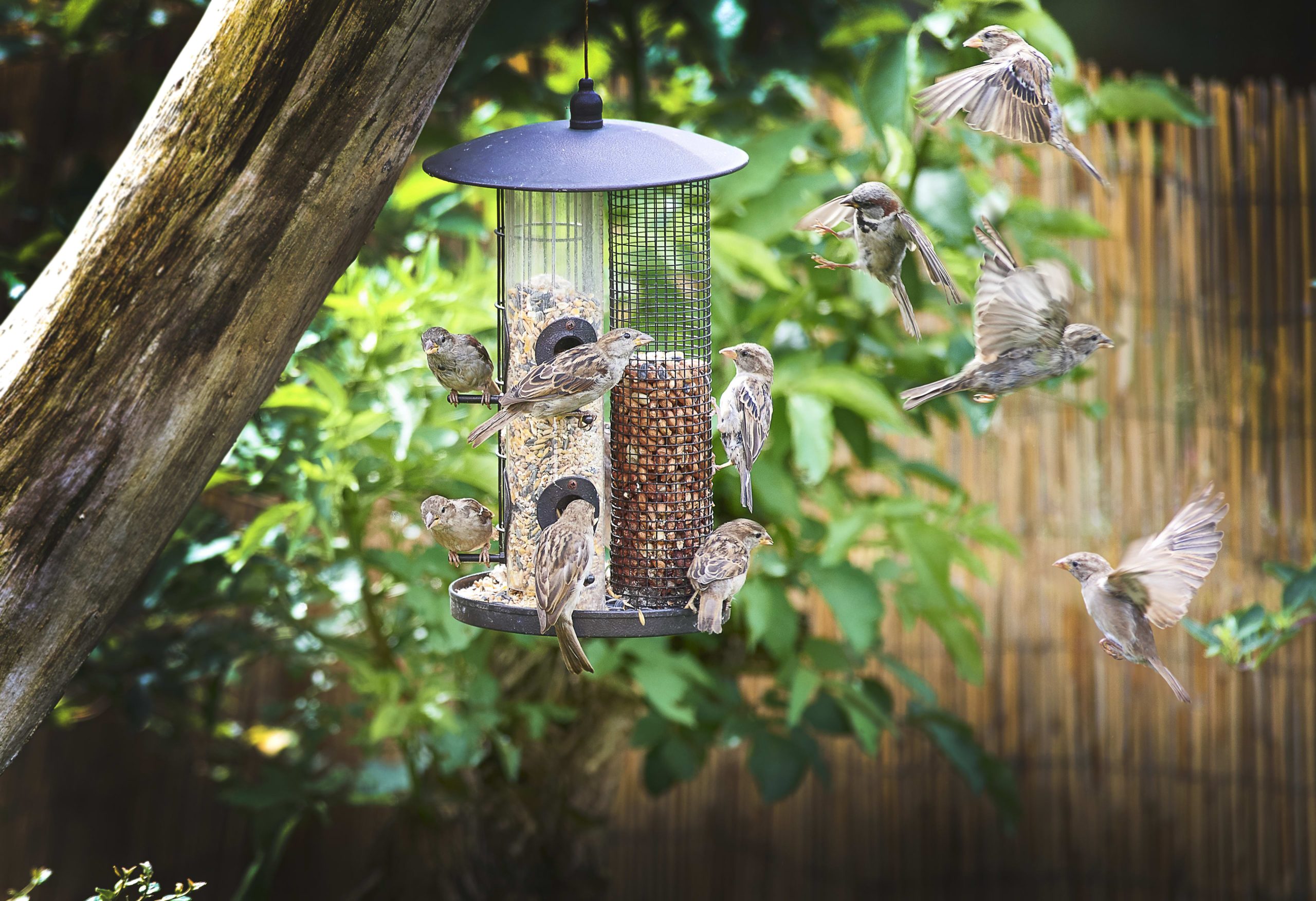
Some feeders lower the chance of bird fights and sickness. Tube feeders and hopper feeders are good choices.
- Tube feeders keep seeds covered and dry.
- Hopper feeders hold food in a container, reducing waste.
- Suction cup feeders attach to windows without sharp parts.
- Platform feeders with guard rails stop larger birds from pushing smaller ones.
Materials That Are Safe for Birds
Feeders made from certain materials avoid harm and last longer. Plastic and metal are common but must be chosen carefully.
| Material | Safety Features | Notes |
| Stainless Steel | Rust-proof and smooth edges | Best for durability |
| Thick Plastic | Non-toxic and weather resistant | Avoid thin plastic that cracks |
| Wood | Natural and safe if untreated | Needs protection from mold |
| Glass | Easy to clean but fragile | Use only in protected spots |
Designs That Prevent Injuries
Feeders with smooth and rounded parts keep birds from hurting themselves. Avoid sharp edges or small openings.
- Rounded perches reduce foot injuries.
- Wide feeding ports stop birds from getting stuck.
- Covered feeders protect from rain and predators.
- Secure hanging methods prevent feeder swings and falls.
Using Appropriate Bird Food
Feeding birds at your feeder is a great way to enjoy nature. Choosing the right food helps keep birds healthy and safe.
Different birds prefer different seeds and foods. It is important to offer food that suits local birds and the season.
Choosing the right food and feeder setup helps Protect Birds at Feeders from sickness and stress.
Seeds That Attract Local Birds
Using seeds that local birds like will bring more birds to your feeder. Sunflower seeds attract many types of birds. Millet is loved by small ground feeders.
- Black oil sunflower seeds: attract finches, cardinals, and chickadees
- White proso millet: good for sparrows and juncos
- Nyjer (thistle) seeds: favorite of finches and siskins
- Cracked corn: attracts doves and sparrows
Avoiding Harmful Foods
Some foods are unsafe for birds and can cause harm. Avoid feeding bread, salty snacks, and foods with mold or chemicals.
| Harmful Food | Reason to Avoid |
|---|---|
| Bread | Low nutrition and can cause digestive problems |
| Salty or seasoned snacks | Can dehydrate or poison birds |
| Moldy or spoiled food | May cause illness or death |
| Raw beans and some fruit seeds | Contain toxins that harm birds |
Seasonal Food Choices
Birds need different food in different seasons. Offer high-energy seeds in winter and more fruits and insects in summer.
- Winter: sunflower seeds and suet for energy
- Spring: soft fruits and mealworms for nesting birds
- Summer: fresh fruits, berries, and insects
- Fall: seeds and nuts to build fat reserves
Maintaining Clean Feeders
Keeping bird feeders clean helps Protect Birds at Feeders from sickness. Dirty feeders can spread germs and harm birds. Regular cleaning stops mold and bacteria from growing.
Regular Cleaning Schedule
Clean your feeders often to keep birds safe. How often depends on the season and weather.
- In warm months, clean feeders every 3 to 5 days.
- In cold months, clean feeders every 1 to 2 weeks.
- Clean feeders immediately if you see mold or spoiled food.
- Remove all old seed and dirt before refilling.
Preventing Mold And Bacteria
Mold and bacteria grow quickly on damp seed and dirty feeders. They cause bird illness and death.
| Cause | Effect |
| Wet seed | Mold growth |
| Old seed | Bacteria buildup |
| Unclean feeder | Spread of disease |
Safe Cleaning Products
Use safe cleaners to protect birds. Avoid harsh chemicals that may harm them.
- Mix one-part white vinegar with four parts waters.
- Use a mild dish soap and warm water.
- Rinse feeders well after cleaning to remove all soap.
- Do not use bleach unless rinsed thoroughly and dried.
Deterring Predators And Pests
Bird feeders attract many birds but also predators and pests. Protecting birds at feeders keeps them safe and healthy. Simple actions help reduce risks from cats, squirrels, and rodents.
Using safe methods to deter pests keeps the feeding area clean. It also helps maintain a peaceful space for birds to eat without harm. Simple actions like baffles and motion-activated devices can help Protect Birds at Feeders from cats and other predators.
Keeping Cats Away
Cats can be a big threat to birds at feeders. Keep cats away by placing feeders in open areas. Avoid spots near bushes or places cats can hide.
- Put feeders high on poles or hang them from branches.
- Use baffles on poles to stop cats from climbing.
- Clear brush and thick plants around feeders.
- Consider using motion-activated lights or alarms.
Managing Squirrels And Rodents
Squirrels and rodents eat bird food and may scare birds away. Controlling them protects the food and keeps birds comfortable.
| Method | Description |
| Feeders with Squirrel Baffles | Barriers that stop squirrels from reaching food |
| Use Weight-Sensitive Feeders | Feeders that close under heavy weight, blocking squirrels |
| Clean Spilled Seed | Remove fallen seeds to avoid attracting rodents |
| Place Feeders Away from Trees | Limit squirrels’ jumping paths to feeders |
Using Safe Deterrents
Safe deterrents keep pests away without harming birds. Choose natural or gentle methods for protection.
Try these safe deterrents:
- Use hot pepper seed blends in feeders to repel squirrels but not birds.
- Spray water near the feeder with a motion sensor to scare pests.
- Place reflective objects or lightweight wind chimes to startle animals.
- Keep feeder area clean and dry to avoid attracting pests.

Credit: www.amazon.ca
Monitoring Bird Health
Bird feeders attract many birds to your yard. Watching their health helps keep them safe. Healthy birds make your garden lively and bright.
Regular checks can spot sick birds early. This prevents diseases from spreading to others at the feeder. Regularly observing bird behavior is essential to Protect Birds at Feeders from diseases before they spread.
Recognizing Signs Of Illness
Sick birds often look different from healthy ones. They may move slowly or sit still for a long time. Watch for changes in feathers and behavior.
Look for these signs:
- Fluffed up feathers
- Labored or fast breathing
- Swollen eyes or beak
- Discharge from eyes or nose
- Weakness or difficulty flying
- Droppings that look unusual
Removing Sick Birds
Remove sick birds from feeders carefully. Use gloves or a cloth to avoid contact. Place the bird in a safe box away from others.
Clean the feeder and surrounding area well. Use warm water and mild soap. This stops germs from spreading to healthy birds.
- Wear gloves or use a cloth
- Handle birds gently to avoid injury
- Keep sick birds isolated
- Disinfect feeders regularly
When To Contact Wildlife Experts
Call wildlife experts if you find many sick birds. Also reach out if a bird is seriously injured or weak. Experts know how to care for wild birds.
Do not try to treat wild birds yourself. Experts can give the right help and advice. This protects both birds and people.
Seasonal Feeding Adjustments
Bird feeders need changes across seasons to keep birds safe. Feeding habits should match weather and bird needs.
Adjusting feeders helps birds find food and stay healthy. Seasonal care supports local bird populations well. Adjusting your feeders each season can further Protect Birds at Feeders, ensuring they get safe, nutritious food year-round.
Winter Feeding Tips
Cold weather makes food scarce for birds. Provide high-energy seeds like sunflower and peanuts.
Keep feeders clean and dry to stop mold and sickness. Check feeders often for ice and snow buildup.
- Use feeders that protect seeds from moisture
- Fill feeders more often in freezing weather
- Place feeders where birds can hide from predators
- Offer fresh water if possible, using heated birdbaths
Summer Feeding Considerations
Birds eat less seed in summer but need fresh water. Clean water sources help birds cool down and stay hydrated.
Remove feeders if ants or bees gather. Use feeders with ant guards or move feeders to shady spots.
- Offer fruit pieces or nectar for summer birds
- Keep feeders shaded to prevent seed spoilage
- Clean feeders regularly to avoid disease
- Provide water sources like shallow dishes or birdbaths
Adapting To Migration Patterns
Birds migrate with seasons and need food at stopover points. Change feeder types and food to suit passing species.
Offer a mix of seeds, berries, and insects to attract different birds. Watch local bird guides for migration timing.
- Start feeding early in spring to help arriving birds
- Switch to high-fat seeds in fall for energy
- Remove feeders late in fall if birds leave area
- Use native plants near feeders to support insects and berries
Creating A Bird-friendly Environment
Bird feeders attract many species to your yard. They need safe places to eat and rest. You can help by making your space bird-friendly.
Small changes can protect birds and support their health. These steps create a safer, happier place for birds near feeders. Planting native vegetation and providing water sources will help Protect Birds at Feeders while creating a welcoming habitat.
Planting Native Vegetation
Native plants provide food and shelter for birds. They attract insects that birds eat. Native flowers also offer nectar and seeds.
- Choose local trees and shrubs for cover
- Plant flowers that bloom in different seasons
- Avoid invasive plants that harm wildlife
- Use plants that produce berries and seeds
- Create layers with tall and low plants
Providing Water Sources
Birds need clean water for drinking and bathing. Water helps them stay healthy and cool. Offer fresh water near feeders to attract more birds.
| Type of Water Source | Benefits | Tips |
| Birdbath | Easy access and bathing | Keep water clean and shallow |
| Dripping Water | Attracts birds with sound | Use fountains or drip systems |
| Natural Ponds | Natural habitat and food | Keep edges safe and clear |
Minimizing Window Collisions
Birds often fly into windows because they see reflections. This causes injury or death. Reduce collisions by making windows visible to birds.
- Place feeders either very close (under 3 feet) or far away (over 30 feet) from windows
- Apply bird-safe window decals or films
- Use external screens or netting on windows
- Keep indoor plants away from windows to reduce reflections
- Close curtains or blinds when feeders are active
Credit: www.kingsyard.com
Frequently Asked Questions
How Can I Make Bird Feeders Safe?
To make bird feeders safe, use sturdy materials and ensure they’re well-attached. Clean them regularly to prevent diseases. Place feeders at safe distances from windows and predators. Ensure food is fresh and suitable for local bird species.
What Food Should I Avoid For Birds?
Avoid feeding birds bread, salty snacks, and processed foods. These can harm their health. Instead, offer seeds, nuts, and fruits. Research local bird preferences to provide the most nutritious options. Providing the right food helps maintain healthy bird populations.
How Often Should I Clean Bird Feeders?
Clean bird feeders at least once a week. This helps prevent mold and disease transmission. Use hot, soapy water and rinse thoroughly. During high-traffic periods, like winter, consider cleaning more frequently. Regular cleaning promotes a healthy environment for birds.
Where Should I Place Bird Feeders?
Place bird feeders in quiet, sheltered locations. Avoid areas near predators or windows. Ensure there’s enough space for birds to fly freely. Position feeders at different heights to attract various species. This setup enhances safety and birdwatching enjoyment.
Conclusion
Protecting birds at feeders keeps them safe and healthy. Clean feeders often to stop diseases. Place feeders where cats and predators cannot reach. Use fresh food and water every day. Watch birds quietly and enjoy their visits. Small steps help birds live longer and happier.
Your care makes a big difference in their lives. Keep feeders safe, and birds will keep coming back. Enjoy nature’s beauty while helping your feathered friends thrive.