Are you tired of constant bird noise disturbing your peace? Whether it’s early morning chirping or loud squawks throughout the day, noisy birds can quickly become a real headache.
You want a quiet space where you can relax, focus, or sleep without interruption. The good news is, there are simple and effective ways to reduce or stop your feathered visitors from making so much noise. Keep reading, and you’ll discover easy tips you can use right away to bring calm back to your home or garden.

Credit: birdsupplies.com
Why Birds Make Noise
Birds make noise to communicate with each other. Their sounds help them survive and live well.
Understanding why birds call can help you stop or reduce the noise they make.
Common Bird Sounds
Birds make many types of sounds. Each sound has a different meaning and purpose.
- Chirps: Short and simple sounds to get attention.
- Singing: Longer and more complex, used mostly by males.
- Calls: Alerts to warn others about danger.
- Squawks: Loud sounds to show stress or fight.
- Trills: Fast repeated sounds to show excitement.
Reasons Behind Vocalizations
Birds use sounds to share messages with their group. Each sound has a clear reason.
- Attracting mates: Birds sing to find a partner.
- Marking territory: Sounds warn others to stay away.
- Alerting danger: Calls warn about predators nearby.
- Communicating food location: Birds tell friends where to find food.
- Keeping in touch: Sounds help birds stay together in groups.
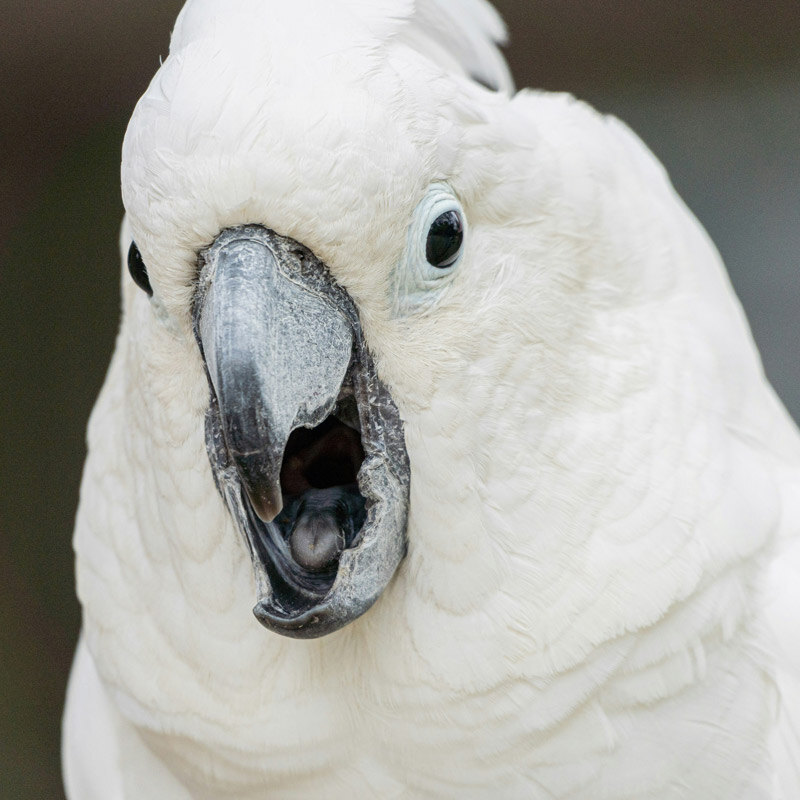
Credit: lafeber.com
Creating A Calm Environment
Birds often make noise when they feel stressed or uneasy. Creating a calm space helps reduce their loud calls.
A peaceful environment makes birds feel safe and relaxed. This lowers their need to make noise.
Reducing Stress Triggers
Stress causes birds to squawk loudly. Removing things that scare or upset them lowers their stress.
Common triggers include loud sounds, sudden moves, and too much noise around their cage.
- Keep the area quiet and free from loud noises
- Avoid sudden movements near the bird
- Limit loud talking or shouting around the cage
- Keep other pets away to prevent stress
Optimizing Cage Placement
Where you place the cage affects your bird’s calmness. Choose a quiet spot with good light.
Avoid busy areas like kitchens or near doors. Place the cage where your bird can see you but feels safe.
- Put the cage in a quiet room with natural light
- Keep the cage away from windows with loud traffic
- Place the cage at eye level for comfort
- Ensure the cage is stable and not near vibrations
Training Techniques To Reduce Noise
Birds can be noisy, but training can help reduce their loud calls. Using simple techniques helps them learn when to be quiet.
These training methods focus on positive actions to guide your bird’s behavior. Patience and consistency are key to success.
Positive Reinforcement
Positive reinforcement means rewarding your bird when it stays quiet. This encourages good behavior over time.
Use treats or gentle praise right after your bird stops making noise. This helps the bird link quietness with rewards.
- Give a treat when the bird is calm
- Use soft words or gentle petting as praise
- Repeat rewards every time the bird is quiet
- Avoid giving attention during loud noise
Using Commands And Signals
Teaching your bird simple commands can help control noise. Use clear words and hand signals to communicate.
Start by saying a command when the bird is quiet. Reward the bird to show that it did the right thing.
- Choose easy words like “quiet” or “stop”
- Use the same hand sign with each command
- Be consistent with commands every day
- Reward your bird when it listens to the command
Providing Mental And Physical Stimulation
Birds make noise when they feel bored or restless. Giving them mental and physical activities helps reduce noise. Keeping a bird busy can make it calmer and happier.
Stimulation is important for a bird’s health and mood. Birds need to use their minds and bodies every day. This stops them from making too much noise.
Toys And Activities
Toys help birds stay active and entertained. Use safe toys that your bird can chew, climb, or peck. Change toys often to keep the bird interested.
- Foraging toys encourage problem-solving
- Swings and ladders give physical exercise
- Chewable toys help keep beaks healthy
- Mirrors and bells can catch a bird’s attention
Offer new activities like puzzles or treat hiding. This keeps your bird busy and less noisy.
Regular Interaction
Spending time with your bird helps reduce its noise. Talk to your bird and offer gentle petting. Birds enjoy company and feel safer with attention.
Play simple games like teaching tricks or letting your bird explore outside its cage. Regular interaction builds trust and keeps the bird calm.
- Set aside time daily for talking and playing
- Use positive tones to encourage quiet behavior
- Offer treats during calm moments
- Watch your bird’s body language to know when it needs attention
Adjusting Diet And Health Factors
Birds make noise for many reasons, including their diet and health. Changing these can help reduce loud calls.
Good nutrition and checking health can keep your bird calm and happy.
Balanced Nutrition
A balanced diet helps birds stay healthy and less noisy. Poor food can make them restless or stressed.
Give your bird a mix of seeds, fruits, and vegetables. Fresh water is also very important.
- Use high-quality bird seed or pellets
- Offer fresh fruits like apples or berries
- Include vegetables such as carrots and spinach
- Change food often to keep it fresh
- Keep water clean and available at all times
Identifying Health Issues
Sometimes noise means a bird is sick or in pain. Watch for changes in behavior or eating habits.
Look for signs like fluffed feathers, less activity, or loss of appetite. These may need a vet visit.
- Check if the bird looks tired or weak
- Notice any changes in droppings
- Observe if the bird avoids eating
- Listen for unusual sounds like wheezing
- See if the bird scratches more than usual
When To Seek Professional Help
Birds can be noisy, but some sounds may signal a bigger problem. If your bird is loud all day or seems stressed, it might need help.
Knowing when to get professional advice can save your bird’s health and your peace at home. Professionals can offer the right care and advice.
Consulting Avian Specialists
Avian specialists know a lot about bird behavior and health. They can check if your bird’s noise is due to illness or stress.
If your bird’s noise is sudden or very loud, visit a vet who works with birds. They can find health issues causing the noise.
Behavioral Therapy Options
Sometimes birds make noise because of boredom or anxiety. Behavioral therapy helps change these habits.
Trainers and specialists can teach you how to calm your bird and reduce noise. They use safe and kind methods.
- Teach your bird quiet commands
- Provide toys and activities
- Set a daily routine
- Use positive rewards

Credit: www.reddit.com
Frequently Asked Questions
How Can I Quiet A Noisy Bird?
To quiet a noisy bird, create a calm environment. Ensure the bird has enough space, toys, and a consistent routine. Use gentle music or white noise to mask unwanted sounds. Additionally, covering the bird's cage at night can promote quiet.
Why Does My Bird Make Constant Noise?
Birds often make noise due to boredom, stress, or seeking attention. Ensure your bird has toys for stimulation. Provide a balanced diet and proper exercise. Understanding your bird's specific needs can help reduce excessive noise.
Are There Specific Toys That Help Reduce Noise?
Yes, interactive toys can engage and distract birds. Puzzle toys, chewable items, and foraging activities can keep your bird entertained. By providing mental stimulation, you can reduce noise levels. Always choose bird-safe materials for toys.
Can Training Help Reduce Bird Noise?
Training can effectively reduce bird noise. Positive reinforcement techniques can teach quieter behaviors. Consistently reward your bird for being quiet. Over time, your bird will associate silence with positive outcomes, reducing overall noise.
Conclusion
Controlling bird noise takes patience and simple steps. Create a quiet space by removing food sources nearby. Use gentle sounds to distract and calm the bird. Remember, sudden actions can scare your feathered friend. Observe the bird’s behavior and adjust your approach.
Quiet moments will come with time and care. Stay calm and consistent for the best results. Birds can be noisy, but you can find peace. Keep trying, and your home will feel more peaceful soon.