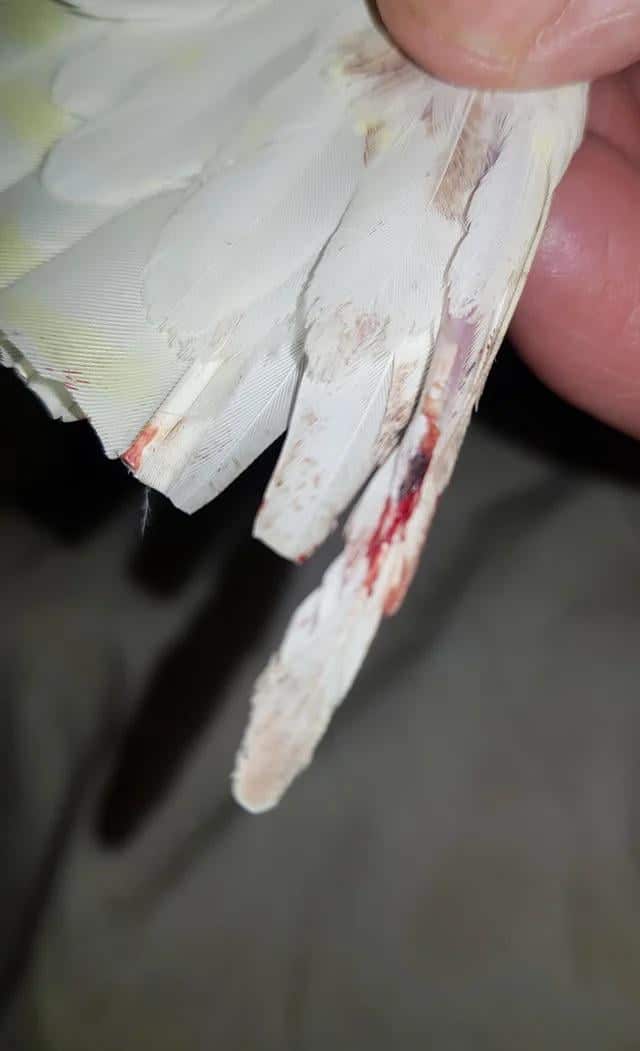
If your bird is bleeding, it can be scary and stressful. You want to help your feathered friend quickly and safely.
Knowing how to stop bird bleeding could make all the difference in preventing serious harm. You’ll discover simple, effective steps you can take right away to control bleeding and keep your bird calm and comfortable. Keep reading—your quick action can save your bird’s life.

Credit: www.amazon.com
Common Causes Of Bird Bleeding
Bird bleeding can happen for many reasons. Understanding these causes helps in giving proper care quickly.
This guide covers the main reasons birds bleed and what to watch for in each case.
Injuries And Trauma
Birds can get hurt from accidents like flying into windows or fights with other animals. These injuries often cause bleeding.
Common types of trauma include cuts, bruises, and broken bones. Bleeding usually comes from cuts or damaged blood vessels.
Nail And Beak Damage
Nails and beaks can break or crack, causing bleeding. Birds may hurt themselves when trimming nails or chewing hard objects.
- Overgrown nails can break easily and bleed.
- Cracked beaks may bleed if the injury is deep.
- Improper nail trimming can cause cuts.
- Chewing on hard surfaces may damage the beak.
Health Conditions
Some illnesses cause bleeding by affecting blood or tissue health. These need a vet’s care to diagnose and treat.
| Health Condition | Effect on Bird | Bleeding Type |
| Clotting Disorders | Blood does not clot well | Easy, prolonged bleeding |
| Infections | Damage to tissues and blood vessels | Localized bleeding, sores |
| Parasites | Cause skin irritation and wounds | Small bleeding spots |
| Vitamin Deficiency | Weak blood vessels and skin | Fragile tissues that bleed |
Immediate Steps To Control Bleeding
Birds can bleed quickly and need fast care. Knowing how to stop bleeding helps keep the bird safe.
Follow simple actions to control bleeding and protect the bird’s health.
Calm The Bird
Keep the bird calm to reduce stress and bleeding. Hold the bird gently but firmly. Speak softly to soothe it.
Place the bird in a quiet, warm area. Avoid sudden movements and loud noises. Calm birds heal faster.
Apply Pressure
Use a clean cloth or gauze to press on the bleeding spot. Hold steady pressure for several minutes.
- Find a clean cloth or sterile gauze.
- Gently place it on the wound.
- Press firmly but do not hurt the bird.
- Keep pressure for 5 to 10 minutes.
- Check if bleeding slows or stops.
Use Styptic Agents
Styptic agents help stop bleeding fast. They come as powders, pencils, or powders. Use them carefully.
| Styptic Agent | How to Use | Notes |
|---|---|---|
| Styptic Powder | Dip a clean cloth in powder, press on wound | Good for small cuts |
| Styptic Pencil | Wet tip, gently touch bleeding area | Avoid deep wounds |
| Cornstarch (Home alternative) | Apply powder directly, press lightly | Only for minor bleeding |
Home Remedies For Minor Bleeding
Minor bleeding in birds can happen from small cuts or scratches. It is important to stop the bleeding quickly to keep the bird safe.
There are simple home remedies you can use to help stop minor bleeding in birds. These are easy and safe to try.
Cornstarch And Flour
Cornstarch and flour help blood to clot faster. They work by absorbing moisture and creating a barrier on the wound.
Gently press a small amount of cornstarch or flour on the bleeding area. Hold it for a few minutes until the bleeding slows down or stops.
Activated Charcoal
Activated charcoal can help stop bleeding and reduce infection risk. It draws toxins away from the wound and helps blood clot.
Sprinkle a little activated charcoal powder on the cut. Keep the bird calm and wait for the bleeding to stop.
Ice Packs
Ice packs shrink blood vessels and slow bleeding. They also reduce pain and swelling around the wound.
Wrap ice in a cloth and gently apply it near the bleeding area. Do not place ice directly on the bird’s skin to avoid frostbite.

Credit: www.amazon.com
When To Seek Veterinary Care
Birds can get hurt and start bleeding. Some bleeding is easy to handle at home. Some need a vet’s help fast.
You must know when to get help. This keeps the bird safe and healthy.
Excessive Bleeding
Excessive bleeding means the blood does not stop or slows down a little. This can make the bird weak fast.
If the blood soaks through the cloth or bandage in less than 10 minutes, get a vet now.
- Bleeding that does not slow after 10 minutes of pressure
- Blood pouring out in large amounts
- Bleeding from a deep or large wound
Bleeding From Internal Areas
Internal bleeding means blood flows inside the bird’s body. You may not see the blood outside.
Look for signs like swelling, pain, or bruises. The bird may breathe fast or act weak.
- Swelling or lumps on the body
- Bird holds wings or legs stiffly
- Labored or fast breathing
- Weakness or less movement
Signs Of Shock
Shock is a serious condition after bleeding or injury. It can be life-threatening.
Birds in shock look very weak and cold. They may sit quietly and not respond.
- Cold or pale skin and feet
- Rapid breathing or gasping
- Weakness or collapse
- Slow or weak heartbeat
Preventing Future Bleeding
Bird bleeding can happen from cuts or overgrown nails. Preventing future bleeding keeps your bird healthy and safe.
Simple care steps help avoid injuries and reduce bleeding risks in birds.
Regular Nail Trimming
Long nails can cause cuts or snag on cage bars. Trim your bird’s nails often to stop bleeding.
Use proper bird nail clippers and be careful not to cut too close to the quick.
- Check nails every 2-4 weeks
- Use a well-lit area for trimming
- Stop bleeding with styptic powder if needed
Safe Cage Setup
A safe cage lowers the chance of cuts and bleeding. Avoid sharp edges and broken parts inside the cage.
Provide smooth perches and remove any hazards that can hurt your bird.
- Use natural wood or soft perches
- Keep cage clean and free of sharp objects
- Check cage parts regularly for damage
Balanced Diet
A balanced diet keeps your bird’s skin and feathers strong. Healthy skin heals faster and bleeds less.
Feed fresh fruits, vegetables, seeds, and pellets for good nutrition.
- Provide vitamin-rich foods daily
- Include calcium sources for strong nails
- Offer clean water at all times

Credit: www.ebay.com
Emergency Care Kit For Bird Owners
Birds can get injured and start bleeding quickly. Every bird owner should have an emergency care kit ready.
This kit helps stop bleeding fast and keeps your bird calm and safe until you reach a vet.
Essential Supplies
Your kit should include items that stop bleeding and clean wounds. These help control blood loss right away.
- Styptic powder or pencil to stop bleeding
- Clean gauze pads for applying pressure
- Antiseptic solution safe for birds
- Disposable gloves to keep things clean
- Small scissors for trimming feathers if needed
- Bandage tape to hold dressings in place
- Soft towels to wrap your bird gently
Storage Tips
Keep your emergency kit in a dry, cool spot. Make sure it is easy to reach in case of an emergency.
Check supplies often and replace anything that is expired or used. Keep everything clean and organized.
- Use a clear container for easy viewing
- Label the kit clearly as “Bird Emergency Kit”
- Store away from direct sunlight and heat
- Keep it near your bird’s cage or in your car
- Regularly inspect and restock items
Usage Guidelines
If your bird is bleeding, stay calm and gently hold it. Use gloves to protect yourself and your bird.
Apply gentle pressure with gauze to the bleeding area. Use styptic powder or pencil to stop the bleeding faster.
- Hold bird securely but gently to avoid stress
- Place gauze on wound and press firmly
- Apply styptic powder carefully to bleeding spot
- Wrap wound with bandage tape if needed
- Keep bird warm and quiet after treatment
- Contact a veterinarian immediately for help
Frequently Asked Questions
How Can I Quickly Stop My Bird’s Bleeding?
Apply gentle pressure to the bleeding area using a clean cloth. Use styptic powder or cornstarch to help clotting. Keep your bird calm and avoid stress. If bleeding persists beyond 10 minutes, seek veterinary care immediately.
What Household Items Stop Bird Bleeding Fast?
Cornstarch, flour, or styptic powder can help stop bird bleeding. Dab a small amount on the wound and apply gentle pressure. Avoid using human medications without vet advice. Always prioritize cleanliness to prevent infection.
When Should I Take My Bird To The Vet For Bleeding?
Visit a vet if bleeding lasts over 10 minutes, or if the wound is deep. Also seek help if your bird shows weakness, pale gums, or unusual behavior. Prompt veterinary care ensures proper treatment and prevents complications.
How Do I Prevent My Bird From Bleeding Again?
Trim your bird’s nails regularly to avoid accidental scratches. Ensure their environment is safe with no sharp objects. Handle your bird gently and supervise interactions with other pets. Regular check-ups help maintain overall health.
Conclusion
Stopping bird bleeding can save your bird’s life. Quick actions are crucial. Use clean materials to stop blood flow. Apply gentle pressure to the wound. Seek a vet if bleeding persists. Keep calm, and your bird calm too. Remember, proper care prevents further issues.
Your bird’s health depends on prompt attention. Stay informed about basic bird first aid. Practice safe handling and care daily. Birds need love and attention. Your efforts make a big difference. Always be prepared for emergencies. Your bird’s well-being is in your hands.