If you have a cockatiel or are thinking about getting one, you want to give your feathered friend the best care possible. Cockatiels are lively, loving birds that can bring joy to your home.
But they need the right attention to stay happy and healthy. In this guide, you’ll learn simple, practical tips that make caring for your cockatiel easy and enjoyable. Keep reading to discover how to create the perfect environment, feed your bird properly, and build a strong bond that lasts.
Your cockatiel deserves the best—and you’re just a few steps away from becoming the best bird parent!
Credit: www.kaytee.com
Choosing The Right Cage
Choosing the right cage is important for your cockatiel’s health and happiness. The cage needs to give enough space to move and fly safely.
A good cage also protects your bird from dangers and fits well in your home. Let’s look at what to consider.
Ideal Cage Size
Cockatiels need space to stretch their wings and climb. A cage that is too small can cause stress and health problems.
Choose a cage that is at least 24 inches wide, 24 inches deep, and 30 inches high. Bigger is always better.
- Allow room for flying and playing
- Include space for perches and toys
- Make sure the bars are spaced 1/2 inch to 5/8 inch apart
Cage Material And Safety
Use cages made from safe, non-toxic materials. Metal cages with a powder-coated finish work well.
Avoid cages with zinc or lead, as these metals are harmful to birds. Make sure the bars are smooth and strong.
- Choose cages with easy-to-clean surfaces
- Check for any sharp edges or loose parts
- Make sure doors close securely to prevent escapes
Placement In Your Home
Place the cage in a quiet, safe area with good light. Avoid spots with direct sunlight or drafts.
Keep the cage away from kitchens and bathrooms. These areas have fumes that can harm your bird.
- Choose a spot with family activity nearby
- Place the cage at eye level for better interaction
- Keep the cage stable to prevent tipping
Feeding Your Cockatiel
Feeding your cockatiel the right food helps keep it healthy. A good diet gives energy and supports growth.
Learn about the best foods to give your bird. Avoid foods that can harm your cockatiel.
Balanced Diet Components
A balanced diet includes seeds, pellets, and grains. These provide the right nutrients for your bird.
Make sure your cockatiel gets protein, vitamins, and minerals. Fresh water should always be available.
- High-quality cockatiel pellets
- Mixed seeds like millet and sunflower
- Small amounts of cooked grains like rice or quinoa
Fresh Fruits And Vegetables
Fresh fruits and vegetables add vitamins and fiber. They help keep your cockatiel active and healthy.
Offer small pieces daily. Wash all fruits and veggies to remove dirt and pesticides.
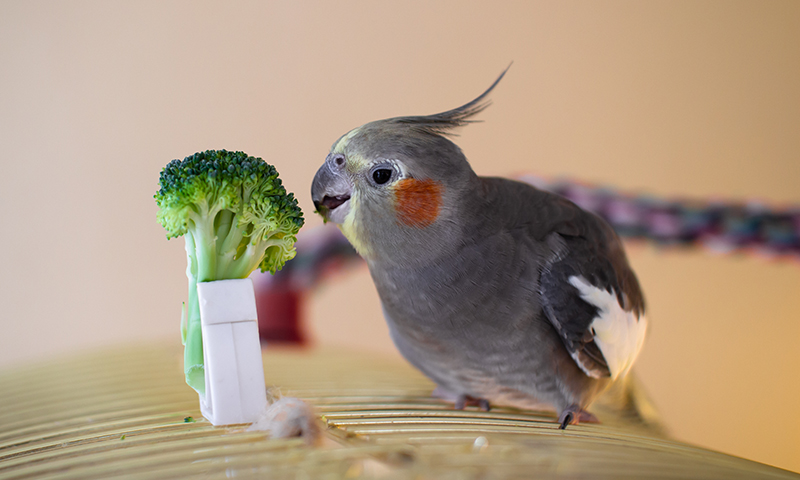
- Carrots, spinach, and broccoli
- Apples, pears, and berries (no seeds)
- Sweet potatoes and peas
Avoiding Harmful Foods
Certain foods can hurt your cockatiel. Avoid feeding chocolate, caffeine, and avocado.
Also, do not give salty, sugary, or fatty foods. These can cause health problems.
- Chocolate and caffeine
- Avocado and onion
- Salty snacks and junk food
- Alcohol and raw beans
Maintaining Cleanliness
Keeping your cockatiel’s environment clean is very important. It helps your bird stay healthy and happy.
Regular cleaning reduces germs and keeps bad smells away. It also prevents diseases for your cockatiel.
Cleaning Cage Regularly
Clean your cockatiel’s cage at least once a week. Remove all waste, old food, and feathers.
Wipe down bars, perches, and toys with a damp cloth to remove dust and dirt.
- Change cage liner daily if possible
- Remove uneaten food every day
- Deep clean cage with warm water weekly
Safe Cleaning Products
Use cleaning products that are safe for birds. Avoid harsh chemicals and strong scents.
Natural cleaners like diluted vinegar and mild soap work well and are safe for cockatiels.
- Do not use bleach or ammonia
- Rinse all surfaces well after cleaning
- Let cage dry completely before putting bird back
Water And Food Bowl Hygiene
Clean your cockatiel’s water and food bowls daily. Dirty bowls can cause illness.
Use hot water and mild soap to wash bowls. Rinse well to remove all soap residues.
- Change water every day
- Check bowls for cracks or damage
- Use separate bowls for food and water
Credit: pethelpful.com
Providing Mental Stimulation
Cockatiels need mental stimulation to stay happy and healthy. Without it, they can get bored and stressed. Providing activities and interaction keeps their minds sharp.
Mental stimulation helps prevent bad habits like feather plucking or excessive noise. It also strengthens your bond with your bird.
Toys And Enrichment Ideas
Giving your cockatiel a variety of toys encourages natural behaviors like chewing and exploring. Change toys often to keep their interest.
Safe toys made of wood, plastic, or rope work well. Avoid small parts that your bird can swallow.
- Chew toys help keep beaks healthy
- Mirrors can entertain but use with care
- Foraging toys encourage problem-solving
- Swings and ladders support exercise and fun
Social Interaction
Cockatiels are social birds that enjoy company. Spend time talking and playing with your bird every day. This prevents loneliness and boredom.
Try to include your cockatiel in family activities. Let them sit on your shoulder or near you during quiet times.
- Talk softly to keep your bird calm
- Gently pet or scratch your bird’s head
- Offer treats during interaction for bonding
- Let your cockatiel watch outside activities safely
Training And Tricks
Training your cockatiel provides mental exercise and builds trust. Use simple commands and reward good behavior with treats.
Start with easy tricks like stepping up on your finger. Keep training sessions short and fun to hold their attention.
- Teach “step up” to improve handling
- Use clicker training for clear communication
- Practice simple tricks like turning around
- Reward all successes with praise or treats
Ensuring Physical Health
Taking care of your cockatiel’s physical health is important. Healthy birds live longer and feel happier.
Watch their behavior and provide good care to keep them strong and active.
Regular Vet Visits
Take your cockatiel to a bird vet at least once a year. Regular checkups catch health problems early.
The vet will check their feathers, beak, eyes, and weight. They may also test for diseases.
Recognizing Signs Of Illness
Learn to spot when your cockatiel is sick. Early care helps prevent serious problems.
- Less active or sleepy more than usual
- Fluffed up feathers for long periods
- Changes in eating or drinking habits
- Runny nose or watery eyes
- Difficulty breathing or noisy breathing
- Loose or colored droppings
If you see these signs, contact a vet quickly.
Exercise And Flight Time
Cockatiels need daily exercise to stay healthy. Flight helps build strong muscles and keeps their mind sharp.
Let your bird fly safely outside the cage in a secure room. Supervise to avoid accidents.
- Provide toys and perches for climbing
- Encourage flying or hopping between perches
- Keep exercise time regular and consistent
Managing Behavior
Taking care of a cockatiel means understanding its behavior well. Managing their behavior helps keep them happy and healthy.
Good behavior management builds a strong bond between you and your bird. It also makes daily care easier for both of you.
Common Behavioral Issues
Cockatiels can show some common problems like biting, screaming, or feather plucking. These behaviors often mean they need attention or feel stressed.
Understanding why your bird acts this way helps solve the issue. Sometimes, changes in their environment or routine cause these problems.
- Biting when scared or annoyed
- Loud screaming to get attention
- Feather plucking from stress or boredom
- Chewing on cage bars or toys
Positive Reinforcement Techniques
Positive reinforcement means giving rewards for good behavior. This helps your cockatiel learn what you want from it.
Treats, praise, and gentle petting work well to encourage good actions. Avoid punishment as it can harm trust.
- Give a small treat when your bird follows a command
- Use a calm voice to praise good behavior
- Reward calmness after loud noises stop
- Ignore bad behavior to reduce attention-seeking
Building Trust
Trust is key to a happy cockatiel and owner relationship. Spend time near your bird quietly to help it feel safe.
Let your cockatiel come to you. Offer your hand slowly and respect its space to build confidence.
- Talk softly to your bird every day
- Offer your finger for it to step up
- Spend time outside the cage with it
- Be patient and consistent with your actions
Creating A Safe Environment
Taking care of a cockatiel means making sure its home is safe. Birds need a calm and secure space to live well.
A safe environment helps your cockatiel stay healthy and happy every day.
Avoiding Household Hazards
Many common household items can hurt cockatiels. Keep your bird away from dangerous things.
Some hazards include toxic plants, open windows, and strong fumes from cleaners or cooking.
- Keep plants like lilies and avocado out of reach
- Close windows and doors to prevent escapes
- Avoid using non-stick cookware near your bird
- Store cleaners and chemicals in locked cabinets
- Do not smoke around your cockatiel
Temperature And Lighting
Cockatiels need a steady temperature between 65°F and 80°F. Avoid drafts and sudden changes.
Good lighting helps your bird’s natural rhythms. Use natural light or soft artificial light.
- Keep cage away from windows with direct sunlight
- Use curtains to soften bright light
- Maintain room temperature without cold drafts
- Provide 10 to 12 hours of light daily
- Let your bird rest in darkness at night
Handling Emergencies
Be ready to act if your cockatiel gets hurt or sick. Know basic first aid for birds.
Keep emergency numbers for a vet who treats birds nearby. Stay calm to help your pet quickly.
- Check for wounds or bleeding
- Keep the bird warm and quiet
- Do not give human medicine
- Call an avian vet immediately
- Have a travel cage ready for vet visits
Credit: www.kaytee.com
Frequently Asked Questions
How Often Should I Feed My Cockatiel?
Feed your cockatiel daily with a balanced diet of seeds, pellets, and fresh fruits. Ensure fresh water is always available. Adjust the portion size based on your bird’s appetite and activity level. Regularly monitor their weight and health to ensure they’re getting adequate nutrition.
What Toys Are Best For Cockatiels?
Provide your cockatiel with a variety of toys for mental stimulation. Choose toys made of safe materials like wood, paper, and rope. Ensure toys are size-appropriate and regularly rotated to keep your bird engaged. Avoid toys with small parts that could be swallowed or entangled.
How Do I Clean A Cockatiel’s Cage?
Clean your cockatiel’s cage weekly to maintain hygiene. Remove old food, droppings, and replace the bedding. Use a bird-safe cleaner or mild soap with water to wipe down surfaces. Rinse thoroughly and dry before returning accessories. Regular cleaning prevents disease and promotes a healthy environment.
How Can I Tell If My Cockatiel Is Sick?
Watch for signs of illness like lethargy, loss of appetite, or changes in droppings. Other symptoms include fluffed feathers, sneezing, or wheezing. If you notice any of these signs, consult a veterinarian immediately. Early detection and treatment are crucial for your cockatiel’s health.
Conclusion
Caring for a cockatiel takes time and patience. Feed your bird fresh food and clean water daily. Give it a safe and cozy home. Spend time talking and playing to build trust. Watch for signs of illness and visit a vet if needed.
A happy cockatiel is a lively and loving friend. Small efforts make a big difference in their life. Enjoy the special bond you create together.