If you care deeply about your feathered friend’s health, you need to know how to spot and treat Aspergillosis in birds quickly. This common fungal infection can be serious, but with the right steps, you can help your bird breathe easier and recover faster.
You’ll discover simple, effective ways to recognize symptoms and take action before the problem gets worse. Keep reading to protect your bird’s well-being and ensure many happy, healthy days ahead.

Credit: www.magonlinelibrary.com
Symptoms Of Aspergillosis In Birds
Aspergillosis is a fungal infection that affects birds’ lungs and air sacs. It can cause serious health problems if not treated early.
Recognizing the symptoms helps bird owners act quickly. Symptoms often affect breathing, behavior, and appearance.
Respiratory Signs
Birds with aspergillosis often show trouble breathing. They may breathe faster or with effort.
Other signs include coughing, wheezing, or nasal discharge. These signs show the lungs and airways are affected.
- Rapid or labored breathing
- Coughing or wheezing sounds
- Nasal discharge or sneezing
- Open-mouth breathing
Behavioral Changes
Infected birds often act differently. They may become less active and sleep more than usual.
Loss of appetite is common. Birds may also avoid socializing or show signs of weakness.
- Reduced activity and energy
- Increased sleeping or resting
- Loss of interest in food
- Avoiding other birds or humans
Physical Appearance
Birds with aspergillosis may look unhealthy. Their feathers might appear ruffled or dull.
Weight loss and swelling around the chest area are signs to watch for. These changes show the bird is sick.
- Dull or ruffled feathers
- Weight loss
- Swelling near the chest or throat
- Visible signs of fatigue
Causes And Risk Factors
Aspergillosis is a fungal infection that affects birds. It happens when birds breathe in spores from the Aspergillus fungus.
Several causes and risks make birds more likely to get this disease. Understanding them can help in prevention and treatment.
Fungal Exposure
Birds get aspergillosis by inhaling fungal spores in the air. These spores come from moldy food, bedding, or damp places.
Fungal spores are tiny and float easily. Birds with weak lungs breathe in more spores, raising the risk of infection.
- Moldy hay or grains
- Damp wood or leaves
- Dirty cages or aviaries
- Old or wet bedding
Environmental Conditions
Warm and humid places help Aspergillus fungus grow. Poor ventilation in bird housing increases spore levels in the air.
Stressful environments can weaken bird immune systems. Crowded spaces make it easier for fungi to spread.
- High humidity above 70%
- Poor airflow or ventilation
- Crowded or dirty living spaces
- Frequent temperature changes
Bird Species Susceptibility
Some bird species get aspergillosis more often. Raptors and young birds are more at risk than adult parrots or pigeons.
Birds with weak immune systems or lung damage catch the disease more easily. Wild birds also face higher exposure outdoors.
- Young or baby birds
- Birds of prey like hawks and owls
- Birds with lung injuries
- Wild birds exposed to spores
Diagnosing Aspergillosis
Aspergillosis is a common fungal infection in birds. Early diagnosis helps in effective treatment and recovery. Vets use several methods to find out if a bird has this disease.
This guide explains how veterinarians diagnose aspergillosis. It covers the veterinary exam, lab tests, and imaging techniques.
Veterinary Examination
The vet starts with a physical exam to check the bird’s health. They look for signs like breathing trouble, weight loss, or unusual behavior. The vet listens to the bird’s lungs and checks its eyes and mouth for spots or swelling.
- Observe breathing rate and effort
- Check for nasal discharge or coughing
- Look for swelling or discoloration
- Assess the bird’s general activity and appetite
Laboratory Tests
Lab tests help confirm aspergillosis by detecting the fungus or its effects. Blood tests can show signs of infection and inflammation. The vet may also test samples from the bird’s respiratory tract.
| Test Type | Purpose | Sample Needed |
| Blood Test | Check for infection markers | Blood |
| Fungal Culture | Grow fungus to identify Aspergillus | Swab or tissue sample |
| Serology | Detect antibodies against fungus | Blood |
Imaging Techniques
Imaging helps see inside the bird’s body. X-rays show lung damage or fungal growth. Sometimes, vets use endoscopy to look directly into the airways with a small camera.
- X-rays reveal lesions or blockages
- Endoscopy provides a direct view of infected areas
- CT scans may be used for detailed images

Credit: poultrydvm.com
Treatment Options
Aspergillosis is a serious fungal infection in birds. Treating it early improves the chances of recovery. Treatment focuses on stopping the fungus and helping the bird heal.
There are several ways to treat aspergillosis. These include medicines, supportive care, and sometimes surgery. Each method plays a role in fighting the infection.
Antifungal Medications
Doctors use antifungal drugs to kill the fungus causing aspergillosis. These medicines help reduce the infection and stop it from spreading. Treatment can last for weeks or months.
- Itraconazole is commonly used and taken by mouth.
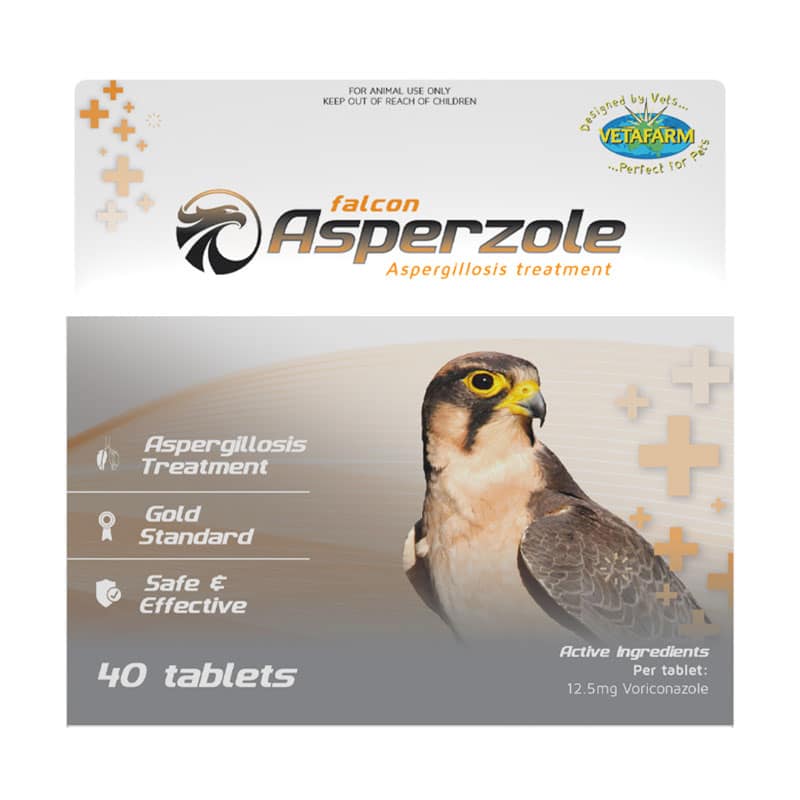
- Voriconazole is another option, often used for severe cases.
- Amphotericin B may be given in injections for hard-to-treat infections.
- Terbinafine can be added to boost treatment effects.
Supportive Care
Supportive care helps birds feel better while the antifungal medicines work. This care keeps the bird strong and comfortable.
| Support Type | Purpose |
| Oxygen Therapy | Helps birds breathe easier when lungs are affected. |
| Fluids | Prevents dehydration and supports organ function. |
| Nutrition | Maintains strength and aids healing. |
| Environmental Control | Keeps the bird in a clean, stress-free space. |
Surgical Interventions
Surgery may be needed if fungal growths block airways or cause damage. Removing these growths helps the bird breathe and recover faster.
- Surgical removal of fungal plaques in the respiratory tract.
- Biopsy to confirm diagnosis in unclear cases.
- Cleaning infected areas to reduce fungus load.
Preventing Aspergillosis
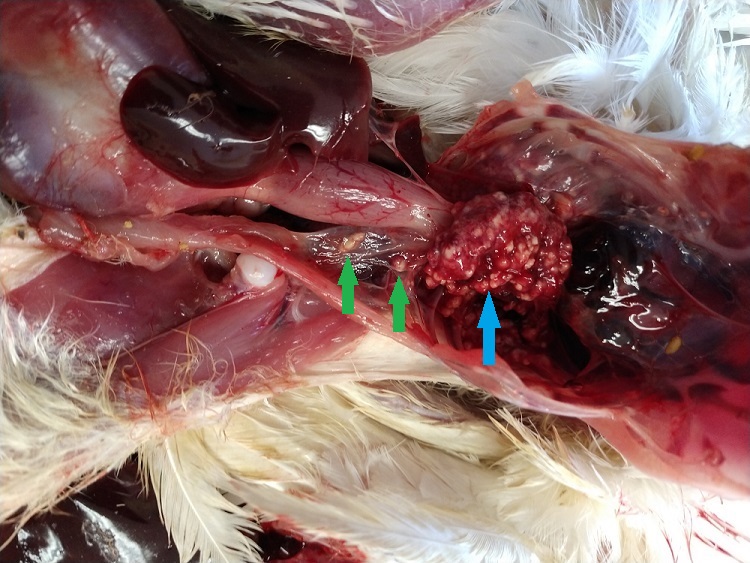
Aspergillosis is a lung infection in birds caused by fungi. Prevention is key to keeping birds healthy. Clean living spaces and good care reduce risks.
Bird owners should focus on hygiene, fresh air, and health checks. These steps help stop the fungus from growing and spreading.
Maintaining Clean Environments
Keep cages and bird areas clean to limit fungal spores. Remove old food and droppings daily. Wash water and food containers often.
- Clean cage bottoms and perches regularly
- Use safe disinfectants to kill mold
- Change bedding materials often
- Avoid damp or moldy places
Proper Ventilation
Good airflow stops mold growth and lowers fungus spores. Ensure bird rooms have windows or vents for fresh air. Avoid drafts directly on birds.
| Ventilation Tips | Why It Helps |
|---|---|
| Open windows regularly | Brings in fresh air |
| Use fans carefully | Circulates air, no drafts |
| Avoid overcrowding | Reduces humidity and heat |
| Keep air filters clean | Removes dust and spores |
Regular Health Checks
Check birds often for signs of illness. Early symptoms include breathing trouble and loss of appetite. Consult a vet if you see changes.
- Look for unusual breathing sounds
- Watch for lethargy or weakness
- Check eyes and beak for discharge
- Keep a health diary for each bird
Credit: www.merckvetmanual.com
Home Care Tips
Taking care of a bird with aspergillosis at home needs patience and care. You can help your bird heal faster with simple steps. These tips focus on diet, stress, and watching your bird closely.
Good home care supports the treatment your vet gives. It helps your bird stay strong and fight the infection.
Diet And Nutrition
Good food helps your bird’s immune system work well. Feed fresh and healthy meals to keep your bird strong.
- Offer a mix of seeds, pellets, and fresh fruits or vegetables.
- Provide clean water every day and change it often.
- Avoid giving sugary or fatty treats that can weaken health.
- Include foods rich in vitamins A and E to boost immunity.
Stress Reduction
Stress can slow healing. Keep your bird calm and safe during recovery. Create a quiet space with low noise and soft lighting.
| Action | Purpose |
| Place cage away from loud areas | Reduce noise stress |
| Keep room temperature steady | Prevent chill or heat stress |
| Limit visitors and handling | Help bird rest and recover |
| Provide familiar toys and perches | Offer comfort and distraction |
Monitoring Recovery
Watch your bird every day for signs of improvement or problems. Check breathing, eating, and behavior carefully.
- Note any changes in breathing or coughing.
- Track food and water intake to ensure your bird eats enough.
- Look for signs of fatigue or unusual hiding.
- Keep a daily log to share with your vet.
- Call your vet if symptoms get worse or new issues appear.
Frequently Asked Questions
What Are Common Symptoms Of Aspergillosis In Birds?
Birds with aspergillosis often show breathing difficulties, lethargy, and weight loss. They may also have nasal discharge or voice changes. Early detection is vital for effective treatment and recovery.
How Is Aspergillosis Diagnosed In Birds?
Veterinarians diagnose aspergillosis using physical exams, X-rays, and fungal cultures. Blood tests and endoscopy may also help confirm the fungal infection.
What Treatments Are Effective For Bird Aspergillosis?
Antifungal medications like itraconazole or voriconazole are commonly prescribed. Supportive care, including oxygen therapy and cleaning the bird’s environment, improves recovery chances.
Can Aspergillosis Be Prevented In Pet Birds?
Yes, maintaining clean, dry living spaces and good ventilation reduces fungal spores. Avoid moldy food and damp bedding to lower infection risks.
Conclusion
Caring for birds with aspergillosis requires attention and patience. Start by consulting a vet. They will guide you on the best treatments. Maintain a clean and dry environment for your bird. Good hygiene reduces infection risks. Provide nutritious food to boost your bird’s immune system.
Keep stress levels low to aid recovery. Regular check-ups help monitor your bird’s health. With the right care, your bird can recover and thrive. Always remain vigilant and informed to ensure a healthy life for your feathered friend.